

Introduction: The $50 Hard Drive Mystery
You're standing in the electronics aisle, phone in hand, staring at a 14TB external hard drive. At your local Walmart, it's $199. You pull up Best Buy's website for the exact same model—$249. That's a $50 difference for the same box, the same specs, the same everything. What gives? If you've ever found yourself in this exact scenario, you're not alone. This isn't just about one store being "cheaper" than another. It's a complex dance of regional pricing, inventory algorithms, and pure retail psychology. And in 2026, understanding this dance isn't just about saving money on your next gadget—it's about mastering the tools that let you see behind the curtain.
This article digs into the real reasons behind those baffling price discrepancies. More importantly, we'll explore how the data hoarding and tech-savvy community approaches this problem. We're moving beyond manual checking. We're talking about automated monitoring, custom scrapers, and building your own personal price intelligence system. Let's pull back the curtain.
The Core Reasons: It's Not Just About Overhead
Most people assume Best Buy is more expensive because they have fancy stores and Geek Squad. That's part of it, but it's a tiny slice. The real reasons are more strategic and, frankly, more interesting.
First up: regional price optimization. Big retailers like Walmart and Best Buy don't have one national price. They have thousands. Their algorithms analyze local competition, average income in the zip code, even the weather. A Walmart in a rural area with no Micro Center for 200 miles might price that hard drive higher than one in a city with five competing electronics stores. Best Buy might be competing directly with that Micro Center on CPUs, but feel they can charge a premium on storage in the same market.
Then there's inventory velocity. This is a fancy term for "how fast does this thing collect dust on our shelf?" If a particular Walmart store has 50 units of a slow-selling 8TB drive from last year's model, the local manager might get permission to slash the price just to clear space. The Best Buy across town, which only ordered 10, has no such pressure. Their price stays high. This creates wild, hyper-localized price differences you'd never see on the national website.
Finally, don't underestimate the perceived value of the buying experience. Best Buy banks on customers who want advice, want to see the product, and might value an easier return process. Their pricing often reflects that perceived service premium, whether you use it or not. Walmart's model is purely about volume and efficiency. Two different games, two different price tags.
Why Online Prices Lie: The Website vs. Store Conundrum
Here's where it gets frustrating. You check BestBuy.com and see $249. You think, "Okay, that's the price." Then you walk into the store and the shelf tag says $229. Or the opposite happens. Why the disconnect?
In 2026, most major retailers have moved to what's called digital shelf labels (DSLs) or are in the process. But the integration between the online cart system, the in-store inventory database, and the pricing engine is often clunky. Price changes might be pushed to the website instantly but take hours to propagate to every physical store's system (and vice-versa). Sometimes, store managers have limited-time authority to run local promotions that never hit the main website.
There's also the dirty secret of "online-only" and "in-store-only" SKUs. They might be the same product—same manufacturer, same model number—but with a different retailer-specific SKU. This lets them offer a "deal" online without having to price-match their own physical inventory. It's a loophole, and it's everywhere.
The takeaway? Never trust a single source. The price is a moving target that changes based on which door you're using to look at it.
Enter the Data Hoarders: Manual Checking is for Suckers

The r/DataHoarder community spotted this problem years ago. When you're building a petabyte-scale storage array, saving $50 per drive isn't a nice-to-have—it's essential. Their solution? Stop being a human and start thinking like a machine.
The initial approach is simple scripting. A Python script using the `requests` library and `BeautifulSoup` can fetch the product page from Walmart.com and BestBuy.com, parse the HTML, and extract the current price. Run it every hour, log the results to a CSV file, and you've got a basic price history. You can see when Best Buy drops their price every other Tuesday, or when Walmart clears inventory on Sunday nights.
But this is 2026. Retailers have gotten wise. They employ anti-bot measures like Cloudflare, CAPTCHAs, and rate limiting. Your simple script that worked for a week suddenly starts getting blocked. Your IP address gets banned. This is where the game evolves from simple scraping to sophisticated data extraction.
Leveling Up: Proxies, Headless Browsers, and APIs
To track prices reliably at scale, you need the right tools. This is where the hobbyist project turns into a serious tech stack.
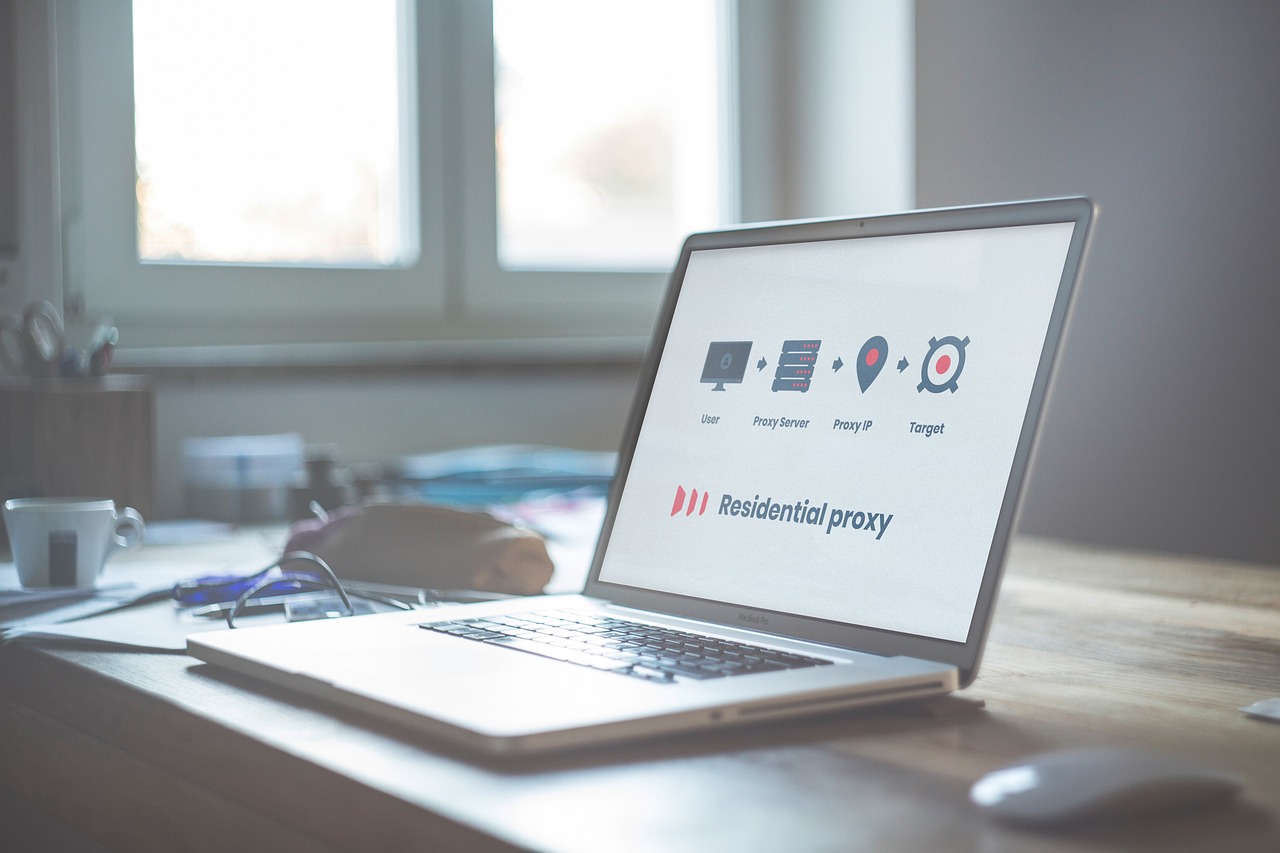
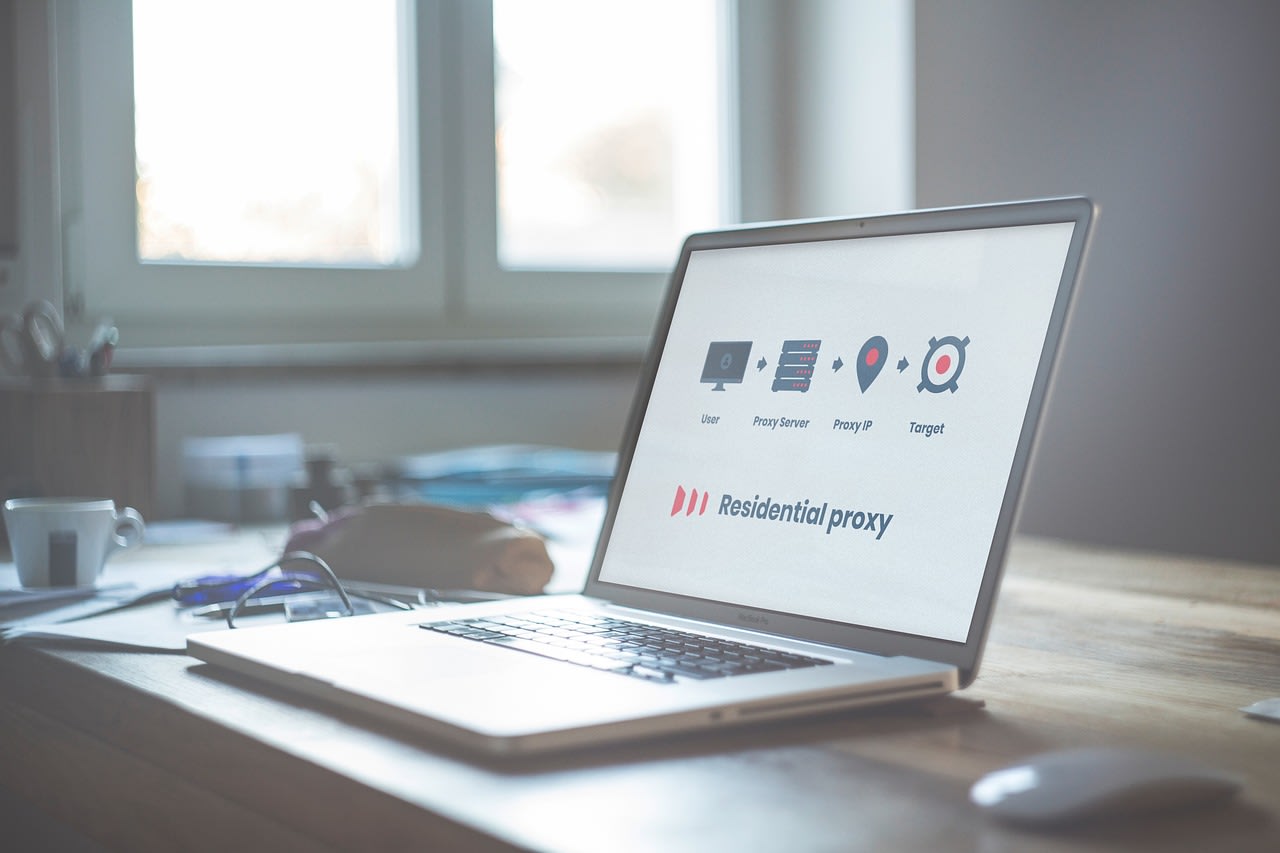
Residential Proxies are your first line of defense. Instead of sending requests from your home IP (which screams "bot!"), you route them through a pool of IP addresses that look like regular residential users. Services like Bright Data or Oxylabs offer these. It makes your scraping traffic blend in. For a multi-store price tracker, you'd assign different proxy IPs for Walmart requests and Best Buy requests.
Next, headless browsers. Tools like Puppeteer (for Node.js) or Playwright (cross-language) let you control a real browser like Chrome programmatically. Why? Because many modern retail sites load their prices dynamically with JavaScript after the initial page load. `BeautifulSoup` can't see that. A headless browser loads the full page, executes all the JavaScript, and then you can scrape the fully-rendered price. It's slower, but it's bulletproof.
Some in the community have even reverse-engineered the private mobile APIs that the Walmart and Best Buy apps use. These APIs often return clean JSON data, which is infinitely easier to parse than HTML. It's a gray area, but it's effective. The key is mimicking the exact headers and request patterns of the official mobile app to avoid detection.
Building Your Own Price Alert Bot: A Practical Framework
Let's get concrete. How would you build a system to monitor that 14TB WD Easystore for the best price between five retailers? Here's a scalable approach.
First, structure your project. You need a product database. This isn't just a list of URLs. You need to track the product name, model number, retailer SKUs, and your target buy price. A simple SQLite database works fine to start.
Your scraper scheduler is the brain. Using a framework like Celery or even a simple cron job, you schedule tasks. "Check Walmart SKU-123 every 30 minutes. Check Best Buy SKU-456 every hour." Each task is isolated and fault-tolerant.
The scraper worker does the dirty work. It receives the task, selects a fresh proxy from your pool, fires up a headless browser instance, navigates to the product page, and extracts the price. It handles errors—if a CAPTCHA appears, it logs it and fails gracefully. It stores the result: timestamp, retailer, price, and stock status.
Finally, the alert engine queries the database. Is the current price from any retailer 15% below the 30-day average? Is it below your target buy price? If yes, it triggers an alert—a Discord webhook to your phone, an email, a push notification via Pushover. You're now reacting to deals in minutes, not days.
This might sound complex, but platforms exist that abstract away the infrastructure headache. For instance, using Apify's platform, you can run pre-built scrapers or build your own actors in a managed cloud environment. They handle proxy rotation, browser management, and scheduling. You just define the data you want. It turns a weeks-long dev project into an afternoon of configuration.
Beyond Drives: This Applies to Everything

While the r/DataHoarder discussion started with hard drives, the implications are universal. The same price volatility affects CPUs, GPUs, game consoles, TVs, and even appliances.
Think about price matching. Best Buy, Micro Center, and others have formal policies. But they require you to present the lower price. Your automated tracker gives you that evidence instantly, in your pocket, while you're in the store. It turns a hunch into a guaranteed discount.
Consider seasonal and clearance cycles. Retailers clear out old models on predictable schedules. Your historical price data will show you that last year's LG OLED TV model hits its absolute lowest price in late February, right before the new models are announced. This isn't guesswork anymore; it's data-driven purchasing.
And it's not just tech. Tools, furniture, sporting goods—any moderately expensive item sold by multiple big-box retailers follows these patterns. The system you build for hard drives can be adapted to monitor a lawnmower or a pressure washer with minimal changes.
Common Pitfalls and Ethical Lines
This power comes with responsibility and technical hurdles.
Getting Blocked: The biggest issue. Sending too many requests too fast is a surefire way to get your IP banned. Implement polite scraping—add random delays between requests (3-10 seconds), respect `robots.txt` (even if you decide to proceed, check it), and rotate user-agent strings. Treat the retailer's server like you'd want your own server treated.
Data Accuracy: Parsing HTML is fragile. A retailer changes a single CSS class name (from `.product-price` to `.current-price`) and your scraper breaks. You need robust error handling and regular validation checks. Maybe once a day, you manually verify one price point to ensure the system is still accurate.
The Legal Gray Area: Is scraping publicly displayed prices legal? In the US, following the hiQ Labs v. LinkedIn case precedent, accessing publicly available data is generally permissible. However, circumventing technical barriers (like bypassing a login) or violating Terms of Service could create liability. I'm not a lawyer, but the consensus in the tech community is: scrape politely, don't overwhelm servers, and use the data for personal use. Don't re-publish their entire catalog.
Analysis Paralysis: It's easy to build the tracker and then never pull the trigger, always waiting for a lower price that might never come. Set a realistic target price based on historical lows and stick to it. The tool should inform your decision, not paralyze it.
When to DIY and When to Hire Out
Not everyone wants to write Python scripts. That's okay.
If you're technically inclined and enjoy the project, building it yourself is incredibly rewarding. You own the code, you can customize every alert, and it costs little more than your time and maybe $20/month for proxy services. You'll find great starter kits and communities on GitHub.
If coding isn't your thing, you have options. Browser extensions like Keepa (for Amazon) or Honey offer basic price history. For more general tracking, dedicated services like CamelCamelCamel or PriceRunner exist, though their coverage of in-store Walmart/Best Buy prices can be spotty.
And sometimes, the most efficient path is to bring in an expert. If you need a one-time scrape of historical prices for market research, or a robust system for your small business, you can hire a freelance developer on Fiverr who specializes in web scraping. You can get a custom solution built for a few hundred dollars without learning a new programming language. Be specific in your brief: "Build a bot to track these 10 product URLs across Walmart and Best Buy, log prices to a Google Sheet, and email me if the price drops below $X."
For the hardware itself, once your tracker finds the deal, you'll need reliable gear. A good-quality, high-capacity external drive like the WD 14TB Elements Desktop Hard Drive is a common target for these price wars. Having a reliable USB hub or docking station is also key for the data hoarder workflow.
Conclusion: Take Control of Your Wallet
So, what's up with the price difference between Walmart and Best Buy? It's a mix of calculated strategy, local factors, and system lag. But in 2026, you don't have to be a victim of it. You have the tools and the community knowledge to see the full picture.
Start simple. Pick one item you're planning to buy. Manually check it on a few sites for a week and note the fluctuations. You'll see the pattern. Then, if the savings are worth it, level up. Try a simple script. Explore a no-code scraper. The goal isn't to save $5 on a pack of batteries—it's to save $500 on your next storage server or $300 on a new TV by understanding the rhythm of retail.
The price is out there. It's just hiding in plain sight, changing by the minute. Now you know how to catch it.
