

The Extreme Quest for Affordable Terabytes
Let's be honest—most people think we're crazy. Flying across an ocean to buy hard drives? That's the kind of story that gets 3,783 upvotes on r/DataHoarder because everyone there gets it. They understand the math. When you're building a petabyte-scale array, saving $50 per drive adds up fast. When you're talking about six, eight, or twelve drives, you're looking at plane ticket money. The original poster's journey—from 3TB drives in a Supermicro SC846 to flying 8TB Easystores back from Hawaii—isn't just an anecdote. It's a case study in global price arbitrage for digital storage.
But here's the thing in 2026: you don't necessarily need to book a flight. The core issue remains—massive price disparities exist between regions. The US often gets drives first and cheapest, especially during sales events. Europe, the UK, Australia? They frequently pay a premium, sometimes a significant one. The instinct to go get them is logical, if extreme. The smarter move now is to use technology to bridge that gap without the jet lag.
Why Prices Vary So Wildly (And Why the US Wins)
It's not magic. Several concrete factors create these international price chasms. First, distribution channels. The US is a massive, single-market testing ground for manufacturers like Western Digital and Seagate. Retailers like Best Buy and Amazon can move enormous volume, allowing for aggressive loss-leader sales, especially on external drives meant for shucking. The famous WD Easystore and Elements lines are perfect examples—they're often white-label internal drives sold at or below cost to get you in the door.
Second, tariffs and taxes. Import duties, VAT (like the UK's 20%), and other localized fees can inflate a drive's price by 25% or more before it even hits a foreign shelf. Third, simple market dynamics. Lower demand for high-capacity consumer drives in some regions means less competitive pricing. When you see a 16TB or 18TB drive on sale for $250 in the US, that same drive might be £300 in the UK—a difference that makes your spreadsheet itch.
The Proxy Problem: Seeing Real Prices From Abroad
This is where the rubber meets the road. You've heard about a blowout sale on BestBuy.com. You fire up your browser in London or Berlin... and you get redirected to a generic international page, or you see wildly different prices, or the item is simply "unavailable." Retailers use geolocation to segment their markets. They don't want someone in Germany buying from the US store because it complicates warranties, shipping, and their regional pricing strategy.
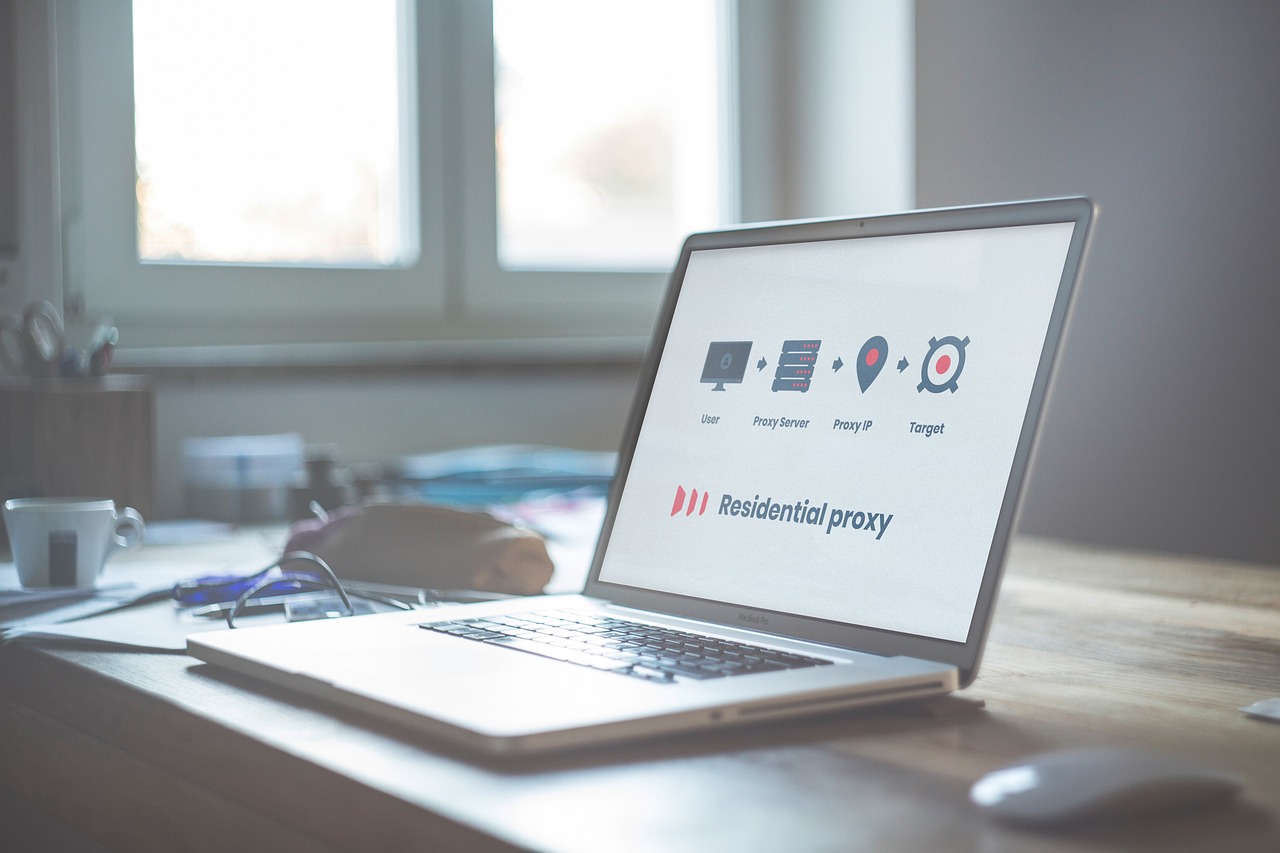
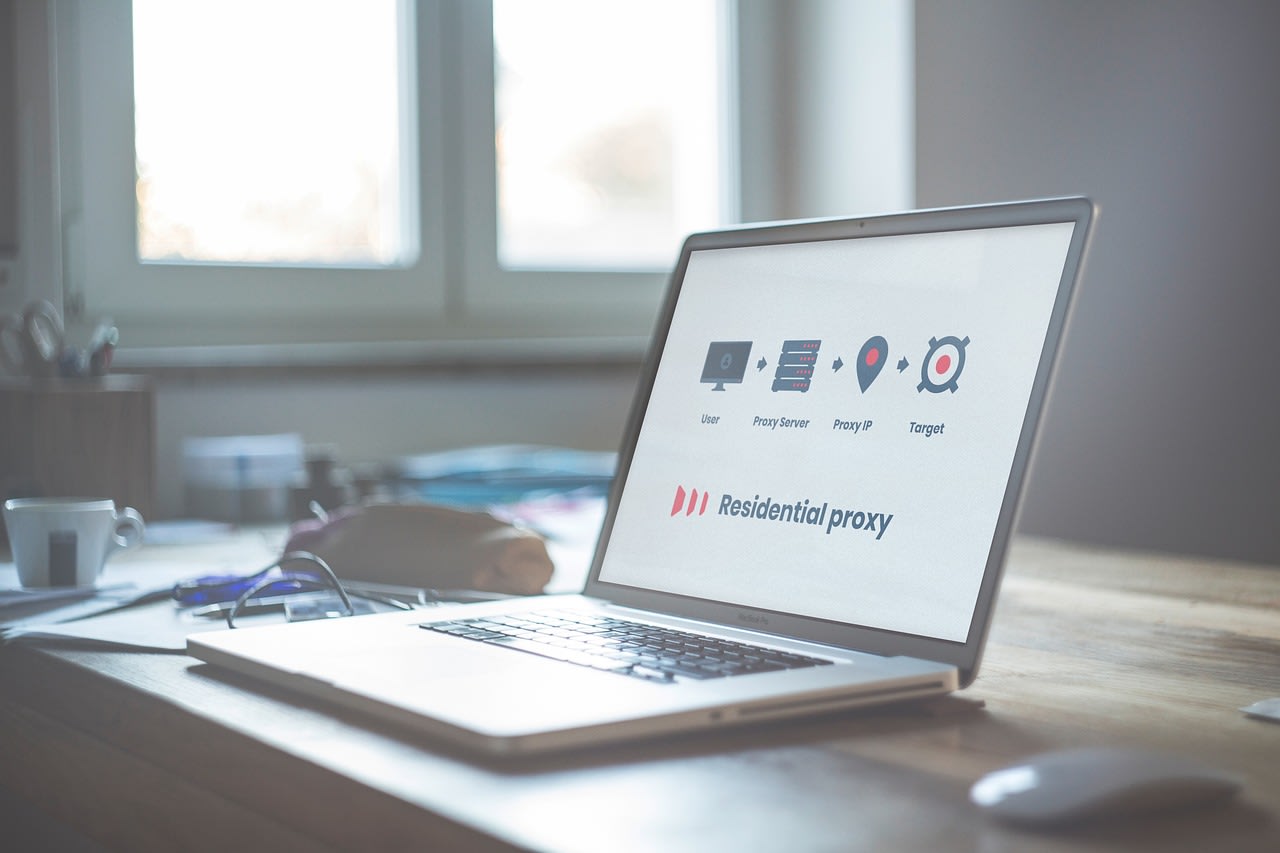
So, your first hurdle is seeing the real, local US price. A basic VPN might get you a US IP address, but sophisticated retailers now detect and block many data center VPN IP ranges. They're looking for signals that you're not a regular residential user. This is where residential proxies come in. These are real IP addresses from actual home internet connections, making your traffic look like it's coming from a house in Texas or California. It's the digital equivalent of having a friend check the price for you.
Automating the Hunt: From Manual Checks to Scraping Bots

Manually checking sites with a proxy is a start, but it's tedious. Deals can flash up and sell out in minutes. This is where automation—specifically, web scraping—becomes a data hoarder's best friend. The goal is to build or use a tool that automatically checks target retailer pages (Best Buy, Amazon US, B&H Photo, Newegg) for specific drive models, captures the price, and alerts you when it drops below a threshold you set.
You could try to build this yourself. It involves writing a script that uses a rotating pool of residential proxies to avoid IP bans, parses the HTML of the product page (which can change without warning), and handles CAPTCHAs and other anti-bot measures. It's a fun project, but also a part-time job in maintenance. For many, a dedicated scraping platform is a better fit. A service like Apify can handle the infrastructure headache—proxy rotation, browser emulation, and scheduling—letting you focus on the data. They have ready-made "actors" for many major retailers, or you can build a custom crawler.
Beyond Price: The Critical Data Points to Scrape
Price is king, but it's not the only factor. A smart scraper should collect more to avoid a costly mistake. First, the model number inside the external enclosure. For shuckers, not all 16TB Easystores are created equal. They might contain a WD White Label (good), a Red Plus (great), or an older SMR drive (avoid). The model number on the retail site sometimes hints at this, but more often, you need to track the manufacturer date or specific SKU revision based on community reports on r/DataHoarder.
Second, warranty information. Does the US warranty have international coverage? Often, it doesn't, which is a risk you accept. Third, shipping restrictions. Some retailers won't ship electronics internationally at all, or will cancel orders with a non-US credit card and shipping address. Your scraper or research needs to identify which stores are "friendly" to forwarders or international payment methods. Tools like automated scrapers can be configured to extract these exact fields from terms and conditions pages or product specs.
The Logistics: Getting Drives From There to Here
Let's say you find the deal. The 18TB WD Elements are $199.99 on Amazon US. How do you get them? You have a few paths, each with trade-offs.
Option 1: Package Forwarding Services. Companies like Shipito, MyUS, or Stackry provide you with a US address. You ship your order to them, they consolidate your packages, and forward them to you internationally. Pros: Relatively straightforward. Cons: Adds cost (shipping + service fees), and you now have multiple layers of handling for fragile electronics. Also, some retailers blacklist known forwarder addresses.
Option 2: Personal Courier (The "Fly There" Method). This is the OG move from our source story. You or a trusted friend physically buys and carries them back. Pros: Maximum control, minimal shipping risk, and sometimes you can claim VAT back when leaving the US. Cons: Obviously, the time and cost of travel only make sense for very large purchases.
Option 3: Group Buys. Organize with other local data hoarders to place one large order, splitting the forward shipping costs and potentially getting bulk discounts. This requires trust and coordination, but forums and Discord servers are great for this.
Essential Tools & Gear for the International Hoarder

If you're going to manage drives from around the world, your local toolkit needs an upgrade. A reliable USB 3.0 Hard Drive Docking Station is non-negotiable for quickly testing and formatting drives before they go into your array. You'll want a good Anti-Static Mat and Wrist Strap—handling multiple bare drives increases ESD risk. For power, a quality International Travel Power Adapter is crucial if you're testing US-purchased drives with their original power bricks on foreign voltage.
On the software side, tools like `smartctl` (for SMART data) and `badblocks` or the manufacturer's diagnostic software (like WD Dashboard or SeaTools) are your first line of defense. Test every drive thoroughly the moment you get it, before the return window closes.
Common Pitfalls and How to Dodge Them
I've seen people get burned. Here's how to avoid it.
Pitfall 1: Assuming All Drives Are Shuckable. Some newer external drives have the USB interface soldered directly to the main board, making recovery of the SATA drive impossible. Always check recent shucking reports for the exact model you're buying.
Pitfall 2: Ignoring Power Compatibility. A US-purchased drive's power supply is for 110V. Using a simple passive plug adapter in a 230V country will fry it. You need a voltage-converting transformer, or better, use a local 12V power supply with the correct barrel connector.
Pitfall 3: Warranty Voidance. Shucking almost always voids the manufacturer's warranty. If the drive fails in 11 months, you're likely out of luck. Factor this into your cost/risk calculation. Buying an extra drive as a cold spare isn't a bad idea.
Pitfall 4: Customs Charges. Your forwarded package will get hit with import duty and VAT when it enters your country. Don't think of it as avoiding tax; think of it as paying a lower base price plus tax. Calculate the total landed cost before you pull the trigger.
Is It Still Worth It in 2026?
The landscape is always shifting. As of 2026, the price differentials are still there, but they've narrowed slightly for some capacities. The rise of high-capacity SSDs is changing the market, but for cold storage, spinning rust still reigns supreme on a cost-per-TB basis.
The calculus depends entirely on your scale. For someone buying one or two drives, the hassle and risk probably outweigh the savings. But for the serious hoarder building or expanding a large array—the person with the 45-drive Supermicro chassis—the savings can still be substantial. We're talking hundreds, even thousands of dollars/euros/pounds.
The key is to work smarter, not harder. Use proxies to see the real market. Use scraping tools to automate deal discovery. Let technology do the globe-trotting for you. The spirit of the original post—the relentless pursuit of affordable storage—is alive and well. We just have better tools for the hunt now.
Your Action Plan for Global Drive Deals
Ready to start? Here's a concrete plan.
1. Identify Your Target. Decide on the drive model and capacity (e.g., "WD 18TB Elements").
2. Set Up Monitoring. Use a scraping tool or service to track prices on Amazon US, Best Buy, and B&H. Set a price alert for your target.
3. Secure a US Presence. Sign up for a reputable package forwarding service and get your US address.
4. Prepare for Payment. Ensure you have a payment method that works (some US sites accept international cards, others don't). A privacy.com-style card or PayPal can help.
5. Calculate the Real Cost. Use the forwarder's calculator to estimate shipping and your country's customs website to estimate duty/VAT. Know your "landed cost."
6. Pull the Trigger & Test Relentlessly. When the alert hits, buy. When the drives arrive, test them immediately and thoroughly.
It's a process. But for the true data hoarder, the process—the hunt, the optimization, the final addition of raw capacity to the array—is a big part of the joy. The community on r/DataHoarder gets that. And now, you've got a blueprint to do it effectively. Happy hunting.
