

Introduction: That Christmas Present Feeling
You know the feeling. That moment when you unbox a new piece of tech that's going to change your workflow. For data hoarders and web scrapers, it's not the latest smartphone or gaming console—it's infrastructure. It's racks, servers, or in this case, a shiny new proxy setup. The Reddit post that inspired this article showed exactly that: someone proudly sharing their "little Christmas present"—a proxy setup that would make any serious scraper drool. But here's the thing: buying proxies is easy. Using them effectively? That's where the real work begins.
In 2025, web scraping has become both more essential and more challenging. Websites have gotten smarter about detection, and the stakes are higher than ever. Whether you're gathering market research, monitoring prices, or building datasets for machine learning, your proxy strategy can make or break your entire operation. This guide isn't just about what proxies are—it's about how to use them like a pro. We'll cover everything from basic setup to advanced rotation strategies, all while keeping it real about what actually works.
Residential vs. Datacenter: The Eternal Debate
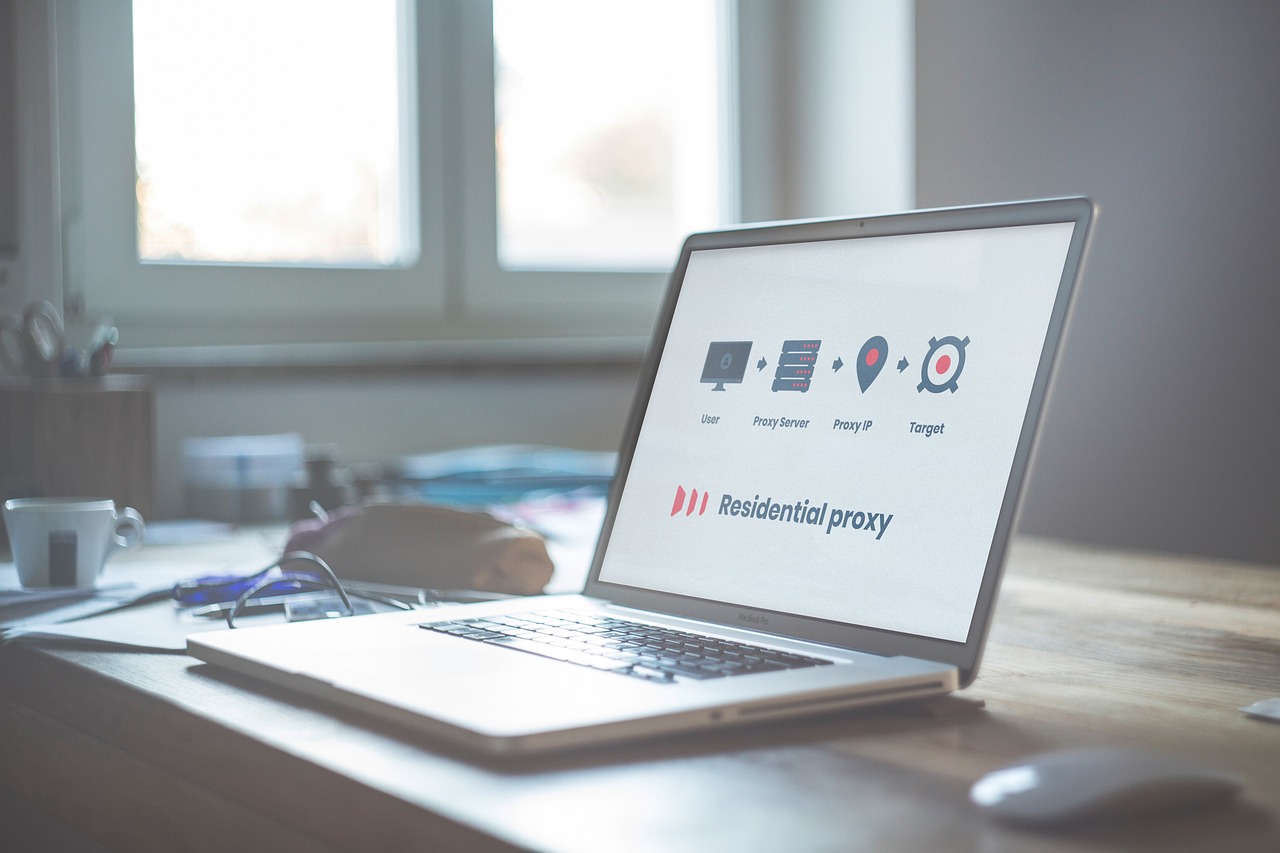
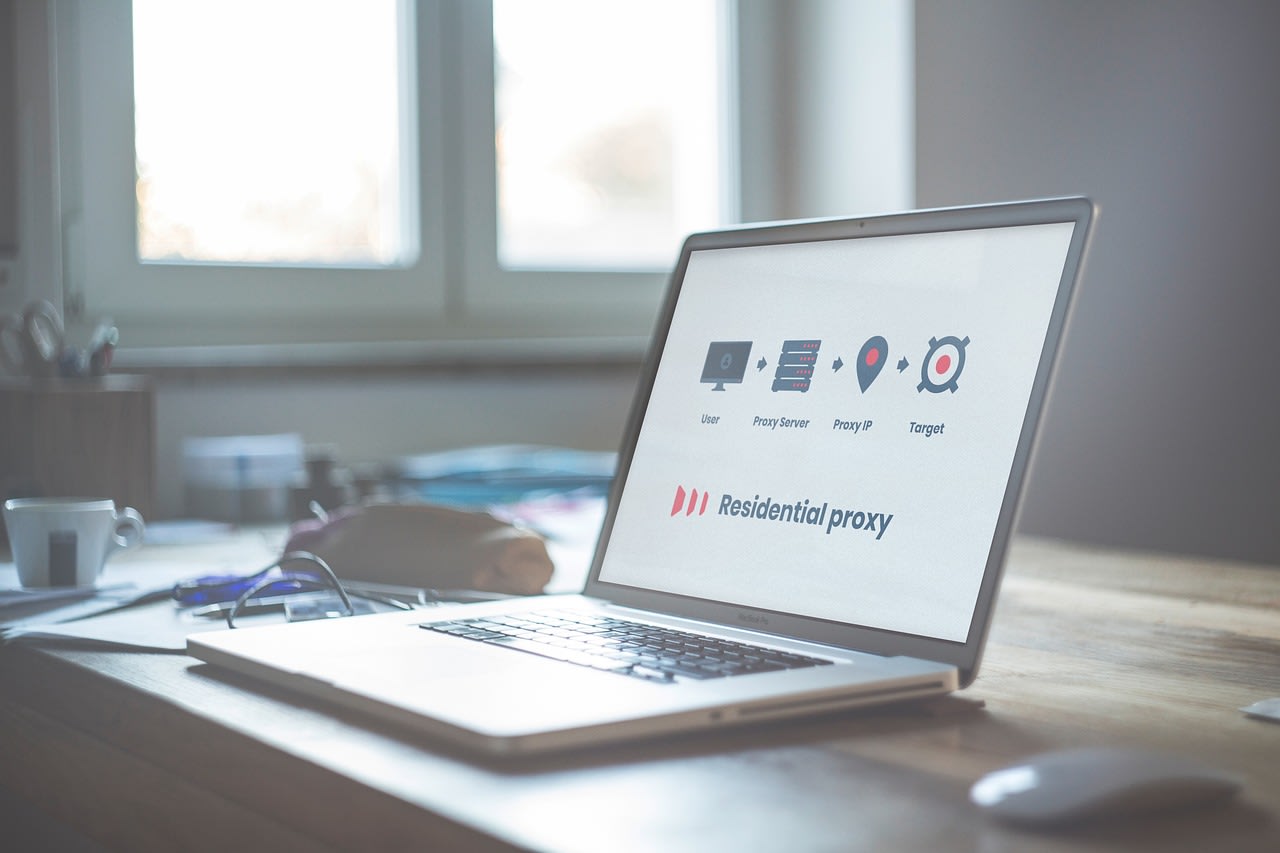
Let's start with the basics, because I still see people getting this wrong. Residential proxies come from actual ISP customers—real people's internet connections. They're the gold standard for avoiding detection because they look exactly like regular user traffic. Datacenter proxies, on the other hand, come from cloud servers and data centers. They're faster and cheaper, but easier to spot and block.
Now, here's what most guides don't tell you: in 2025, the line is blurring. Some residential proxy providers are actually using virtualized residential IPs that behave like residential but come from data centers. And some datacenter proxies have gotten so good at mimicking residential patterns that they slip through many detection systems. The key difference? Residential proxies generally have better success rates on tough targets like social media platforms, e-commerce sites with aggressive bot protection, and job boards. Datacenter proxies work fine for most other sites—and they won't break the bank.
From my experience, here's how I decide: if I'm scraping Amazon, LinkedIn, or Instagram, I go residential. If I'm scraping news sites, forums, or most informational websites, datacenter proxies do the job just fine. And honestly? I often use a mix. Critical targets get the residential treatment, while everything else runs on datacenter IPs. It's about balancing cost and effectiveness.
Rotation Strategies That Actually Work

This is where most beginners stumble. They buy proxies, plug them in, and wonder why they get blocked immediately. Proxies aren't a set-it-and-forget-it solution—they require intelligent rotation.
First, understand that websites track more than just IP addresses. They look at request patterns, headers, browser fingerprints, and timing. A rotating IP address with static everything else still looks suspicious. Your rotation strategy needs to consider several factors:
IP Rotation Frequency: How often should you switch IPs? There's no one-size-fits-all answer. For aggressive targets, you might need to rotate with every request. For more lenient sites, you can stick with the same IP for hundreds of requests. I generally start conservative and increase rotation frequency only when I hit blocks.
Session Management: Some actions require maintaining the same IP. If you're scraping a multi-step process (like searching, filtering, then viewing details), you need session persistence. Good proxy providers offer sticky sessions that keep you on the same IP for a defined period.
Geographic Targeting: This is huge in 2025. Want to see localized prices or content? You need proxies from specific countries or even cities. Most providers offer geographic filtering, but quality varies. Some claim to have UK proxies that are actually in Germany with UK IPs—and sites can tell the difference through latency and routing.
Here's a pro tip I've learned the hard way: don't just rotate IPs randomly. Create patterns that mimic human behavior. Humans don't make requests at perfectly spaced intervals. They pause, they browse, they click around. Add some randomness to your request timing and you'll fly under the radar much more effectively.
The Headers and Fingerprints Game
Okay, let's talk about the technical details most people ignore. Your IP address is just one piece of the puzzle. Websites use browser fingerprinting to detect bots, and if your headers don't match up, you're toast.
Browser fingerprints include things like your User-Agent string, screen resolution, timezone, language settings, and even font availability. When you're scraping, you need to manage all of these elements. A residential IP with a suspicious User-Agent (like one that doesn't match the browser version or OS) will still get flagged.
In 2025, the best practice is to use real browser profiles through tools like Puppeteer or Playwright, not just requests with faked headers. These tools give you actual browser instances with realistic fingerprints. Pair that with residential proxies, and you're essentially indistinguishable from a real user.
But here's the catch: running headless browsers at scale is resource-intensive. Each instance needs memory and CPU. This is where services like Apify's scraping infrastructure can save you headaches. They handle the browser management and proxy rotation, so you can focus on the data extraction logic rather than the infrastructure.
If you're rolling your own solution, at minimum make sure your User-Agents are current and match between requests. Use a pool of realistic ones, and rotate them along with your IPs. Don't forget about other headers too—Accept-Language, Accept-Encoding, and Referer headers all contribute to your fingerprint.
Scaling Without Getting Burned

So you've got your proxies working for small-scale scraping. Now you want to ramp up. This is where things get tricky, and where I've seen many projects fail.
Scaling isn't just about adding more proxies. It's about managing them intelligently. You need monitoring to detect when proxies go bad (and they will). You need retry logic for failed requests. You need to respect robots.txt and implement rate limiting—even with proxies, hammering a site with thousands of requests per second is a good way to get your entire IP range banned.
Here's my approach: start with a small test run. Maybe 100 requests across 10 proxies. Monitor success rates, response times, and error patterns. If you're getting 95%+ success, you can scale up gradually. If you're below 90%, figure out why before adding more capacity.
Another critical aspect: data validation. When you're scraping at scale, you need to verify that you're actually getting the data you expect. I've seen scrapers run for days only to discover they were getting error pages or captchas because a detection method changed. Build in checks—sample your output regularly, watch for changes in response size or structure, and set up alerts for when success rates drop.
For hardware, if you're managing this yourself, you'll want a reliable machine. I've had good experiences with Intel NUC Mini PC for smaller setups, or Dell PowerEdge Server for larger operations. Don't skimp on RAM—browser instances are memory hogs.
Cost Management and Budgeting
Let's talk money, because proxies aren't cheap—especially residential ones. I've seen projects blow through thousands of dollars in proxy costs because of inefficient setups.
First, understand pricing models. Most residential proxy providers charge by bandwidth (GB transferred). Datacenter proxies often charge by number of IPs or concurrent sessions. Some offer hybrid models. Your choice should depend on your use case: if you're scraping lots of text data, bandwidth pricing might work. If you're doing lots of requests to small pages, session-based pricing could be better.
Here are some cost-saving strategies that actually work:
Caching: If you're scraping the same data regularly, cache it locally. No need to re-scrape unchanged content.
Selective Residential Use: Only use residential proxies for targets that need them. Route everything else through cheaper datacenter proxies.
Traffic Optimization: Compress requests where possible. Don't download images or videos unless you need them. Use gzip compression in your requests.
Monitor Usage: Set up alerts when you hit certain usage thresholds. Nothing worse than a surprise $500 charge because your scraper went haywire.
And here's a controversial opinion: sometimes it's cheaper to hire someone. If you're doing a one-off scrape of a difficult target, it might be more cost-effective to hire a scraping expert on Fiverr than to buy proxies and build the infrastructure yourself. Especially if you're not planning to maintain the scraper long-term.
Legal and Ethical Considerations
I can't write about web scraping without addressing the elephant in the room: legality. In 2025, the legal landscape around scraping has evolved, and you need to be aware of it.
First, the basics: scraping publicly available data is generally legal in many jurisdictions, but there are exceptions. Terms of Service violations, bypassing technical protections (like CAPTCHAs), and scraping copyrighted content can all get you in trouble. The Computer Fraud and Abuse Act (CFAA) in the US and similar laws elsewhere are serious business.
My rule of thumb: if a site has a public API, use it. APIs are faster, more reliable, and legal. If you must scrape, respect robots.txt, implement reasonable rate limits, and don't overwhelm servers. Some sites explicitly prohibit scraping in their ToS—you need to decide if the risk is worth it.
Ethically, consider the impact of your scraping. Are you taking down someone's server with aggressive requests? Are you scraping content that creators rely on for income? There's a difference between scraping public data for research and systematically copying someone's entire database to compete with them.
Also, be transparent when possible. If you're scraping for academic research, many sites will work with you if you ask. If you're building a commercial product, consider data licensing instead of scraping. It's more expensive, but it's sustainable and ethical.
Common Mistakes and How to Avoid Them
After years of scraping and helping others with their setups, I've seen the same mistakes over and over. Here are the big ones:
Mistake #1: Not testing proxies before committing. Always test a small batch of proxies from a provider before buying in bulk. Test them on your actual target sites, not just generic "proxy checker" services.
Mistake #2: Using the same proxy configuration for everything. Different sites need different approaches. Social media needs residential proxies with good browser emulation. News sites might work fine with simple HTTP requests through datacenter proxies.
Mistake #3: Ignoring errors. Failed requests aren't just failures—they're signals. A sudden spike in 403 errors might mean you've been detected. 429 errors mean you're hitting rate limits. Monitor and respond to these.
Mistake #4: Scraping without a clear goal. "I want all the data" isn't a strategy. Define what you actually need, and scrape only that. It's faster, cheaper, and less likely to get you blocked.
Mistake #5: Not having a fallback plan. Proxies fail. Sites change. Your scraper will break eventually. Build in redundancy, have backup proxy providers, and design your system to handle failures gracefully.
Conclusion: Building Your Scraping Infrastructure
That "little Christmas present" of proxies is just the beginning. Building a reliable web scraping operation in 2025 requires understanding the full stack: from IP rotation to browser fingerprinting, from cost management to legal considerations.
The most successful scrapers I know treat it as an ongoing process, not a one-time setup. They monitor, they adapt, they optimize. They respect the sites they scrape while still getting the data they need. And they're always learning—because the detection methods keep evolving, and so must our approaches.
Start small. Test thoroughly. Scale gradually. And remember: the goal isn't to avoid detection forever—it's to gather the data you need efficiently and ethically. With the right proxy strategy and a thoughtful approach, you can build a scraping operation that lasts.
Now go set up those proxies properly. Your data is waiting.
