

The $10,000 Wake-Up Call: When Bulk Storage Goes Bad
Oof. That single word captures the visceral gut-punch every data hoarder fears. You know the feeling—that moment when you realize your carefully planned storage expansion has turned into a financial nightmare. In late 2025, one Redditor on r/DataHoarder shared exactly this experience after purchasing 52 Seagate 24TB Barracuda drives during Black Friday sales.
The numbers still make me wince: 15% failure rate straight out of the box. That's nearly 8 drives dead on arrival. The total cost to replace them with more reliable Western Digital 26TB Gold drives? An additional $10,000. But here's what really hurts—this isn't just about money. It's about trust in your infrastructure, the reliability of your data preservation, and the painful reality that sometimes, the deal that seems too good to be true actually is.
I've been building storage arrays for over a decade, and let me tell you—I've seen this movie before. The allure of massive capacity at bargain prices is powerful. But what happens when those drives start failing? What does it mean for your data integrity? And most importantly, how do you recover without losing everything you've worked to preserve?
Understanding the Barracuda vs. Gold Divide
Let's break down why this failure happened. The Seagate Barracuda drives mentioned in the original post are consumer-grade drives. They're designed for typical desktop use—maybe 8 hours a day, 5 days a week. They're not built for the constant, 24/7 operation that data hoarding demands.
Western Digital Gold drives, on the other hand, are enterprise-class. They're engineered for data centers, NAS systems, and yes—data hoarding setups. The difference isn't just marketing. Enterprise drives typically have:
- Higher MTBF (Mean Time Between Failures) ratings—2.5 million hours versus 600,000 for consumer drives
- Vibration resistance technology for multi-drive environments
- Better error recovery controls
- Longer warranties (5 years versus 2-3 years)
- TLER (Time-Limited Error Recovery) to prevent drive dropouts in RAID arrays
The original poster learned this the hard way. When you're pushing 52 drives in what I assume is a massive array, the vibrations alone can kill consumer drives. Heat becomes a major factor. Power cycling patterns matter. Everything that doesn't matter in a single desktop setup becomes critical at scale.
The Real Cost of Drive Failures
That $10,000 replacement cost? That's just the beginning. Let's talk about the hidden expenses that come with drive failures at this scale.
First, there's the time cost. Testing 52 drives individually takes days. Each drive needs burn-in testing—typically 48-72 hours of continuous read/write operations to catch early failures. That's 52 drives × 3 days = 156 days of testing if done sequentially. Even with parallel testing, you're looking at weeks of setup, monitoring, and verification.
Then there's the data migration headache. If you've already started loading data onto those Barracuda drives before discovering the failures, you're now facing a complex data shuffle. You need to evacuate data from failing drives, rebuild arrays, and hope your redundancy is sufficient. During this process, your entire storage system is vulnerable.
And let's not forget the emotional cost. There's nothing quite like the sinking feeling when you hear that distinctive click of death from multiple drives. The anxiety of wondering if your backups are current. The frustration of realizing your expansion timeline just got pushed back months.
Burn-In Testing: Your First Line of Defense
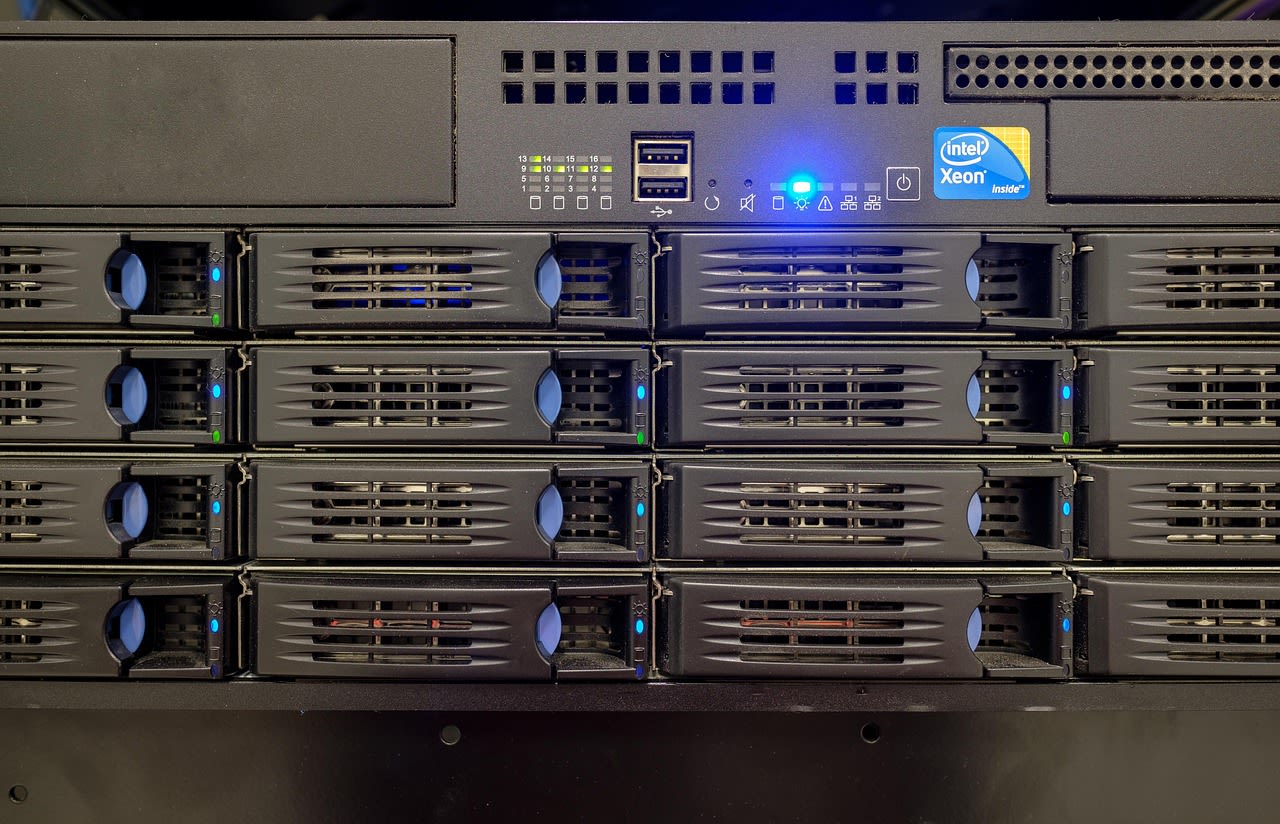
Here's where our original poster could have saved thousands: proper burn-in testing. When you're dealing with bulk purchases, especially of consumer-grade drives, you absolutely must test every single drive before trusting it with your data.
My testing regimen for new drives looks like this:
- Initial SMART check: Run a quick SMART status check to catch obvious manufacturing defects
- Full surface scan: Use tools like badblocks (Linux) or HDDScan (Windows) to check every sector
- Extended write test: Fill the drive completely, then verify every sector
- Temperature monitoring: Watch for drives that run significantly hotter than others
- Vibration check: Listen for unusual sounds during operation
This process takes time—about 3-4 days per drive. But here's the thing: most drive failures happen either immediately (infant mortality) or after years of use (wear-out). Burn-in testing catches the infant mortality. It's painful to wait, but it's less painful than discovering failures after you've built your array and loaded data.
For those managing dozens of drives, consider investing in dedicated testing hardware. Multiple drive docks, a testing server with many SATA ports, or even StarTech 4 Bay Hard Drive Docking Station can speed up the process significantly.
Scaling Strategies That Actually Work
Buying 52 drives at once is ambitious. Really ambitious. But it's not necessarily wrong—if you approach it correctly. Here's how I'd handle a purchase of that scale in 2026.
First, diversify your sources. Don't buy all 52 drives from the same retailer in the same batch. Drives from the same manufacturing batch often share the same defects. Spread your purchase across multiple retailers, multiple batches, and even consider mixing brands if your setup allows it.
Second, implement gradual deployment. Don't build your entire array at once. Start with a subset of drives—maybe 8 or 12. Build your initial array, test it under load, and monitor it for a month. Only then expand with additional drives. This staggered approach gives you time to catch patterns of failure.
Third, plan for redundancy beyond RAID. RAID is not backup—we all know this mantra. But when you're dealing with petabyte-scale storage, traditional backup becomes impractical. Instead, consider:
- Erasure coding with higher redundancy (like 8+3 instead of 8+1)
- Geographic distribution of critical data
- Cloud tiering for irreplaceable content
- Multiple independent arrays rather than one massive one
The Enterprise vs. Consumer Decision Matrix
So when should you spend the extra money on enterprise drives? Let me give you a simple framework.
Always choose enterprise drives when:
- You're building a 24/7 operational array
- You have more than 8 drives in a single enclosure
- Your data has significant replacement cost (research, personal media, etc.)
- Downtime would be catastrophic for your workflow
- You're using hardware RAID with battery-backed cache
Consumer drives might be acceptable when:
- You're building a cold storage archive (powered on only occasionally)
- You have robust, tested backups of everything on the array
- You're working with truly replaceable data (torrented media, cached web content)
- Budget constraints make enterprise drives impossible
- You're willing to accept higher failure rates and replacement costs
The original poster's move to WD Gold drives was absolutely the right call. Yes, it cost $10,000 more. But consider the alternative: continuing with drives that already showed a 15% failure rate. At that scale, you'd be replacing drives constantly. The Gold drives might cost more upfront, but their reliability will save money (and sanity) in the long run.
Monitoring and Maintenance at Petabyte Scale
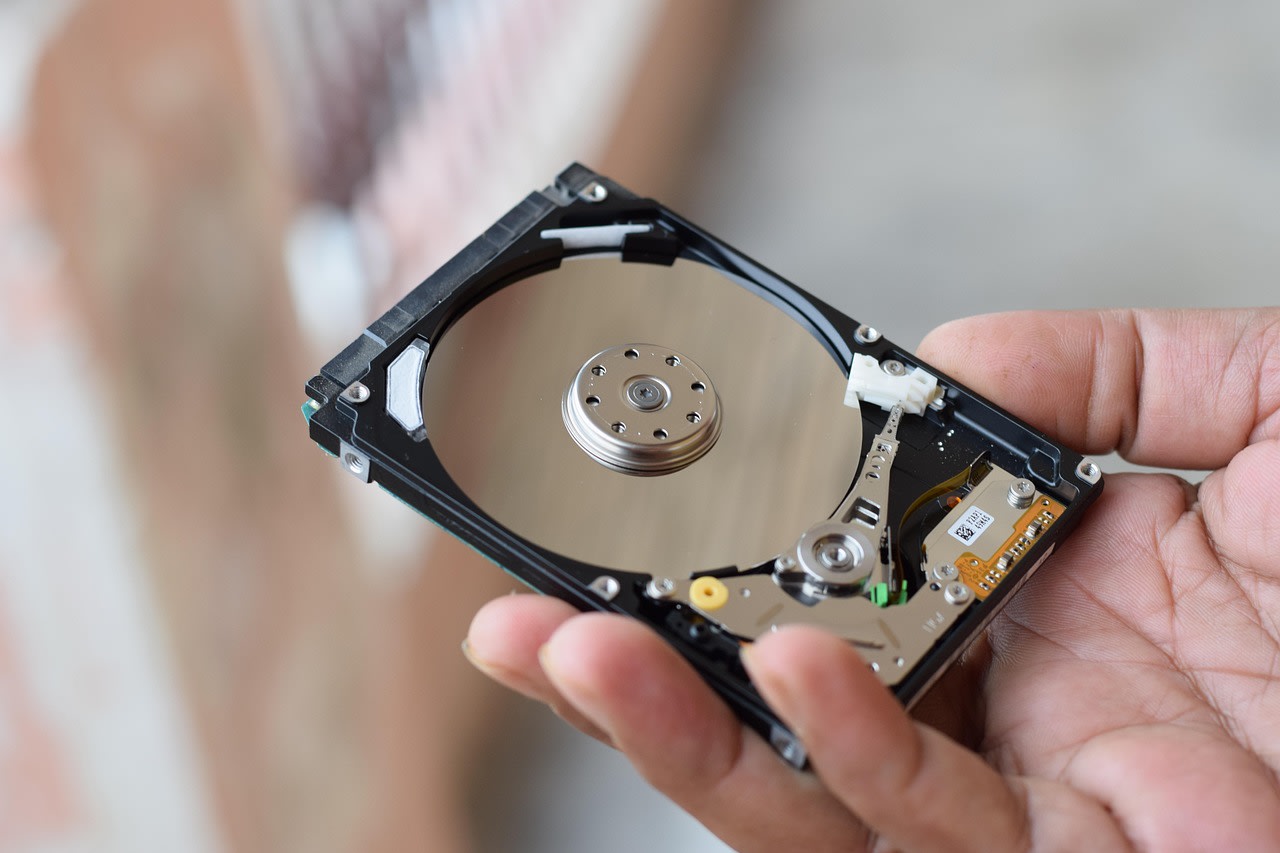
Once you've built your massive array, the work isn't over. Monitoring becomes critical. At petabyte scale, you can't manually check every drive.
I recommend setting up automated monitoring that includes:
- Daily SMART attribute tracking with threshold alerts
- Temperature monitoring with alerts for drives running outside normal range
- Performance degradation tracking (sudden drops in read/write speed)
- Regular scrub operations to catch silent data corruption
- Predictive failure analysis using tools that track SMART trends
For those not comfortable building their own monitoring stack, consider using automated monitoring solutions that can handle the data collection and alerting. The key is catching problems before they become catastrophes.
And don't forget about environmental factors. At 52 drives, you're generating significant heat. Proper cooling isn't optional—it's essential for drive longevity. Consider Server Cabinet Cooling Fans and temperature-controlled environments.
Learning From Others' Mistakes (So You Don't Repeat Them)
The r/DataHoarder community is full of hard-earned wisdom. After the original post went viral, hundreds of comments poured in with similar experiences and advice. Here are the key takeaways that everyone should remember:
1. Batch testing is non-negotiable. Multiple users reported similar failure rates with bulk Barracuda purchases. The consensus? Test every drive individually before deployment.
2. Price per TB isn't everything. That Black Friday deal looked amazing—until the failures started. When calculating storage costs, include expected failure rates and replacement costs.
3. Have a recovery plan before you need it. Know exactly how you'll handle drive failures. Which drives are hot-swappable? How long will rebuilds take? Where are your backups?
4. Document everything. Keep records of purchase dates, serial numbers, testing results, and failure history. This data is invaluable for spotting patterns and making warranty claims.
5. Consider professional help for large deployments. If you're out of your depth, hiring someone with enterprise storage experience might save you money in the long run.
The Future of Mass Storage in 2026
Looking ahead, what does this mean for data hoarders? The trend toward higher capacity drives continues—we're seeing 30TB+ drives entering the market. But capacity increases bring new challenges.
Rebuild times on 30TB drives can exceed a week. During that week, your array is vulnerable to additional failures. This makes drive reliability even more critical than before.
We're also seeing new technologies emerge. HAMR (Heat-Assisted Magnetic Recording) and MAMR (Microwave-Assisted Magnetic Recording) drives promise higher capacities but come with new potential failure modes. As early adopters, data hoarders will be the canaries in the coal mine for these technologies.
My advice? Wait for new technologies to mature. Let others work out the kinks. Stick with proven, reliable technology for your primary storage, and use newer, higher-capacity drives for archival purposes where redundancy is higher and access is less frequent.
Turning Pain Into Progress
That $10,000 lesson hurt. There's no sugarcoating it. But here's the silver lining: the original poster now has a more reliable, better-planned storage infrastructure. They've learned critical lessons about drive selection, testing, and scaling. And they've shared their experience so others can avoid the same mistakes.
Data hoarding is a marathon, not a sprint. The cheapest option today often becomes the most expensive option tomorrow. Reliability, redundancy, and proper planning might cost more upfront, but they save money, time, and data in the long run.
So the next time you see an amazing deal on high-capacity drives, remember this story. Do your research. Test thoroughly. Plan for failures. Because in the world of data preservation, the only thing more expensive than quality storage is losing everything you've worked to save.
Your data is worth protecting. Invest in the infrastructure it deserves, test everything, and never stop learning from the community's collective experience. The next petabyte you add will be more reliable because of lessons like this one.
