

The Complete 2026 Guide to Archiving a Performer's Entire Filmography
You're sitting there with a very specific research goal—maybe it's academic, maybe it's archival, maybe it's personal—and you need to compile everything a particular performer has ever appeared in. The problem? Their work is scattered across dozens of sites, under different names, with inconsistent metadata, and no central database has it all. Sound familiar? Welcome to the modern archivist's dilemma.
This isn't about casual browsing. This is about comprehensive collection. The kind where you want every scene, every photo set, every interview, every appearance. You want the complete picture. And in 2026, with content more fragmented than ever across subscription sites, tube sites, studio archives, and defunct platforms, that's become a significant technical challenge.
I've been down this rabbit hole myself—testing tools, hitting rate limits, dealing with broken metadata, and figuring out what actually works. This guide will walk you through the entire process, from ethical considerations to technical implementation, giving you a realistic roadmap for building that complete archive you're after.
Understanding the Modern Content Landscape
First things first: let's talk about why this is so difficult now. Back in the DVD era, you could theoretically buy every disc a performer appeared on. Today? Content exists in layers. There's the original studio releases (often behind paywalls), then the licensed content on tube sites (usually lower quality), then the pirated copies floating around, then the performer's own OnlyFans or similar content, then social media appearances, interviews, behind-the-scenes footage... you get the picture.
Major studios still control their back catalogs, but many performers have worked for multiple studios over their careers. Some studios have gone out of business, with their content now in legal limbo. Tube sites like Pornhub have purged unverified content, removing massive amounts of material. And performers themselves often rebrand, change names, or have stage names that differ from their legal names.
What this means practically: there is no single source of truth. You'll need to triangulate data from multiple sources, cross-reference information, and accept that some gaps might never be filled. That's just the reality of the landscape in 2026.
The Ethical Framework: Research vs. Piracy
Before we get technical, we need to address the elephant in the room. The original Reddit post mentioned a "major science project"—and that's exactly the mindset you should maintain. This isn't about free access to content; it's about preservation and research.
Ethically, there's a clear line between:
- Archiving metadata (titles, dates, co-stars, studios, scene descriptions)
- Collecting publicly available previews or trailers
- Downloading full content without permission or payment
My approach—and what I recommend—focuses on the first two. Metadata is generally considered fair use for research purposes. Previews and trailers are marketing materials meant to be freely distributed. The full commercial content? That's where you need to be careful, both legally and ethically.
Many performers in 2026 actually appreciate proper archiving of their work—it documents their career. Some even maintain their own archives. The key is respect: don't distribute, don't profit, and if possible, support the creators whose work you're studying.
Building Your Source List: Where to Look
Okay, let's get practical. Where do you actually find this information? You'll need a multi-pronged approach:
Primary Metadata Sources
IAFD (Internet Adult Film Database): Still the gold standard in 2026, though not perfect. It's community-edited, so quality varies. Great for mainstream performers, less reliable for niche or newer talent. Cross-reference everything you find here.
Adult Film Database sites: There are several specialized databases that focus on particular niches or regions. These often have information that IAFD misses, especially for non-US performers or specific fetish categories.
Studio websites: Major studios maintain their own catalogs. These are authoritative for that studio's releases but obviously don't cover work done for competitors.
Secondary & Corroborating Sources
Tube site profiles: Sites like Pornhub, XVideos, and others have performer profiles that aggregate their content. The metadata is often messy, but the volume can be helpful for discovery.
Review sites and blogs: Niche review sites often have detailed scene breakdowns that include information missing from mainstream databases.
Social media and performer sites: Many performers list their filmography on their official websites or social media profiles. This is particularly true for performers who have transitioned to directing or producing.
The strategy here is simple: collect from everywhere, then deduplicate. You'll find the same scene listed with three different titles, two release dates, and conflicting co-star information. That's normal. Your job is to sort through the noise.
The Technical Toolkit: Scraping and Automation
Now for the fun part—actually gathering this data at scale. Manually clicking through hundreds of pages isn't feasible. You need automation.
Browser Extensions and Simple Tools

For beginners, start with tools that don't require programming:
Web Scraper (Chrome extension): This point-and-click tool lets you create sitemaps for sites and extract data. It's perfect for structured sites like IAFD where you want to scrape a performer's filmography page. You can set it to follow pagination, extract titles, dates, and other metadata, and export to CSV.
Instant Data Scraper: Another extension that works well for simpler sites. It's less powerful than Web Scraper but easier for one-off jobs.
These tools hit their limits quickly with complex sites or when you need to scrape multiple sources. But they're a great starting point.
Python and Custom Scripts
For serious archiving, you'll eventually need to write code. Python is the go-to language for this in 2026, with libraries that make scraping relatively straightforward:
BeautifulSoup + Requests: The classic combination for static sites. If the data is in the HTML, this will get it. I've used this to scrape thousands of pages from database sites.
Selenium/Playwright: For JavaScript-heavy sites or sites that require login. These tools control an actual browser, so they can handle complex interactions. They're slower but necessary for many modern sites.
Scrapy: A full framework for large-scale scraping projects. There's a learning curve, but if you're building a system to scrape multiple sites regularly, it's worth the investment.
Here's the reality: most adult sites in 2026 have anti-scraping measures. You'll encounter rate limiting, CAPTCHAs, and IP bans. Which brings us to...
Overcoming Technical Challenges
This is where most projects stall. You write a scraper, it works for 50 pages, then you get blocked. Here's how to handle the common issues:
Rate Limiting and IP Blocks
Sites can detect scraping by request patterns. The solution? Slow down. Add random delays between requests. Use rotating user agents. And most importantly, use proxies.
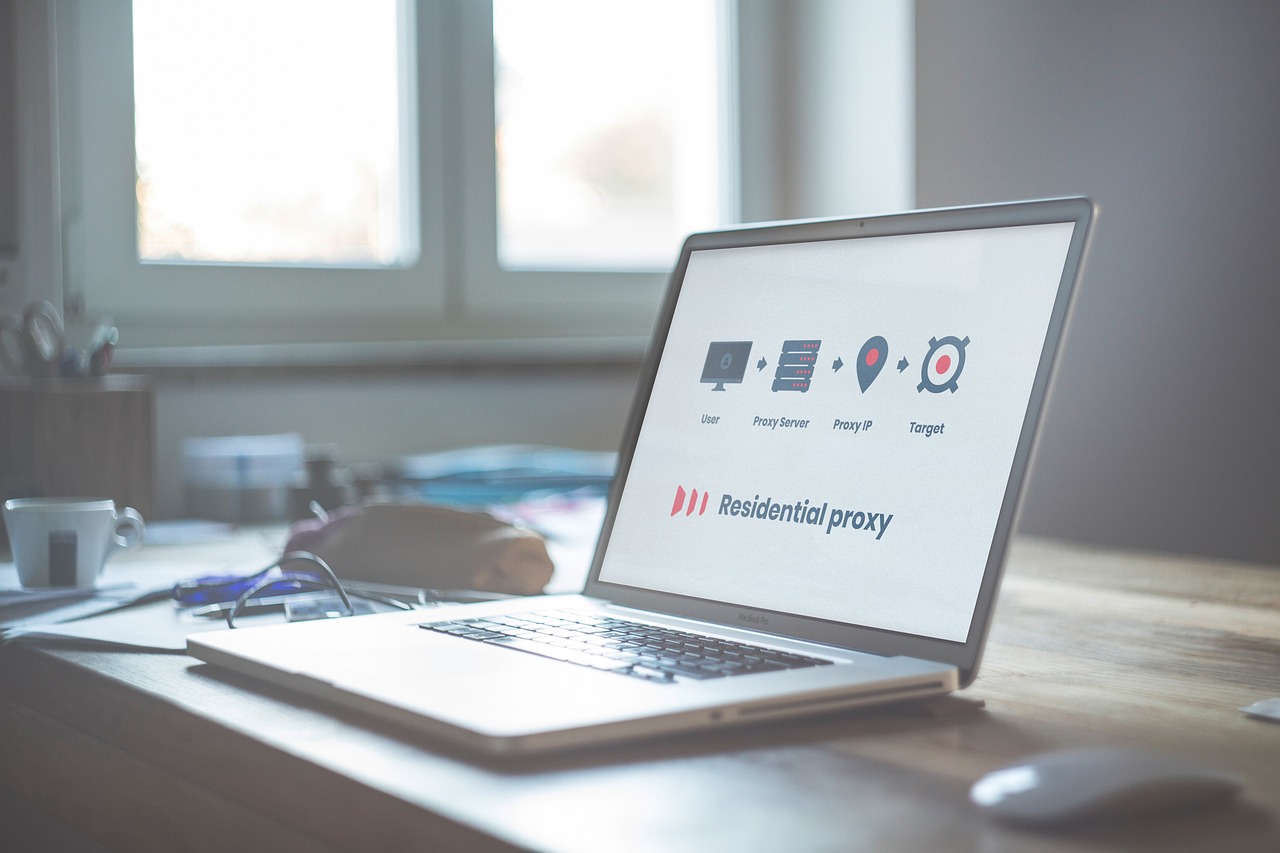
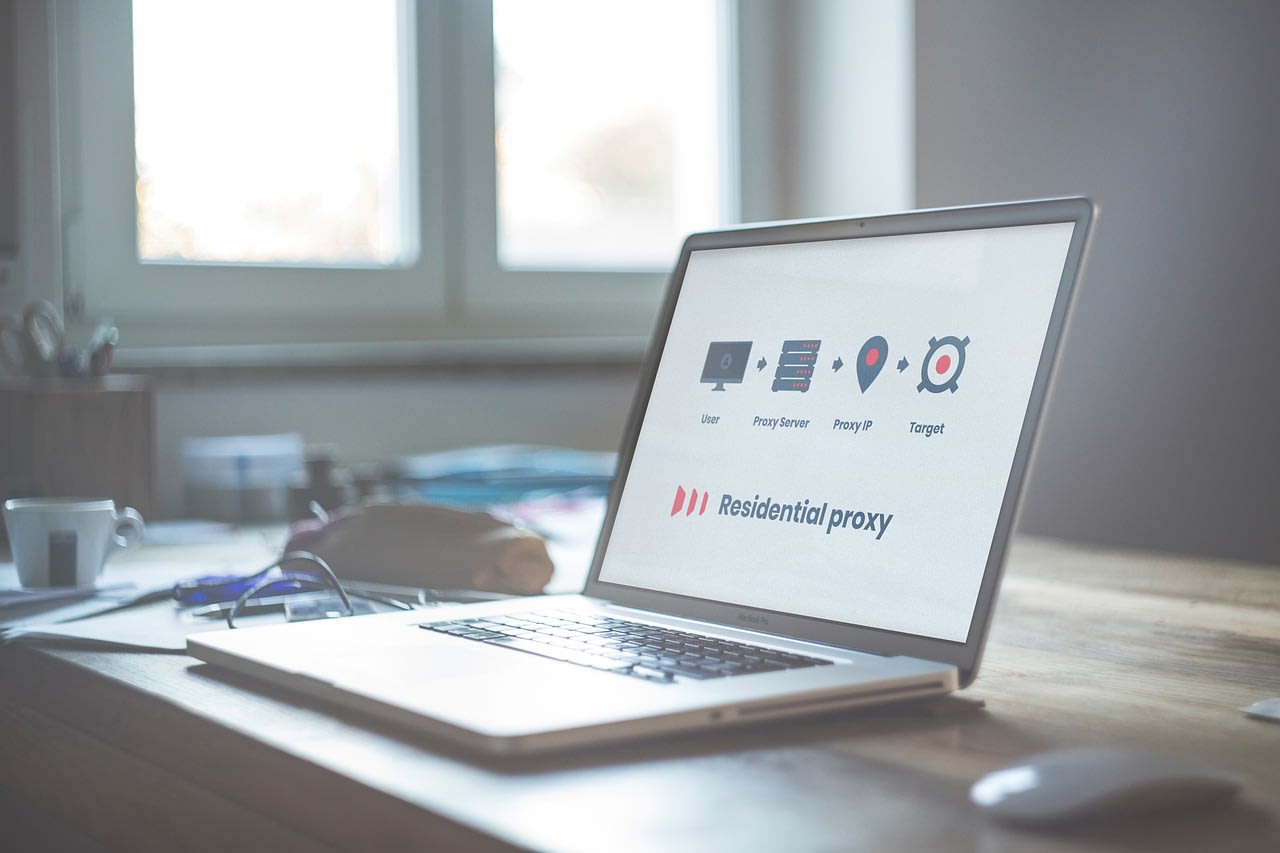
Residential proxies are best for this kind of work—they look like regular user traffic. Services like Apify's proxy rotation can handle this infrastructure for you, which is worth considering if you're doing this at scale. Managing your own proxy pool is a headache most people don't need.
CAPTCHAs and JavaScript Challenges
More sites are implementing these. For CAPTCHAs, services like 2Captcha or Anti-Captcha can solve them automatically (for a cost). For JavaScript challenges, you need headless browsers like Puppeteer or Playwright that can execute JavaScript.
The tricky part: some sites serve different content to headless browsers. You might need to mimic a real browser more closely by setting viewport sizes, installing extensions, or even using tools that control actual browser instances.
Data Quality and Consistency
This is the silent killer of archiving projects. You'll get dates in different formats (MM/DD/YYYY, DD-MM-YYYY, YYYY-MM-DD). Titles with special characters encoded differently. Performers listed as "Jane Doe" on one site and "Jane_Doe" on another.
My solution: normalize early and often. Convert all dates to ISO format (YYYY-MM-DD) as soon as you scrape them. Remove special characters from names. Create a mapping file for known aliases. This cleanup work is tedious but essential.
Organizing Your Archive: Beyond the Spreadsheet
You've collected thousands of entries. Now what? A CSV file with 5,000 rows is useless if you can't find anything.
Database Structure
For any serious archive, you need a proper database. SQLite is perfect for personal projects—it's a single file, requires no server, and supports complex queries.
Your schema should include:
- Performers table (with aliases and known name variations)
- Scenes table (title, description, date, studio)
- Scene-Performers junction table (many-to-many relationship)
- Sources table (where you got each piece of information)
- Media table (if you're tracking actual files)
This structure lets you answer questions like "What scenes did these two performers do together?" or "How many scenes did she do in 2023?"
Media Organization
If you're archiving actual media files (within ethical boundaries, of course), naming and organization matter. I use this pattern:
YYYY-MM-DD - Studio - Scene Title [Performers] [Resolution].ext
Example: 2024-06-15 - Brazzers - Office Seduction [Angela White, Johnny Sins] [1080p].mp4
This keeps everything chronological and searchable. Tools like FileBot can help automate renaming, though they work better with mainstream movies than adult content.
For physical storage, consider a NAS (Network Attached Storage) system. The Synology 4-bay NAS offers good value for home archiving, with redundancy to protect against drive failure. Because if you're going to spend hundreds of hours building this archive, you don't want to lose it to a dead hard drive.
Common Pitfalls and How to Avoid Them
I've made most of these mistakes so you don't have to:
Starting too broad: Don't try to scrape every site at once. Pick one reliable source (IAFD is good), get that working perfectly, then add additional sources. Each site will have its own quirks.
Ignoring duplicates: Early on, you'll think "I'll just remove duplicates later." Later never comes. Deduplicate as you go, using a combination of title similarity, date matching, and performer lists.
Underestimating storage: Even if you're just archiving metadata, a complete filmography for a prolific performer can be surprisingly large. Add thumbnails or previews, and you're looking at gigabytes. Plan your storage accordingly.
Legal overreach: Different countries have different laws about adult content archiving. In the US, metadata is generally safe; actual content is trickier. When in doubt, consult legal resources or focus on the metadata side.
Technical debt: That quick script you wrote to parse one site? It'll break when the site updates its layout. Document your code, write tests where possible, and assume everything will change.
When to Hire Help vs. DIY
This project can quickly become a part-time job. At some point, you might consider bringing in help.
For one-off scraping jobs of specific sites, you can find freelancers on platforms like Fiverr who specialize in web scraping. Be specific about what you need—provide example pages, list the data points, and clarify the scale. Expect to pay $100-500 for a custom scraper, depending on complexity.
For ongoing maintenance or particularly tricky sites (those with advanced anti-bot measures), you might need more specialized help. There are developers who focus specifically on scraping adult sites—they know the particular challenges.
But here's my advice: learn the basics yourself first. Even if you eventually hire someone, understanding the process will help you communicate what you need and evaluate their work. Start with simple Python scripts, get them working on easy sites, then scale up.
The Human Element: Respecting the Subject
This is the most important section. You're not just collecting data about fictional characters—you're documenting the work of real people.
Many performers in 2026 are surprisingly accessible. Some maintain their own filmographies. Some appreciate when fans accurately document their work (as opposed to misattributing scenes or spreading misinformation).
If you're doing this as a fan project, consider reaching out respectfully. Some performers sell autographed filmography lists or have official archives. Supporting them directly is often the most ethical approach.
Also remember: performers retire, change careers, or pass away. An archive can serve as historical preservation of their work. Several academic institutions now study adult film history, and properly organized archives have real research value.
I've seen collectors become unofficial historians for retired performers, helping correct misinformation and preserve their legacy. That's a far cry from just hoarding files.
Putting It All Together: A Real-World Workflow
Let's walk through what this actually looks like in practice:
Phase 1: Research (Week 1-2)
Identify the performer. List all known aliases. Search each name across IAFD, tube sites, studio sites. Create a master list of potential sources. Estimate scale: is this 100 scenes or 1,000?
Phase 2: Technical setup (Week 3)
Set up your database schema. Write your first scraper for the most reliable source. Implement rate limiting and error handling. Test on a small subset.
Phase 3: Initial collection (Week 4-6)
Run your scrapers. Monitor for blocks or errors. Begin normalizing data as it comes in. Back up regularly.
Phase 4: Gap filling (Week 7-8)
Identify missing information. Write additional scrapers for secondary sources. Manual research for hard-to-find items.
Phase 5: Organization and cleanup (Ongoing)
Deduplicate. Fix inconsistencies. Add thumbnails or metadata if desired. Create reports or summaries.
Realistically, a comprehensive archive for a prolific performer takes 2-3 months of part-time work. Less active performers might take a few weeks.
Looking Forward: The Future of Adult Content Archiving
As we move deeper into the 2020s, several trends are emerging:
Blockchain and content verification: Some studios are experimenting with blockchain to verify authenticity and ownership. This could actually make archiving easier in the future—imagine being able to query a decentralized database for all verified appearances.
AI-powered identification: Tools that can identify performers in scenes automatically are getting better. In a few years, you might be able to point an AI at unknown content and get reliable identifications.
Increased fragmentation: The trend toward creator-owned platforms (OnlyFans, Fanvue, etc.) means more content is locked behind individual paywalls. This makes comprehensive archiving harder but increases the value of what is publicly available.
Academic interest: More universities are studying adult film history, creating demand for well-organized archives. Your personal project might have more value than you think.
The tools and techniques will evolve, but the core principles won't: respect the subjects, document thoroughly, organize thoughtfully, and preserve for the future.
Your Next Steps
So where do you start? Pick one performer you're interested in. Not the most prolific one—pick someone with a moderate filmography (50-100 scenes).
Start manually. Go to IAFD, copy their filmography into a spreadsheet. Notice the patterns—how dates are formatted, how performers are listed, what information is included.
Then try automating just one part. Maybe write a Python script that scrapes just the titles and dates. Get that working. Then add another data point. Then add another source.
You'll hit problems. Your script will break. You'll get blocked. That's normal. The Reddit DataHoarder community is full of people who've faced these same issues—search their archives, ask specific questions.
Remember: this is a marathon, not a sprint. The most impressive archives weren't built in a week. They were built through consistent effort over months or years.
And maybe—just maybe—what starts as a "major science project" becomes something more: a valuable historical record, a tribute to a performer's career, or the foundation for genuine research. In a digital age where content disappears daily, that's work worth doing.
Now go build your archive. Start small, think big, and document everything. The future historians will thank you.
