

The Quiet Revolution in Deal Hunting: When PricePerGig Added Overclockers UK
You know that feeling. You're building out your storage array, planning a new server, or just hunting for that perfect component deal. You check your usual sites, but there's always that nagging doubt—did you miss a better price somewhere else? In early 2026, when the developer behind PricePerGig.com announced they'd added Overclockers UK to their comparison engine, the DataHoarder community took notice. Not with fireworks, but with that quiet nod of appreciation that says, "Finally, someone gets it."
This wasn't just another retailer added to a list. It represented something deeper—the ongoing battle between data hoarders trying to maximize their storage-per-dollar ratio and the technical infrastructure needed to make that possible. The original Reddit post, with its 418 upvotes and 78 comments, wasn't celebrating a feature. It was celebrating a victory in a much larger war: the war against fragmented pricing data across dozens of retailers.
What most users see is a simple price comparison. What's actually happening behind the scenes is a sophisticated web scraping operation that has to navigate anti-bot measures, constantly changing website structures, and the sheer scale of tracking thousands of products across multiple regions. When the developer mentioned "next up will hopefully be newegg," they weren't just talking about adding a link. They were talking about solving an engineering problem that gets harder with every major retailer added.
Why Retailer-Specific Scraping Is a Technical Minefield
Let's get one thing straight: scraping Overclockers UK isn't the same as scanning Amazon or Newegg. Every major retailer has their own unique website architecture, their own anti-scraping measures, and their own way of presenting product data. Some use JavaScript-heavy single-page applications. Others rely on traditional server-rendered HTML. A few are moving toward GraphQL APIs that require specific queries.
When the PricePerGig developer said they'd purchased from Overclockers "many times over the years," that personal experience matters. It means they understand the retailer's quirks—how they categorize storage drives, when they run sales, even how they handle out-of-stock items. That institutional knowledge translates directly to more accurate scraping logic.
But here's where it gets tricky. Retailers don't want to be scraped. They implement rate limiting, CAPTCHAs, IP blocking, and increasingly sophisticated bot detection. A naive scraper hitting Overclockers UK every minute for price updates would get banned within hours. Maybe less. The solution? Distributed scraping with proper proxy rotation, realistic request patterns, and sometimes even browser automation to mimic human behavior.
I've built scrapers for a dozen retailers over the years, and I can tell you: the difference between a scraper that works today and one that works tomorrow is often just one website update. A class name changes. A data attribute moves. An API endpoint gets deprecated. Maintaining these scrapers is a constant game of cat and mouse.
The Proxy Problem: How to Scrape Without Getting Blocked
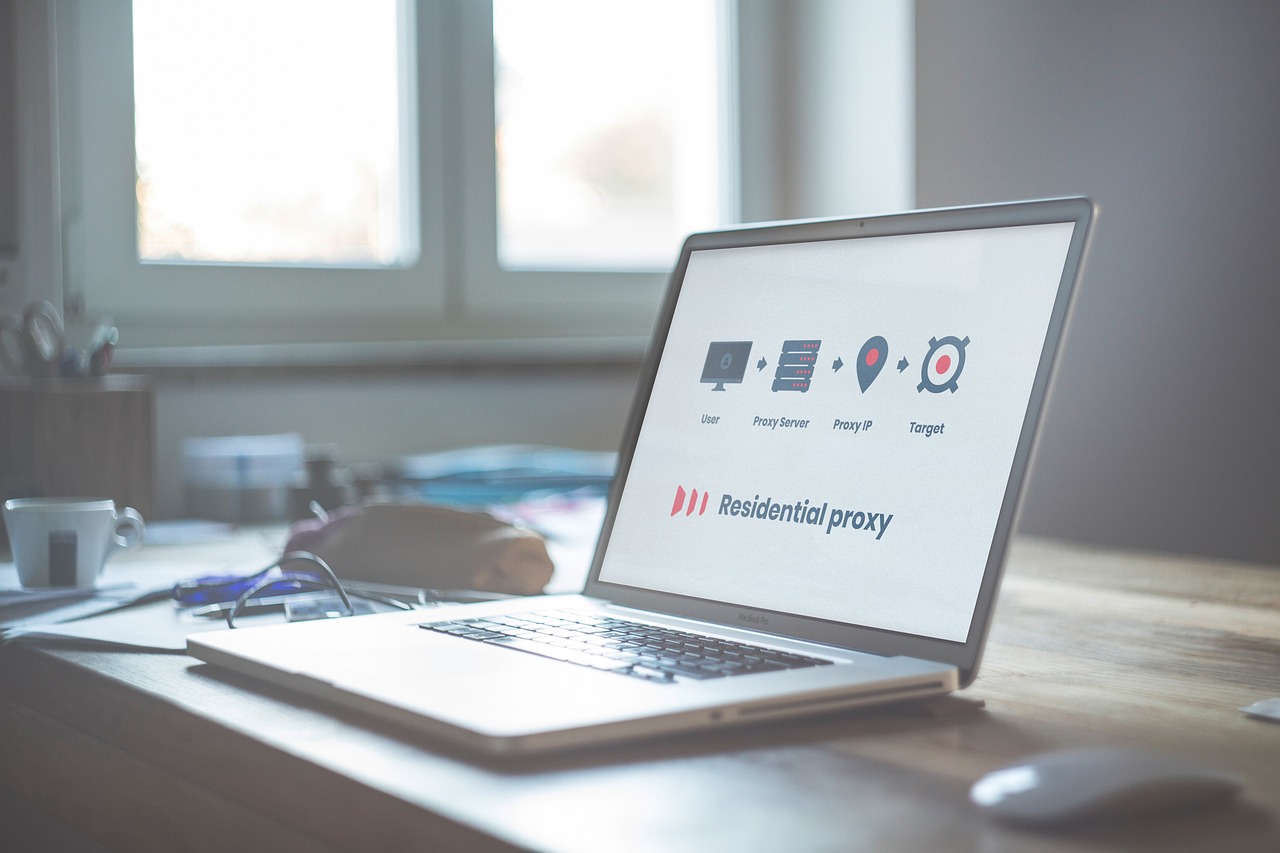
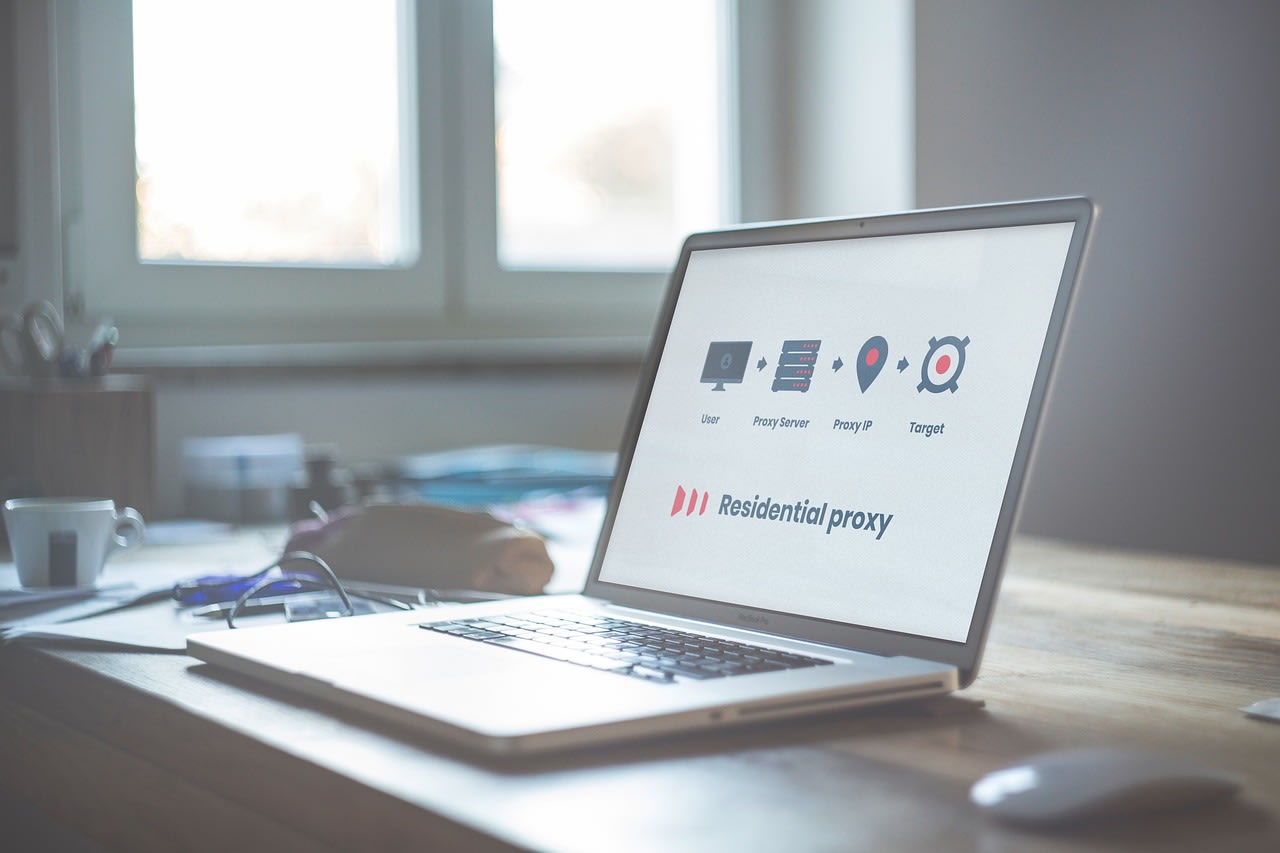
This is where most hobbyist scrapers fail. They use their home IP address, get detected, and find themselves blocked. For a service like PricePerGig that needs to scrape multiple retailers continuously, a robust proxy strategy isn't optional—it's the foundation of the entire operation.
Residential proxies work best for mimicking real users, but they're expensive. Datacenter proxies are cheaper but easier to detect. Some retailers have gotten sophisticated enough to fingerprint browsers, track mouse movements, and analyze request timing patterns. Beating these systems requires more than just rotating IPs.
In my experience, successful large-scale scraping in 2026 requires:
- Geographically distributed proxies that match where real customers would browse from
- Request throttling that mimics human reading speeds (no one scans 100 products in 2 seconds)
- Browser fingerprint rotation using tools that can mimic different devices and browsers
- CAPTCHA solving services for when you do get caught (though this should be a last resort)
The comment in the original thread about "server part deals has halted" hints at this challenge. When you're dealing with enterprise-level scraping, sometimes negotiations with retailers happen. Some provide official APIs. Others might tolerate scraping if it's done respectfully. But most just see it as unwanted traffic.
Data Normalization: The Hidden Challenge Nobody Talks About

Here's something most price comparison sites don't want you to know: comparing prices across retailers is harder than just extracting numbers. Much harder.
Take a simple 8TB hard drive. Overclockers UK might list it as "Seagate IronWolf 8TB NAS Hard Drive." Amazon might have "Seagate IronWolf 8TB Internal Hard Drive HDD." Newegg could show "Seagate IronWolf ST8000VN004 8TB 7200 RPM." Are these the same product? Probably. But to a computer, they're three different strings.
PricePerGig.com's entire value proposition depends on solving this matching problem accurately. They need to:
- Extract product titles, descriptions, and specifications from each retailer
- Normalize this data into a consistent format
- Match products across retailers using model numbers, specifications, or fuzzy matching
- Track prices over time to show historical trends
And they have to do this for thousands of products, updated multiple times per day. When users in the original thread requested specific retailers, they weren't just asking for more links. They were asking for this entire normalization pipeline to be extended to new data sources.
The developer's personal experience with Overclockers UK gives them an advantage here. They know how Overclockers structures product pages, what information they include, and where to find model numbers. That domain knowledge cuts development time significantly.
Building Your Own Scraper: Practical Considerations for 2026
Maybe you're thinking, "I should build my own scraper for my specific needs." I've been there. Before services like PricePerGig existed, I built custom scrapers for my own deal hunting. Here's what I learned the hard way.
First, decide your scope. Are you tracking 10 products or 10,000? The infrastructure needed differs dramatically. For small-scale personal use, you might get away with a simple Python script using BeautifulSoup or Scrapy. But once you scale up, you need to think about:
- Error handling (websites go down, structures change)
- Data storage (SQLite for small projects, PostgreSQL for larger ones)
- Scheduling (cron jobs vs. proper task queues)
- Monitoring (alerting when scrapers fail)
Second, respect robots.txt. I know, I know—everyone ignores it. But some retailers are more aggressive than others about enforcement. Overclockers UK's robots.txt as of 2026 is fairly standard, but Newegg's has specific disallow rules for certain paths. Violating these can get your IPs banned faster.
Third, consider using a managed scraping platform if this isn't your core competency. Platforms like Apify handle the proxy rotation, CAPTCHA solving, and scaling for you. You pay for the convenience, but for business use, it's often worth it. Their ready-made scrapers for e-commerce sites can save weeks of development time.
The Legal Gray Area of Price Scraping
Nobody wants to talk about this, but we should. Web scraping exists in a legal gray area. In the United States, the Computer Fraud and Abuse Act (CFAA) has been interpreted in various ways by different courts. The 2022 hiQ Labs v. LinkedIn case provided some clarity, but the landscape keeps evolving.
In the European Union, the situation is different again. GDPR affects what data you can collect and store, even if it's publicly available. And the UK, post-Brexit, has its own developing framework.
When PricePerGig scrapes Overclockers UK, they're likely operating under the assumption that price information isn't copyrighted and that their scraping doesn't harm the retailer's operations. But it's not black and white. Some retailers have successfully sued scrapers for terms of service violations or alleged computer intrusion.
My approach? Be respectful. Don't hammer servers. Cache data when possible. And consider that sometimes, the best approach is to ask. The original thread mentioned "discussions with server part deals has halted"—suggesting the developer was actually talking to retailers about official access. That's the ideal scenario, even if it doesn't always work out.
What Data Hoarders Really Want (Beyond Just Prices)

Reading through the original 78 comments on the DataHoarder thread revealed something interesting. Users weren't just asking for more retailers. They had specific, nuanced requests that show how sophisticated this community has become.
Several users wanted historical price tracking—not just current prices, but trends over time. When does Overclockers UK typically run sales? What's the price history of that 16TB drive you've been eyeing? This requires storing data long-term and presenting it usefully.
Others wanted better filtering. Not just price per gigabyte, but sorting by specific use cases: NAS drives versus desktop drives, SMR versus CMR technology, warranty length, or even noise levels. This means scraping more than just prices—it means extracting specifications, reviews, and technical details.
A few commenters mentioned regional availability. Overclockers UK ships primarily within the UK. Newegg serves multiple countries. Amazon's availability varies by region. For data hoarders outside major markets, knowing whether a deal is actually available to them matters more than the raw price.
These requests highlight the evolution of price comparison. It's not just about finding the lowest number anymore. It's about finding the right product at the right time from a retailer that can actually deliver it to you.
The Future of Automated Deal Hunting
Where is this all heading? Based on what we're seeing in 2026, I think we're moving toward more intelligent, personalized deal tracking.
Imagine a system that knows your storage needs, your preferred retailers, your budget, and your location. It monitors not just prices but stock levels, shipping times, and even user reviews about reliability. When that perfect deal appears—the right drive at the right price from a retailer that ships to you—it alerts you immediately.
We're also seeing more retailers fight back with dynamic pricing that changes based on demand, time of day, or even the user's browsing history. Beating these systems requires more sophisticated scraping that can detect patterns rather than just reading numbers.
And then there's the AI angle. Machine learning models that can predict price drops based on historical data, seasonal trends, or even competitor movements. These systems don't just report deals—they anticipate them.
For the average data hoarder, this means better tools are coming. But it also means more complexity behind the scenes. The simple scraper that worked in 2024 might not cut it in 2026.
Getting Started: Your First Price Tracking Script
Want to dip your toes in? Let me walk you through a simple, respectful scraper for tracking a single product. We'll use Python because it has the best scraping libraries, but the principles apply to any language.
First, install the basics:
pip install requests beautifulsoup4Now, here's a minimal example that checks a product price on Overclockers UK:
import requests
from bs4 import BeautifulSoup
import time

headers = {
    'User-Agent': 'Mozilla/5.0 (Windows NT 10.0; Win64; x64) AppleWebKit/537.36',
}

# Always check robots.txt first
url = "https://www.overclockers.co.uk/some-product-page"

try:
    response = requests.get(url, headers=headers, timeout=10)
    response.raise_for_status()

    soup = BeautifulSoup(response.content, 'html.parser')

    # You'll need to inspect the page to find the right selectors
    price_element = soup.find('span', {'class': 'price'})

    if price_element:
        price_text = price_element.text.strip()
        print(f"Price found: {price_text}")
    else:
        print("Price element not found")

except requests.exceptions.RequestException as e:
    print(f"Request failed: {e}")

# Be respectful - don't hammer the server
time.sleep(30)  # Wait 30 seconds between requests
This is about as simple as it gets. For production use, you'd need error handling, proxy rotation, and more sophisticated parsing. But it's a start.
If you're not comfortable coding, consider hiring someone. Freelance developers on Fiverr can often build basic scrapers for reasonable rates. Just be clear about your requirements and respectful of the legal considerations.
Common Mistakes (And How to Avoid Them)
I've made most of these mistakes myself, so learn from my pain:
Mistake #1: No rate limiting. Your script works great until you get IP banned. Solution: Always add delays between requests. For large sites, 2-5 seconds minimum. For smaller sites, be even more conservative.
Mistake #2: Not handling website changes. Your scraper runs perfectly for months, then suddenly breaks. Solution: Build in monitoring that alerts you when extraction fails. Better yet, write more resilient selectors that don't break with minor layout changes.
Mistake #3: Storing unnecessary data. You scrape entire product pages when you only need the price. Solution: Extract only what you need. It's faster, uses less storage, and is more respectful to the source server.
Mistake #4: Ignoring terms of service. Just because you can scrape doesn't mean you should. Solution: Read the ToS. Some retailers explicitly prohibit scraping. Others have specific rules about commercial use.
Mistake #5: Going it alone when you shouldn't. Sometimes, a managed service is worth the cost. If you're spending hours maintaining scrapers when you should be focusing on your core business, consider outsourcing the scraping infrastructure.
Wrapping Up: The Human Element in Automated Systems
When I look at PricePerGig.com adding Overclockers UK, I don't just see a technical achievement. I see a developer who understands their users' pain points because they experience them too. That "personal favourite website" mention in the original post matters. It means the person building the tool actually uses it for the same purposes as their users.
In 2026, we have more scraping tools than ever before. More proxies, more libraries, more services. But what often gets lost is that human element—the understanding of why we're scraping in the first place. For data hoarders, it's not about collecting data for data's sake. It's about making informed decisions in a market where prices change daily and deals disappear in hours.
The next time you use a price comparison site, take a moment to appreciate what's happening behind the scenes. The proxy rotations. The data normalization. The constant maintenance. And when you find that perfect deal on a 20TB drive, remember that somewhere, a scraper—and a developer who cares—made it possible.
As for what's next? Keep an eye on PricePerGig's progress with Newegg. If they can crack that nut while serving multiple countries, they'll have solved one of the hardest problems in retail scraping. And we'll all benefit from it.
