

The Clock is Ticking: 50 Years of Government Spending Data Faces Digital Oblivion
Mark your calendars: February 24, 2026. That's when the Federal Procurement Data System (FPDS) gets switched off for good. And here's the kicker—thanks to an April 2025 executive order called "Restoring Common Sense to Federal Procurement," all records on SAM.gov over ten years old will be automatically destroyed. We're talking about procurement records dating back to the 1970s. Half a century of government spending data. Gone.
If you're reading this, you probably already know what's at stake. But let me spell it out anyway: This isn't just about data hoarding for hoarding's sake. This is about transparency. Accountability. Historical research. Investigative journalism. And yes, it's about preserving a digital paper trail that shows exactly how taxpayer dollars have been spent for generations.
In this guide, I'll walk you through exactly what's happening, why it matters, and—most importantly—how you can help preserve this data before it disappears forever. I've been scraping government databases for years, and this situation is unprecedented in both scale and urgency.
Understanding the FPDS-to-SAM.gov Transition
First, let's break down what's actually happening. The Federal Procurement Data System has been the central repository for federal procurement data since the 1970s. Think of it as the government's checkbook ledger—every contract, every purchase, every dollar spent. Researchers, journalists, and watchdog groups have relied on this data for decades to track everything from defense spending to pandemic response contracts.
Now, the government is migrating everything to SAM.gov (the System for Award Management). On paper, this sounds reasonable—consolidation, modernization, all that good stuff. But here's where things get messy. That April 2025 executive order didn't just change where the data lives; it changed how long it lives.
The new policy states that records on SAM.gov over ten years old will be "automatically destroyed." Not archived. Not moved to cold storage. Destroyed. And since FPDS is being retired completely, there won't be any backup system holding this historical data.
From what I've seen in the data preservation community, the concern isn't just about losing access to old records. It's about losing the ability to track patterns over time. How can you identify a contractor who's been overcharging the government for 20 years if you can only see the last decade? How can researchers study the evolution of defense spending during the Cold War if those records vanish?
The Technical Challenge: Scraping Government Databases
Now, let's talk about the practical problem. Government databases aren't exactly designed for bulk export. They're built for individual queries, not mass data preservation. And SAM.gov? It's particularly challenging.
I've spent the last few weeks testing different approaches, and here's what I've found: SAM.gov uses JavaScript-heavy interfaces, has rate limiting, and employs various anti-scraping measures. It's not impossible to scrape, but it's not straightforward either. You can't just run a simple Python script and expect to download everything.
The data structure itself is complex. We're talking about multiple related tables: contract awards, modifications, vendor information, agency details. These relationships matter. A contract might have dozens of modifications over its lifetime, and if you only capture the initial award, you're missing crucial context.
Then there's the sheer volume. We're dealing with millions of records spanning 50+ years. Even with optimal scraping, you're looking at weeks of continuous data collection. And you've got 18 days before the switch gets flipped.
Tools and Techniques for Large-Scale Government Data Scraping

So how do you actually tackle this? Let me share what's working right now. First, you need to think about this as a multi-phase operation: discovery, extraction, validation, and storage.
For discovery, you're going to need to map the data. SAM.gov has multiple search interfaces and APIs. The public API is your friend here, but it has limitations. You'll need to combine API calls with some traditional scraping for the data that isn't exposed through the API.
For extraction, you have several options. If you're comfortable with Python, BeautifulSoup and Selenium can handle the JavaScript-heavy pages. But here's a pro tip: SAM.gov actually has a "bulk download" feature for some data sets. It's buried and not well-documented, but it exists. Look for the "Data Bank" section—it might save you weeks of scraping.
For really large-scale operations, you might want to consider a platform like Apify. Their infrastructure handles proxy rotation, CAPTCHAs, and rate limiting automatically. I've used their government data scrapers before, and while there isn't a pre-built SAM.gov scraper (yet), their platform makes building one significantly easier. The cloud-based approach means you can run your scraper 24/7 without worrying about your home IP getting blocked.
Storage is another consideration. We're talking terabytes of data when you include all the attachments and supporting documents. Don't just save the structured data—capture the full context. I recommend a combination of cloud storage (like AWS S3 or Backblaze) and local backups. And for heaven's sake, use checksums to verify your downloads.
The Legal and Ethical Landscape
Now, let's address the elephant in the room: Is this legal? Generally speaking, scraping publicly available government data for preservation purposes falls into a legal gray area that tends to favor transparency. The data on SAM.gov is public record. You're not hacking anything—you're accessing information that's meant to be publicly available.
That said, you need to be smart about it. Don't hammer the servers. Use reasonable delays between requests. Respect robots.txt (though in this case, the public interest argument for preservation is strong). And absolutely do not attempt to access any non-public data or bypass authentication.
From an ethical standpoint, I believe there's a strong case for preservation. This data belongs to the public. It was created with taxpayer dollars. The decision to destroy it was made without public consultation or congressional approval. Preserving it isn't just a technical challenge—it's a civic duty.
Several organizations are already mobilizing. The Internet Archive has expressed interest. Academic institutions are scrambling. But here's the reality: There's no single entity with the resources to capture everything in 18 days. This needs to be a distributed effort.
Building Your Data Preservation Pipeline
Let's get practical. If you want to contribute to preserving this data, here's a step-by-step approach you can implement starting today.
First, scope your effort. You can't save everything, so pick a focus. Maybe you concentrate on a specific agency (like the Department of Defense or Health and Human Services). Maybe you focus on contracts above a certain dollar threshold. Or perhaps you target specific years (start with the oldest records first—they're most at risk).
Second, set up your technical infrastructure. You'll need:
- A reliable scraping tool or framework
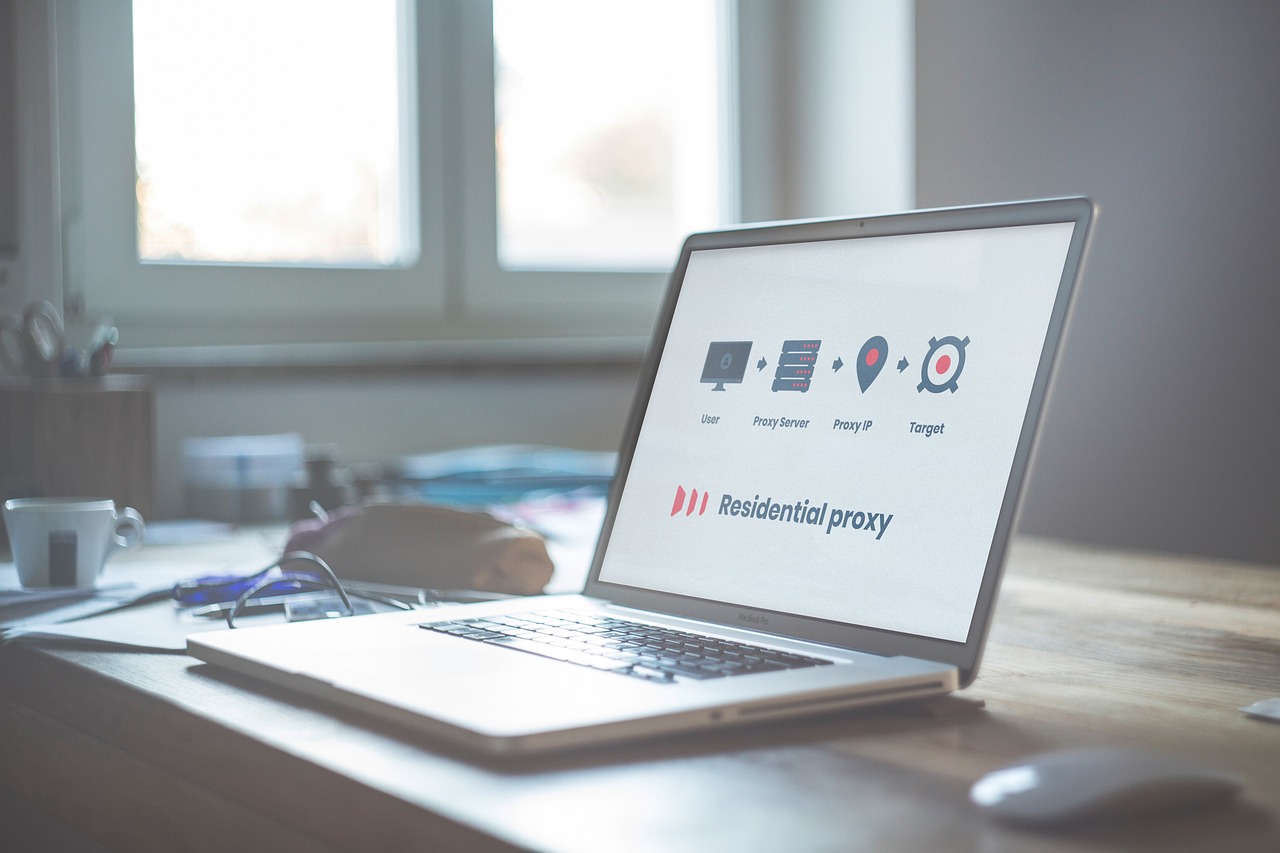
- Proxy rotation (government sites will block you if you make too many requests from one IP)
- Substantial storage space
- Data validation tools
For hardware, consider External Hard Drives for local storage. I've had good luck with Western Digital and Seagate drives for archival purposes. Get multiple drives and create redundant copies.
Third, document everything. Keep logs of what you've downloaded, when you downloaded it, and any issues you encountered. This metadata will be crucial for researchers who use your archived data in the future.
Fourth, collaborate. Join the DataHoarder community on Reddit. Check the dedicated threads. Share your progress and challenges. This is too big for any one person to handle alone.
Common Pitfalls and How to Avoid Them
I've seen a lot of well-intentioned data preservation efforts fail because of avoidable mistakes. Let me save you some headaches.
Pitfall #1: Underestimating the scale. People start scraping, see a few thousand records come in quickly, and think "this will be easy." Then they hit the millions of records from the 1980s and realize they need a completely different approach. Start small, test your pipeline thoroughly, then scale up.
Pitfall #2: Ignoring data relationships. If you scrape contract awards but not their modifications, you've captured incomplete data. Make sure you understand how the data connects before you start downloading.
Pitfall #3: Poor error handling. Your scraper will fail. Servers will go down. Connections will time out. Build robust error handling and resume capabilities. Nothing's worse than realizing your 72-hour scraping job failed at hour 71 and you have to start over.
Pitfall #4: Forgetting about attachments. Many procurement records have PDF attachments—statements of work, amendments, performance reports. These are often where the real details live. Don't just scrape the metadata.
Pitfall #5: Going it alone. This is the big one. I've seen too many people try to be heroes and burn out. If you're not a experienced programmer, consider hiring someone on Fiverr to help with the technical implementation. There are developers there who specialize in web scraping and data extraction. It's worth the investment to get it right.
The Long-Term Preservation Strategy
Okay, let's say you successfully capture some of this data. Now what? Preservation isn't just about downloading—it's about maintaining accessibility over time.
First, format matters. Don't just dump everything into proprietary formats. Use open, standardized formats: CSV for tabular data, PDF/A for documents, JSON for structured data. These formats are more likely to be readable in 10, 20, or 50 years.
Second, create multiple copies. The 3-2-1 rule applies here: three total copies, on two different media, with one copy offsite. I recommend cloud storage plus physical drives stored in different locations.
Third, document your archive. Create a README file that explains what you've captured, how it was captured, and any limitations or issues. Future researchers will thank you.
Fourth, consider contributing to collective efforts. Organizations like the Internet Archive, Data Refuge, and various academic libraries are building comprehensive archives. Your data could be part of something bigger.
FAQs from the Data Preservation Community
I've been monitoring the discussions, and several questions keep coming up. Let me address the most common ones.
Q: Is there any chance this decision will be reversed?
A: Unlikely. The executive order is already in effect, and the FPDS retirement has been planned for years. The 18-day timeline is real.
Q: What about FOIA requests for this data after it's deleted?
A: If the data doesn't exist anymore, agencies can't fulfill FOIA requests for it. That's part of what makes this so concerning.
Q: Are there any legal protections for whistleblowers who preserve this data?
A: This is untested legal territory. However, several legal experts have argued that preserving public records in the public interest has strong First Amendment protections.
Q: How can I verify that my scraped data is complete and accurate?
A: Cross-reference with existing downloads if available. Check record counts against official statistics. And compare samples manually to ensure fields are being captured correctly.
Q: What's the minimum technical skill needed to contribute?
A: If you can follow technical instructions and run scripts, you can help. The community has shared several turnkey solutions that require minimal setup.
The Bigger Picture: Why This Matters Beyond February 24
Here's what keeps me up at night: This isn't just about procurement data. It's about a pattern. Government agencies across the board are "modernizing" their systems, and historical data often gets lost in the transition. Sometimes it's accidental. Sometimes it's policy. But the result is the same: Our collective memory gets shorter.
When we lose access to historical data, we lose the ability to learn from the past. We lose the ability to hold institutions accountable over the long term. We lose the raw material for research that could inform better policy decisions.
The FPDS situation is a wake-up call. It shows how fragile our digital public records really are. A single executive order can erase decades of history. No public debate. No congressional oversight. Just gone.
But here's the hopeful part: This has sparked a conversation about digital preservation that's long overdue. People are realizing that if we want public records to remain public, we can't rely solely on government systems. We need independent, distributed preservation efforts.
Your Action Plan Starting Today
We're down to the wire. Here's what you can do right now:
First, decide on your level of involvement. Can you commit to scraping a specific subset of data? Can you contribute storage space? Can you help with documentation or coordination?
Second, join the community efforts. The r/DataHoarder subreddit has dedicated threads. There are Discord servers and GitHub repositories where people are coordinating. Don't work in isolation.
Third, start small but start now. Even if you only preserve data from one agency or one year, that's more than existed yesterday. Perfection is the enemy of progress here.
Fourth, think long-term. This won't be the last time government data is at risk. The tools and techniques you develop now will be useful for future preservation efforts.
Finally, spread the word. Most people have no idea this is happening. Tell journalists. Tell researchers. Tell anyone who cares about government transparency. The more people who know, the more data we can save.
The clock is ticking. Fifty years of procurement history faces digital oblivion in 18 days. But here's the thing: We have the tools to save it. We have the community to coordinate. And we have the civic responsibility to try.
This isn't just data hoarding. It's digital archaeology. It's preserving the paper trail of democracy. And starting today, you can be part of saving it.
