

Introduction: When Data Preservation Meets Public Interest
Back in late 2025, something fascinating happened in the data hoarding community. The release—and subsequent attempted suppression—of documents related to the Jeffrey Epstein case created a perfect storm. Suddenly, r/DataHoarder was flooded with posts. People wanted the files. They wanted to discuss them. They wanted to preserve them against what many saw as inevitable digital disappearance.
But here's the thing the mods quickly realized: this wasn't just about storage. It was about scraping ethically, managing community focus, and walking the tightrope between preservation and chaos. The sticky post they created became a masterclass in community management. And the questions that erupted? They're more relevant in 2026 than ever. How do we handle sensitive data scraping? What tools actually work when websites are actively resisting? And where's the line between being a digital archivist and becoming part of the problem?
If you've ever tried to scrape data that someone really doesn't want scraped, you know exactly how messy this gets. Let's break it down.
The r/DataHoarder Dilemma: Community vs. Chaos
Reading through that original mod post and the comments, a clear pattern emerges. The community's instinct was pure data hoarder: "Important files might disappear. We must preserve." But the practical reality was a flood of low-effort posts, duplicate requests, and off-topic discussions that threatened to drown the subreddit's core purpose.
One commenter put it perfectly: "We're not r/conspiracy. We're people who care about data integrity." That distinction matters. The mods weren't saying "don't preserve these files." They were saying "do it thoughtfully, and keep the main discussion focused." They created a centralized thread—a digital containment field—where technical talk about mirrors, checksums, and scraping challenges could live without overwhelming everything else.
This approach actually reflects a mature understanding of how sensitive data scraping projects should work in 2026. You need a dedicated space for the technical details, separate from the speculative chatter. It keeps the signal high and the noise low. And honestly? More scraping projects should adopt this model from the start.
Why Sensitive Data Disappears Faster in 2026
Let's talk about the technical reality of 2026. We're not in the early days of the internet anymore. When documents like the Epstein files get released, multiple forces immediately swing into action. Legal teams file takedown notices. Automated systems scan for copyright violations. Websites employing services like Cloudflare's anti-bot protection make simple scraping attempts fail within minutes.
I've watched this happen in real-time with several high-profile document dumps. The pattern is almost predictable: release, viral spread, first-wave scraping, then the walls come up. By hour six, the original sources often have rate limiting, IP blocking, or even complete removal of the files. What was publicly accessible becomes a digital ghost, only available through mirrors that the hoarding community managed to create in that critical window.
The 2026 landscape adds new wrinkles. More sites use JavaScript-heavy frameworks that require headless browsers to render content. More platforms employ behavioral analysis to detect bots—they're not just looking at your IP anymore, they're watching how you move the mouse, how quickly you click, even how you scroll. Scraping sensitive data has become a cat-and-mouse game with higher stakes and smarter cats.
The Ethical Scraping Framework: A 2026 Perspective
Here's where things get genuinely interesting. The r/DataHoarder discussion revealed an unspoken ethical framework that's evolved in the community. It's not written down anywhere, but you can see it in the comments that got upvoted versus those that didn't.
First, there's the "public interest" test. Is this data that has legitimate historical, journalistic, or public accountability value? The Epstein files? Clearly yes. Celebrity phone numbers? Not so much.
Second, there's the "distribution responsibility" question. Just because you can scrape something doesn't mean you should torrent it to the world. Many hoarders practice what I call "dark preservation"—keeping the data secure and verified, but not actively distributing it unless there's a clear reason. They become the backup, not the broadcaster.
Third, and this is crucial in 2026, there's the "legal risk assessment." Different jurisdictions have wildly different laws about data scraping. The EU's digital regulations, US copyright law, and various national security laws can create a minefield. The smartest hoarders I know maintain geographic awareness in their scraping infrastructure and consult legal resources when they're unsure.
One comment from the thread stuck with me: "We're not here to be heroes. We're here to be librarians." That distinction—between activism and archiving—defines the ethical high ground.
Technical Tools for the 2026 Resistance Scraper
Okay, let's get practical. Say you decide a dataset is worth preserving under that ethical framework. What actually works in 2026 when you're facing sophisticated anti-scraping measures?
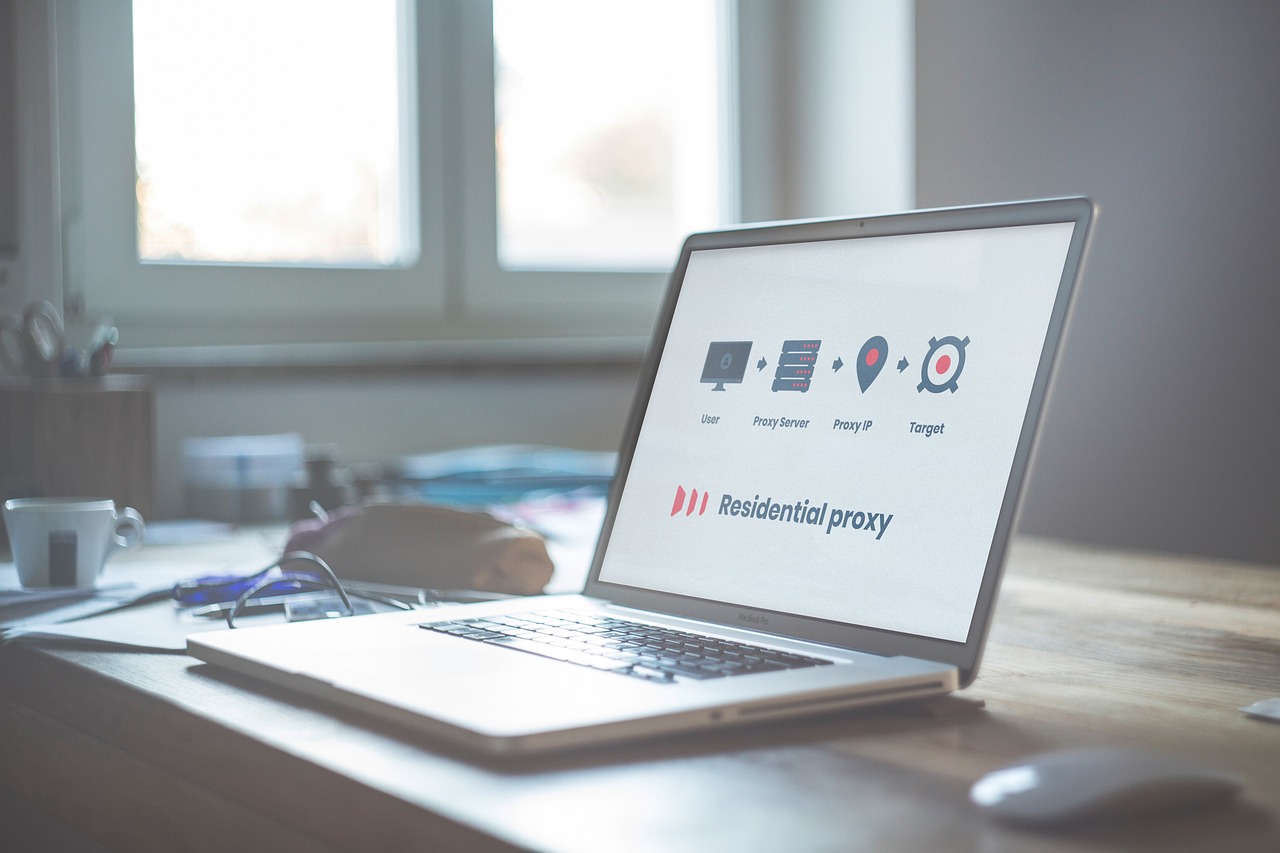
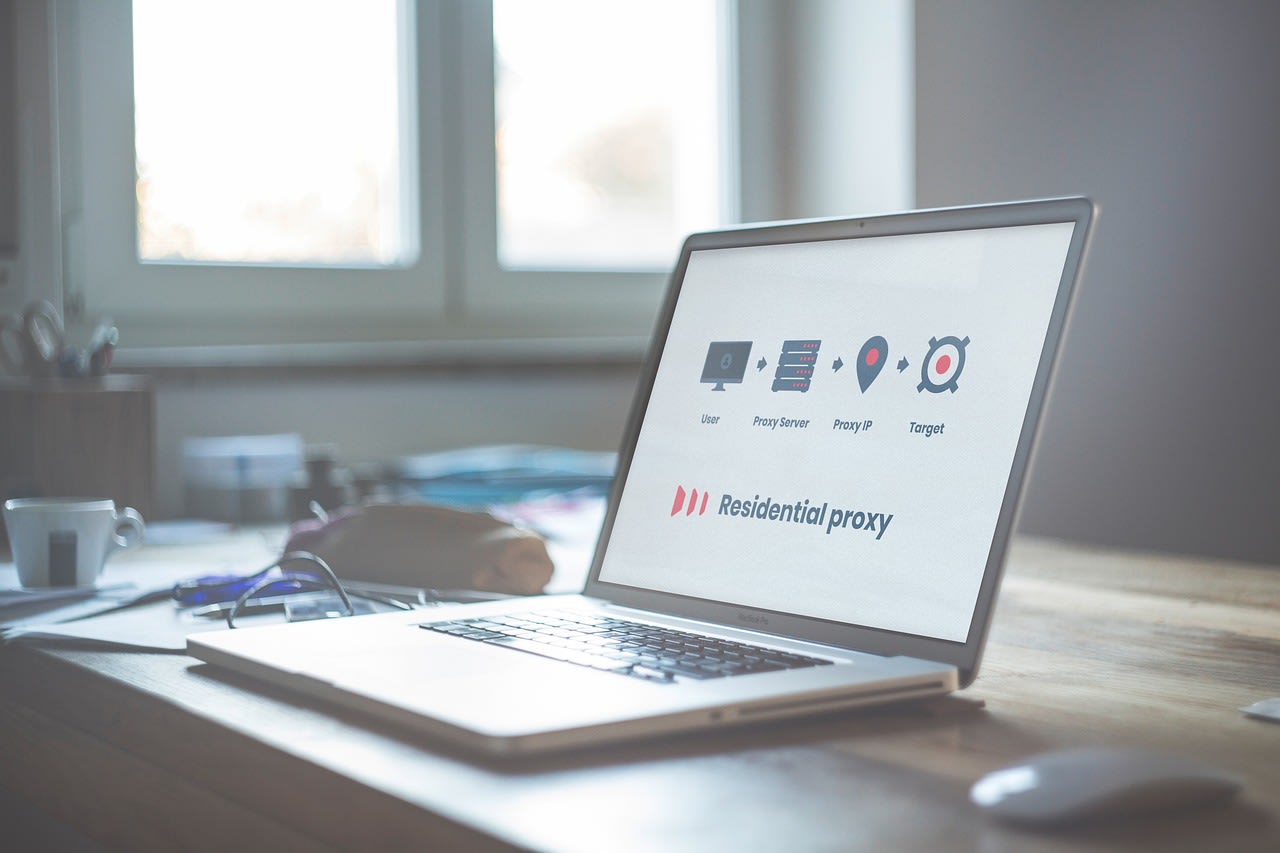
Proxies are your first line of defense, but they're not what they used to be. Residential proxies still work best for mimicking real users, but they're expensive and slower. Datacenter proxies get blocked faster than ever. My current go-to setup involves rotating between multiple proxy services, with residential proxies handling the initial page loads and datacenter proxies pulling down the actual media files once the session is established.
For JavaScript-heavy sites, you absolutely need headless browser automation. Puppeteer and Playwright are still the standards, but they require more resources. The trick is to use them sparingly—only when necessary—and to implement realistic human-like behavior patterns. Random delays between actions, realistic mouse movements, even occasional "misclicks" that get corrected.
Where things have really evolved is in the infrastructure layer. Managing proxies, browsers, error handling, and rate limiting across a large scraping job is a full-time engineering task. This is where platforms that handle the heavy lifting come in handy. Apify, for instance, provides a managed environment where you can run headless browsers at scale with built-in proxy rotation and smart retry logic. It's not cheap, but for critical preservation projects, it can mean the difference between getting the data and watching it disappear.
For storage and verification, the 2026 toolkit includes distributed options like IPFS (InterPlanetary File System) for censorship-resistant hosting, and blockchain-based timestamping services to prove when you captured the data. These aren't just theoretical anymore—they're being used in real preservation projects.
The Mirror Network: How Communities Actually Preserve Data
Here's the secret the best data hoarders know: no single person can preserve everything. The real preservation happens through distributed networks. When the Epstein files discussion was at its peak, what actually worked wasn't one hero with a giant server. It was dozens—maybe hundreds—of people each grabbing pieces and comparing checksums.
The technical term is "distributed mirroring," but in practice, it looks like a carefully coordinated community effort. Someone sets up a torrent. Others seed it. People in different jurisdictions host HTTP mirrors. Checksums get posted and verified. If one mirror goes down, three others are still up.
In 2026, this process has become more formalized in some circles. There are now standardized protocols for announcing new preservation projects, verifying file integrity through multiple independent sources, and maintaining geographic diversity in hosting. The Network-Attached Storage devices sitting in people's homes around the world have become nodes in a global preservation network that's more resilient than any centralized archive.
The key insight? Preservation is a team sport. The tools matter, but the community matters more.
Legal Landmines: What You're Actually Risking in 2026

Let's be brutally honest for a minute. Scraping sensitive data in 2026 carries real legal risks that have evolved significantly. I'm not a lawyer—and you should consult one for actual legal advice—but here's what I've observed from tracking cases and talking to people in the space.
The Computer Fraud and Abuse Act (CFAA) in the US is still the big one, but courts have been interpreting it differently in recent years. The "authorized access" question remains murky. If a website has a robots.txt file saying "don't scrape," and you scrape anyway, are you violating the CFAA? Maybe. Probably. It depends on which circuit court's jurisdiction you're in.
Copyright claims are another minefield. Even if the content itself might be in the public interest, the specific arrangement, formatting, and presentation on a website might be copyrighted. News organizations in particular have become aggressive about this.
Then there are the international considerations. If you're scraping data hosted in the EU about EU citizens, GDPR might apply even if you're physically located elsewhere. The 2026 legal landscape is a patchwork of conflicting regulations that were never designed with global scraping in mind.
My personal rule? If I'm scraping something truly sensitive, I use infrastructure located in jurisdictions with strong freedom of information protections, I never scrape personally identifiable information unless it's absolutely central to the public interest, and I always have a clear rationale for why this specific data needs preservation.
Common Mistakes (And How to Avoid Them)
Watching the Epstein files preservation effort unfold was educational. I saw people make almost every mistake in the book. Let me save you some pain.
Mistake #1: The Single Point of Failure. Someone would scrape the files, host them on one server, and announce it proudly. Then the takedown notice would arrive, and poof—gone. The solution is always, always distributed hosting from the start.
Mistake #2: Ignoring Verification. In the rush to grab data, people would skip checksums. Then you'd end up with five different versions of a file, all slightly different, with no way to know which was original. Take the extra time to generate and share SHA-256 hashes. Every time.
Mistake #3: Underestimating Scale. "It's just a few PDFs" quickly becomes "it's 100GB of videos, images, and documents." Have more storage ready than you think you'll need. Have bandwidth to spare. Because once you start, you can't really pause without risking missing something.
Mistake #4: Going It Alone. The most successful preservation efforts I've seen in 2026 involve collaboration from the beginning. That might mean coordinating with other technical people, or sometimes even hiring someone with specific expertise for parts of the project. The myth of the lone wolf data hoarder is just that—a myth.
The Future of Sensitive Data Scraping
Where is this all heading? Based on what I'm seeing in 2026, we're moving toward more automated, more distributed, and more legally-aware preservation systems.
AI is starting to play a role—not in the scary way, but in smart ways. Machine learning algorithms can now predict which websites are likely to remove content based on patterns, allowing preservationists to prioritize scraping. Natural language processing can automatically redact truly personal information (like home addresses or phone numbers) while preserving the substantive content.
The legal landscape might actually improve too. There's growing recognition in some policy circles that automatic preservation of public interest materials serves a legitimate social function. We might see "preservation exceptions" added to some digital copyright laws, similar to fair use but specifically for archiving.
And the tools? They'll keep getting better. We're already seeing the emergence of what I call "set-and-forget" preservation systems that monitor target sites continuously, capturing changes and new additions automatically, with all the proxy rotation and anti-detection measures built in. Home Server Hardware has become powerful enough to run these systems 24/7 without breaking a sweat.
Conclusion: Being the Librarian, Not the Hero
Looking back at that r/DataHoarder mod post from late 2025, what strikes me now in 2026 is how prescient it was. The moderators understood something fundamental: in the age of digital disappearance, preservation matters, but how we go about it matters just as much.
The best data hoarders I know aren't dramatic activists. They're meticulous librarians. They care about checksums and metadata and proper storage. They think in terms of decades, not news cycles. They build networks, not just personal archives.
If you take one thing from this guide, let it be this: the technical tools will keep changing. The legal landscape will keep shifting. But the core principles—ethical consideration, community collaboration, and meticulous verification—those are timeless. Those are what separate the responsible preservationist from the digital pack rat.
The next time important data needs saving, be the librarian. Do it thoughtfully. Do it with others. And maybe, just maybe, help ensure that history doesn't get deleted with a few keystrokes.
