

Remember that scene in Hackers where they say "You hacked a bank across state lines? That's universally stupid man"? Well, in 2026, that line isn't just movie dialogue—it's a fundamental truth that anyone working with data needs to understand. The recent discussions around various high-profile data leaks have resurfaced this wisdom, and honestly? It's more relevant than ever.
I've been in this space for over a decade, watching people make the same basic mistakes again and again. They get access to something sensitive, then immediately start bragging about it online. Or worse, they operate across jurisdictional boundaries without understanding the legal nightmare they're creating for themselves. It's like walking into a federal building with a sign that says "I commit crimes"—just monumentally dumb.
In this article, we're going to explore why crossing jurisdictional lines with any kind of unauthorized access remains universally stupid in 2026. More importantly, we'll look at what you should be doing instead if you're interested in data collection, scraping, or research. Because there are right ways and wrong ways to handle sensitive data, and the difference often comes down to jurisdiction, discretion, and basic operational security.
The Legal Quagmire of Jurisdictional Crossing
Let's start with the obvious: laws don't stop at state lines. Or national borders, for that matter. When you access a system in California from New York, you're potentially violating laws in both states and triggering federal jurisdiction. The Computer Fraud and Abuse Act (CFAA) in the U.S. gets particularly nasty when interstate commerce is involved—which, in 2026, is basically every internet-connected system.
I've seen cases where someone thought they were being clever by using a VPN in another country to access something. Here's the problem: you're still physically located somewhere. Law enforcement cares about where you are, not just where your packets appear to originate. If you're sitting in Texas accessing a Florida bank's systems without authorization, you've created a jurisdictional nightmare that prosecutors absolutely love.
The penalties stack up too. State charges plus federal charges plus potential civil liability from the affected organization. It's not just one legal system coming after you—it's multiple, each with their own prosecutors, laws, and sentencing guidelines. And in 2026, with improved digital forensics and international cooperation, getting away with this stuff is harder than ever.
Why People Still Make This Mistake (And Why Mods Delete Those Posts)
There's a certain thrill to accessing something you shouldn't. I get it. The problem comes when that thrill overrides basic common sense. The original Reddit discussion mentioned mods deleting posts about certain password leaks—they're doing that because those posts are essentially evidence of crimes being shared publicly.
Think about it from a community moderator's perspective. If someone posts "Hey look, I got into this sensitive system!" what they're really doing is:
- Documenting their own unauthorized access
- Potentially sharing stolen credentials or data
- Inviting law enforcement to investigate their entire community
- Creating liability for the platform hosting the discussion
It's not about censorship. It's about self-preservation and basic operational security. The smart move—if you were going to do something incredibly ill-advised—would be to keep absolutely quiet about it. Collect what you need, secure it properly, and don't create a public record of your activities.
But here's the thing: even that "smart move" is still stupid if you're crossing jurisdictional lines without authorization. Because digital footprints are everywhere in 2026. Your ISP knows when you connected. Your device leaves traces. The target system logs your access attempts. It's a breadcrumb trail leading right back to you.
The Right Way to Handle Sensitive Data Collection

Okay, so what if you're a researcher, journalist, or security professional who legitimately needs to collect sensitive data? There are ethical, legal ways to do this that don't involve unauthorized access across state lines.
First—and I can't stress this enough—get proper authorization. If you're testing a system, get written permission. If you're researching security vulnerabilities, follow responsible disclosure protocols. If you're a journalist working with leaked materials, consult with legal experts before downloading or accessing anything.
For legitimate web scraping and data collection in 2026, the landscape has actually improved significantly. There are tools and services designed specifically for ethical data gathering. For instance, platforms like Apify provide structured ways to collect public web data without crossing into unauthorized access territory. They handle the technical complexities of scraping while you focus on what to do with the data.
The key distinction here is between public data and protected data. If something requires authentication or is behind access controls, it's generally off-limits without permission. Public websites, however, are fair game for ethical scraping—as long as you respect robots.txt, rate limit your requests, and don't overwhelm servers.
Operational Security for Legitimate Research
Even when you're doing everything legally, good operational security matters. Here's what that looks like in practice:
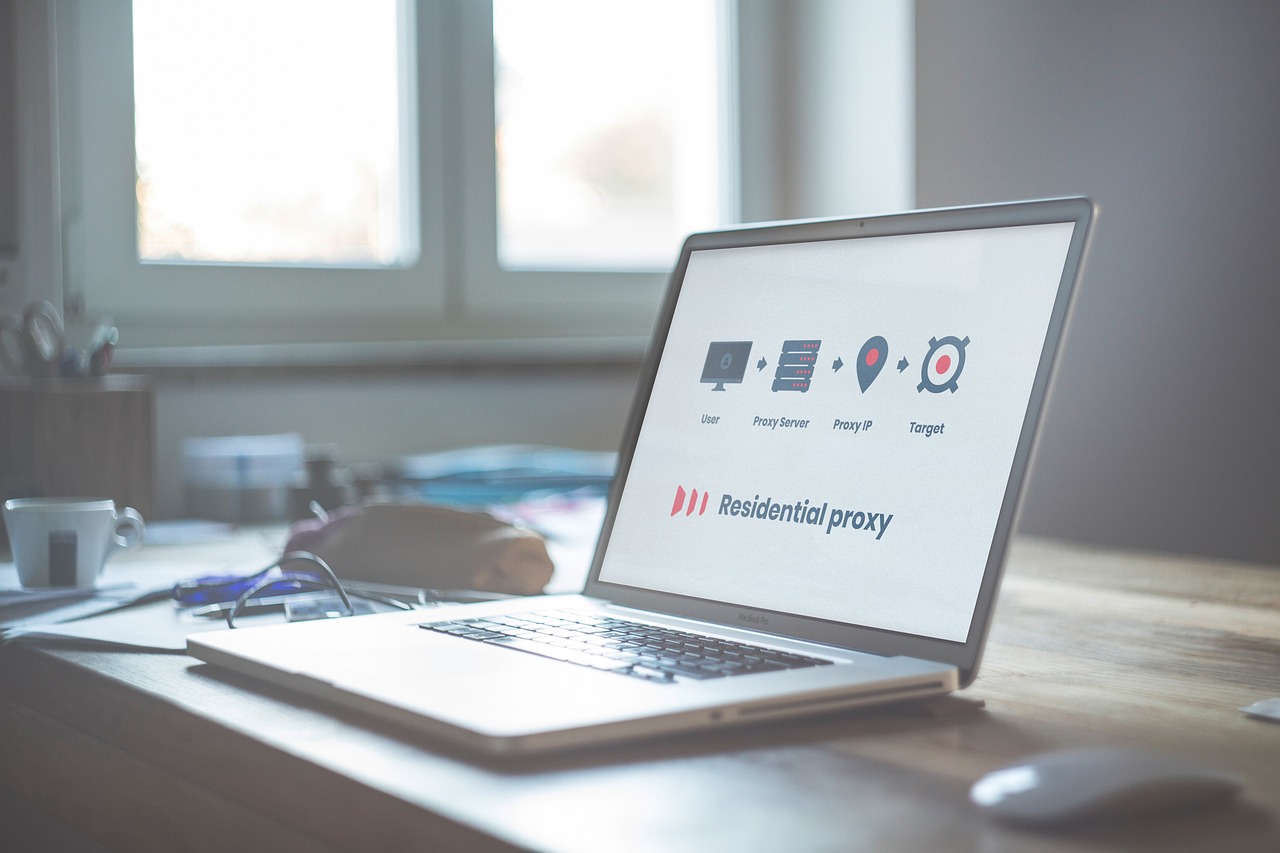
Use proper anonymization. Residential proxy networks have become more sophisticated in 2026, but they're not magic. They can help mask your origin for legitimate scraping, but they won't protect you from actual illegal activity. For sensitive research, consider using dedicated research VPS instances in appropriate jurisdictions—with the understanding that legal requests can still reach them.
Encrypt everything. End-to-end encryption for data in transit and at rest. Use verified, open-source tools rather than sketchy "hacking" utilities you found on some forum. Keep detailed logs of your authorized activities—these can actually protect you if questions arise later.
And perhaps most importantly: know when to involve professionals. If you're dealing with truly sensitive materials, hiring a legal expert through platforms like Fiverr can save you from catastrophic mistakes. A few hundred dollars for a consultation is infinitely cheaper than legal defense fees.
The Technical Reality of Getting Caught in 2026

People dramatically overestimate their own anonymity in 2026. They think a VPN or Tor makes them invisible. It doesn't. Law enforcement and corporate security teams have tools you've probably never heard of—and they're getting better every year.
Timing analysis can correlate your "anonymous" activity with your real-world movements. Metadata leaks happen more often than you'd think. Browser fingerprinting has advanced to the point where even seemingly identical setups can be distinguished. And that's before we get into the potential human factors—bragging to friends, inconsistent stories, digital habits that give you away.
I've consulted on cases where someone thought they were completely covered, only to be identified through a combination of:
- Payment information (for that "anonymous" VPS)
- Writing style analysis
- Social connections inferred from timing patterns
- Device characteristics that leaked through multiple layers of protection
The point isn't that you can't maintain privacy. You can. But maintaining privacy while committing crimes across jurisdictional boundaries? That's a much, much higher bar—and most people attempting it don't have the expertise to clear it.
Practical Tools for Ethical Data Work
So what should you actually use if you're doing legitimate data collection in 2026? Here's my current toolkit for ethical work:
For web scraping, I prefer tools that emphasize compliance. Apify's platform handles proxy rotation, CAPTCHA solving, and rate limiting automatically—which means I'm less likely to accidentally overwhelm a site or violate terms of service. Their infrastructure is designed for scale without attracting unwanted attention.
For secure storage, nothing beats properly configured encryption. I use VeraCrypt for local volumes and recommend Samsung T7 Shield Portable SSD for physical storage—they have hardware encryption that's actually reliable. Cloud storage can work too, but you need to encrypt before uploading, not rely on the provider's encryption.
For documentation, I keep detailed research logs using standardized formats. This isn't just good practice—it creates evidence that my work was systematic, ethical, and authorized. If someone questions my activities, I can show exactly what I did, when, and why.
And for the actual research machines? Dedicated hardware helps. A Framework Laptop DIY Edition lets me swap components and maintain better control over my system than most off-the-shelf laptops. Plus, the repairability means I can keep it secure longer without planned obsolescence forcing an upgrade.
Common Mistakes (And How to Avoid Them)
Let's run through some specific errors people make when they think they're being clever:
Mistake #1: Using consumer VPNs for sensitive activities. Most keep logs, and many will comply with legal requests. If you need anonymity for legitimate reasons, look at specialized privacy services with proven no-log policies—and even then, understand their limitations.
Mistake #2: Assuming international jurisdictions protect you. Some countries have weaker cyber laws, but extradition treaties exist. And if you're a U.S. citizen, you're generally subject to U.S. laws regardless of where you physically are when you commit the offense.
Mistake #3: Keeping everything on your main machine. Separation matters. Use dedicated devices for sensitive work, and consider air-gapping when appropriate. That old laptop you have in the closet? It might be perfect for research that needs isolation from your daily driver.
Mistake #4: Talking about it. This is the biggest one. Operational security isn't just technical—it's social. The more people who know what you're doing, the greater the risk. Need to collaborate? Use secure channels and only share what's absolutely necessary.
When to Walk Away
Here's something they don't teach in most tech courses: sometimes the smartest move is to not do the thing at all. If a data collection project requires crossing ethical lines, violating terms of service, or potentially breaking laws across jurisdictions, it's probably not worth it.
I've walked away from projects that promised interesting data but came with questionable access methods. In every case, I've found alternative approaches that were both legal and ethical. Sometimes it takes more work. Sometimes the data isn't as complete. But I still have my freedom, my career, and my conscience intact.
Ask yourself: what's the actual goal? If it's research, there are almost always authorized ways to get similar data. If it's curiosity, satisfy it through legal channels. If it's something else... well, maybe examine your motivations more carefully.
The Bottom Line for 2026
That line from Hackers holds up because it's based on a fundamental truth: jurisdiction matters. Crossing state lines or national borders with unauthorized access doesn't make you clever—it makes you a bigger target. It multiplies the legal systems that can come after you. It increases penalties. And in 2026, with improved forensics and international cooperation, it's even riskier than it was when the movie came out.
The good news? Ethical data work has never been more accessible. Between proper tools, clear legal frameworks, and growing awareness of responsible practices, you can do fascinating research without risking your future. Use the right tools for the job. Get proper authorization when needed. Document everything. And for goodness sake, keep quiet about sensitive work until it's appropriate to share.
Because in the end, the difference between a researcher and a criminal often comes down to jurisdiction, discretion, and that basic question: are you being smart, or are you being universally stupid?
