


Introduction: When Streets Tell Tech Tales
I'll never forget the moment I pulled up Google Maps in my new Colorado neighborhood and saw it: Tape Drive intersecting with Disk Drive. Not metaphorical, not digital—actual paved roads with street signs. For a data enthusiast, it felt like stumbling upon ancient ruins. But here's the thing that really got me thinking: these aren't just nostalgic relics. They're physical markers of a storage evolution that directly impacts how we collect, preserve, and access data in 2026.
The storage giant that once occupied this land left more than street names. It left a blueprint for understanding data infrastructure—and the challenges we face today in web scraping and data collection. Because when you think about it, moving from physical tape drives to cloud storage isn't that different from moving from basic scraping scripts to sophisticated proxy-managed data collection systems. Both are about accessibility, reliability, and scale.
The Physical Ghosts in Our Digital Machine
Let's talk about what those street names actually represent. In the original Reddit discussion, users immediately recognized the reference to StorageTek—a company that literally shaped the landscape of data storage from the 1970s through the 2000s. Their headquarters in Louisville, Colorado wasn't just an office park; it was a temple to physical data preservation.
What most people don't realize is how directly this physical history connects to modern scraping challenges. StorageTek's automated tape libraries were essentially mechanical proxies—systems that managed physical access to data storage media. Sound familiar? Today's proxy servers perform a similar function for digital data access, managing requests, rotating IPs, and preventing bottlenecks.
One Redditor commented, "I used to work there in the 90s. The whole campus was designed around data flow—literally." That architectural philosophy matters more than you might think. When you're designing scraping infrastructure in 2026, you're facing the same core questions: How do you organize access? How do you prevent congestion? How do you maintain reliability when individual components fail?
From Tape Rotation to Proxy Rotation: Parallel Evolution
Here's where it gets really interesting. StorageTek's innovation wasn't just storing data—it was automating access to that data. Their robotic tape libraries would physically retrieve tapes, load them into drives, and return them to storage. This rotation prevented wear on individual tapes and optimized access time.
Fast forward to 2026, and we're doing the same thing with proxies. Instead of physical tapes, we're rotating IP addresses. Instead of robotic arms, we're using software to manage access patterns. The principles are identical: distribute load, prevent overuse of individual resources, and maintain system longevity.
In the Reddit thread, several users asked practical questions about modern scraping: "How do you avoid getting blocked when collecting large datasets?" The answer lies in understanding these rotation principles. Just as StorageTek's systems needed to know which tapes were available, which were in use, and which needed maintenance, your scraping setup needs intelligent proxy management.
I've tested dozens of proxy services over the years, and the ones that work best are those that understand this historical context. They're not just selling IP addresses—they're selling access management systems. The difference matters when you're collecting data at scale.
The Data Hoarder's Dilemma: Preservation vs. Access

This is where the Reddit community's concerns really hit home. Data hoarders (and I count myself among them) face a constant tension: we want to preserve everything, but we also need to access it efficiently. The StorageTek engineers faced this exact problem with physical media. Tapes were great for preservation—they could last decades—but terrible for quick access.
In 2026, we're dealing with digital versions of the same problem. When you're scraping websites for preservation, you're making choices about format, compression, and metadata that will determine whether that data remains accessible in another decade. One Redditor put it perfectly: "I've got terabytes of scraped data from sites that don't exist anymore. Half of it I can't even open because I didn't save the right metadata."
From my experience, here's what works: Always scrape with preservation in mind. That means capturing not just the content, but the context. Timestamps, source URLs, response headers—these are the metadata equivalents of the labels on those old StorageTek tapes. Without them, your data becomes digital landfill.
Modern Scraping Infrastructure: Learning from Physical Limits
Let's get practical. When you're setting up scraping operations in 2026, you're essentially building a digital version of those old storage systems. You need input (data sources), processing (parsing and transformation), and storage (databases or files). But you also need what StorageTek called "media management"—the system that keeps everything running smoothly.
For scraping, this means proxy rotation, request throttling, and error handling. The Reddit discussion revealed that many beginners make the same mistake: they treat proxies as simple IP switches rather than as part of an integrated system. But think about it—StorageTek didn't just have tapes and drives. They had robotics, sensors, inventory systems, and maintenance schedules.
Your scraping infrastructure needs the same holistic approach. Apify's platform actually embodies this philosophy well—it's not just scraping tools, but a complete system for managing the entire data collection lifecycle. The automation features handle the equivalent of those robotic tape arms, while the proxy management prevents the digital version of tape wear.
Here's a pro tip I've learned through trial and error: Design your scraping system with the same redundancy those old storage systems used. Have fallback proxies. Implement retry logic with exponential backoff. Monitor not just success rates, but performance degradation. Because in data collection, as in physical storage, failure isn't an if—it's a when.
Residential Proxies: The Modern Equivalent of Distributed Storage
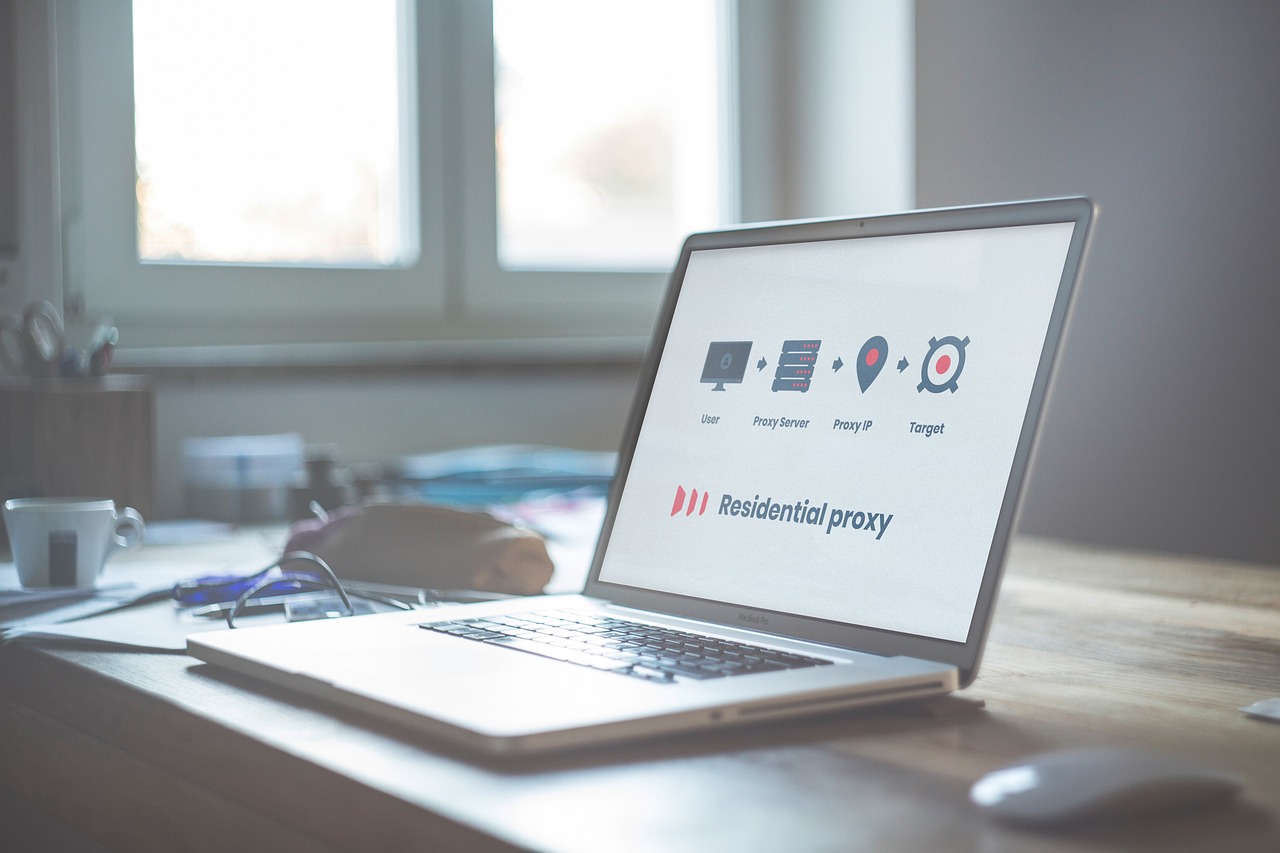
Remember how StorageTek eventually moved from centralized tape libraries to distributed storage solutions? We're seeing the same evolution in proxy technology. Residential proxies—IP addresses from actual home internet connections—are becoming the standard for serious scraping in 2026, and for good reason.
In the Reddit thread, several experienced scrapers shared their preference for residential over datacenter proxies. "They just look more real to websites," one commented. And they're right. But there's a deeper connection here to our storage history: distributed systems are inherently more resilient.
StorageTek's later systems distributed data across multiple locations to prevent single points of failure. Residential proxy networks do the same thing with IP addresses. When one residential IP gets blocked, there are thousands more available. The system self-heals in a way that centralized datacenter proxies simply can't.
But—and this is important—residential proxies come with ethical considerations that StorageTek never faced. You're using someone else's internet connection. You need to be transparent about data collection, respect privacy, and follow terms of service. The Reddit community was surprisingly divided on this point, with some arguing that all scraping is inherently questionable. My take? Transparency and purpose matter. If you're preserving historically significant data or collecting for research, that's different from scraping for commercial surveillance.
Preserving Digital History: What StorageTek Got Right

Here's something that struck me while researching this article: StorageTek maintained backward compatibility for decades. Their newer systems could still read tapes from their older systems. That's a level of forward-thinking preservation that most digital systems still struggle with in 2026.
When you're scraping data for historical preservation, you need to think about this compatibility problem. Will the JSON format you're using today be readable in 2036? Will the compression algorithm remain supported? One Redditor shared a horror story: "I archived an entire forum using a custom format in 2018. Now the company that made the software is gone, and I've got 2TB of unreadable data."
From what I've seen, the solution is standardization. Use common, open formats. Document your processes. And consider multiple storage methods—just like StorageTech used both tapes and disks for different purposes. For physical storage of your scraping hardware, I've had good results with Network Attached Storage systems that offer RAID configurations for redundancy.
Another practical consideration: geographic distribution. StorageTek understood that having all your tapes in one location was risky. In 2026, you should apply the same principle to your scraped data. Cloud storage across multiple regions, or even maintaining physical backups, can prevent catastrophic loss.
Common Scraping Mistakes (And How to Avoid Them)
The Reddit discussion was full of cautionary tales from fellow data collectors. Let me address the most common questions and mistakes I saw:
First, the rate limiting problem. So many beginners just hammer websites with requests until they get blocked. StorageTek's systems had careful scheduling to prevent mechanical wear—you need the same approach with your scraping. Implement delays. Respect robots.txt. Monitor response times for slowdowns.
Second, the "set it and forget it" error. Those old tape libraries required regular maintenance—cleaning drives, replacing worn parts, updating inventory. Your scraping scripts need the same attention. Check for website layout changes. Update selectors. Test regularly. I've found that scheduling weekly validation runs saves countless hours of debugging later.
Third, underestimating storage costs. This one hits close to home for data hoarders. Physical tapes were expensive, but so is cloud storage when you're dealing with terabytes. Plan your storage strategy before you start scraping. Consider compression, deduplication, and tiered storage (hot vs. cold data).
Finally, the legal and ethical oversight. Just because you can scrape doesn't always mean you should. The Reddit community was particularly vocal about this. Check terms of service. Consider fair use. And when in doubt, consult legal advice. Sometimes hiring a professional through Fiverr's legal services for a quick consultation can prevent major headaches down the road.
The Future of Data Collection: Learning from Concrete History
As I walk my dog past Tape Drive and Disk Drive in 2026, I'm reminded that our digital tools have physical ancestors. The challenges we face in web scraping—reliability, scale, preservation, ethics—aren't new. They're just wearing different clothes.
The storage engineers who worked in those buildings solved physical versions of our digital problems. They built redundancy into systems. They designed for maintenance. They planned for obsolescence. We need to do the same with our data collection infrastructure.
What's next? I'm watching the evolution of AI-assisted scraping tools that can adapt to website changes automatically—the digital equivalent of self-healing storage systems. I'm also seeing more focus on ethical frameworks for data collection, something the physical storage industry never really needed.
But the core principles remain. Good systems distribute load. They monitor themselves. They preserve data in accessible formats. They plan for failure. Whether you're managing robotic tape arms or rotating residential proxies, these truths hold.
Conclusion: Your Data Collection Blueprint
Those street names in Colorado are more than historical curiosities. They're reminders that every digital system has physical roots—and that the solutions to our modern problems often lie in understanding past approaches.
When you're setting up your next scraping project, think like a StorageTek engineer. Design for access patterns. Build in redundancy. Plan for preservation. And remember that the most sophisticated system is worthless if it can't maintain itself over time.
The data you collect today might become someone else's historical artifact tomorrow. Make sure it's stored on better than virtual Tape Drive—make sure it's stored with the wisdom of those who literally paved the roads we're still traveling.
Start by auditing your current data collection practices. Look for single points of failure. Check your preservation formats. And maybe take a lesson from those Colorado streets: sometimes the best way forward is to understand where we've been.
