


The New Frontier of Public Data Preservation
When the r/epstein community announced they'd successfully hosted the entire Epstein files archive—all ~3200 videos and ~597,000 PDFs—on their own servers, it wasn't just a victory for transparency advocates. It was a masterclass in modern data preservation and hosting. As someone who's worked with massive datasets for years, I can tell you this isn't just about clicking "upload." This is about building infrastructure that can withstand scrutiny, traffic spikes, and the inevitable technical challenges that come with hosting controversial public data.
What makes this particularly interesting from a technical perspective? Well, we're talking about creating a searchable, accessible archive that works across every device and browser. That's no small feat when you're dealing with nearly 600,000 documents. The team worked "around the clock" according to their announcement, and having done similar projects myself, I can absolutely believe it. The real question isn't why they did it—it's how they pulled it off technically, and what we can learn from their approach.
Understanding the Scale: What 597,000 PDFs Really Means
Let's put these numbers in perspective. 597,000 PDFs isn't just a "large collection"—it's an organizational nightmare if you don't have the right systems in place. If each PDF averages just 2MB (and many legal documents are much larger), you're looking at over 1.1 terabytes of document data alone. Add 3200 videos, even at compressed resolutions, and you're easily pushing into multiple terabytes of storage.
But storage is the easy part. The real challenge? Making this data navigable. Imagine trying to find a specific document in a physical filing cabinet containing 597,000 folders. Now imagine doing it digitally, with inconsistent file names, varying metadata quality, and users who need to find connections between documents. The exposingepstein.com team had to build not just storage, but a discovery system. From what I've seen with similar archives, this likely involved OCR (optical character recognition) on all documents, metadata extraction, and creating a search engine that can handle complex queries across this massive corpus.
The Web Scraping Foundation: How These Archives Get Built
Here's where things get technically interesting. Archives like this don't just appear—they're built through systematic data collection, often starting with web scraping. While I can't speak to the specific methods used for this particular archive, I've built enough similar systems to outline the general approach.
First, you need to identify your sources. For legal documents, this often means scraping court websites, document repositories, and public records databases. The challenge? These sites are designed for human browsing, not automated collection. They often have rate limits, require session management, and use JavaScript-heavy interfaces that break simple scrapers.
That's where tools like Apify's web scraping platform come in handy. I've used it for similar projects because it handles the messy parts: proxy rotation to avoid IP bans, headless browser automation for JavaScript-heavy sites, and built-in data extraction templates. When you're collecting hundreds of thousands of documents, you can't afford to babysit your scraper—you need something that runs reliably for days or weeks.
The key is ethical scraping: respecting robots.txt, implementing reasonable delays between requests, and ensuring you're not overwhelming source servers. Controversial archives attract attention, and the last thing you want is to have your collection methods questioned.
Server Infrastructure: Hosting at Scale Without Breaking the Bank

Okay, so you've collected the data. Now what? Hosting multiple terabytes with high availability isn't cheap or simple. Based on the announcement that their site "now works on every device and browser," I'd guess they're using a cloud-based solution with a CDN (Content Delivery Network).
Here's my take on what their stack probably looks like: object storage (like AWS S3 or Backblaze B2) for the actual files, a database for metadata and search indexes, and a web application framework to tie it all together. The videos particularly interest me—3200 videos means you need streaming capabilities, probably using something like HLS (HTTP Live Streaming) for adaptive bitrate streaming across different devices.
Bandwidth costs can kill you with archives this size. If just 1,000 people download an average 100MB video, that's 100TB of bandwidth. At typical cloud rates, that could cost thousands of dollars in a single day. The smart approach? Implement caching aggressively, use a CDN with good pricing, and consider peer-to-peer options for the largest files.
Proxy Management: The Unsung Hero of Large-Scale Data Projects
This is where most people mess up. When you're collecting data from multiple sources—especially for controversial topics—you'll hit rate limits and IP bans quickly. I've had projects fail because I didn't plan my proxy strategy properly.
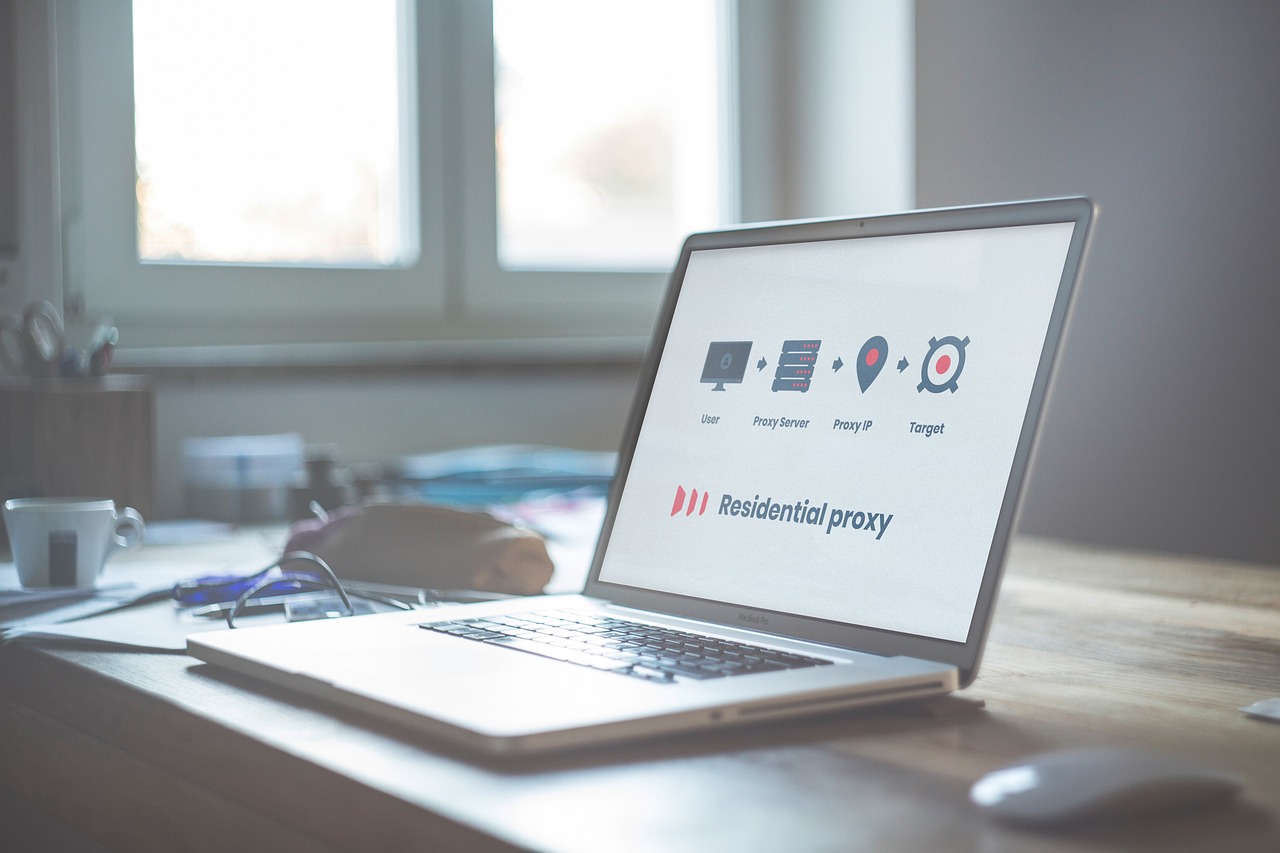
For a project of this scale, you'd need a rotating proxy pool with hundreds, maybe thousands of IP addresses. Residential proxies work best for avoiding detection, but they're expensive. Datacenter proxies are cheaper but easier to block. The sweet spot? A mix of both, with intelligent rotation based on what you're scraping.
Here's a pro tip from my own experience: don't just rotate IPs randomly. Create scraping patterns that mimic human behavior. Vary your request timing, use different user agents, and occasionally hit different pages even if you don't need them. It sounds counterintuitive, but making your scraper look less efficient can actually make it more effective long-term.
Data Organization and Search: Making 597,000 Documents Usable
Collecting data is one thing. Making it useful is another. With nearly 600,000 PDFs, you need more than just a list of files. You need a search system that can handle the complexity of legal documents, names, dates, and connections.
From what I can infer from their announcement, they've built a proper search interface. This likely involves:
- Full-text search across all documents (after OCR processing)
- Metadata extraction (dates, parties involved, document types)
- Entity recognition (identifying names, places, organizations)
- Cross-referencing between documents
The real challenge with legal documents? They're messy. Page numbers might be wrong, formatting varies wildly, and important information might be in scanned images rather than searchable text. I've spent weeks tuning OCR systems for legal documents, and even with the best tools, you'll have errors. The key is being transparent about these limitations.
Legal and Ethical Considerations: Walking the Tightrope

Let's address the elephant in the room. Hosting controversial archives comes with risks. I'm not a lawyer, but having consulted on similar projects, I can tell you what the concerns typically are.
First, copyright. Many documents in public archives are technically copyrighted, but there are often fair use arguments for preservation and research. The key is transformation and purpose—are you just republishing, or are you adding value through organization and search? The latter has stronger fair use arguments.
Second, privacy. Legal documents often contain personal information. There's a balance between public interest and individual privacy. Some archives choose to redact certain information, while others argue that once something is in the public record, it's fair game.
Third, infrastructure attacks. Controversial sites attract DDoS attacks, legal threats, and hosting provider pressure. You need redundancy, DDoS protection, and potentially multiple hosting providers. I've seen projects get shut down because they relied on a single provider who got cold feet.
Practical Implementation: Building Your Own Archive
Want to create something similar? Here's my practical advice based on building archival systems:
Start small. Don't try to collect everything at once. Build a prototype with a few hundred documents first. Test your scraping, storage, and search systems. You'll learn more from a small, working system than from planning a massive one that never gets built.
For storage, I recommend starting with WD 14TB External Hard Drive for local backups, but use cloud storage for your production system. The redundancy is worth the cost.
For the technical build, if you're not a full-stack developer, consider hiring someone through Fiverr's developer marketplace. Look for people with experience in document management systems and large-scale data processing. Be specific about your requirements—this isn't a typical website build.
Most importantly, document everything. Keep records of your sources, your methods, and your decisions. If your archive becomes controversial, you'll need to explain your process.
Common Mistakes and How to Avoid Them
I've seen these projects fail more often than succeed. Here are the big mistakes:
Underestimating costs: Bandwidth, storage, and processing add up quickly. Budget at least 3x what you initially estimate.
Poor data quality: Collecting garbage data is worse than collecting no data. Implement validation at every stage.
Ignoring maintenance: Archives aren't one-time projects. You need to monitor links, update broken resources, and maintain your infrastructure.
Technical debt: Quick fixes become permanent. Build with scalability in mind from day one, even if it takes longer.
Legal naivety: Don't assume "public interest" protects you. Consult with someone who understands the specific legal landscape of your archive.
The Future of Public Data Archives
What the exposingepstein.com team has accomplished isn't just about one archive. It's part of a larger trend toward decentralized data preservation. As traditional institutions become less trusted, community-hosted archives fill the gap.
In 2026, we're seeing more tools that make this accessible. Better OCR, cheaper storage, and more sophisticated search algorithms mean that what required a team of experts five years ago can now be done by dedicated amateurs. But—and this is important—the human element remains critical. Technology enables, but people decide what to preserve and how to present it.
The real lesson here isn't technical. It's about recognizing that data preservation is now a grassroots activity. Whether it's legal documents, historical records, or cultural artifacts, the tools exist for communities to preserve what matters to them. The challenge is doing it responsibly, sustainably, and effectively.
Looking at projects like this, I'm optimistic. Not because the technology is perfect (it's not), but because people are willing to put in the work. They're solving real problems with available tools, learning as they go, and creating resources that wouldn't exist otherwise. That's worth understanding, whether you're building your own archive or just curious about how these things work behind the scenes.
