


The Hackney TikTok Incident: What Actually Happened
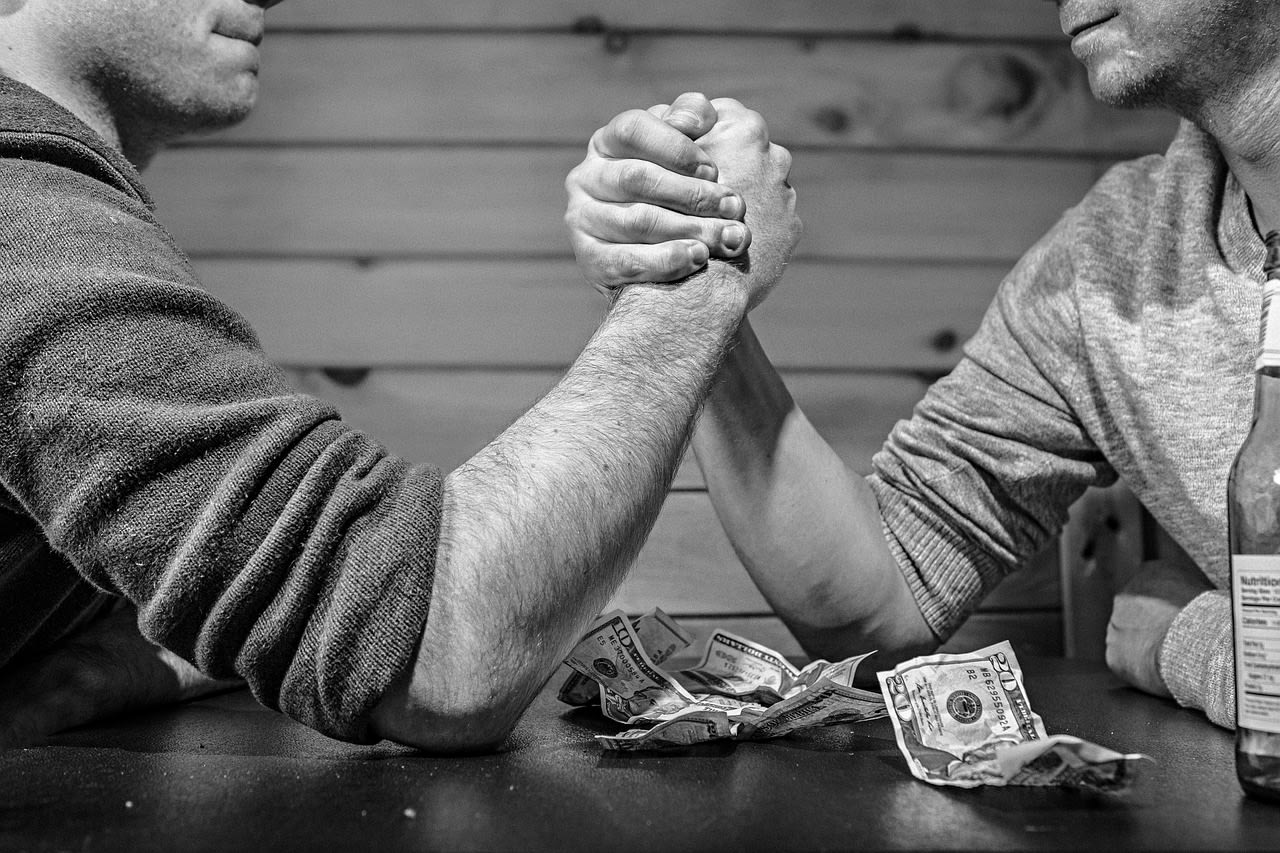
Let's start with the facts, because there's been plenty of speculation. In mid-February 2026, a TikTok video surfaced that specifically targeted eight secondary schools in Hackney, east London. The message was shockingly direct: it told children to "bring weapons" for what it described as a "mass fight" and urged different schools to go "to war" against each other. This wasn't some vague online rumor—it was a coordinated call to violence that spread rapidly through TikTok's algorithm.
What made this particularly alarming was how it divided up specific schools. The post didn't just say "kids fight"—it named names. It created an us-versus-them dynamic between institutions that, in many cases, were just blocks apart. Police were immediately involved, schools went into lockdown protocols, and parents across London started getting those terrifying texts no one wants to receive: "There's been a security threat at school."
But here's what many people missed in the initial panic: this wasn't an isolated incident. Similar challenges have been popping up on TikTok for years, from the "devious licks" school vandalism trend to various fight challenges. The Hackney situation was just more localized, more specific, and frankly, more dangerous in its execution. It showed how easily digital content can translate into real-world consequences.
Why TikTok's Algorithm Amplifies Dangerous Content
Okay, so we know what happened. But why did it spread so fast? That's where TikTok's algorithm comes in—and understanding this is crucial for any parent trying to navigate today's digital landscape.
TikTok's "For You" page is designed to keep users engaged. It learns what content you watch, how long you watch it, what you share, and what you comment on. Then it serves you more of that content. The problem? Dangerous or shocking content often gets high engagement. People pause to watch fights. They comment in outrage. They share with friends saying "can you believe this?" And the algorithm reads all that engagement as "this is good content—show it to more people."
In the Hackney case, the original video likely got initial traction from local teens. Once it hit a certain threshold of views and engagement, TikTok's system started pushing it to similar users—other teens in London, then the UK, then potentially globally. Within hours, what started as a local threat became a viral phenomenon.
What's particularly frustrating is that TikTok has content moderation systems in place. They're supposed to catch violent incitement. But as several Reddit commenters pointed out, these systems often fail with rapidly evolving trends and coded language. When kids use emojis instead of words, or reference local landmarks only insiders would understand, automated systems miss the context.
The Real-World Impact: When Digital Threats Become Physical
This is where things get serious. A viral TikTok challenge isn't just pixels on a screen—it has tangible consequences. In Hackney, schools had to implement emergency protocols. Police resources were diverted. Parents kept children home. And perhaps most importantly, the psychological impact on students was significant.
Imagine being a 14-year-old at one of those eight schools. You see this video telling your school to "go to war" with the school down the road. Maybe you know kids there. Maybe you have friends there. Suddenly, you're looking at classmates differently, wondering who might actually show up with a weapon. The anxiety is real, and it affects learning, social development, and basic feelings of safety.
Several Reddit users shared experiences from their own communities where similar online threats led to actual violence. One commenter from the US described how a TikTok challenge at their local high school resulted in multiple arrests after kids actually brought weapons to school. Another from Australia noted how police now monitor certain hashtags during school hours. This isn't theoretical—it's happening globally.
The Hackney incident also revealed something important about modern youth culture: digital and physical worlds aren't separate anymore. For today's teens, what happens online is as real as what happens in the school hallway. A TikTok challenge isn't "just online"—it's a social event, a test of courage, a way to gain status. Understanding this blended reality is key to addressing the problem effectively.
What Schools and Authorities Got Right (and Wrong)

Let's talk about response. Because how institutions react to these situations matters just as much as the threat itself.
First, the good: Hackney schools and London police moved quickly. They identified the threat, communicated with parents, and increased security presence. Several schools brought in additional counseling support. The Metropolitan Police's digital forensics team worked to trace the video's origin. This rapid, coordinated response likely prevented actual violence.
But here's where things got messy, according to Reddit discussions: communication. Some parents reported getting vague, alarming messages with few details. Others got nothing until hours later. There was confusion about whether schools were open, whether police had made arrests, and what the actual risk level was. In crisis situations, clear communication is everything—and it often breaks down.
Another issue: the blame game. Immediately, fingers started pointing. Some blamed TikTok ("the platform should have caught this!"). Some blamed parents ("where's the supervision?"). Some blamed the schools ("they should monitor students' phones!"). This division helps no one. As one particularly insightful Reddit commenter noted: "We're fighting about who to blame while kids are literally being told to bring weapons to school. Maybe focus on solutions first?"
Schools also face a practical dilemma: how much monitoring is appropriate? Should they check students' phones? Monitor school WiFi? Install surveillance apps? There are privacy concerns, resource limitations, and ethical questions. But there's also the undeniable fact that threats are originating from these devices during school hours.
Practical Tools for Parents: Monitoring Without Snooping
Alright, let's get practical. As a parent in 2026, what can you actually do? First, understand that complete digital lockdown usually backfires. Teens find workarounds. They use VPNs. They create secret accounts. The goal isn't total control—it's awareness and open communication.
Start with the basics: have actual conversations about online content. Not just "be safe online," but specific discussions. "Have you seen any concerning challenges on TikTok? What would you do if someone posted about bringing weapons to school?" Make it a dialogue, not an interrogation.
For monitoring, consider tools that balance safety with privacy. Apple's Screen Time and Google's Family Link offer basic oversight without being overly intrusive. You can see app usage, set time limits, and get reports. For more detailed monitoring, services like Bark analyze messages for concerning content across multiple platforms. It flags potential threats (like references to violence) while respecting general privacy.
Here's a pro tip that several Reddit parents shared: make device use a family activity sometimes. "I'll sit with my teen while they scroll TikTok," one wrote. "We talk about what we're seeing. It's not surveillance—it's shared experience. And I learn what's actually on their feed."
Also, know the technical side. Learn how TikTok's privacy settings work. You can set accounts to private, limit who can comment, restrict duets and stitches, and turn off video downloads. These aren't perfect solutions, but they add layers of protection. And crucially, they're settings you can discuss and implement with your teen, not just impose on them.
Digital Literacy: Teaching Critical Thinking, Not Just Blocking
This might be the most important section. Because in 2026, blocking apps isn't enough. We need to teach digital literacy—the ability to critically evaluate online content.
Start with media literacy basics. Help teens ask questions: Who created this? Why? What do they gain from me watching it? Is this trying to make me feel a certain way? In the Hackney case, the video was clearly designed to provoke fear and excitement. Helping teens recognize that emotional manipulation is key.
Also teach them about algorithms. Seriously—explain how TikTok's "For You" page works. When they understand that the app is designed to show them more of what they engage with, they become more mindful about what they click. One teacher on Reddit shared how they do classroom exercises: "We look at two students' TikTok feeds side by side. They're shocked how different they are. It makes the algorithm real."
Another critical skill: source verification. Before sharing or acting on any online information—especially something alarming—check multiple sources. Is this being reported elsewhere? Are authorities commenting? In the Hackney situation, some teens who checked with school officials or local news realized the threat was being addressed, which reduced panic.
Finally, teach responsible reporting. Every social platform has reporting tools. Show your teen how to use them. But also teach them when to escalate: if they see a direct threat of violence, they should tell a trusted adult immediately, not just report it to the platform. Platforms can be slow; adults can act faster.
What TikTok and Other Platforms Should Be Doing
Let's talk platform responsibility, because this keeps coming up in discussions. What should TikTok actually do differently?
First, improve age verification. We all know kids under 13 lie about their age. But better verification could at least create separate experiences for verified minors. Some Reddit users suggested linking to school emails or requiring parent verification for accounts under 16. Others pointed out the privacy concerns—it's a complex issue.
Second, algorithmic transparency. TikTok should be clearer about why certain content gets promoted. When a video about school violence starts trending, there should be human review, not just algorithmic amplification. Several commenters suggested "circuit breaker" systems: when content with certain keywords gets rapid engagement, it automatically gets flagged for human review before being pushed further.
Third, better collaboration with schools and law enforcement. TikTok has regional offices. They should have direct lines to school districts and police departments for emergency situations. The Reddit thread mentioned that during the Hackney incident, schools struggled to get timely responses from TikTok. That's unacceptable when physical safety is at stake.
Fourth, educational resources. TikTok has some safety guides, but they're often buried. They should partner with organizations like the UK's National Society for the Prevention of Cruelty to Children (NSPCC) to create prominent, engaging content about online safety. And not just for kids—for parents and educators too.
Common Mistakes Parents Make (And How to Avoid Them)
Based on the Reddit discussion and my own experience working with families, here are the pitfalls to avoid.
Mistake #1: The total ban. "No TikTok ever!" This usually leads to secret accounts. Teens find ways. Better to allow supervised use with clear guidelines.
Mistake #2: Assuming it won't affect your child. "My kid's too smart for this." Viral challenges don't discriminate by intelligence or upbringing. Peer pressure is powerful. Have the conversation even if you think they don't need it.
Mistake #3: Overreacting to every trend. Not every TikTok challenge is dangerous. Distinguish between silly dances and actual threats. If you panic about everything, teens stop telling you anything.
Mistake #4: Underestimating the emotional impact. Even if your child wasn't directly involved in the Hackney situation, hearing about it causes anxiety. Check in emotionally, not just practically.
Mistake #5: Going it alone. Connect with other parents. Join school WhatsApp groups. Follow your local police department's social media for alerts. Digital safety is a community effort.
Looking Ahead: The Future of Online Safety in Schools
Where do we go from here? The Hackney incident isn't the last of its kind. So what needs to change systemically?
Schools need updated digital citizenship curricula. Not just "cyberbullying is bad" but practical lessons on algorithm literacy, source verification, and digital empathy. Some forward-thinking schools are already doing this, integrating these topics across subjects rather than as one-off assemblies.
We also need better reporting systems. If a student sees threatening content, they should have a clear, confidential way to report it to school authorities. Some schools are using anonymous reporting apps with success. Others have designated staff who monitor social media during school hours—though this raises privacy questions that need community discussion.
Platforms need to step up too. There's growing pressure for regulatory changes. The UK's Online Safety Act is already in effect, but its implementation is evolving. We may see requirements for faster response times to school threats, or mandatory age verification measures.
Finally, we need to address the root causes. Why are teens drawn to these dangerous challenges? Often it's about status, boredom, or a cry for attention. Better extracurricular programs, mental health support, and community engagement can address some of these underlying issues. As one Reddit user put it: "A kid who feels connected and valued is less likely to seek validation through dangerous online trends."
Your Action Plan: Steps to Take Today
Let's wrap this up with concrete actions. If you take nothing else from this article, do these five things this week.
1. Have the conversation. Ask your teen about their online experiences. Listen more than you talk.
2. Review privacy settings together. Go through TikTok, Instagram, Snapchat—whatever they use. Make it a collaborative safety check, not a punishment.
3. Connect with your school. Ask what their digital safety policies are. Do they have reporting systems? What happens when threats emerge?
4. Set up basic monitoring. Choose one tool—Family Link, Screen Time, or something else—and implement it with your teen's understanding. Explain it's about safety, not spying.
5. Educate yourself. Follow organizations like the NSPCC or Common Sense Media. Stay updated on trends without getting overwhelmed.
The Hackney TikTok incident was a wake-up call. But here's the thing: wake-up calls only matter if we actually wake up. We can't control everything our teens see online. But we can equip them with critical thinking skills, maintain open communication, and create safety nets through technology and community.
Digital parenting in 2026 isn't about building walls. It's about building bridges—between online and offline worlds, between generations, between fear and understanding. The next viral challenge will come. But with the right approach, we can ensure it doesn't become the next real-world crisis.
