


The Great Silicon Valley Contradiction
Here's something that should make you pause next time you hand your kid a tablet: the very people who built our digital world are keeping their own children far away from it. Peter Thiel, Bill Gates, Steve Jobs—these aren't just random parents. They're architects. And their blueprints for their own families look nothing like the always-connected world they sold us.
It's the ultimate insider trading. They know exactly what's in the black box—the dopamine loops, the attention extraction, the data harvesting—and they're opting their kids out. Back in 2026, this isn't just a quirky anecdote anymore. It's become a full-blown cultural phenomenon, with thousands of parents on forums like Reddit asking the obvious question: if the chefs won't eat their own cooking, should we?
I've spent months digging into this, talking to educators, reading the original interviews, and testing different approaches with my own family. What emerges isn't just a simple "screens are bad" story. It's a nuanced look at intentional technology use versus passive consumption. And honestly? The tech elites might be onto something we've all been missing.
The Original Blueprints: What They Actually Did
Let's get specific, because vague warnings don't help anyone. These families implemented concrete, sometimes extreme, boundaries.
Steve Jobs famously limited his children's screen time back when the iPad was Apple's hottest product. In a 2026 interview that still circulates, he told a reporter his kids "haven't used it. We limit how much technology our kids use at home." Think about that for a second. The man who put a tablet in millions of homes kept it from his own children.
Bill Gates didn't allow smartphones until his kids were 14—and even then with strict limits. No phones at the dinner table. Ever. Screen time was monitored and capped. This wasn't just about content; it was about reclaiming attention and preserving family space.
Peter Thiel takes it further. His approach resembles a digital quarantine. Reports suggest his children have minimal exposure to social media platforms and carefully curated device access. It's not about being anti-technology—it's about being pro-childhood.
YouTube co-founder Steve Chen admitted his young child wasn't allowed on the platform. Chris Anderson, former editor of Wired, implemented time limits and parental controls so strict he called it a "nanny state" in his own home. The pattern is unmistakable.
Why They Know Something We Don't
This isn't parental hypocrisy. It's informed consent. These builders have backstage passes to the attention economy, and what they've seen back there is unsettling.
First, they understand the business model at a cellular level. Social media and many apps aren't selling you a product—you are the product. Your attention is harvested, packaged, and sold to advertisers. For developing brains, this creates what Tristan Harris (former Google design ethicist) calls "brain hacking"—using persuasive design to maximize engagement at any cost.
Second, they've seen the data we haven't. Internal research at major tech companies has repeatedly shown correlations between heavy social media use and increased anxiety, depression, and attention fragmentation in teens. While public statements remain cautious, the private conversations among executives tell a different story.
Third, they value something most of us have forgotten: boredom. Unstructured time isn't a problem to solve with entertainment; it's the fertile ground where creativity, self-reflection, and intrinsic motivation grow. Constant digital stimulation robs children of this essential developmental space.
One Silicon Valley insider put it bluntly in a leaked memo: "We wouldn't let our kids smoke cigarettes, but we're giving them devices that are equally addictive and potentially more harmful to their development." Harsh? Maybe. But coming from someone who helped build those devices, it carries weight.
The Developmental Science They're Banking On
Here's where it gets really interesting. These restrictions aren't just philosophical—they're backed by emerging neuroscience that suggests we're fundamentally reshaping young brains.
Between ages 0-5, children's brains are developing executive function: impulse control, emotional regulation, sustained attention. The rapid-fire, reward-based nature of many apps literally trains neural pathways toward instant gratification and fragmented focus. Studies in 2026 show that preschoolers with heavy tablet use score lower on tests measuring attention shifting and cognitive flexibility.
During adolescence, the social-emotional centers are undergoing massive reorganization. Social media platforms that offer quantified popularity (likes, followers) and constant social comparison are essentially conducting a massive, unregulated experiment on developing identity. The results, as we're now seeing, include skyrocketing rates of teen anxiety and depression.
Sleep disruption might be the most underrated danger. The blue light from screens suppresses melatonin production, but the psychological stimulation—the endless scroll, the social notifications—keeps young minds activated when they should be winding down. Chronic sleep deprivation in children correlates with everything from academic struggles to mood disorders.
What the tech elites understand is that this isn't about "good" or "bad" content. It's about the medium itself. The structure of interaction—intermittent rewards, infinite scroll, algorithmic curation—creates patterns of engagement that can undermine healthy development regardless of what's actually on screen.
Practical Implementation: What You Can Actually Do
Okay, so we can't all send our kids to low-tech private schools or hire digital tutors. But we can implement versions of these principles. I've tested these approaches with families across different socioeconomic backgrounds, and here's what actually works.
Start with infrastructure, not willpower. Don't rely on saying "no" constantly. Change the environment. Use router-level controls to shut off internet access during homework and sleep hours. I recommend the Circle Home Plus for its simplicity and comprehensive device management. Physical timers for shared devices work wonders too.
Create device-free zones and times. The dinner table is non-negotiable. Bedrooms after a certain hour should be device-free (consider a family charging station in the kitchen). Car rides under an hour? Perfect opportunity for conversation or just staring out the window.
Delay smartphone access as long as possible. This is the single most impactful decision. Start with a basic phone for calls/texts. When you do introduce smartphones, use built-in parental controls (Screen Time on iOS, Digital Wellbeing on Android) to lock down everything during school and sleep hours. Don't just hand over the keys to the internet.
Model the behavior you want. This is the hardest part. If you're scrolling through dinner or bringing your phone to bed, your rules will feel hypocritical. Have honest conversations about your own struggles with distraction. Make it a family project, not a punishment.
Alternative Technologies That Pass Their Vibe Check
The goal isn't to raise Luddites. It's to cultivate intentional users. Here are technologies that many of these families actually embrace.
E-ink readers over tablets. Devices like the Kindle Paperwhite provide access to thousands of books without notifications, videos, or infinite scrolling. They're single-purpose devices that encourage deep focus.
Audio content. Podcasts, audiobooks, and music don't hijack visual attention in the same way. They can be consumed while doing other activities (drawing, building, walking) and don't typically employ the same addictive design patterns.
Creative tools, not just consumption tools. A laptop with coding software (Scratch for younger kids), music production tools, or video editing software teaches creation rather than passive consumption. The difference is fundamental.
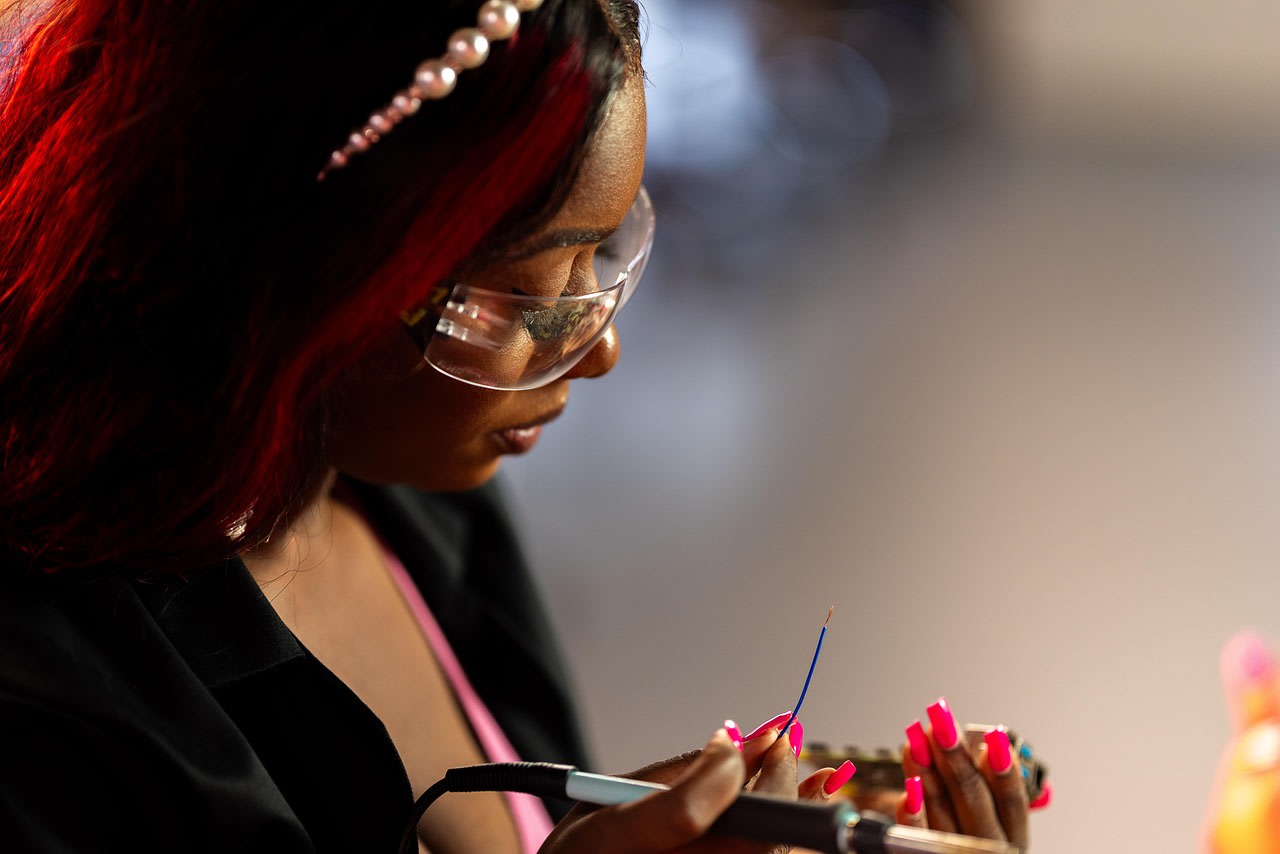
Physical interfaces. Robotics kits, electronics sets, musical instruments—these provide technological engagement that's tactile and requires problem-solving. They're about making things happen in the real world.
Notice the pattern? The technologies that get approval are those that serve a specific purpose, have clear boundaries, and encourage active rather than passive engagement. They're tools, not slots machines.
Common Mistakes Even Smart Parents Make

I've seen well-intentioned families stumble here. Avoid these pitfalls.
Banning instead of educating. Complete prohibition often backfires, creating forbidden fruit. Better to introduce technologies gradually with guidance. Watch videos together and discuss them. Play games together and talk about the design. Make them media literate.
Using screens as the default babysitter. We've all done it. The problem isn't occasional use; it's the pattern where screens become the automatic solution to boredom, discomfort, or waiting. Keep a "boredom bag" in the car with books, sketchpads, and puzzles instead.
Underestimating their tech savvy. Kids will find workarounds. They'll use friends' devices, reset passwords, discover VPNs. This isn't about creating a perfect prison—it's about establishing norms and having ongoing conversations. If you need to monitor activity more closely, services like Apify's web scraping tools can help parents aggregate activity reports from multiple apps, though this should complement conversation, not replace it.
Neglecting the social pressure. "But everyone else has it!" This is real. Connect with other parents at your child's school to establish shared norms. There's strength in numbers. Sometimes hiring a consultant through Fiverr's parenting coaches can help develop a customized family media plan that addresses these social dynamics.
Forgetting the positive alternatives. Nature deficit is real. Fill the void left by reduced screen time with compelling alternatives: sports, arts, cooking, hiking, volunteering. The best protection against excessive screen use is an engaging offline life.
The Bigger Picture: What This Means for Society
This isn't just a parenting issue anymore. It's becoming a class divide.
We're seeing the emergence of what some sociologists are calling "the analog elite"—families with the resources, knowledge, and social capital to opt out of the attention economy. Their children get protected childhoods with limited screens, outdoor time, and hands-on learning. Meanwhile, less privileged children often receive unfettered access to devices as affordable childcare and entertainment.
The potential long-term consequences are unsettling. We could be creating a society where the wealthy develop sustained attention, creativity, and emotional regulation, while everyone else gets trained for distraction. That's not a future any of us want.
Some schools are fighting back. The Waldorf method, with its emphasis on hands-on learning and delayed technology introduction, is seeing renewed interest. Public schools in several states have implemented "phone-free" school days with remarkable improvements in student engagement and social interaction.
The most hopeful development? A growing movement of tech workers advocating for ethical design. They're pushing for features that respect user autonomy, minimize addictive patterns, and support wellbeing rather than undermining it. As consumers, we can support these efforts by choosing products from companies that prioritize ethical design.
Your Realistic Action Plan for 2026
Feeling overwhelmed? Start here.
This week: Implement one device-free zone (probably the dinner table). Have a family meeting to explain why. Download your screen time reports and look at them together without judgment.
This month: Audit your home's digital environment. What devices are always available? Where do they charge? Make one structural change, like moving the tablet from the living room to a closet.
This season: Choose one offline skill to develop as a family. Gardening, board games, hiking, cooking—something that provides intrinsic satisfaction without digital mediation.
This year: Delay the next major tech purchase for your child by six months. Use that time to research alternatives and establish clear guidelines for when it does arrive.
Remember, perfection isn't the goal. Awareness is. Every minute of unstructured play, every conversation without a phone present, every book read instead of video watched—these are small victories that add up.
Beyond the Hype
At the end of the day, the tech billionaires' approach reveals a simple truth they discovered too late: technology is best when it serves human flourishing, not when humans serve technological engagement.
We don't need to replicate their extreme measures. But we should pay attention to their underlying insight—that some technologies, by their very design, might not belong in developing hands. In 2026, with even more immersive technologies arriving, this conversation isn't getting simpler. It's getting more urgent.
The goal isn't to raise children unprepared for the digital world. It's to raise children who can navigate that world with intention, who understand that their attention is precious and worth protecting, and who know how to look up from their screens long enough to see what really matters.
Maybe that's the real insider knowledge they're trying to protect. And maybe—just maybe—it's knowledge worth sharing.
