

The Panic Sets In: When Your Scraping Pipeline Breaks
You know the feeling. You wake up, check your scripts, and there it is—the dreaded error log. Your scraping pipeline that's been humming along for months, maybe years, has suddenly ground to a halt. The proxies are blocked, the API returns 403s, and your carefully crafted scrapers are now useless. This isn't just a hypothetical scenario—it's the reality facing data hoarders and web scrapers in 2026, and it's exactly what sparked that viral Reddit discussion with over 1,600 upvotes.
That post captured something fundamental about our community's struggle. We're not talking about casual data collection here. We're talking about preservationists, researchers, and enthusiasts who understand that today's accessible data might be tomorrow's digital ghost. When the tools we rely on break—whether it's a beloved Python library, a trusted proxy service, or an entire platform changing its API—it feels personal. It feels like we're losing access to pieces of the internet itself.
But here's the thing I've learned after a decade in this space: breakdowns aren't the end. They're opportunities. Every time a major platform tightens its restrictions or a tool stops working, the community innovates. New solutions emerge. Better practices get developed. This article isn't just about fixing what's broken—it's about building more resilient systems that can withstand the constant arms race between scrapers and anti-bot measures.
Understanding Why Everything Breaks (And Why It's Getting Worse)
Let's start with the obvious question: why does this keep happening? If you've been scraping for more than a few months, you've probably noticed the landscape changing. What worked perfectly in 2024 might be completely useless by 2026. There are several forces at play here, and understanding them is the first step toward building more durable solutions.
First, there's the economic reality. Platforms that offer valuable data have every incentive to protect it. They're not being malicious—they're protecting their business models, their user privacy commitments, and their server resources. When thousands of scrapers hit their servers simultaneously, it costs them real money. More importantly, they're often legally obligated to prevent certain types of data collection under regulations that have only gotten stricter since 2024.
Second, the technology has evolved. Anti-bot systems in 2026 aren't just looking for obvious signs like request frequency anymore. They're using machine learning to detect behavioral patterns, analyzing mouse movements, checking for browser fingerprints, and even monitoring the timing between requests. Some systems can now detect headless browsers that would have sailed through just a couple years ago. The arms race has escalated, and our tools need to keep up.
Finally, there's the toolchain fragmentation. Remember when BeautifulSoup and Requests could handle 90% of scraping jobs? Those days are gone. Now you need rotating proxies, residential IPs, headless browsers with human-like behavior, CAPTCHA solvers, and sometimes even custom hardware signatures. Each component in this chain represents a potential failure point. When one breaks—like when a major proxy provider changes their pricing or gets blocked by target sites—the whole system collapses.
The Proxy Problem: Residential vs. Datacenter vs. Mobile
This is where most scrapers fail first. Proxies are your first line of defense, and choosing the wrong type is like bringing a knife to a gunfight. The Reddit discussion highlighted this perfectly—people were sharing horror stories about entire proxy pools getting blacklisted overnight. So what should you actually use in 2026?
Let's break it down. Datacenter proxies are cheap and fast, but they're also the easiest to detect. They come from known hosting providers, and anti-bot systems maintain massive lists of these IP ranges. If you're scraping anything more valuable than public directory information, datacenter proxies will get you blocked—fast. I've seen scrapers get banned within minutes using these.
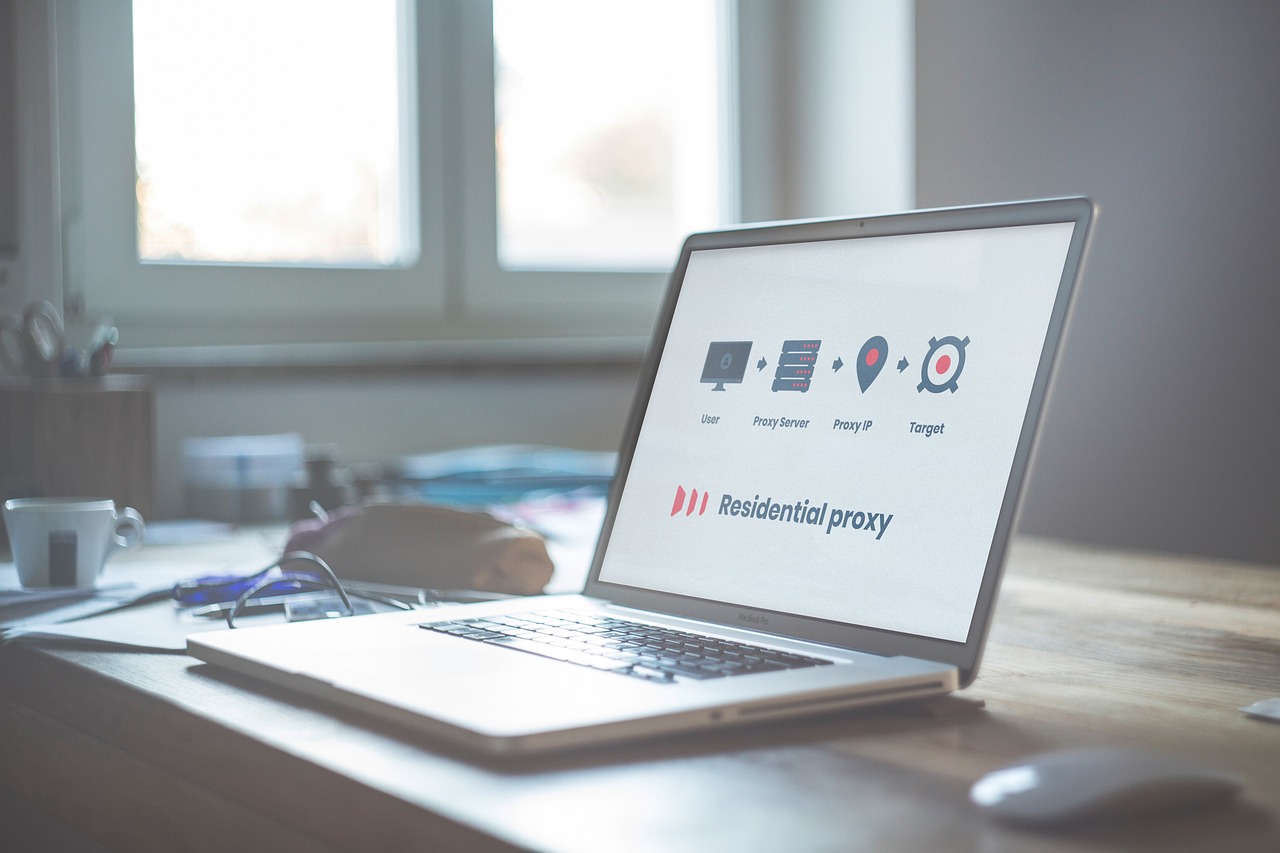
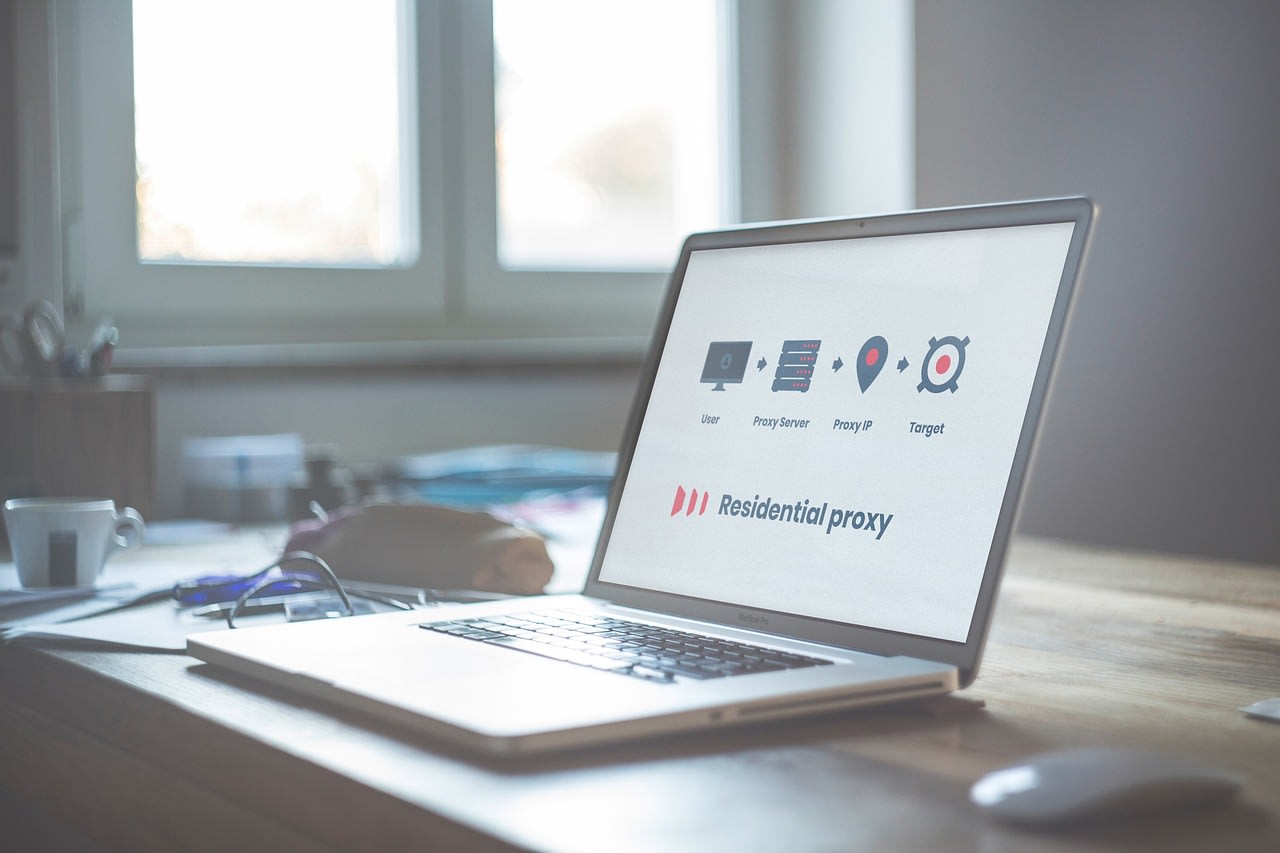
Residential proxies are the middle ground. They come from real ISP customers (with their consent, through various sharing programs), so they look like regular user traffic. They're more expensive—sometimes 10-20 times the cost of datacenter proxies—but they're also more durable. The catch? Quality varies wildly between providers. Some have better geographic distribution, others have cleaner IPs (less likely to be already flagged), and some have terrible success rates despite the premium price.
Then there are mobile proxies. These come from cellular networks and are the hardest to detect because they're constantly rotating (as devices move between towers) and have excellent reputations. They're also the most expensive option, and they're slower. But for scraping particularly sensitive targets—think social media platforms or e-commerce sites with aggressive bot protection—they might be your only option.
My personal approach? I use a tiered system. Low-value targets get datacenter proxies with aggressive rotation. Medium-value targets get residential proxies with smart rotation based on success rates. High-value targets get mobile proxies with behavioral randomization. And I always, always have backup providers ready to go when my primary gets blocked.
Beyond Proxies: The Headless Browser Arms Race

Here's where things get really interesting. In 2026, having good proxies isn't enough anymore. You need to look like a real human using a real browser, and that means mastering headless browsers. But not all headless browsers are created equal, and the detection methods have gotten frighteningly sophisticated.
Let me share something I learned the hard way. Last year, I had a scraper that was working perfectly—or so I thought. It used Puppeteer with stealth plugins, rotated user agents, randomized timing, the whole nine yards. Then suddenly, it started getting blocked. After days of debugging, I discovered the issue: the browser was reporting WebGL vendor/renderer strings that didn't match the GPU you'd expect on the reported hardware. The anti-bot system was checking hardware consistency.
Modern detection looks at hundreds of signals: WebRTC leaks, font lists, screen resolution, timezone, language settings, even the order in which resources are loaded. Some systems inject JavaScript to measure performance characteristics that differ between real browsers and automated ones. Others look at the specific version of Chrome/Chromium you're using—if it's a version that's only used by headless automation tools, you're flagged immediately.
So what works? First, you need to stay updated. The detection methods change monthly, sometimes weekly. Tools that worked last month might be useless today. Second, consider using Playwright instead of Puppeteer—it has better stealth features out of the box in 2026. Third, look into services that offer "fully undetectable" browsers in the cloud. These aren't cheap, but for critical scraping jobs, they might be worth it.
One pro tip: always test your setup against detection services before deploying. There are free tools that will analyze your browser fingerprint and tell you how detectable you are. Run these tests regularly, because what's undetectable today might be flagged tomorrow.
When Python Libraries Fail: The Tooling Crisis
This was a major theme in that Reddit thread—the sheer panic when a beloved library stops working. "Scrapy is broken!" "Requests can't handle this new JavaScript!" "BeautifulSoup can't parse the new markup!" I've been there. It feels like the ground is shifting beneath your feet.
The reality is that no single tool can handle everything in 2026's web environment. The web has moved from mostly static HTML to heavily JavaScript-driven applications, often with obfuscated code and dynamic content loading. Your old reliable BeautifulSoup/Requests combo might still work for simple sites, but for anything modern, you need a more sophisticated approach.
Here's my current toolkit, refined through painful trial and error. For simple static sites, I still use Requests with lxml parsing—it's fast and lightweight. For JavaScript-heavy sites, I use Playwright with multiple browser contexts. For particularly tricky sites with lots of anti-bot measures, I sometimes use Apify's ready-made scrapers or similar services that handle the infrastructure headaches for me.
The key insight? Don't get emotionally attached to tools. I've seen people spend weeks trying to fix a broken Scrapy middleware when switching to a different approach would take hours. Be pragmatic. If a tool isn't working for a particular job, find one that does. And always have alternatives ready.
Another thing: learn to read the signs. When a library hasn't been updated in six months, when GitHub issues are piling up with "broken" labels, when the maintainer seems inactive—these are red flags. In 2026, web scraping tools have a short shelf life. The good news is that new, better tools are constantly emerging to replace the old ones.
Building Resilient Pipelines: Redundancy and Monitoring
This is where the pros separate from the amateurs. Anyone can write a scraper that works once. Building a pipeline that keeps working for months or years? That's an art form. And it starts with accepting that failure isn't an exception—it's the default state. Everything will break eventually. Your job isn't to prevent breaks; it's to detect them quickly and recover automatically.
First, implement comprehensive monitoring. Don't just check if your script is running—check if it's actually collecting data. I set up alerts for: sudden drops in data volume, increases in error rates, changes in response times, and CAPTCHA appearances. These are early warning signs that something's wrong. By the time your script is throwing exceptions, it's often too late—you've already lost data.
Second, build redundancy at every level. Multiple proxy providers. Multiple scraping approaches (direct API if available, headless browser as fallback). Multiple data centers or cloud regions. I even maintain completely different codebases for critical scrapers—one using Python/Playwright, another using Node.js/Puppeteer. If one approach gets comprehensively blocked, I can switch to the other while I figure out what went wrong.
Third, implement intelligent retry logic. Not just "try three times then fail"—that's primitive. I use exponential backoff with jitter, circuit breakers that stop hitting a failing endpoint, and automatic switching between different strategies. If direct requests fail, try with a headless browser. If that fails, try from a different geographic region. If that fails, wait an hour and try a completely different approach.
Here's a concrete example from my own setup. I scrape pricing data from e-commerce sites. My pipeline tries: 1) Direct API call (if known), 2) Lightweight HTML parsing, 3) Headless browser with minimal JavaScript, 4) Full browser with all JavaScript enabled. Each step is slower and more resource-intensive than the last, but together they give me a 99.9% success rate. And when something does fail, I know exactly which layer broke.
The Legal and Ethical Minefield (Yes, It Matters)

I know, I know—you just want to collect data. But in 2026, you can't ignore the legal and ethical dimensions. That Reddit discussion had people sharing stories about receiving cease-and-desist letters, having their home IPs banned, and even facing legal threats. This isn't theoretical anymore.
Let's start with robots.txt. I know some people ignore it, but that's getting riskier. Courts in multiple jurisdictions have started treating robots.txt violations more seriously. More importantly, ignoring robots.txt makes you a target. Site administrators are much more likely to implement aggressive anti-bot measures if they see widespread violations. Respecting robots.txt isn't just ethical—it's strategic. It keeps you under the radar.
Then there's rate limiting. Hammering a site with thousands of requests per second isn't just rude—it can actually cause damage. I've seen small sites go down because of poorly configured scrapers. And from a purely practical standpoint, aggressive scraping gets you blocked faster. Slow down. Add delays. Make your requests look human. Your data collection will be more reliable in the long run.
Data usage matters too. Just because you can collect data doesn't mean you should publish it or use it commercially. Personal information, copyrighted content, trade secrets—these are legal minefields. When in doubt, consult a lawyer. Seriously. The cost of legal advice is nothing compared to the cost of a lawsuit.
My personal rule? I only scrape public data, I respect robots.txt, I implement reasonable rate limits, and I'm transparent about my methods. It hasn't prevented me from collecting the data I need, but it has kept me out of trouble. And in 2026's increasingly regulated environment, that's worth a lot.
Practical Solutions for Common Breakdown Scenarios
Let's get concrete. When your scraping pipeline breaks, what should you actually do? Based on that Reddit discussion and my own experience, here's a step-by-step approach that works.
Scenario 1: Proxies getting blocked immediately. First, check if you're using datacenter proxies for a site that blocks them. Switch to residential. If you're already using residential, check the quality—some providers recycle IPs that are already flagged. Try a different provider. Also, check your request headers. Missing or incorrect headers are a dead giveaway. Use the exact headers a real browser would send.
Scenario 2: CAPTCHAs appearing constantly. This means you're detected but not completely blocked. First, slow down. Add random delays between requests. Second, improve your browser fingerprint. Use a service to check how detectable you are. Third, consider using a CAPTCHA solving service for critical jobs—they're not perfect, but they work most of the time.
Scenario 3: JavaScript rendering issues. If the data you need is loaded by JavaScript and your scraper isn't seeing it, you need a headless browser. But don't just run full Chrome—that's heavy and detectable. Use a lightweight approach first. Try to find the API calls the JavaScript makes—often you can call those directly. If that doesn't work, use Playwright with JavaScript enabled but minimal extensions.
Scenario 4: Entire tool/library is deprecated. This happens. The maintainer moves on, the project dies. First, check if there's a fork that's still active. Often when popular scraping tools die, the community forks them. Second, look for alternatives. The Python scraping ecosystem in 2026 is rich—there's probably something that does what you need. Third, consider if you need to hire a developer on Fiverr to build a custom solution if it's critical and nothing else works.
One more thing: document everything. When something breaks, write down what happened, how you fixed it, and why you think it broke. This documentation becomes invaluable when similar issues occur later. I maintain a "breakage log" for each of my scraping projects, and it's saved me countless hours.
Future-Proofing Your Data Collection
Looking ahead to 2026 and beyond, the trend is clear: scraping is getting harder, not easier. But that doesn't mean it's impossible—it just means we need to be smarter about how we do it. Based on current developments, here's what I think will matter most in the coming years.
First, diversification. Relying on a single tool, library, or provider is suicide. The scrapers that survive will be those with multiple fallbacks, multiple approaches, and the ability to adapt quickly. This means investing time in learning different technologies, not just mastering one stack.
Second, community. The Reddit discussion that inspired this article is proof—we're stronger together. When one person figures out how to bypass a new anti-bot measure, sharing that knowledge helps everyone. Participate in communities, contribute to open source tools, and don't be afraid to ask for help. The days of the lone wolf scraper are ending.
Third, ethical considerations will become business necessities. As regulations tighten and public awareness grows, companies that scrape unethically will face consequences. Building sustainable, respectful scraping practices isn't just the right thing to do—it's the smart thing. It leads to more reliable data collection and fewer legal headaches.
Finally, consider the hardware angle. In 2026, some of the most sophisticated detection looks at hardware signatures. Having the right tools matters. For serious scrapers, I recommend Dedicated Scraping Laptops with clean installs of Linux, dedicated GPUs for browser fingerprinting, and plenty of RAM for multiple browser instances. It might seem like overkill, but for large-scale operations, it makes a difference.
Wrapping Up: The Scraper's Mindset
When I read that Reddit thread, what struck me wasn't the technical details—it was the shared sense of frustration mixed with determination. Every commenter, despite their panic, was already thinking about solutions. They were sharing workarounds, suggesting alternatives, offering to help each other. That's the scraper's mindset: problems are just puzzles waiting to be solved.
The truth is, web scraping in 2026 isn't for the faint of heart. It requires technical skill, sure, but more importantly it requires persistence, creativity, and adaptability. The tools will break. The methods will become obsolete. The platforms will change their defenses. But the fundamental need—to collect, preserve, and analyze data—isn't going away.
So when your pipeline breaks, take a deep breath. Check your proxies. Review your browser fingerprint. Look for community solutions. And remember: you're not alone in this. Thousands of data hoarders are facing the same challenges, finding the same workarounds, and building the same resilient systems. The arms race continues, but so does the innovation.
Now go check your monitoring alerts. I bet something needs fixing.
