
The Quiet Revolution in Digital Reading
You know that feeling when you discover something amazing that nobody seems to be talking about? That's exactly what happened to me with Storyteller. I stumbled across it while browsing r/selfhosted—one of those posts with a few hundred upvotes but buried beneath more flashy topics like media servers and home automation. The original poster was right: not enough people are talking about this thing.
Here's the deal. If you're like me, you've probably accumulated a collection of DRM-free eBooks and audiobooks over the years. Maybe you buy from independent authors, get free classics from Project Gutenberg, or convert your purchased content to remove restrictions. And if you're really like me, you've probably experienced that frustrating disconnect between listening to an audiobook and reading the text version. You finish a chapter in your car, then open your e-reader at home... and you're lost. Or worse, you try to follow along with the text while listening, constantly losing your place.
Storyteller solves this elegantly. It creates EPUB3 files that sync your audiobook and eBook positions automatically. Listen in the car, read before bed—your progress follows you. The text highlights sentence by sentence as the audio plays. It's Amazon's Whispersync feature, but for your own files, running on your own hardware. And in 2026, with privacy concerns growing and platform lock-in becoming more problematic, this kind of self-hosted solution feels increasingly essential.
What Storyteller Actually Does (Beyond the Hype)
Let's get specific, because the original Reddit post only scratches the surface. Storyteller isn't just another eBook reader or audiobook player. It's a platform that transforms your existing files into something smarter.
When you feed Storyteller an eBook (EPUB, MOBI, PDF) and its corresponding audiobook (MP3, M4B, FLAC), it doesn't just bundle them together. It creates a new EPUB3 file with embedded audio and synchronization data. This is crucial. EPUB3 is an open standard that supports multimedia, and Storyteller leverages this to create a single file that contains both your text and audio, perfectly aligned.
The synchronization happens at the sentence level. Not paragraph, not chapter—sentence. As the narrator reads "It was the best of times," that exact sentence highlights. This precision makes following along effortless, which is particularly valuable for language learners, people with reading difficulties, or anyone who wants to improve reading speed and comprehension.
But here's what the original discussion missed: the magic happens during the "binding" process. Storyteller uses text-to-speech alignment algorithms to match audio waveforms with text. This isn't simple timestamping—it's analyzing the audio to find where each sentence begins and ends. The result feels almost magical when you first experience it.
Why Self-Hosters Are Sleeping on This (And Shouldn't Be)
Reading through the original Reddit comments, I noticed a pattern. People were excited but hesitant. The concerns fell into a few categories, and having used Storyteller extensively since 2025, I can address them directly.
First, the setup question. Yes, Storyteller requires some technical know-how. It's a GitLab-hosted project that you need to deploy yourself. But in 2026, with Docker and better documentation, this has become significantly easier than when it first appeared. If you can run a basic Docker container, you can run Storyteller. The community has created detailed guides that walk you through everything from permissions to reverse proxies.
Second, the format question. People wondered about compatibility. The beautiful thing about Storyteller's output is that it's standard EPUB3. Any modern e-reader that supports EPUB3 can open these files. That includes most recent versions of Calibre, Apple Books, Google Play Books, and several dedicated e-reader apps. The synchronization features work best in Storyteller's own web interface, but the files remain usable everywhere.
Third, the library management question. This was a big one in the comments. People with large collections worried about processing hundreds of books. The reality? It's a batch process. You point Storyteller at your audiobook and eBook directories, and it can process them in the background. It's resource-intensive during processing—especially for longer books—but once the EPUB3 files are created, playback is lightweight.
The Technical Reality: Setup, Requirements, and Gotchas
Let's get practical. If you're going to deploy Storyteller in 2026, what do you actually need?
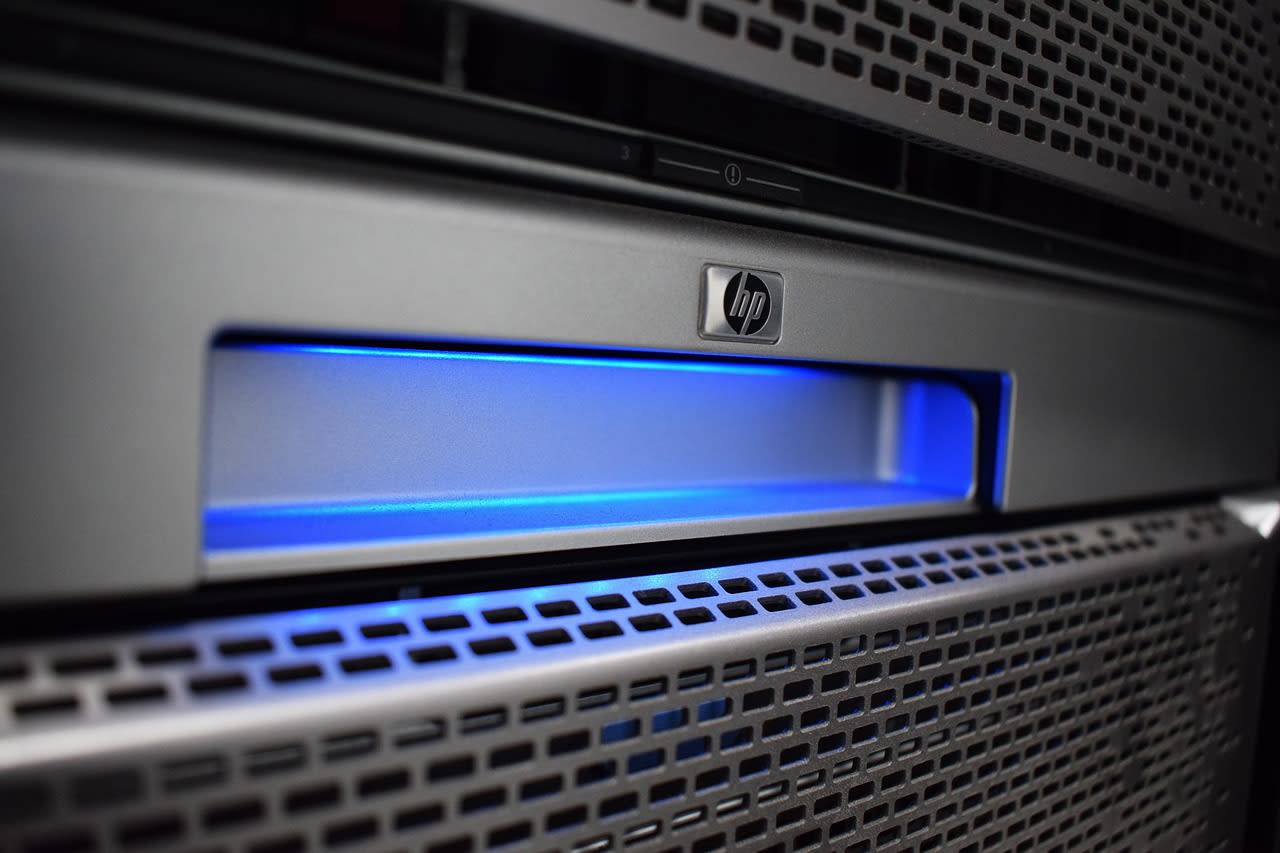
Hardware requirements are moderate. You'll want a server with at least 4GB of RAM and a decent CPU. The processing phase—where Storyteller aligns audio with text—can be CPU-intensive. I've found that a modern quad-core processor handles most books in reasonable time, though massive fantasy tomes might make you wait a bit. Storage depends on your collection, but remember: you're creating new EPUB3 files that contain both text and audio, so they'll be larger than your original eBooks.
The software stack is straightforward: Docker, Docker Compose, and that's about it. Storyteller's container includes everything it needs. The configuration involves setting paths for your source files and output directory, plus optional settings for web interface customization.
Now, the gotchas—because every tool has them. Storyteller works best with clean source files. If your audiobook has long musical intros or your eBook has formatting issues, the alignment might struggle. The community has developed workarounds, like preprocessing tools to clean files before feeding them to Storyteller. Also, DRM-protected files won't work. This is for your legally obtained DRM-free content only.
One pro tip I've discovered: organize your files consistently before starting. Name your eBooks and audiobooks with matching patterns (like "Title - Author.epub" and "Title - Author.m4b"). Storyteller can match them automatically if your naming is consistent, saving you manual pairing time.
Beyond Reading: Unexpected Use Cases
The original Reddit post focused on recreational reading, but Storyteller's applications go much further. Over the past year, I've discovered several powerful use cases that the community doesn't talk about enough.
Language learning is a big one. Imagine studying Spanish with a novel. You have the Spanish text and a native speaker's audio. Storyteller creates a synchronized version where you can read along, click any sentence to hear its pronunciation, and slow down playback without losing synchronization. It's like having a personal tutor for every book in your target language.
Accessibility applications are another area. For people with visual impairments or reading disabilities like dyslexia, the synchronized highlighting can make reading less taxing. The ability to control playback speed while maintaining perfect text alignment lets each user find their optimal pace.
Academic and professional use surprised me too. Technical manuals, research papers, even code documentation—when you have both text and explanatory audio, comprehension improves dramatically. I've started creating Storyteller versions of complex technical books, and the difference in retention is noticeable.
Then there's the archival aspect. Many public domain works have both text scans and amateur audio recordings. Storyteller lets you preserve these in a modern, interactive format. It's a way to future-proof historical content while making it more engaging.
How Storyteller Compares to Commercial Alternatives
People in the Reddit comments kept comparing Storyteller to Amazon's Whispersync, and that's fair—but incomplete. Let's look at the full landscape in 2026.
Amazon's ecosystem is the elephant in the room. Whispersync works beautifully, but it locks you into Amazon's platform, requires purchasing books through them (often with DRM), and ties you to specific devices. Storyteller gives you that same seamless experience with any DRM-free content, on any device with a web browser, with no corporate tracking of your reading habits.
Audible's "Immersion Reading" is similar but suffers from the same platform lock-in. Plus, Audible's selection, while vast, doesn't include the independent and public domain works that many self-hosters collect.
There are other open-source projects in this space, but they tend to be more limited. Some only do basic synchronization at chapter level. Others require manual alignment. Storyteller's automated sentence-level sync sets it apart.
Commercial software like Voice Dream Reader offers similar features but at a cost—and often with subscription models. Storyteller is free and open-source. You pay with setup time and server resources, not monthly fees.
The trade-off? Polish. Commercial products have smoother interfaces and better support. Storyteller's web interface is functional but not beautiful. It works perfectly, but it won't win design awards. For the self-hosting community, this is usually an acceptable trade for control and privacy.
Setting Up Your Storyteller Instance: A 2026 Guide
Ready to try it? Here's my current approach for a smooth Storyteller deployment in 2026.
Start with organization. Before you even install Storyteller, sort your library. Create separate directories for eBooks and audiobooks. Use consistent naming—I prefer "Author - Title (Year).ext" but any consistent pattern works. This upfront work saves hours later.
Deployment is Docker-based. Pull the latest image from GitLab, create a docker-compose.yml file with your volume mounts, and spin it up. The documentation has improved significantly, with example configurations for different scenarios. Pay attention to permissions—Docker containers need read access to your source files and write access to your output directory.
Configuration happens through environment variables in your Docker setup. You'll set paths, decide whether to enable automatic matching, configure the web interface port, and set resource limits. Don't skip the resource limits—processing long books can consume significant CPU and memory if left unchecked.
The web interface is where you'll manage everything. You upload or point to your files, start processing jobs, and monitor progress. For large libraries, process books in batches rather than all at once. Start with a few favorites to get the hang of it before committing your entire collection.
Access your created books through the same web interface. The reading experience is surprisingly polished—clean typography, responsive design, intuitive controls for playback and highlighting. You can access it from any device on your network, and with proper reverse proxy setup, securely from anywhere.
Common Questions and Concerns (Answered)
Let's address the specific questions from the original Reddit discussion, plus some that have emerged since.
"Does it work with my existing Calibre library?" Yes, but with a caveat. Storyteller needs the actual eBook files, not just Calibre's database. Point it to where Calibre stores your books, and it can process them. The output EPUB3 files can be imported back into Calibre as new editions.
"What about battery life on mobile?" Streaming audio from your server does consume more battery than playing local files. For extended mobile use, consider downloading the EPUB3 files to your device. They're self-contained—audio and text in one file—so you can read/listen offline once downloaded.
"Can I share these with family?" The EPUB3 files Storyteller creates are standard files. You can share them like any other eBook. However, the web interface reading experience is tied to your instance. For family sharing, either give them access to your Storyteller instance or share the files for use in other EPUB3 readers.
"How accurate is the synchronization?" In my experience, 90-95% perfect with clean source files. Occasionally, a sentence might highlight slightly early or late, especially with complex punctuation or dialogue. The algorithm has improved over time, and manual adjustment tools exist for fine-tuning.
"What formats work best?" For eBooks: EPUB. For audiobooks: M4B or MP3 with clear chapter markers. These give the cleanest results. PDFs can work but often require preprocessing to extract clean text.
The Future of Self-Hosted Reading
Looking ahead to late 2026 and beyond, tools like Storyteller represent something important. They're part of a broader movement toward owning your digital life. As platforms become more restrictive and privacy more precious, self-hosted solutions for entertainment and education gain value.
Storyteller's development continues, with community contributions adding features like better mobile apps, enhanced synchronization algorithms, and integration with other self-hosted media systems. The roadmap includes potential integration with audiobook downloaders and eBook management platforms, creating a complete self-hosted reading ecosystem.
What excites me most isn't just the technology—it's the philosophy. Storyteller treats your books as yours. Not licensed, not streamed, not temporarily accessible. Yours. In an age of subscriptions and digital ephemerality, that permanence matters. You're building a personal library that will work as long as you maintain it, not as long as some corporation decides to support it.
Getting Started with Your Own Digital Library
So where should you begin? Don't try to convert your entire library on day one. Pick three to five books you love and have in both text and audio formats. Set aside an afternoon for setup. Follow the updated 2026 documentation, join the community forums if you hit snags, and get those first books processed.
Experience the magic of synchronized reading for yourself. Listen in the kitchen while cooking, then pick up reading in bed right where you left off. Notice how much more immersive the experience feels when audio and text work together. Pay attention to retention—many users find they remember more when engaging multiple senses.
Then, if you're convinced, gradually expand. Process books as you acquire them or in small batches. Consider setting up automated workflows—some users have scripts that watch directories for new books and automatically queue them for Storyteller processing.
The original Reddit poster was right: not enough people are talking about Storyteller. But that's changing. As more readers discover the joy of truly owning their reading experience, tools like this move from niche to essential. In 2026, with digital autonomy more valuable than ever, Storyteller isn't just a cool tool—it's a statement about what technology should be: empowering, private, and truly yours.
Your books are waiting. They've been sitting there in separate formats for years, disconnected. Storyteller brings them together in a way that feels almost like magic. And the best part? Once you set it up, the magic keeps working. No subscriptions, no tracking, no platform lock-in. Just you and your books, finally having a proper conversation.
