


If you've spent any time in r/selfhosted lately, you've felt the tension. It's that moment when you click on what looks like another promising self-hosted tool, only to find it's a weekend project with questionable security, minimal documentation, and a GitHub repo that might vanish next month. The community that once celebrated DIY hosting solutions is now grappling with an identity crisis—and it all centers around what members are calling "vibe coding."
Back in late 2024, a Reddit post with nearly 500 upvotes and over 300 comments asked the question that's been on everyone's mind: do we need a sub-subreddit for selfhosted? The discussion wasn't about gatekeeping or elitism—it was about survival. As one commenter put it, "We need to acknowledge that 'Vibe Coding' is growing, and it's not going to decrease." The entry barrier has dropped so low that anyone can Dockerize a simple script and call it a self-hosted solution. But at what cost to security, quality, and the community's core values?
In this deep dive, we'll explore what vibe coding actually means for the self-hosted ecosystem, examine the real security risks, and consider whether splitting the community is the right move—or if there's a better path forward. Whether you're a homelab veteran or just dipping your toes into self-hosting, understanding this shift is crucial for navigating the landscape in 2026.
What Exactly Is "Vibe Coding" in Self-Hosting?
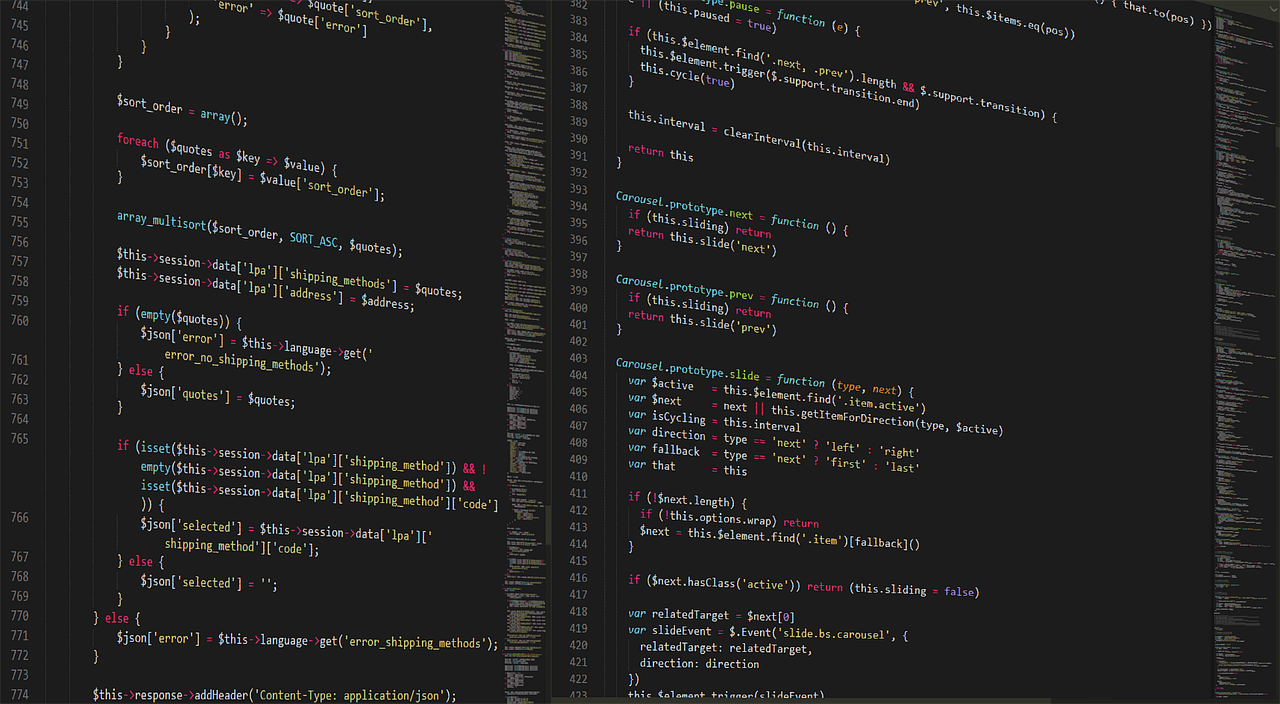
Let's start with the term that's causing all the fuss. Vibe coding isn't just about writing code—it's a particular approach to development that prioritizes speed, aesthetics, and immediate gratification over robustness, security, and long-term maintenance. Think of it as the TikTok of software development: quick hits, flashy demos, and minimal substance.
In the self-hosted context, vibe-coded applications typically share a few characteristics. They're often single-developer projects built over a weekend. They come with beautiful Docker Compose files and slick web interfaces. The documentation? Usually a single README with basic setup instructions. Security considerations? Often an afterthought, if they're considered at all. And maintenance? Well, that depends on whether the developer still has the "vibe" next month.
Now, I don't want to sound like an old grump about this. Some of these projects are genuinely clever solutions to real problems. The issue isn't that they exist—it's that they're flooding channels meant for serious, production-ready tools. When someone asks for a self-hosted password manager recommendation, they shouldn't have to sift through a dozen hobby projects to find something that won't leak their credentials.
The Security Nightmare No One Wants to Talk About
Here's where things get genuinely concerning. Self-hosted applications often handle sensitive data—passwords, personal documents, financial information, you name it. When you install software on your own hardware, you're taking responsibility for its security. Vibe-coded apps make that responsibility feel like a gamble.
Take a typical example I encountered recently: a self-hosted "smart home dashboard" that looked gorgeous in the screenshots. The Docker image had over 10,000 pulls. But when I glanced at the source? Hardcoded database credentials. No input sanitization. Dependencies pinned to specific versions from three years ago. The developer's response when someone pointed this out? "I'm not a security expert, just trying to make something cool."
That attitude—"I'm not an expert, but here's my software for your sensitive data"—is what keeps security professionals up at night. The self-hosted community has traditionally valued transparency, peer review, and careful consideration of security implications. Vibe coding often bypasses all of that in favor of shipping quickly and looking good doing it.
The Quality Flood: When Quantity Drowns Out Signal

Remember when finding a new self-hosted tool felt like discovering a hidden gem? Those days are getting harder to come by. The subreddit now sees dozens of new "check out my self-hosted X" posts every week, and many follow the same pattern: minimal functionality that duplicates existing mature projects, wrapped in a fresh UI.
One commenter in the original discussion put it perfectly: "The fact the entry point is so low from a skills perspective, and time required to pump them out, effectively makes them disposable." And that's the core issue—disposability. When software is treated as disposable, no one invests in proper architecture, testing, or documentation. Users who deploy these tools are left holding the bag when the developer moves on to their next vibe.
I've personally migrated away from three different vibe-coded tools in the past year alone after their developers abandoned them. Each migration took days of work that could have been avoided by choosing more established software from the start. The hidden cost of these disposable apps isn't just security risk—it's the operational debt they create.
The Community Divide: Preservation vs. Inclusion
This is where the debate gets emotional. On one side, you have veterans who've built their homelabs over years, who remember when self-hosting meant compiling from source and editing config files by hand. They value stability, security, and software that "just works" for years. To them, the flood of vibe-coded projects feels like a dilution of everything the community stands for.
On the other side, you have newcomers excited to contribute. The low barrier to entry means more people can participate in the self-hosting ecosystem. That's objectively good! But without guidance about best practices, security considerations, and what makes software truly "self-hostable," their contributions often miss the mark.
The proposed solution—a sub-subreddit—aims to bridge this gap. The idea is to create separate spaces for different types of content: one for production-ready tools and serious discussion, another for experimental projects and works-in-progress. In theory, this lets both groups thrive without stepping on each other's toes. In practice? Well, that's more complicated.
Practical Solutions Beyond Just Splitting
Before we rush to fragment the community, let's consider some alternatives. What if instead of separating, we created better systems for evaluation and guidance?
First, we could establish clear labeling. Imagine post flairs that immediately tell you what you're looking at: "Production Ready," "Beta/Experimental," "Educational Project," "Weekend Build." This simple change would help users set appropriate expectations before they even click.
Second, we need better onboarding for new developers. A "So You Want to Create a Self-Hosted App" guide could cover the non-negotiable: security basics, dependency management, documentation standards, and what "maintenance" actually means. This isn't about gatekeeping—it's about giving people the knowledge to build things that won't break in six months.
Third, we could implement community vetting systems. Something as simple as a checklist in the wiki: "Has this been audited?" "Are dependencies updated?" "Is there an upgrade path?" These questions help users make informed decisions rather than relying on upvotes alone.
The Tooling Problem: Docker's Double-Edged Sword
We can't talk about vibe coding without addressing the elephant in the room: Docker (and containerization generally). Docker lowered the barrier to entry dramatically—and that's mostly good! But it also created a situation where developers can ship software without understanding how it actually runs.
I've seen Dockerfiles that download random binaries from the internet, use latest tags for everything, and run everything as root. The containers work (usually), but they're security nightmares waiting to happen. The ease of docker-compose up masks a lot of complexity that developers should understand before distributing their software.
Here's my controversial take: if you're going to distribute a self-hosted application via Docker, you should be able to explain how to install it without Docker. Understanding the underlying system isn't optional—it's what separates hobby projects from serious tools. This doesn't mean abandoning containers (I love Docker!), but it does mean treating them as deployment targets, not magic black boxes.
FAQs from the Frontlines of the Debate
"Aren't you just being elitist about code?"
Not at all. This isn't about fancy algorithms or perfect architecture. It's about basic reliability and security. If you're distributing software for others to run, you have responsibilities. Meeting those minimum standards isn't elitism—it's professionalism.
"What about innovation? Don't we need experimental projects?"
Absolutely! Innovation is crucial. But there's a difference between "experimental" and "reckless." Experimental projects should be clearly labeled as such, with appropriate warnings about stability and security. The problem isn't experimentation—it's presenting unfinished, insecure software as production-ready solutions.
"How do I tell if a project is vibe-coded or serious?"
Look for signs of maturity: regular updates (not just features, but security patches), issue responsiveness, clear documentation beyond setup, and evidence of testing. Check when dependencies were last updated. See if there's a security policy or disclosure process. These aren't perfect indicators, but they separate projects built to last from those built for clout.
The Maintenance Reality Check
Here's the hard truth no one likes to admit: maintaining software is boring. It's not sexy to update dependencies, fix security vulnerabilities, or write migration scripts. Vibe coding thrives on the exciting parts of development—the initial idea, the UI design, the launch. The long-term grind? Not so much.
This creates a fundamental mismatch between what vibe-coded projects promise and what they deliver. They're marketed as solutions, but they're often just prototypes. When the reality of maintenance sets in, developers frequently abandon ship for the next exciting idea.
If you're considering creating a self-hosted tool, ask yourself this uncomfortable question: "Am I willing to maintain this for three years?" If the answer isn't a confident yes, you should either reconsider or be extremely clear about the project's experimental nature. Your users' data depends on your honesty.
Where Do We Go from Here?
So, back to the original question: do we need a sub-subreddit for selfhosted? My take, after watching this debate unfold and testing countless tools on both sides of the divide, is that fragmentation might help in the short term but hurt in the long term.
Instead of splitting, what if we elevated? What if the community collectively decided on minimum standards for what gets called "self-hosted" versus "experimental"? What if we created better systems for mentoring new developers rather than just critiquing their work? What if we celebrated not just the creation of new tools, but their sustained maintenance?
The self-hosting movement has always been about taking control. Control of our data, our privacy, our digital lives. That control comes with responsibility—for users choosing software, and for developers creating it. Vibe coding represents a shift toward convenience and immediacy at the potential cost of that responsibility.
In 2026, we have a choice: let the flood continue and watch quality drown, or build better channels to direct the flow. I know which future I'm fighting for—one where innovation thrives alongside reliability, where newcomers are welcomed but guided, and where "self-hosted" means something you can actually trust with your digital life.
What about you? The conversation continues in the comments, and honestly, that's where the real solution will emerge—not from any single article, but from the community figuring this out together. Your homelab depends on it.