

The Spotify Lawsuit That Shook the Digital Preservation World
Let's be honest—when news broke in late 2025 that Spotify's legal action had triggered domain suspensions for Anna's Archive, the data hoarding community felt that familiar chill. You know the one. That moment when you realize another library—another massive repository of human knowledge—is being targeted. The TorrentFreak report revealed what many suspected: major entertainment corporations are now using domain name system (DNS) takedowns as a primary weapon against shadow libraries.
But here's what makes this different. This wasn't just another copyright notice. Spotify's lawsuit specifically targeted the infrastructure—the domain names themselves—making it harder for users to find and access Anna's Archive. The unsealed documents showed a coordinated effort that went beyond takedown notices. They went for the addresses, the signposts. And in 2026, this strategy has become increasingly common.
What does this mean for you? If you're someone who values preserving digital content—whether it's obscure academic papers, out-of-print books, or historical media—this case represents a significant escalation. The rules are changing. The targets are shifting. And the methods for preserving content need to evolve alongside them.
Understanding Anna's Archive and Why It Matters
First, let's talk about what Anna's Archive actually is—and why its targeting matters to more than just music pirates. Calling it "just another piracy site" misses the point entirely. Anna's Archive positioned itself as a search engine for shadow libraries, indexing content from sources like Library Genesis and Sci-Hub. It became, as the community described it, "the largest library in human history."
Now, I've spent years archiving digital content, and here's what most people don't understand: these repositories contain materials that simply aren't available through legal channels. We're talking about academic papers behind paywalls that universities in developing countries can't afford. We're talking about books that publishers have allowed to go out of print. We're talking about cultural artifacts that would otherwise disappear.
The Spotify lawsuit specifically targeted Anna's Archive for allegedly facilitating access to copyrighted music. But here's the rub—the same infrastructure that served music also served everything else. When you take down a domain for one type of content, you're taking it down for all content. This creates what preservationists call "collateral damage" in the information wars.
From what I've seen, this isn't really about stopping piracy. It's about control over distribution channels. And when distribution channels for "problematic" content get shut down, everything else goes with them.
How Domain Suspensions Actually Work (The Technical Reality)
Most people think domain takedowns are simple. They're not. There's a whole technical ecosystem involved, and understanding it is crucial for anyone serious about preservation. When Spotify's lawyers went after Anna's Archive, they didn't just send a letter. They obtained a court order that compelled domain registrars to suspend specific domains.
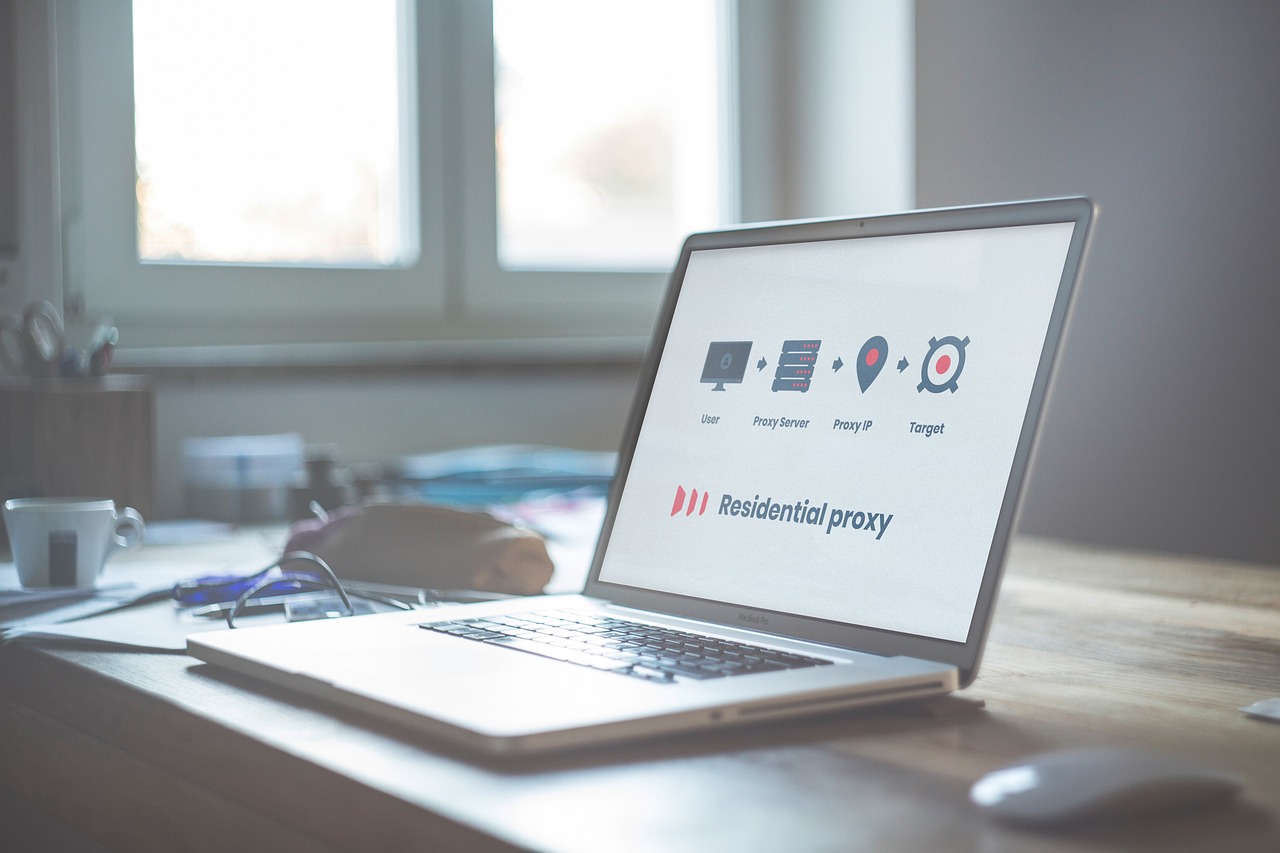
Here's how it typically plays out: A rightsholder (like Spotify) identifies infringing content. They trace it to specific domain names. They file a lawsuit and obtain an order. That order gets served to the domain registrar—the company that manages the domain registration. The registrar, facing legal liability, suspends the domain. Suddenly, annas-archive.se (or .li, or .gs) stops resolving. Users get connection errors. The site appears gone.
But here's what's interesting: the actual content often remains on servers somewhere. The domains are just pointers. Think of it like someone removing street signs but leaving the buildings intact. The community response on Reddit highlighted this perfectly—users immediately started sharing alternative domains and access methods.
In my experience, this cat-and-mouse game has been going on for years. What's changed in 2026 is the scale and coordination. Corporations are now working together to target multiple domains simultaneously, making it harder for services to simply "domain hop" to stay accessible.
The Data Hoarder Response: Seeding as Digital Activism

This is where things get practical. When the Reddit post called for help—"If you can spare some storage and bandwidth"—it wasn't just asking for technical assistance. It was advocating for a particular philosophy of digital preservation. The post specifically directed users to Anna's Archive's torrent generation page, where you could enter how much storage you're willing to commit and get a list of magnet links for content needing seeders.
Let me break down why this approach matters. Torrents use a distributed model. Instead of one central server hosting files, hundreds or thousands of users host pieces of them. When you seed a torrent from Anna's Archive, you're not just downloading content—you're becoming part of the distribution network. You're making that content more resilient.
I've tested this approach with various archives over the years. Here's what works: dedicating specific storage (I use a 16TB NAS) to seeding priority content. The Anna's Archive system is smart—it identifies which torrents have the fewest seeders and prioritizes those. This means your bandwidth and storage do the most good where they're needed most.
But there's a trade-off. Seeding copyrighted content carries legal risk, depending on your jurisdiction. Some users employ seedboxes in more permissive countries. Others use VPNs. The key is understanding your local laws and taking appropriate precautions. This isn't about encouraging piracy—it's about recognizing that once content disappears from centralized servers, distributed preservation might be the only backup that exists.
Legal Gray Areas and Future Enforcement Trends
Now let's talk about the legal landscape—because it's messier than most people realize. The Spotify lawsuit against Anna's Archive hinges on some untested legal theories. Specifically, whether a search engine that indexes infringing content is itself liable for infringement. Different countries have different standards, and in 2026, we're seeing these standards clash.
From what I've observed, there are three main approaches emerging globally. The European model tends toward stricter intermediary liability—if you provide access to infringing content, you're responsible. The U.S. model has more protections for intermediaries (think DMCA safe harbors) but aggressive enforcement against "willful" infringement. And then there are jurisdictions that simply don't enforce foreign copyright claims aggressively.
Anna's Archive has been operating in these gray areas. By frequently changing domains and using services in different jurisdictions, they've stayed ahead of enforcement—until now. The Spotify case shows that rightsholders are getting better at international coordination.
Here's my prediction for the next few years: We'll see more lawsuits targeting infrastructure rather than content. Payment processors. Domain registrars. Hosting providers. The goal will be to increase the operational costs of running shadow libraries until they become unsustainable. For data hoarders, this means preservation efforts need to become more decentralized and resilient.
Practical Preservation Strategies for 2026 and Beyond
So what can you actually do? If you believe in preserving digital content—whether it's books, music, academic papers, or software—here are concrete strategies that work in today's environment.
First, diversify your sources. Don't rely on any single repository. I maintain a list of at least five different shadow libraries and regularly check which are accessible. When one goes down, I know where to find alternatives.
Second, consider local archiving. When you find something valuable, download it. Don't assume it will be there tomorrow. I use automated tools to archive specific categories of content that I care about most. For technical users, web scraping automation platforms can help create custom preservation workflows, though they require some technical knowledge.
Third, participate in distributed networks. The torrent seeding approach that Anna's Archive advocates is one example. Another is the emerging peer-to-peer networks that don't rely on central servers at all. These are harder to take down because there's no central point of failure.
Fourth, understand the technology. Learn about IPFS (InterPlanetary File System), decentralized DNS alternatives, and encryption. These aren't just buzzwords—they're tools that can make preservation more resilient.
And fifth—this is important—document what you're preserving. Create metadata. Track sources. Future historians will thank you. I use a simple database to track what I've archived, where it came from, and when I downloaded it.
Common Mistakes Data Hoarders Make (And How to Avoid Them)
Let's be real—I've made most of these mistakes myself over the years. Learning from them has been painful but valuable.
The biggest mistake? Putting all your eggs in one basket. I've seen collectors dedicate terabytes to a single repository, only to watch it disappear overnight. Diversify. Always diversify.
Second mistake: Ignoring metadata. You download 10,000 PDFs, but without proper filenames, organization, or source information, they're practically useless. Future you won't remember what "document_8347.pdf" contains. Take the time to organize as you go.
Third: Underestimating storage needs. Digital preservation is a hungry beast. What seems like "plenty of space" today will feel cramped tomorrow. Plan for expansion. Consider Network Attached Storage solutions that let you add drives as needed.
Fourth: Legal complacency. Just because something is available doesn't mean downloading it is risk-free in your jurisdiction. Understand local laws. Use appropriate protections. And maybe don't brag about your collection publicly.
Fifth: Technical fragility. Relying on consumer-grade hardware without backups is asking for trouble. I've lost collections to drive failures. Now I use RAID configurations and maintain offsite backups of the most critical materials.
The Ethical Dimension: Preservation vs. Piracy
This is the uncomfortable conversation we need to have. When does digital preservation cross into piracy? The lines are blurrier than either side admits.
From my perspective, there's a difference between preserving a 1920s academic paper that's unavailable through any legal channel and distributing the latest blockbuster movie. But legally? Often there's no distinction. Both might be technically infringing.
The Anna's Archive situation highlights this tension perfectly. The same infrastructure that provides access to paywalled academic research also provides access to copyrighted music. When Spotify targets that infrastructure, they're targeting everything—the valuable preservation alongside the commercial infringement.
Here's what I tell people: Know why you're preserving. If it's about access to knowledge that would otherwise be lost, that's different from just wanting free stuff. Document your rationale. Be transparent with yourself about your motivations.
And recognize that in some cases, you might need to consult with legal professionals who understand digital copyright issues. The laws are complex and changing rapidly.
Looking Forward: The Future of Digital Preservation
Where does this leave us in 2026? The Spotify lawsuit against Anna's Archive isn't an endpoint—it's a data point in an ongoing struggle. As enforcement becomes more sophisticated, preservation methods need to evolve.
I'm seeing several trends emerge. First, more decentralization. Projects are moving away from centralized servers entirely. Second, better encryption and anonymity tools. Third, international collaboration among preservationists.
The most interesting development? The growing recognition that digital preservation is a legitimate cultural concern. Museums, libraries, and academic institutions are starting to engage with these issues more seriously. They're recognizing that commercial distribution channels don't always align with preservation needs.
For individual data hoarders, the path forward involves balancing several factors: legal risk, technical capability, ethical considerations, and available resources. There's no one-size-fits-all solution.
Your Role in the Preservation Ecosystem
Here's the bottom line: Digital preservation isn't someone else's problem. It's ours. Every time a repository like Anna's Archive gets targeted, we lose pieces of our collective knowledge. The Spotify lawsuit shows how fragile these systems are.
You don't need to archive everything. Start with what matters to you. Allocate some storage—even a few hundred gigabytes makes a difference. Learn the basics of torrent seeding. Document what you preserve. Connect with communities that share your interests.
The Reddit call to action—"if you can spare some storage and bandwidth"—wasn't just about Anna's Archive. It was about recognizing that preservation requires participation. In 2026, with enforcement increasing, that participation matters more than ever.
So take stock of what you can contribute. Maybe it's storage. Maybe it's bandwidth. Maybe it's technical skills. Maybe it's just spreading awareness. Whatever it is, the ecosystem needs it. Because once something disappears from the digital world, bringing it back gets harder every year.
The domains may get suspended. The lawsuits may continue. But the data—if we preserve it properly—can outlast them all.
