


Introduction: The $1,000 Hard Drive Shock
You're browsing Office Depot's website in 2026, maybe looking for some storage upgrades for your home server or backup system. Then you see it: a standard hard drive listed for $1,000. Your brain does a double-take. "That's insane," you think—exactly what went through the mind of the Reddit user who sparked this whole discussion. But here's the thing: that outrageous price isn't just a random error. It's a symptom of a much larger problem in retail pricing, and understanding it requires looking behind the curtain with tools the average shopper doesn't have.
What if I told you that web scraping—the practice of automatically extracting data from websites—could save you from ever paying these inflated prices again? That by combining some basic programming knowledge with the right tools, you could monitor prices across dozens of retailers, spot anomalies instantly, and never get ripped off? That's exactly what we're going to explore today.
The Real Story Behind Inflated Retail Prices
When that Reddit user posted about Office Depot's $1,000 hard drive, the immediate reaction was disbelief. "I can see the inflated price of like $250+ but 1000??" they wrote. And they're absolutely right to be confused. But here's what's actually happening: many retailers, especially larger chains, use automated pricing systems that sometimes go haywire. These systems monitor competitors, adjust prices dynamically, and occasionally create feedback loops where prices spiral out of control.
I've seen this happen dozens of times in my years of monitoring retail prices. Sometimes it's a genuine error—a misplaced decimal point or incorrect data feed. Other times, it's algorithmic pricing reacting to limited stock or competitor outages. The problem is that without automated monitoring, you'd never know when these anomalies occur. You'd just see the $1,000 price tag and assume that's what the product costs now.
Web scraping changes this dynamic completely. By setting up automated checks on retailer websites, you can track price histories, spot anomalies as they happen, and even predict when prices are likely to drop. It's like having a personal price detective working 24/7.
Why Web Scraping Is Essential for Smart Shopping in 2026
Let's be honest—manually checking prices across multiple websites is tedious work. Who has time to visit Office Depot, Best Buy, Amazon, Newegg, and half a dozen other retailers every day? That's where web scraping comes in. It automates the boring stuff so you can focus on making smart purchasing decisions.
Think about it this way: when you see that $1,000 hard drive, your first instinct is probably to check other retailers. But what if you could have that information automatically? What if you could receive an alert the moment any product you're tracking drops below a certain price threshold? That's not science fiction—it's completely achievable with today's tools.
In my experience, the most successful price monitors use a combination of scraping techniques. Some check prices hourly, others daily. Some focus on specific product categories, while others cast a wider net. The key is consistency. Retail prices change constantly, especially for electronics and storage devices. Without regular monitoring, you're essentially shopping blind.
Getting Started: Basic Web Scraping for Price Monitoring

So how do you actually start scraping prices? The good news is that you don't need to be a programming genius. Python has become incredibly accessible, and there are tools that make the process almost painless. Let me walk you through a basic approach that I've used successfully for years.
First, you'll need to understand the structure of retail websites. Most follow similar patterns: product pages have specific HTML elements containing price information. Using Python libraries like BeautifulSoup or Scrapy, you can extract this data programmatically. Here's a simplified example of what that might look like:
import requests
from bs4 import BeautifulSoup

url = 'https://www.officedepot.com/product-page-url'
response = requests.get(url)
soup = BeautifulSoup(response.content, 'html.parser')
price_element = soup.find('span', {'class': 'price-class'})
current_price = price_element.text.strip()
print(f"Current price: {current_price}")
This basic script would fetch the page, find the price element, and extract the text. Of course, real-world scraping is more complex—you need to handle different page structures, login requirements, and anti-bot measures. But this gives you the fundamental idea.
The Proxy Problem: Why You Can't Scrape Without Protection
Here's where things get tricky. If you start scraping Office Depot or any major retailer without precautions, you'll quickly find yourself blocked. Retail websites have sophisticated systems to detect and block automated access. They look for patterns like too many requests from the same IP address, unusual browsing behavior, or requests that don't include proper headers.
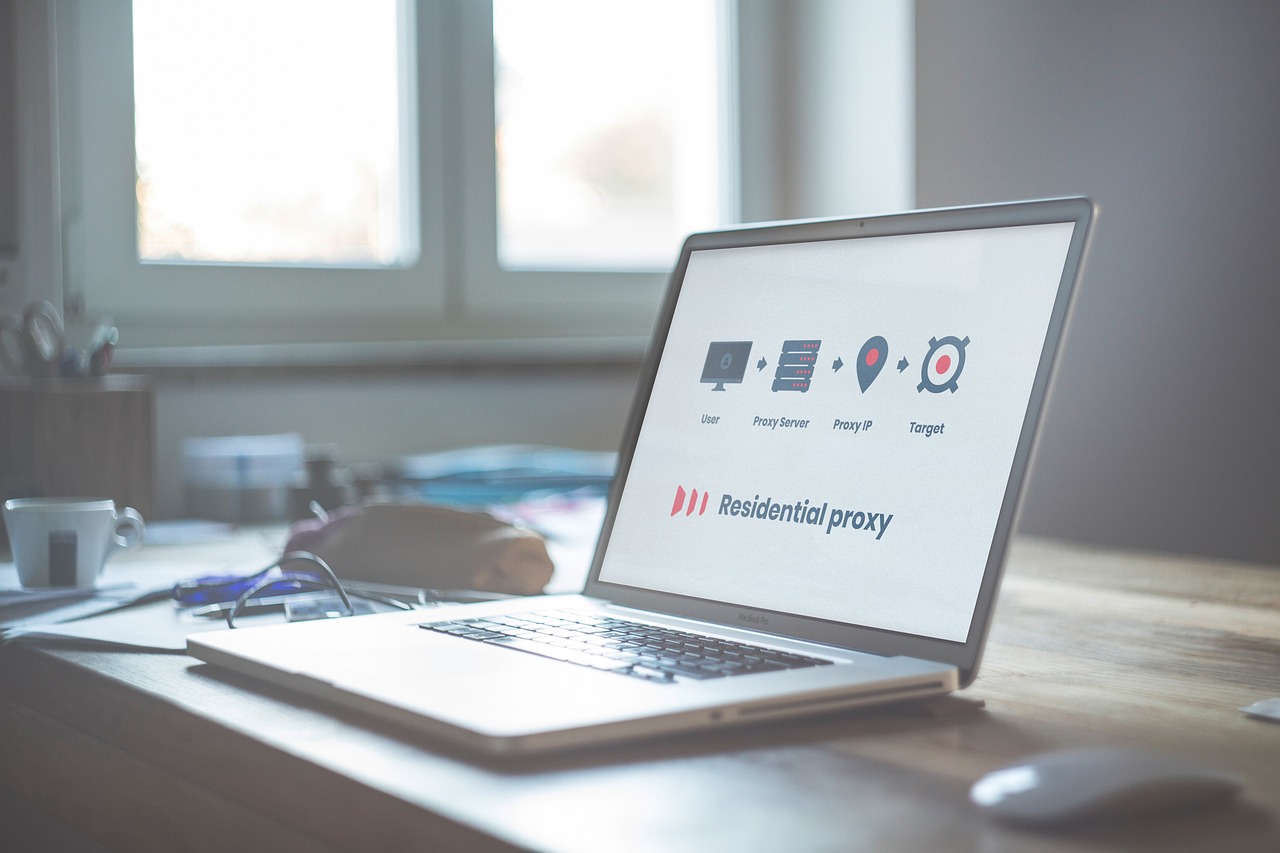
This is where proxies become essential. Proxies act as intermediaries between your scraping script and the target website, masking your real IP address and making your requests appear to come from different locations. But not all proxies are created equal. Residential proxies (IP addresses from actual home internet connections) work best for retail scraping because they look like regular user traffic.
I've tested dozens of proxy providers over the years, and here's what I've learned: free proxies are almost always worthless for serious scraping. They're slow, unreliable, and often already blacklisted by major retailers. Paid residential proxy services, while more expensive, provide the reliability and rotation capabilities you need for consistent price monitoring.
Advanced Techniques: Building a Complete Price Monitoring System
Once you've mastered basic scraping and proxy management, you can build something truly powerful: a complete price monitoring system. This isn't just about checking one product on one website—it's about creating a dashboard that shows you price histories, trends, and alerts across your entire watchlist.
Here's how I structure my monitoring systems:
First, I create a database to store historical prices. Every time I scrape a product, I record the price, timestamp, and retailer. This creates a price history that's incredibly valuable for spotting trends. You can see seasonal patterns, identify the best times to buy certain products, and recognize when prices are artificially inflated.
Second, I set up alerting. If a price drops below a certain threshold, I want to know immediately. This could be through email, SMS, or push notifications. The key is speed—when you're dealing with limited-time deals or pricing errors, minutes matter.
Third, I add comparison features. Instead of just monitoring Office Depot, I track the same product across multiple retailers. This gives me a complete market view and helps me identify which retailer consistently has the best prices for different product categories.
Real-World Example: Tracking That $1,000 Hard Drive

Let's apply everything we've discussed to the original problem: Office Depot's $1,000 hard drive. How would a proper scraping system handle this?
First, my monitoring system would have detected the price spike immediately. Since I track price histories, it would know that this particular hard drive normally sells for $150-$200. A jump to $1,000 would trigger multiple alerts: one for the absolute price, and another for the percentage increase.
Second, the system would automatically check competing retailers. Within minutes, I'd know if this was an isolated Office Depot issue or a market-wide phenomenon. In this case, it was clearly an anomaly—other retailers were still selling the drive at normal prices.
Third, I could set up automatic reporting. Maybe I want to track how long the inflated price persists. Does Office Depot correct it within hours? Days? This data becomes valuable for understanding how different retailers handle pricing errors.
The beauty of this approach is that it's proactive rather than reactive. Instead of stumbling upon outrageous prices by accident, you're systematically monitoring the market and getting alerted to opportunities (and rip-offs) as they happen.
Common Mistakes and How to Avoid Them
I've made plenty of mistakes in my scraping journey, so let me save you some headaches. Here are the most common pitfalls and how to avoid them:
Mistake #1: Too aggressive scraping. If you send requests too quickly, you'll get blocked. The solution? Implement delays between requests and respect robots.txt files. I usually start with 5-10 second delays and adjust based on the website's response.
Mistake #2: Not handling website changes. Retail websites update their designs constantly. Your perfectly working scraper might break overnight. The fix? Regular testing and robust error handling. Assume things will break and plan accordingly.
Mistake #3: Ignoring legal considerations. While price scraping is generally legal for personal use, commercial use or violating terms of service can get you in trouble. Always check a website's terms and consider consulting legal advice for commercial projects.
Mistake #4: Underestimating maintenance. Scraping isn't a set-it-and-forget-it solution. It requires ongoing maintenance. Budget time for updates, testing, and improvements.
Tools That Make Scraping Easier in 2026
While you can build everything from scratch, there are tools that dramatically simplify the process. For beginners or those who don't want to manage infrastructure, platforms like Apify offer ready-made solutions for common scraping tasks. They handle proxy rotation, CAPTCHA solving, and browser automation, letting you focus on the data rather than the technical details.
For hardware, having reliable equipment helps. I recommend Raspberry Pi 5 for running lightweight scraping scripts 24/7 without keeping your main computer on. For more intensive scraping, a mini PC with good processing power can handle multiple concurrent scrapes.
And if you need custom development but don't have the skills yourself, consider hiring through Fiverr to build your initial scraping setup. Many developers specialize in web scraping and can create tailored solutions for your specific needs.
Conclusion: Take Control of Your Shopping
That $1,000 hard drive at Office Depot isn't just a funny internet story—it's a wake-up call. In today's dynamic retail environment, prices can change in ways that don't make sense to human shoppers. But with web scraping and price monitoring, you don't have to be at the mercy of these fluctuations.
Start small. Pick one product you're planning to buy and track its price across a few retailers. Experiment with basic scraping scripts or try a no-code tool. Pay attention to patterns. Notice how prices change throughout the day, week, and month.
Remember: every outrageous price you see is an opportunity. Either to avoid getting ripped off, or to understand the market better. In 2026, data is power—and with the right scraping approach, that power is accessible to everyone.
The next time you see a price that makes you say "WTF?!?!" you'll know exactly what to do about it.
