



Introduction: When Tech Giants Meet Main Street
Picture this: You're living in a quiet Missouri town, population maybe 15,000. The biggest news lately was the high school football team's winning streak. Then suddenly, you hear whispers about a massive data center coming to town—a facility that could consume as much electricity as 30,000 homes, require millions of gallons of water daily, and fundamentally change your community's character.
That's exactly what's happening right now in 2026. And residents aren't just sitting back. They're demanding something radical in today's tech-driven world: actual democratic input through a special election.
This isn't just a local story. It's a blueprint for what's happening across America as tech infrastructure collides with community rights. In this article, we'll explore what data centers really mean for communities, how citizens are fighting back, and what tools you need if this battle comes to your town.
The Missouri Showdown: What's Really at Stake
Let's get specific about what's happening in Missouri, because the details matter. From what I've gathered from local reports and discussions, we're talking about a proposed data center that would cover hundreds of acres. We're not talking about a small server closet here—this is industrial-scale computing infrastructure.
The concerns residents are raising aren't just NIMBYism (though let's be honest, some of that exists too). They're practical, grounded worries:
- Water usage: Modern data centers need water for cooling. A lot of water. In drought-prone areas or communities with aging infrastructure, this isn't trivial.
- Power grid strain: These facilities can draw as much power as small cities. That means potential brownouts for residents or massive infrastructure upgrades paid for by... well, someone.
- Traffic and noise: Construction alone can last years. Then there's the constant hum of cooling systems—24/7/365.
- Property values: Some worry about impacts on nearby homes. Others see potential tax revenue benefits.
What's fascinating here is the specific demand: a special election. Not just a town hall meeting. Not just a comment period. An actual vote where every registered voter gets a say. That's significant because it bypasses the usual backroom deals and puts power directly in residents' hands.
Why Data Centers Are Different From Other Development
I've covered tech infrastructure for years, and data centers are unique animals. They're not like building a new factory or shopping mall. Here's why:
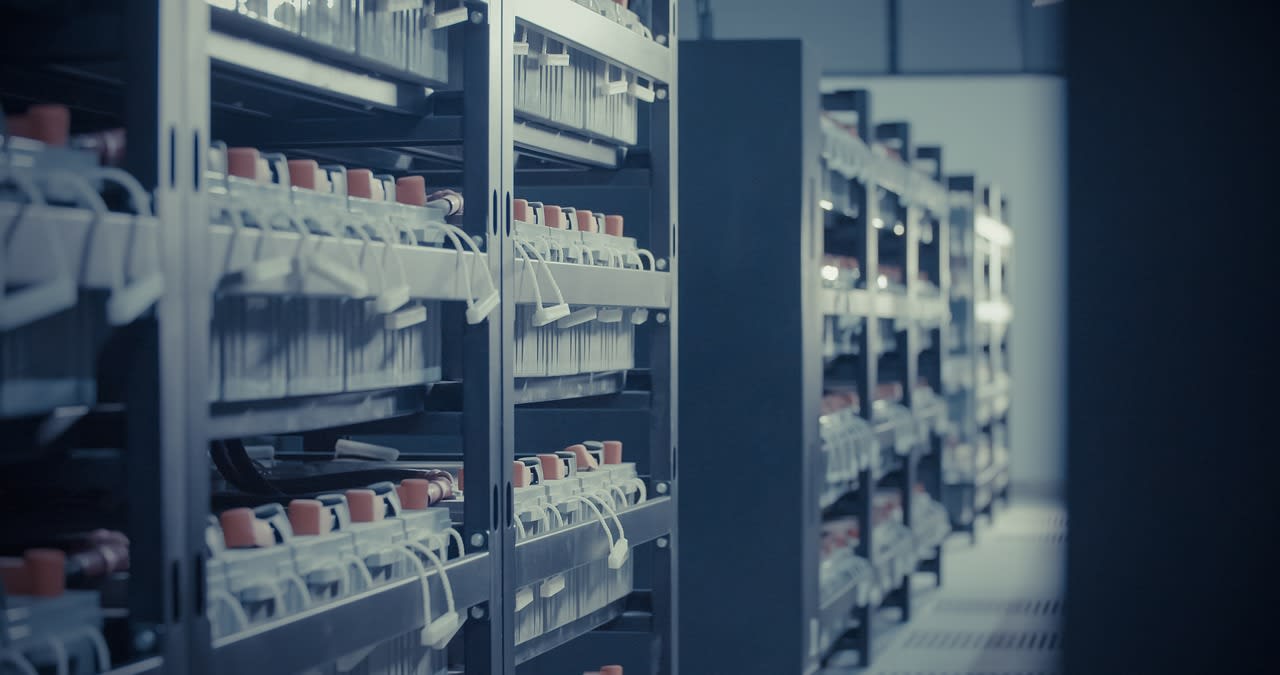
First, the scale is deceptive. From the outside, they might look like boring warehouses. But inside? They're packed with servers running 24/7, generating immense heat that needs constant cooling. The energy consumption is staggering—some facilities use more power than entire towns.
Second, the economic benefits aren't always what they seem. Yes, there are construction jobs initially. But once built? These facilities often employ surprisingly few people relative to their size and investment. We're talking maybe 50-100 high-skilled technicians managing thousands of servers. Compare that to a manufacturing plant of similar square footage that might employ hundreds.
Third, the environmental impact is complex. Tech companies love to tout their renewable energy commitments, but the reality on the ground can be different. If the local grid is powered by coal, that data center is running on coal, regardless of what renewable credits the company buys elsewhere.
And here's something most people don't consider: data centers have become critical infrastructure. They're not just hosting cat videos. They're running hospitals, banks, emergency services. Once built, they become essential—which gives operators tremendous leverage in future negotiations.
The Special Election Strategy: Why It's Gaining Traction
So why are Missouri residents specifically demanding a special election instead of working through normal channels? From what I've seen in similar battles, there are several strategic reasons:
Special elections force transparency. When something goes to a public vote, all the details have to come out. No more vague promises about "economic benefits" without specific numbers. No more hiding environmental impact studies in technical jargon. Everything gets scrutinized because opponents will dig into every detail.
They also change the power dynamic. Normally, these deals get negotiated between company representatives and a handful of elected officials behind closed doors. By the time the public hears about it, the framework is already set. A special election flips that script—the public gets to weigh in before anything is finalized.
But here's the practical reality: organizing for a special election is hard work. You need to gather signatures (usually a percentage of registered voters). You need to educate your neighbors. You need to counter well-funded corporate PR campaigns. And you need to do it all while people are busy with jobs, families, and life.
The Missouri group appears to be using digital tools effectively—social media for organizing, online petitions to demonstrate support, and digital flyers to spread information. This is crucial because traditional media might not cover your local fight until it's already big news.
Tools for Citizen Tech Oversight: What You Actually Need
If you're facing a similar situation in your community, you'll need more than just passion. You'll need specific tools and knowledge. Based on what's working in Missouri and other battles I've followed, here's your practical toolkit:
First, information gathering. You can't fight what you don't understand. Start by requesting all public documents related to the proposal. Most states have sunshine laws that require municipalities to provide these. Look for:
- Environmental impact assessments
- Traffic studies
- Water usage projections
- Energy consumption estimates
- Tax incentive agreements
This is where technology can help. If documents are provided as scanned PDFs or data is buried in websites, you might need extraction tools. Services like Apify can help automate data collection from municipal websites or document portals, saving you countless hours of manual work.
Second, community organizing platforms. You'll need to coordinate volunteers, track signature gathering, and communicate efficiently. Tools like Action Network, Mobilize, or even well-organized Facebook Groups can make the difference between a scattered effort and a focused campaign.
Third, professional help when needed. Sometimes you need experts. Environmental lawyers can identify flaws in impact studies. Urban planners can analyze traffic projections. Platforms like Fiverr can connect you with affordable professionals for specific tasks like creating compelling infographics from dry data or designing effective campaign materials.
And don't forget physical tools. For door-knocking campaigns, a good tablet with offline-capable apps can track conversations and signatures. Fire HD 10 tablet offers decent performance at community-organizing-friendly prices.
What Tech Companies Don't Tell You (But You Should Know)
Having spoken with both community activists and former data center planners, there are some uncomfortable truths about these facilities that rarely make it into press releases.
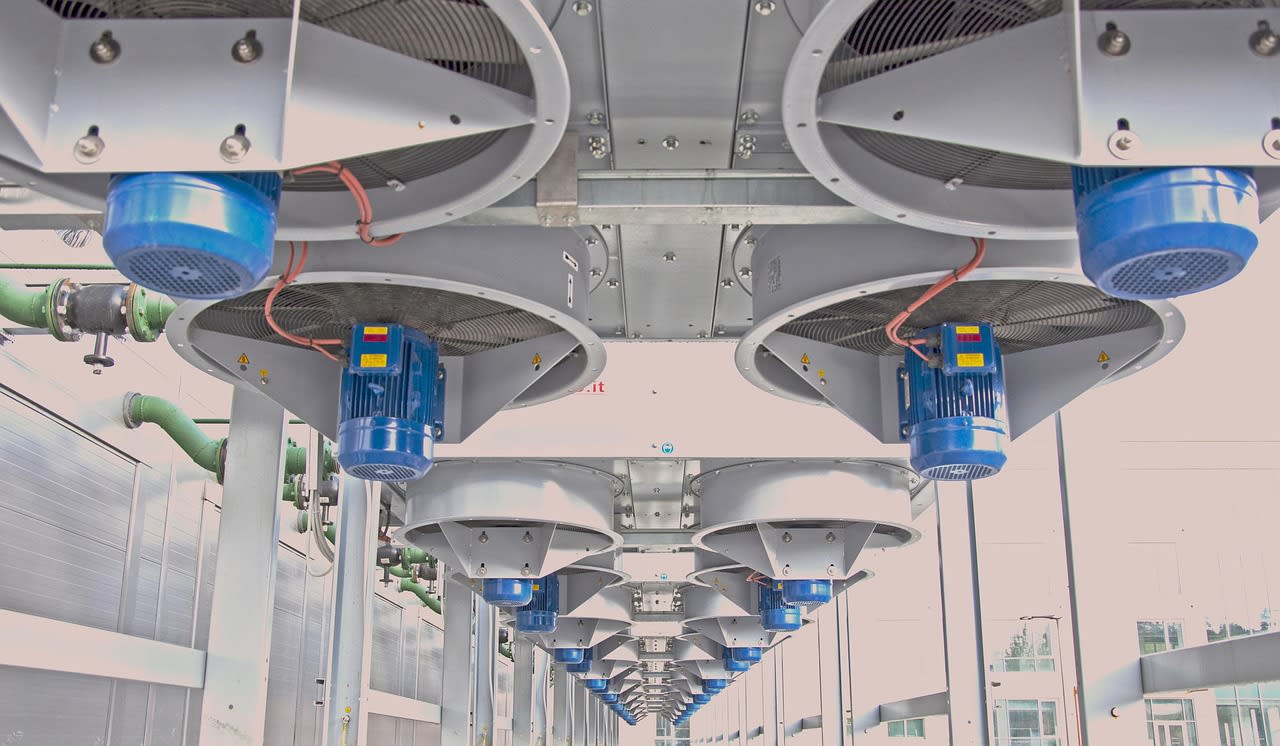
The noise is constant. I mean 24/7 humming and fan noise. Not airplane-loud, but always there. If you're within a mile or two, you'll hear it on quiet nights. Some facilities use massive cooling towers that sound like perpetual jet engines.
Then there's the light pollution. These places are lit up like stadiums all night for security. If you're in a rural area used to seeing stars, that changes dramatically.
Water usage is often downplayed. Companies talk about "efficient cooling systems" but rarely volunteer that "efficient" might still mean millions of gallons daily. In areas with water scarcity, this isn't just an inconvenience—it's potentially catastrophic for agriculture or residential use.
And here's the kicker: many of these facilities are designed for expansion. What starts as 100 acres might have options for 300 more. What's approved as a 50-megawatt draw might be built with infrastructure for 200 megawatts. The initial proposal is often just phase one.
This is why Missouri residents are so focused on getting everything out in the open now. Once the foundation is poured, expansion becomes much harder to stop.
How to Analyze a Data Center Proposal Like a Pro
Let's get practical. If a proposal lands in your community, here's how to break it down systematically:
Start with the energy numbers. They'll usually give you a maximum power draw in megawatts. Convert that to something understandable: 1 megawatt powers about 750 homes. So a 100-megawatt data center uses as much power as 75,000 homes. Ask: Where is this power coming from? Is the local grid ready? Who pays for upgrades?
Look at water usage. They might measure in gallons per minute or acre-feet per year. An acre-foot is about 326,000 gallons. Compare that to local water availability. Ask your water district for average residential usage—then compare the data center's needs to the entire town's consumption.
Examine the tax deal. Many municipalities offer massive tax abatements to attract data centers. Sometimes for 10, 20, even 30 years. Run the numbers: What services does your town provide (schools, police, fire) versus what taxes will actually be collected? There's often a gap that existing residents end up covering.
Check the fine print on environmental commitments. "Carbon neutral" might mean buying offsets elsewhere rather than actually using renewable energy locally. "Water positive" could mean funding conservation projects far away while still draining your local aquifer.
I recommend creating a shared spreadsheet or document where multiple people can contribute findings. Logitech wireless keyboard and mouse combo can make community computer sessions more productive when analyzing documents together.
Common Mistakes Communities Make (And How to Avoid Them)
Watching these battles play out across the country, I've noticed patterns. Communities that lose often make the same mistakes. Here's what to avoid:
Getting divided too early. Tech companies are masters at finding community allies—maybe the chamber of commerce, construction unions, or property owners who stand to profit. They'll try to frame this as "progress vs. obstructionism." Don't take the bait. Focus on common ground: everyone wants transparent decision-making.
Underestimating the opposition's resources. These companies have PR firms, lawyers, and lobbyists on retainer. They'll have beautiful renderings showing green spaces and happy workers. Your hand-drawn signs and homemade flyers might feel inadequate. But authenticity often beats polish in local politics.
Getting bogged down in technical details. Yes, you need to understand the specifics. But most of your neighbors won't care about megawatt-hours or cooling efficiency ratios. They'll care about their water bill, their property value, their quiet neighborhood. Frame issues in human terms.
Waiting too long to organize. By the time you hear about it through official channels, deals might already be advanced. Set up Google Alerts for your town name plus terms like "data center," "tech campus," or "server farm." Monitor planning commission agendas regularly.
Neglecting digital documentation. Every meeting, every promise, every document should be recorded. Use your phone to audio record public meetings (check local laws first). Take photos of presentation slides. Create a shared drive where everything lives. This becomes crucial when memories fade or details get "forgotten" by officials.
The Bigger Picture: This Is Happening Everywhere
What's happening in Missouri isn't unique. In 2026, we're seeing similar battles in Virginia's data center alley, in rural Oregon, in Arizona desert communities. The pattern is clear: as cloud computing expands and AI demands more processing power, tech companies need more physical space.
And they're not just picking locations randomly. They look for:
- Cheap land (often agricultural or rural)
- Tax-friendly jurisdictions
- Access to power and water infrastructure
- Political climates favorable to business
What's changing now is community pushback. People are realizing that once these facilities are built, they're there for decades. The decisions made today will shape communities for generations.
This is why the special election demand is so significant. It represents a shift from reactive opposition to proactive democratic control. It's saying, "Before you transform our community, you need our explicit permission."
Your Action Plan: If This Comes to Your Town
Let's wrap this up with something practical. If you're reading this and thinking, "This could happen here," here's your 30-day action plan:
Week 1: Research your local processes. How are large developments approved? What triggers require public votes? What's the petition process for a special election? Document everything.
Week 2: Build your network. Identify neighbors who care about community planning, environment, or transparency. Don't just find people who agree with you—find people with complementary skills: legal knowledge, organizing experience, tech skills.
Week 3: Create your information hub. A simple website or Facebook group where you can share findings. Set up communication channels (Signal or Telegram groups work well for secure organizing).
Week 4: Start monitoring proactively. Attend planning commission meetings even when nothing controversial is on the agenda. Understand how your local government works before there's a crisis.
And invest in some basic gear. A good portable recorder for meetings, a reliable external hard drive for document storage, and maybe a portable document scanner for when you get paper documents. These small investments pay off when you need to move quickly.
Conclusion: Democracy in the Digital Age
The Missouri data center fight isn't really about servers or cooling systems. It's about something more fundamental: who gets to decide what our communities become in the digital age.
For years, tech infrastructure decisions have been made by experts behind closed doors. The assumption was that regular people couldn't possibly understand the complexities. But what we're seeing in 2026 is that people are smarter than they're given credit for. They're asking hard questions. They're doing their research. And they're demanding a seat at the table.
The special election demand represents a new model for tech governance—one where communities don't just react to proposals but actively shape them. It's messy. It's slow. It's democracy at its most granular level.
But here's what I've learned from watching these battles: when communities organize, when they arm themselves with information, when they use both digital tools and old-fashioned door-knocking, they can level the playing field against even the biggest tech giants.
Your town might be next. And now you know what to do.
