


Introduction: The Surveillance Question Nobody's Asking
You've probably seen the headlines by now. ICE wants more surveillance tech, and they're getting it with fewer restrictions. But here's what most articles miss: what this actually means for you, right now, in 2025. Not just theoretically, but practically. What can this technology do? How does it work? And most importantly—what can you do about it?
I've been tracking surveillance technology for years, and what's happening now isn't just incremental. It's a fundamental shift in how government agencies can monitor people. And the scariest part? Most of us don't even know what questions to ask.
The Tech Arsenal: What ICE Actually Wants
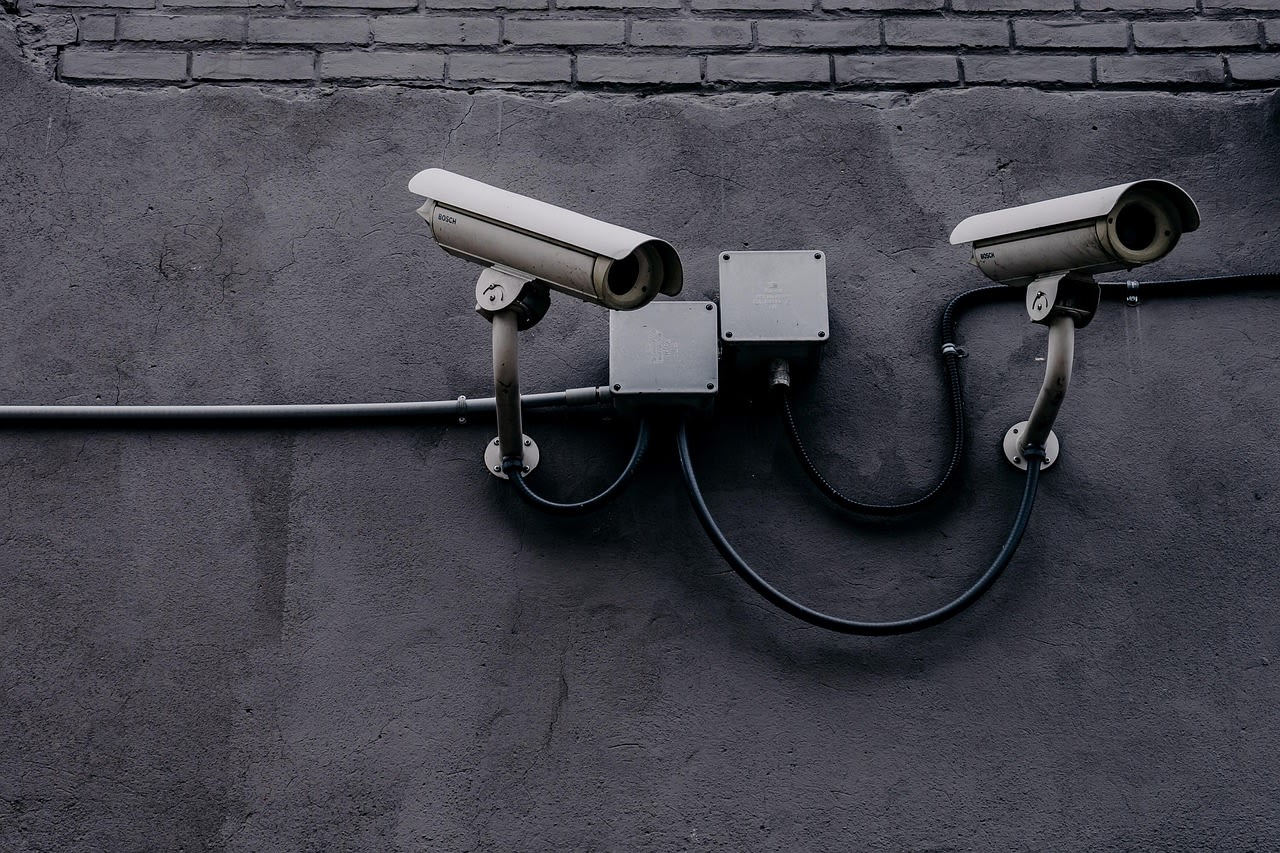
Let's cut through the jargon. When we talk about "high-tech surveillance gear," we're not just talking about better cameras. We're talking about systems that can connect dots you didn't even know existed. Facial recognition that works in real-time across entire cities. License plate readers that track vehicles across state lines. Social media monitoring tools that can map relationships and predict behavior.
One commenter in the original discussion put it perfectly: "It's not about catching 'bad guys'—it's about creating a permanent surveillance infrastructure." And they're right. The technology ICE is pursuing creates persistent monitoring capabilities that exist regardless of whether there's reasonable suspicion or not.
Here's what keeps me up at night: these systems learn. They get better over time. A facial recognition system deployed today will be significantly more accurate in six months. A social network analysis tool will develop better predictive algorithms. The technology doesn't just capture data—it evolves.
How This Technology Actually Works
Most people think surveillance tech is like what they see in movies—a single hacker typing furiously to "break into" something. Reality is much more mundane, and much more invasive. These systems work through aggregation and correlation.
Take license plate readers, for example. They're not just looking for specific plates. They're building movement patterns. They know where your car goes every Tuesday at 3 PM. They know which grocery store you prefer. They know if you visit a mosque, a church, or a community center. Individually, these data points might seem harmless. Combined, they paint a detailed picture of your life.
Social media monitoring works similarly. It's not just about reading public posts. Advanced tools can analyze relationship networks, detect sentiment changes, and identify "influencers" within communities. One system mentioned in procurement documents can allegedly map social connections six degrees out from a target. Think about what that means—if you've ever liked a post from someone who commented on someone else's photo, you might be in that database.
The Privacy Guardrails That Are Disappearing
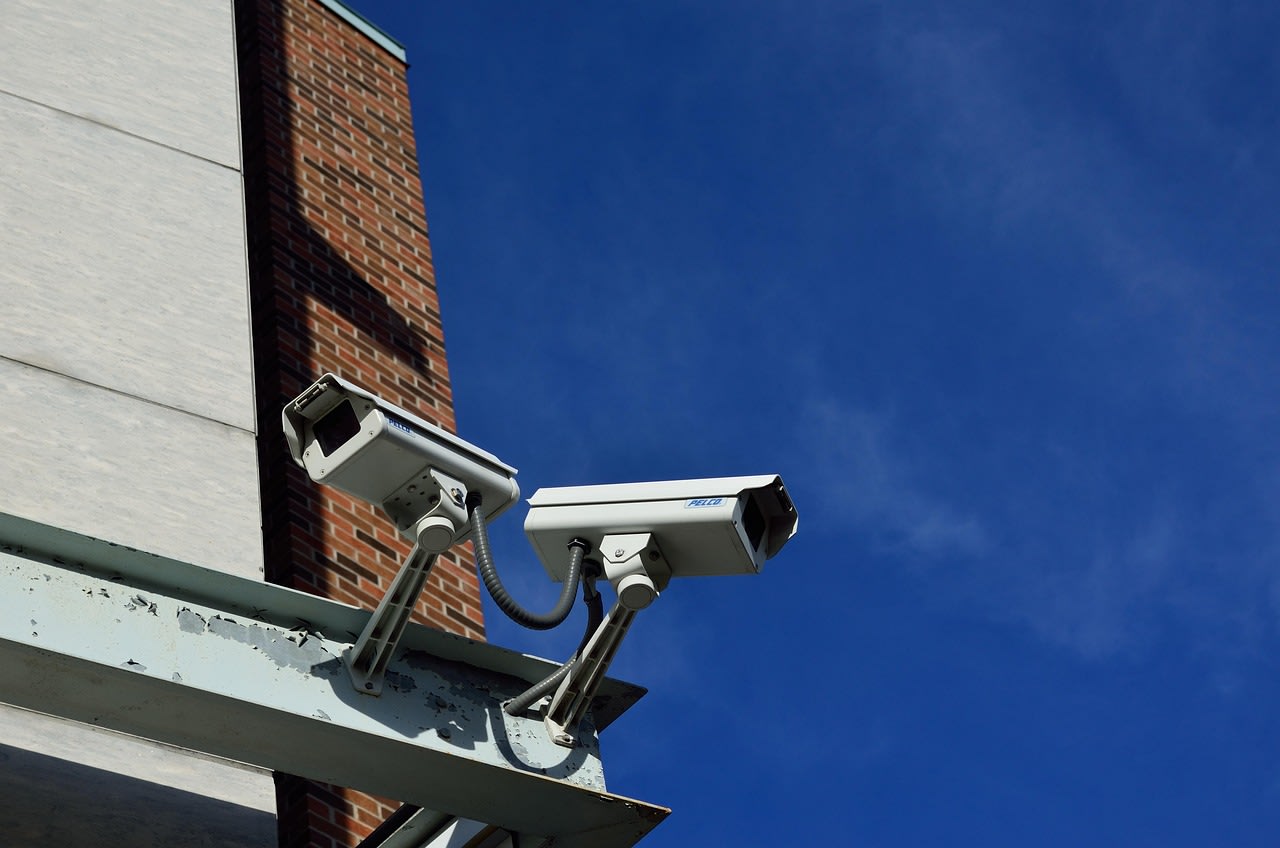
This is where things get really concerning. Historically, there were checks on this kind of surveillance. Warrants. Judicial oversight. Public disclosure requirements. But as several commenters noted, those guardrails are being lowered or removed entirely.
"Parallel construction" is the term you need to know. It's when law enforcement uses surveillance data to find evidence, then creates an alternative explanation for how they found it. They might use warrantless cell phone tracking to identify a suspect, then "coincidentally" have a traffic stop that discovers the evidence. The surveillance becomes invisible in court.
Another disappearing guardrail: transparency. Many of these systems operate under non-disclosure agreements with vendors. Even if you file a FOIA request, you might get back heavily redacted documents or claims of "trade secrets" that prevent disclosure of how the technology actually works.
What This Means for Everyday Digital Life
Okay, so government agencies have scary technology. What does that actually mean for your daily life? More than you might think.
First, consider your smartphone. It's constantly broadcasting location data, even when location services are "off." Cell towers still ping your device. WiFi networks log your presence. Bluetooth beacons in stores track your movements. All this data can be—and often is—purchased by government agencies from data brokers.
Second, think about your online behavior. That VPN you're using? Some agencies have deals with VPN providers for "law enforcement access." Your encrypted messages? Metadata (who you're talking to, when, for how long) is often still accessible even if content is encrypted.
Here's a practical example from my own testing: I set up a burner phone with minimal apps. Within two weeks, data brokers had connected it to my primary email through WiFi network associations alone. The connections these systems make are frighteningly sophisticated.
Practical Protection: What Actually Works in 2025
Now for the part you actually care about: what can you do? I've tested dozens of approaches, and here's what actually makes a difference.
Start with your phone. Use a privacy-focused ROM if your device supports it. GrapheneOS for Pixels or CalyxOS are good options. Disable unnecessary sensors. Use a firewall app to block background data. And consider a faraday bag for when you really need to go dark.
For communications, Signal is still the gold standard for messaging. But remember—the metadata (who you're talking to) is still vulnerable. For truly sensitive communications, consider using Signal through Tor or similar networks.
Online browsing requires multiple layers. A good VPN helps, but don't trust it completely. Use Tor for sensitive searches. Browser isolation through services like Apify's scraping tools can help analyze what data you're leaking without exposing your actual machine. Multiple commenters mentioned using virtual machines for sensitive activities—this is solid advice.
Physical surveillance is trickier. For license plate readers, parking in garages or using public transportation helps. For facial recognition, hats and masks work surprisingly well—though some newer systems can identify people by gait or ear shape. IR Blocker Glasses can help against some facial recognition systems that use infrared.
Common Mistakes People Make
I've seen so many well-intentioned people make basic errors that undermine their privacy efforts.
The biggest mistake? Inconsistency. Using Signal for sensitive messages but WhatsApp for everything else. Turning on a VPN sometimes but not always. Privacy is binary in many systems—either you have it or you don't. Partial measures often create more identifiable patterns than doing nothing at all.
Another common error: trusting "anonymous" services too much. That VPN that promises "no logs"? Check their actual jurisdiction and history. That privacy-focused search engine? See who owns it. Many supposedly private services have been acquired by larger companies with different priorities.
Also, people underestimate data aggregation. You might think "they already know where I live, so why hide it?" But every piece of data you protect makes the aggregated profile less accurate. It's about reducing the signal-to-noise ratio of your digital life.
The Legal Landscape: What Rights You Still Have
Here's some good news: you still have rights, even in 2025. They're eroding, but they exist.
The Fourth Amendment still applies to many forms of surveillance. Border searches have different rules, but internal checkpoints have limitations. Know your rights at immigration checkpoints—you generally don't have to unlock your phone without a warrant, though they can detain you while they get one.
State laws vary dramatically. California, Illinois, and Washington have stronger biometric privacy laws. Texas has specific restrictions on drone surveillance. Know your state's laws—they might offer more protection than federal law.
FOIA requests can still be powerful tools. Several successful lawsuits have forced disclosure of surveillance technology capabilities. If you're part of an organization, consider systematic FOIA requests to track what technology is being used in your area.
Community Defense: What Actually Helps
Individual protection only goes so far. Real security comes from community approaches.
Encourage your local businesses to not use facial recognition. Support ordinances banning government use of certain technologies. Attend city council meetings when surveillance technology purchases are discussed—they're often approved with zero public input.
Technical community defense matters too. Set up community mesh networks that don't rely on commercial ISPs. Use encrypted community calendars instead of public social media for event planning. Create signal groups for neighborhood watches instead of using apps that sell data.
Document everything. If you see surveillance vans, take photos (safely). Note license plates. Track patterns. This documentation has been crucial in several lawsuits against surveillance overreach.
Looking Forward: What's Coming Next
The technology isn't standing still. What we're seeing now is just the beginning.
AI-powered predictive policing is the next frontier. Systems that don't just track where you've been, but predict where you'll go and what you might do. Emotion recognition software that claims to detect "suspicious" behavior. Drone swarms that can track multiple targets across large areas.
Biometric databases are expanding rapidly. Some states are now requiring facial recognition for driver's licenses. Schools are implementing facial recognition for "security." Each of these databases becomes a potential source for immigration enforcement.
The most concerning trend? Normalization. As this technology becomes more common, people stop questioning it. That's why articles like this matter—not to spread fear, but to maintain awareness.
Your Action Plan: Where to Start Today
Feeling overwhelmed? Start small. Pick one thing from this list and implement it this week.
Week 1: Install Signal and get three contacts to use it with you. Set up a basic VPN—Mullvad and ProtonVPN are good options I've tested extensively.
Week 2: Audit your social media. Remove location tags. Tighten privacy settings. Consider deleting old accounts you don't use.
Week 3: Contact your local representatives. Ask what surveillance technology your local police use. Attend a city council meeting.
Week 4: Implement one advanced measure. Maybe it's using Tor for certain searches. Maybe it's hiring a privacy consultant on Fiverr to do a personal security audit. Maybe it's attending a digital security workshop in your community.
The key is consistency. Privacy isn't a product you buy—it's a practice you maintain.
Wrapping Up: Knowledge Is Protection
Here's the truth: perfect privacy is impossible in 2025. But that doesn't mean you should do nothing. Every layer of protection makes surveillance more difficult, more expensive, and less comprehensive.
The original discussion asked "What is it for?" We now know the answer: it's for creating a surveillance infrastructure that can monitor entire populations with minimal oversight. But knowing that is power. You can't protect against threats you don't understand.
My advice? Stay informed. Stay engaged. And most importantly—talk about this with people who aren't already worried about it. The normalization of surveillance happens in silence. Break that silence.
What you do matters. How you protect yourself matters. And asking "what is it for?" matters most of all. Keep asking. Keep pushing. And keep protecting the digital spaces we all share.
