

The 1PB Wake-Up Call: When Your Data Hoard Demands Respect
You know that moment. The one where your "temporary" storage solution—a tower of mismatched drives, USB hubs daisy-chained like holiday lights, and that one external drive that's been clicking ominously for months—finally breaks you. That's where our Reddit friend found themselves. "You complained about it," they said. And then they did something about it. Two racks. Proper infrastructure. 2.5GbE networking throughout the house. Over a petabyte of data suddenly taken seriously.
But here's the thing most data hoarders discover too late: once you've got the physical infrastructure sorted, you face the next challenge. How do you feed this beast? How do you responsibly collect the terabytes of data you're suddenly equipped to store? That's where web scraping and proxy management enters the chat—and if you're not prepared, you'll find yourself blocked, throttled, or worse, facing legal notices.
In this guide, we're going to bridge that gap. We'll start with the rack setup (because mad max energy is great, but wife-approved infrastructure is better), move through network considerations, and then dive deep into the proxy strategies that let you scale your data collection without getting burned. This isn't just theory—this is what actually works in 2026 when you're dealing with serious volume.
Rack Reality: Why Your 1PB+ Hoard Needs Structure
Let's talk about those two racks. Our Reddit hero didn't just buy them for aesthetics (though let's be honest, a clean rack setup does spark joy). They bought them because chaos has a cost. When you're dealing with 1PB+ of data, you're typically looking at 20-30 drives minimum, depending on your RAID configuration and drive sizes. That's 20-30 power cables, 20-30 data cables, multiple servers or NAS units, switches, routers, and probably a UPS that could power a small neighborhood.
Without a rack, this becomes a cable management nightmare. Heat builds up in weird pockets. Drives vibrate against each other, shortening their lifespan. You can't easily slide a server out for maintenance when it's buried under a spaghetti junction of cables. A proper rack gives you vertical space, proper airflow channels, and most importantly, organization. You can label everything. You can plan hot and cold aisles (even in a home setup). You can actually see what's connected to what.
From a scraping perspective, this matters more than you might think. Those scrapers need to run somewhere. Maybe you're using a dedicated scraping server, or perhaps you're running containers across multiple machines. A rack lets you properly host that infrastructure—keeping your scraping machines separate from your storage arrays, ensuring they have adequate cooling (scraping can be CPU intensive), and giving you room to expand when you inevitably need more scraping power.
Network Upgrades: Why 2.5GbE Matters for Modern Data Collection
"Nice to have some 2,5gbit around the house for that web looking and stuff." That casual line in the original post is actually huge. Most home networks in 2026 are still stuck on 1GbE, and that creates a bottleneck you might not notice until you try to move serious data. Let's break down why this upgrade matters for data hoarders who scrape.
First, internal transfers. When you scrape data, it needs to go somewhere. If you're collecting at scale—say, scraping image datasets, video metadata, or large document archives—you might be pulling down hundreds of gigabytes per session. With 1GbE, you're capped at about 125 MB/s theoretical maximum (real-world is often 110-115 MB/s). That means moving 1TB of scraped data to your storage array takes over 2.5 hours. With 2.5GbE, you're looking at 250-280 MB/s real-world, cutting that transfer time in half.
But here's the less obvious benefit: concurrent operations. With multiple scrapers running (which you should be doing with proper proxy rotation), each needs network bandwidth. If you have four scrapers each pulling data at 50 MB/s, you've already saturated a 1GbE connection. 2.5GbE gives you headroom. It also future-proofs you for 10GbE, which is becoming more affordable for home labs every year.
For your actual scraping machines, consider dedicated network interfaces. One for your scraping traffic (going out through your proxies), and one for internal transfers to your storage. This separation prevents your scraping from affecting your ability to access your media or other network services. It's a pro move that makes life smoother.
The Proxy Imperative: Why Your ISP Hates Your Scraping Habits

Here's where we get to the core of sustainable data collection. If you're scraping at petabyte-scale volumes, you cannot do it from your home IP address. Just can't. Websites have gotten sophisticated in 2026. They don't just look for obvious bot behavior—they track request patterns, monitor IP reputation, and will throttle or block entire IP ranges that show scraping behavior.
Your home IP has a reputation. It's a residential IP, which is good for some things (bypassing certain blocks), but terrible for volume. Once you get flagged, you might find your entire household's internet slowed for certain services. Or worse, you might get a notice from your ISP about "abusive traffic patterns."
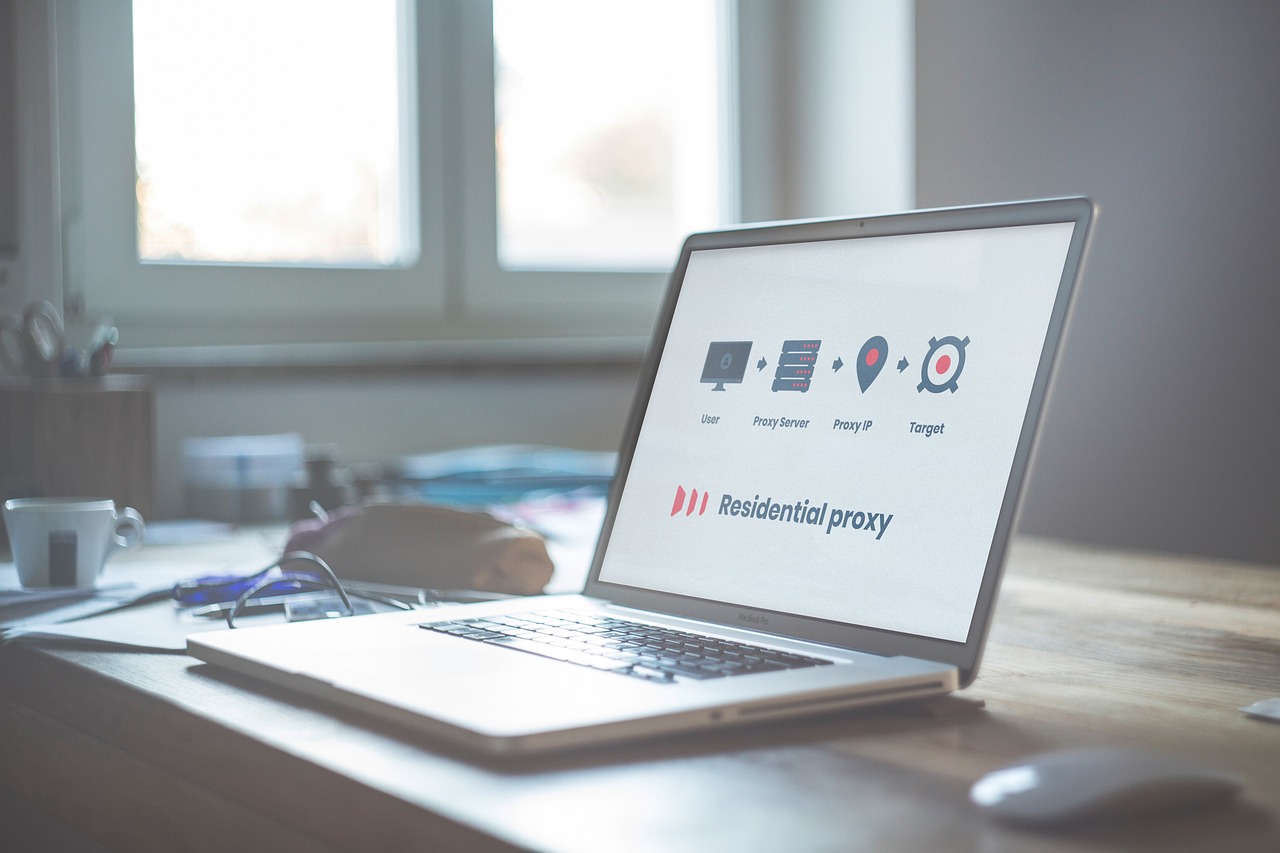
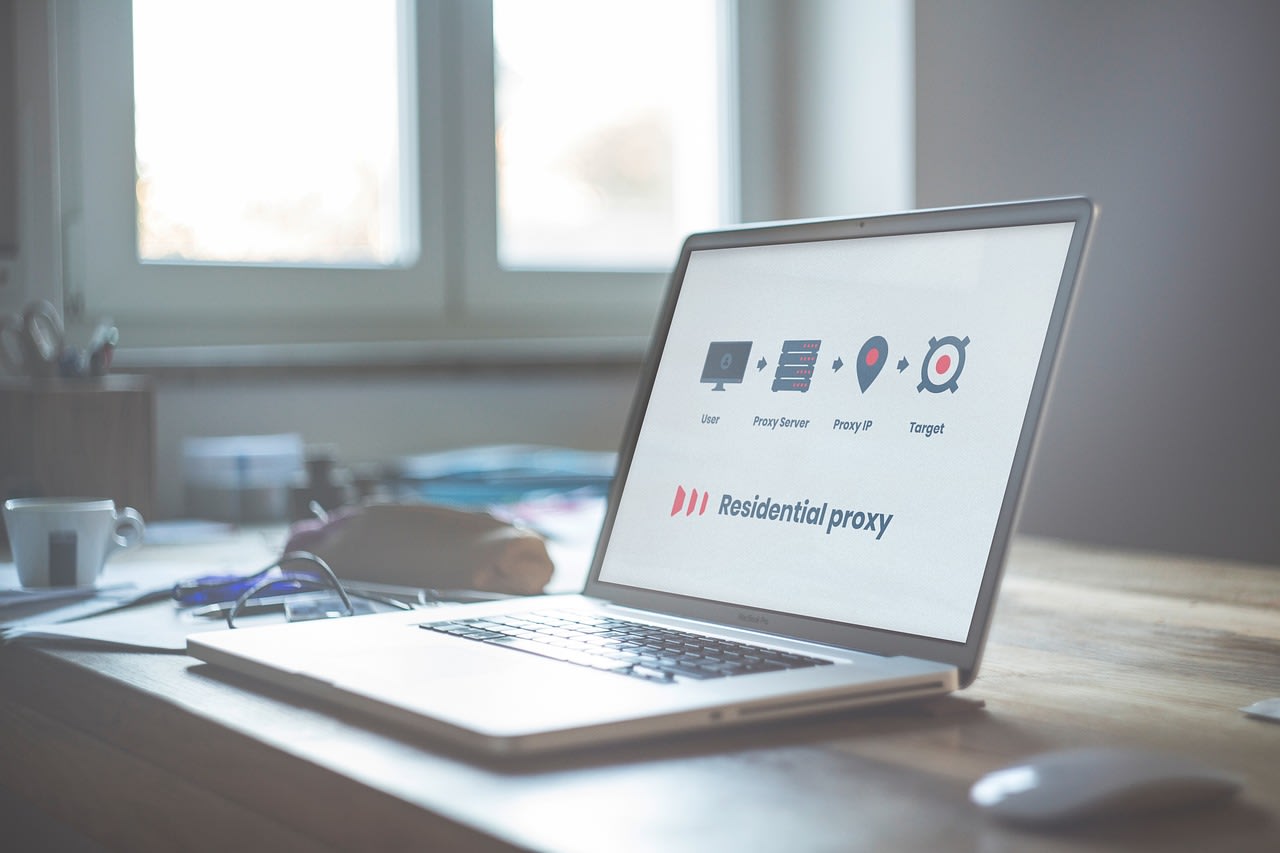
Proxies solve this by distributing your requests across multiple IP addresses. But not all proxies are created equal, and the wrong choice can get you blocked faster than no proxy at all. Datacenter proxies are cheap and fast, but they're easily detected (their IP ranges are known). Residential proxies are harder to detect but slower and more expensive. Mobile proxies are the gold standard for avoiding detection but come with serious cost and bandwidth limitations.
For most data hoarders, I recommend a hybrid approach. Use residential proxies for the initial discovery phase and for sites that are particularly aggressive about blocking. Use datacenter proxies for the actual bulk data transfer once you've identified what you need. And rotate them regularly—don't hammer a single proxy IP with thousands of requests.
Smart Proxy Rotation: Techniques That Actually Work in 2026
Rotation isn't just switching proxies every X requests. That's beginner stuff. In 2026, sites look for patterns in your rotation too. If you're always switching exactly every 100 requests, that's a pattern. If you're always using proxies from the same geographic sequence, that's a pattern. You need to introduce randomness and human-like behavior.
First, vary your rotation triggers. Sometimes switch after 50 requests. Sometimes after 200. Sometimes switch based on time elapsed rather than request count. Mix it up. Second, vary your user agents along with your proxies. Don't just rotate IPs while using the same exact browser signature—that's like wearing different hats but the same distinctive jacket.
Third, consider request timing. Humans don't make requests at perfectly spaced intervals. We pause. We click, read, then click again. Introduce random delays between requests. Not just a fixed 2-second delay—make it sometimes 1 second, sometimes 5, occasionally 10. This dramatically reduces your fingerprint.
Fourth, geographic consistency matters. If you're scraping a US site, use US proxies. If you suddenly switch to a proxy from Singapore, that's suspicious. But also, don't always use proxies from the same city. Mix it up within the target country or region.
For managing this complexity, tools like Apify's proxy rotation features can handle much of the heavy lifting. They maintain pools of proxies, handle the rotation logic, and can even automatically retry failed requests with different proxies. When you're dealing with petabyte-scale scraping, automating this layer is worth every penny.
Storage Considerations: Where Your Scraped Data Actually Lives
Back to those racks. You've got 1PB+ to fill. But not all data is equal, and not all of it needs to live on your fastest, most expensive storage. This is where tiered storage architecture saves both money and sanity.
Your scraping servers should have fast local storage—NVMe SSDs are ideal in 2026. This is where data lands initially. Process it there. Clean it. Deduplicate it. Transform it if needed. Then move it to your main storage array. That array should be a mix of SSD cache (for active projects) and high-capacity spinning drives (for the bulk storage).
Consider your RAID configuration carefully. For scraping projects where data can be re-scraped if lost (though at time cost), you might opt for RAID 0 or RAID 5 for maximum capacity. For irreplaceable or difficult-to-reacquire data, RAID 6 or ZFS with redundancy is worth the capacity trade-off.
And here's a pro tip: keep your scraping software and configuration separate from your data storage. Use a dedicated SSD for your scraping OS and tools. This way, if a scraping project goes sideways and you need to rebuild, you don't affect your data array. It also makes it easier to snapshot and backup your scraping configurations—which you should be doing. Nothing worse than spending weeks tuning the perfect scraper only to lose the configuration.
For physical drives, I've had good experience with Seagate Exos Enterprise Drives for high-capacity storage. They're designed for 24/7 operation and have better vibration resistance than consumer drives—important when you have dozens of them in close quarters.
Legal and Ethical Gray Areas: What You're Actually Allowed to Scrape

This is the part most data hoarders don't want to think about, but you must. Just because you can scrape something doesn't mean you should. And in 2026, the legal landscape has evolved.
First, check robots.txt. It's not legally binding in all jurisdictions, but ignoring it is a clear signal of bad faith. Second, respect rate limiting. If a site asks you to slow down, slow down. Third, be careful with personal data. GDPR in Europe, CCPA in California, and similar regulations worldwide impose serious restrictions on collecting personal information without consent.
Fourth, consider copyright. Facts aren't copyrightable, but the expression of those facts often is. A database of movie titles and release dates? Probably fine. The full text of reviews from a website? More problematic.
My approach: I only scrape data I have a legitimate research or archival purpose for. I avoid personal information unless absolutely necessary. I respect sites' terms of service when they're reasonable. And I never scrape for commercial resale unless I have explicit permission.
Also, document what you're doing. Keep records of when you scraped, what you scraped, and why. If you're ever questioned (unlikely but possible), being able to show you've thought about these issues matters.
Automation and Monitoring: Keeping Your Scrapers Alive
When you're running scrapers at scale, you can't babysit them. They need to run autonomously, and they need to tell you when something's wrong. This is where proper monitoring setup pays for itself.
First, implement health checks. Your scrapers should regularly report their status—requests per minute, success rate, proxy health, etc. Use a monitoring system like Prometheus with Grafana dashboards. Set up alerts for when success rates drop below a threshold (say, 95%), or when a scraper hasn't reported in for an expected interval.
Second, implement graceful failure handling. If a proxy fails, the scraper should switch to a backup without dropping all in-progress work. If a site returns an unexpected structure (they changed their HTML), the scraper should pause and alert you rather than throwing errors and dying.
Third, schedule your scraping intelligently. Don't hammer sites during their peak traffic hours. Spread your scraping across different times of day. Some sites are more tolerant overnight. Others have predictable maintenance windows where they expect less traffic.
Fourth, keep logs. Detailed logs. Not just "it worked" or "it failed," but what exactly was requested, what was returned, timing information, proxy used, etc. When something goes wrong (and it will), these logs are your only hope of debugging. Store them separately from your scraped data, and rotate/archive them regularly.
Common Mistakes Even Experienced Hoarders Make
Let's wrap with the pitfalls. I've seen these again and again, even from people who should know better.
Mistake 1: Underestimating bandwidth needs. You set up your scrapers, they work great, then you try to watch a 4K stream while they're running and everything buffers. Plan your bandwidth. Use QoS on your router to prioritize certain traffic. Or better yet, schedule heavy scraping for when you're not using the internet for latency-sensitive tasks.
Mistake 2: Single points of failure. One proxy provider. One scraping server. One path to your storage. Redundancy matters at scale. Have backup proxy providers. Have at least two scraping servers that can take over if one fails. Have multiple network paths to critical storage.
Mistake 3: Not testing at scale. Your scraper works great pulling 100 pages. Wonderful. Now try 100,000. Different problems emerge—memory leaks, connection pool exhaustion, disk I/O contention. Always test with at least 10x your expected production volume before relying on a setup.
Mistake 4: Ignoring maintenance windows. Drives fail. Proxies get banned. Sites change. Schedule regular maintenance to check your scrapers, update selectors if needed, replace failing hardware, and refresh your proxy pools. Sunday morning at 2 AM is a great time for this.
Mistake 5: Going it alone when you shouldn't. Sometimes, the scraping problem is particularly nasty. The site uses advanced bot detection. The data structure is complex. Instead of banging your head against it for weeks, consider hiring an expert on Fiverr who specializes in difficult scraping scenarios. Their experience can save you weeks of frustration.
Building a Sustainable Data Empire
That Reddit post captures a beautiful moment—the transition from chaotic data accumulation to intentional data architecture. The racks represent structure. The 2.5GbE represents planning for scale. And the 1PB+ represents ambition.
But the unspoken part is what comes next. Now that you have the cathedral, you need the liturgy. You need processes. You need sustainable practices for filling those racks with data that matters, collected in ways that won't get you blocked or in trouble.
Start with your infrastructure—get those racks organized, that network upgraded. Then build your scraping capabilities thoughtfully. Implement proper proxy rotation from day one. Monitor everything. Document everything. And always, always respect the sources you're collecting from.
Your data hoard should be a source of pride, not anxiety. With the right approach, it can be both massive and manageable. Both ambitious and ethical. Both personal and professional.
Now go forth and hoard responsibly. Your future self—and your internet connection—will thank you.
