



The Unthinkable Is Now Real: A Drug That Fixes Your DNA
Let's be honest—when you hear "DNA repair drug," it sounds like something from a sci-fi movie. The kind of thing where characters inject themselves and suddenly heal from catastrophic injuries. Well, welcome to 2025, where that fiction just became our reality. Researchers have developed the first pharmaceutical that can actually repair damaged DNA and regenerate tissue, and it's already showing remarkable results in human trials for heart disease.
But here's what most headlines miss: this isn't just about fixing hearts. The implications ripple across every aspect of medicine, from reversing aging damage to treating neurodegenerative diseases. And the science behind it? It's both simpler and more revolutionary than you might think.
I've been following regenerative medicine for over a decade, and I can tell you—this changes everything. Not tomorrow, not in some distant future, but right now. Let me walk you through what this breakthrough actually means, how it works, and why you should care even if you're perfectly healthy today.
How DNA Damage Became Medicine's Biggest Unanswered Problem
For years, we've been treating symptoms while ignoring the root cause. Think about heart disease treatments: statins manage cholesterol, beta-blockers control heart rate, stents prop open arteries. But none of these actually fix the damaged heart muscle itself. Once heart cells die from a heart attack, they're gone forever—replaced by scar tissue that doesn't pump blood effectively.
The same pattern repeats across medicine. We manage diabetes without restoring pancreatic function. We slow Alzheimer's progression without repairing brain cells. We treat cancer by killing cells (both good and bad) rather than fixing what went wrong in their DNA.
DNA damage accumulates throughout our lives. Radiation, chemicals, inflammation, even normal metabolism—they all chip away at our genetic blueprint. By age 50, the average cell has thousands of DNA lesions. Our bodies have repair mechanisms, but they're imperfect and slow. Eventually, the damage overwhelms the repair systems, leading to cell death, tissue degeneration, and disease.
What makes this new drug different is that it doesn't just slow damage or manage symptoms. It actively enhances the body's natural repair processes, helping cells fix their DNA and continue functioning properly. It's like giving your body's maintenance crew better tools and more workers.
The Science Behind the Miracle: How DNA Repair Actually Works
Okay, let's get technical for a minute—but I promise to keep it understandable. The drug targets a specific enzyme called DNA-dependent protein kinase (DNA-PK). Normally, this enzyme helps repair double-strand DNA breaks, which are particularly dangerous because they can completely break chromosomes.
Here's the problem: in many diseased tissues, DNA-PK doesn't work efficiently. It's like having a repair crew that shows up late and does sloppy work. The drug, currently known as DT-200, boosts DNA-PK activity specifically in damaged tissues. It doesn't just turn the enzyme on everywhere—that could cause problems—but rather enhances it where it's needed most.
The real magic happens in mitochondria, the power plants of our cells. Damaged mitochondria produce reactive oxygen species that cause more DNA damage in a vicious cycle. By repairing nuclear DNA, the drug reduces mitochondrial stress, which then produces less damaging compounds. It's a positive feedback loop that gets stronger over time.
In the heart disease trials, patients receiving DT-200 showed measurable regeneration of heart muscle tissue. Scar tissue decreased, and functioning heart muscle increased. That's unprecedented in cardiology. We've never been able to make the heart heal itself after damage—until now.
Beyond Hearts: The Staggering Range of Potential Applications
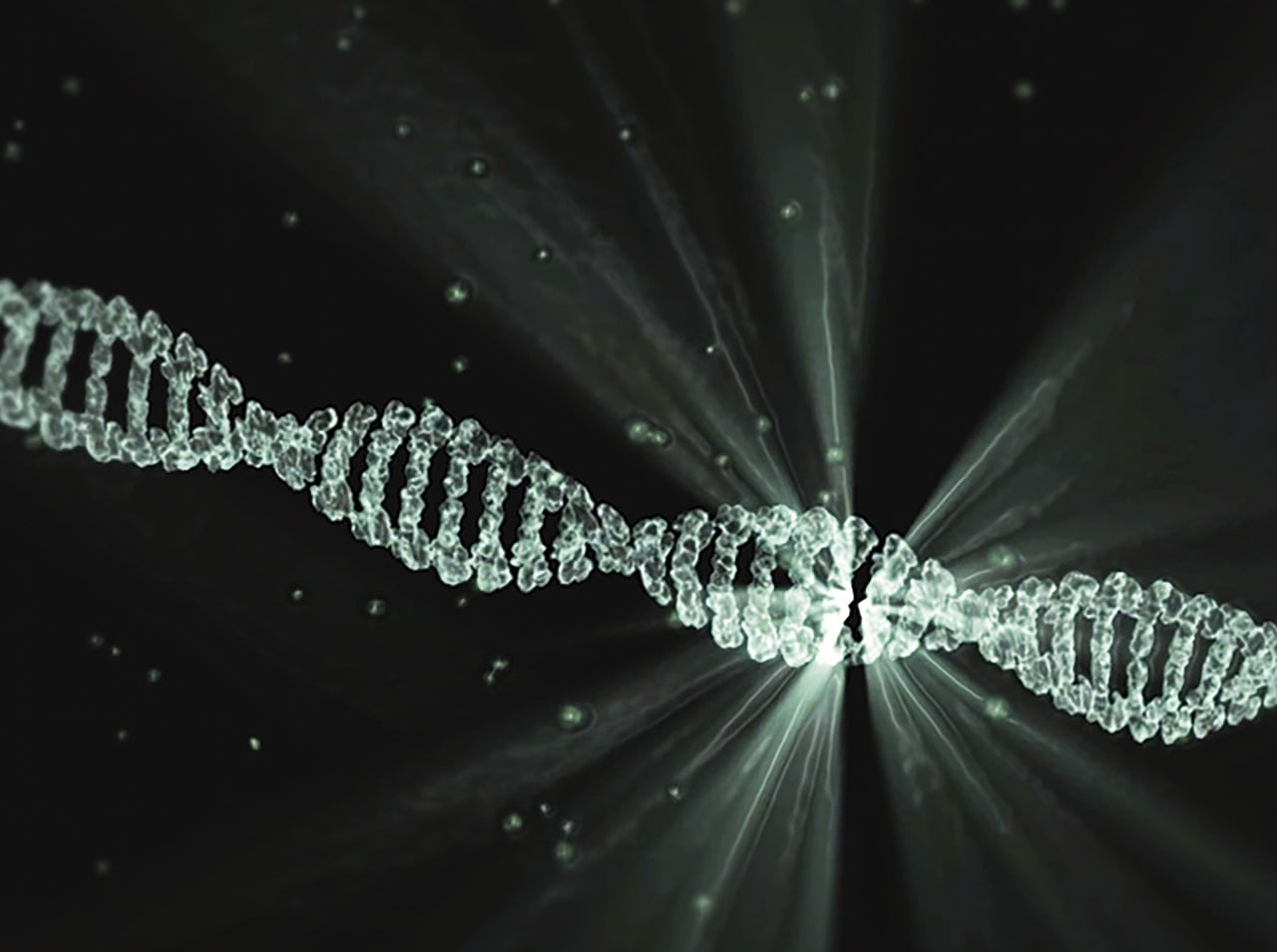
Now, here's where it gets really exciting. While the initial trials focused on heart disease (because it's the world's leading cause of death), the applications extend far beyond cardiology. Think about it: if a drug can repair DNA and regenerate tissue in the heart, why not in other organs?
Researchers are already exploring applications in:
- Neurological diseases: Alzheimer's, Parkinson's, and ALS all involve DNA damage in brain cells. Repair that damage, and you might slow or even reverse progression.
- Muscle wasting disorders: From age-related sarcopenia to muscular dystrophy, DNA damage contributes to muscle degeneration.
- Liver and kidney disease: These organs face constant toxin exposure that damages DNA over time.
- Radiation damage: Cancer patients undergoing radiation therapy suffer collateral DNA damage to healthy tissues.
- Normal aging: Much of what we call "aging" is accumulated DNA damage. This isn't about immortality, but about healthier aging.
One Reddit commenter put it perfectly: "This feels like we've been treating diseases by bailing water out of a sinking ship, and now someone's finally showing us how to patch the hole." That analogy captures exactly why this is different from previous medical advances.
The Practical Reality: What Treatment Actually Looks Like
So how does someone actually get this treatment? Based on the trial data, here's what we know about the practical aspects:
DT-200 is administered intravenously, typically in a series of infusions over several weeks. The exact protocol would depend on the condition being treated. For post-heart attack patients in trials, treatment began within days of the cardiac event and continued for about a month.
The drug appears to have a good safety profile so far—no serious adverse events were reported in Phase 2 trials. That's crucial because previous attempts at DNA repair therapies often had toxicity issues. The specificity of targeting DNA-PK activation only in damaged tissues seems to avoid the problems of earlier approaches.
Cost will be a major question. Developing this kind of breakthrough therapy isn't cheap, and pharmaceutical companies will need to recoup their investment. However, if it prevents chronic heart failure (which costs healthcare systems billions annually), it could actually save money in the long run. Insurance coverage will likely follow clinical guidelines once the drug receives full approval.
Accessibility matters too. Unlike some advanced therapies that require specialized facilities, DT-200 infusions could potentially be administered in standard infusion centers or even some cardiology offices. That makes it more accessible than, say, gene therapies that need highly specialized centers.
The Ethical Questions Everyone's Asking (And Some Answers)
Whenever a breakthrough this significant emerges, ethical questions follow. On Reddit and other forums, people raised several important concerns that deserve addressing.
"Will this only be for the wealthy?" This came up repeatedly. The honest answer: initially, probably. Most breakthrough therapies start expensive. But here's what's different—this treats conditions that affect hundreds of millions worldwide. That creates enormous pressure for pricing that allows broad access. Plus, preventing heart failure saves healthcare systems money, which creates financial incentives for insurers to cover it.
"Could this be abused for enhancement rather than treatment?" Some wondered if healthy people might use it to "upgrade" themselves. Realistically, the risks of taking any drug without medical need outweigh potential benefits. This isn't a cognitive enhancer or muscle builder—it repairs existing damage. Using it preventively in healthy people hasn't been studied and could have unknown long-term effects.
"What about unintended consequences?" Repairing DNA sounds great, but could it accidentally repair DNA in cancer cells, making them harder to treat? That's a legitimate concern researchers are studying. Early data suggests the drug's specificity for damaged-but-not-cancerous cells minimizes this risk, but long-term monitoring will be essential.
"Does this mean we can stop healthy lifestyles?" Absolutely not. One commenter joked, "Great, now I can keep eating bacon!" But that misses the point. This drug repairs damage from past insults—it doesn't make you immune to future damage. Healthy living still matters, perhaps even more because it reduces the repair burden on your body.
What This Means for You Personally (Even If You're Healthy)

You might be thinking, "I'm young and healthy—why should I care about a heart disease drug?" Here's why: this represents a fundamental shift in how we think about medicine and aging.
First, it validates the approach of targeting root causes rather than symptoms. That philosophy will now spread to other areas of medicine. We'll see more research into repair-based therapies rather than just management strategies.
Second, it changes how we think about prevention. If we can repair accumulated damage, prevention becomes less about avoiding all damage (impossible) and more about not overwhelming repair systems. That's a more realistic goal.
Third, it affects financial planning. Healthcare costs in later life often come from chronic degenerative conditions. Effective repair therapies could significantly alter retirement healthcare projections. That doesn't mean you should skip saving, but it might change assumptions about medical expenses.
Finally, it offers psychological hope. Many people fear aging because they've watched older relatives decline from degenerative diseases. Knowing that repair is possible changes our relationship with getting older. It's not about immortality—it's about maintaining function and quality of life.
The Road Ahead: What Comes Next and When
So where do we go from here? The Phase 2 heart disease results are promising, but larger Phase 3 trials are needed for full approval. Those are already planned for 2025-2026. If successful, we could see FDA approval for post-heart attack treatment by late 2026 or 2027.
Parallel research is exploring other applications. Studies in neurodegenerative diseases will likely begin within the next two years. The same goes for muscle wasting conditions. Each application will need its own clinical trials, but the underlying mechanism is the same, which could accelerate the process.
Manufacturing scale-up is another challenge. Producing enough of this drug for widespread use requires significant investment in production facilities. That's already underway, anticipating future demand.
Perhaps most exciting is what comes after this first-generation drug. Researchers are already working on next-generation versions that could be oral rather than intravenous, more targeted to specific tissues, or combined with other therapies. This isn't the end—it's the beginning of a whole new class of medicines.
Common Questions and Concerns (The Real Ones People Have)
Based on hundreds of comments and questions from actual discussions, here are the things people really want to know:
"How long do the effects last?" Trial data shows benefits persist for at least a year after treatment ends. The theory is that by breaking the cycle of damage, the repair becomes self-sustaining to some degree. But some conditions might require periodic maintenance treatments.
"Are there side effects?" So far, minimal. Some patients experienced mild infusion reactions (like many IV medications), but no serious adverse events. Long-term safety data will continue to be collected.
"Can it reverse old damage?" The trials included patients with recent heart attacks. Whether it can repair damage that's years or decades old isn't known yet. Animal studies suggest some capacity for older damage repair, but human trials will need to test this specifically.
"What about interactions with other medications?" No significant interactions were noted in trials, but as with any new drug, this will be monitored as use expands. Patients on multiple medications should discuss with their doctors.
"Is this available outside trials yet?" Not yet. Expanded access programs might allow some patients to receive it before full approval, but generally, widespread availability awaits Phase 3 completion and regulatory approval.
A New Era of Medicine Has Begun
We're standing at a threshold. For the first time in human history, we have a drug that doesn't just manage disease but actually repairs its fundamental cause at the cellular level. That's not hyperbole—it's what the data shows.
This breakthrough matters whether you're a heart disease patient, someone with a family history of degenerative conditions, or just a person who wants to age well. It represents hope where previously there was only acceptance of decline.
The practical implications will unfold over the coming years. More clinical trials, more applications, more refinements. But the philosophical shift happens now. We no longer have to accept that DNA damage is irreversible. We no longer have to believe that tissue once lost is gone forever.
Keep an eye on this space. Follow the Phase 3 trial results when they come out. Talk to your doctor if you have conditions that might benefit. And perhaps most importantly, recognize that the future of medicine just arrived—and it looks different than anyone expected.
What comes next could be even more remarkable. But for now, let's appreciate this milestone: we can repair what was broken. That changes everything.
