
Introduction: A Console.Log Heard 'Round the Web
You know that feeling when you're inspecting a high-profile website, expecting pristine, production-ready code, and instead you find something that looks like it was thrown together during a late-night hackathon? That's exactly what happened when developers across Reddit and beyond cracked open the White House Achievements page. What they found wasn't just messy—it was vibecoded. Random console.log messages, CSS styles living right next to HTML, animations that felt... personal. This wasn't just a bug report; it was a cultural moment. It made us all ask: in 2025, what does 'production quality' even mean for a government website? And more importantly, does it actually matter if the site works? Let's pull back the curtain.
What Exactly is "Vibecode"? Defining the Aesthetic
Before we dissect the White House page, we need to get on the same page about the term. "Vibecode" isn't an official methodology. You won't find it in a computer science textbook. It's a community-born label for code that prioritizes getting something that feels right and works over strict architectural purity. Think of it as the web dev equivalent of skateboard culture—functional, a bit scrappy, and deeply personal.
Classic vibecode hallmarks include inline styles instead of external CSS sheets, JavaScript functions written directly in the HTML file, console.log statements that read like personal notes to future self (or to no one in particular), and a general disregard for separation of concerns. It's the code you write when you're prototyping, experimenting, or just trying to make a visual idea real as fast as possible. The key insight from the Reddit thread was the collective recognition: this high-traffic .gov site had the unmistakable fingerprint of a vibecoded prototype that somehow shipped.
The White House Achievements Page: A Forensic Code Breakdown
Let's get specific. What did people actually find? The page (whitehouse.gov/achievements/) is, on the surface, a standard political highlights reel. But right-click and "View Page Source" or open the DevTools, and the story changes.
The Telltale Console.Logs
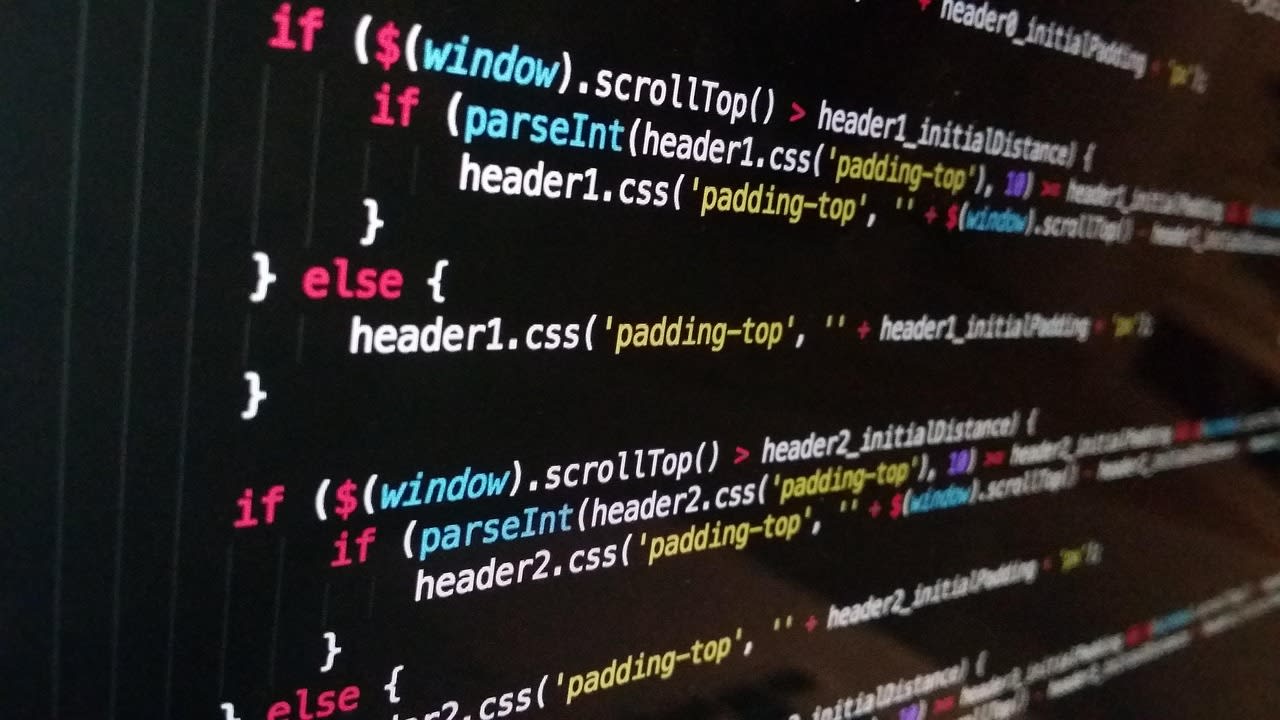
Scattered throughout the JavaScript were console.log() statements that served no debugging purpose in production. These weren't error traces or variable dumps; they were ephemeral notes, perhaps left from a developer testing if a function fired. In a professional, large-scale project, these are stripped during the build process. Their presence suggests either a missing build step or a conscious decision to leave them—a very vibecode move.
CSS In the Trenches
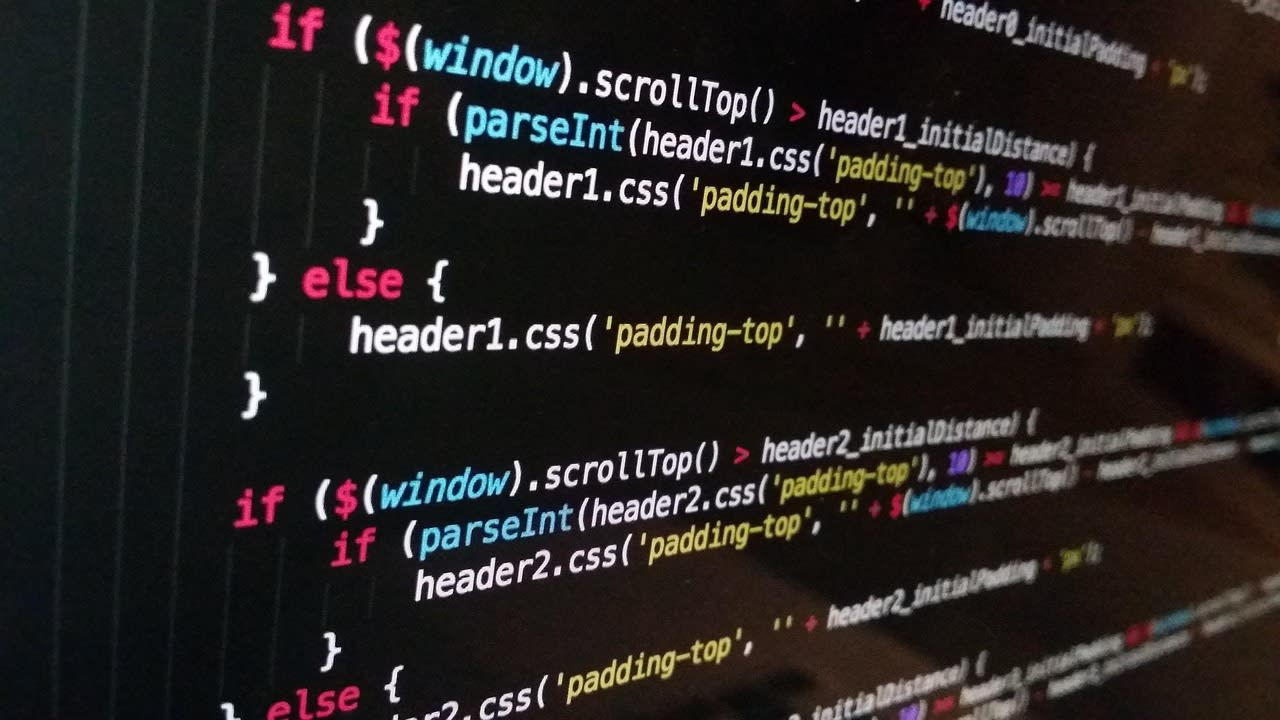
The styles were a hybrid. While some CSS lived in external files, a significant amount was defined inline via the style attribute right on the HTML elements, or in <style> blocks in the document head. This breaks the fundamental rule of separation of content and presentation. It makes the code harder to maintain and update globally, but hey—it works immediately. It's the fastest way to tweak a padding or a color without switching files.
The "Feeling" of the Animations
Commenters noted the animations had a certain... character. They weren't the slick, library-powered transitions you see on corporate sites. They felt hand-rolled, with timing and easing that might have been adjusted by feel rather than a strict design system. This subjective "feel" is the core of the vibecode aesthetic—it's code that reflects an individual's touch.
Why Would a Government Site End Up Like This? The Real-World Pressures

The immediate reaction from many devs was horror. "How could this happen?" But the more insightful comments dug into the why. Government digital projects operate under unique constraints that most SaaS startups don't face.
First, there's the procurement and contracting labyrinth. The team that architects the site might be different from the team that builds it, which is different from the team that maintains it. Code can pass through many hands, and documentation or original intent can get lost. A contractor on a tight deadline might resort to vibecoding to meet a deliverable, assuming a future team will "clean it up." That future team often inherits a working system and is told not to touch it.
Second, the priority is uptime and accessibility, not elegance. If a page meets WCAG guidelines, loads, and displays the information correctly for citizens, it has fulfilled its primary mission. Refactoring a working system is a hard sell to stakeholders who don't see the technical debt. In this light, vibecode isn't negligence; it's a pragmatic, if messy, solution to delivering under pressure. If you ever need to quickly scrape or monitor such a public site for changes (maybe to track policy updates), a tool like Apify can automate that, handling the infrastructure so you don't have to manually check the source.
The Great Debate: Is Vibecode Ever Acceptable?
The Reddit thread wasn't a unanimous condemnation. It sparked a genuine debate about modern web development dogma.
The Purist Argument: Code is a craft. Inline styles and scattered logs create a maintenance nightmare, increase page weight, and set a bad example. For a site representing the highest office in the U.S., it should exemplify best practices. Technical debt matters, and this is debt with a high interest rate.
The Pragmatist Argument: The website works. It loads fast enough. It's accessible. The vast majority of users will never know or care what's in the DevTools. Developer experience is important, but citizen experience is paramount. Over-engineering a simple informational page is a waste of public funds. Sometimes, "good enough" shipped is better than "perfect" in a repo.
My take? It's a spectrum. A personal portfolio site can be 100% vibecoded—it's an expression of self. An enterprise banking portal cannot. The White House site sits in a weird middle: it's a massive platform, but each page might be a small, discrete project. The Achievements page might be the result of a "we need this live tomorrow" request. Understanding that context is key.
Lessons for Developers: When to Vibecode and When to Architect
So, what can we learn from this? How do you navigate this in your own work?
Embrace Vibecode for Prototyping & Experimentation. The initial phase of a project is about discovery. Throw styles inline. Use console.log liberally. Build the thing quickly to validate the idea and the user flow. Speed of iteration is your friend here.
Establish a Clear "Productionization" Gate. The critical mistake isn't writing vibecode; it's shipping vibecode without a process. Define what production-ready means for your team. This usually means: extracting CSS to proper stylesheets, removing debug statements, minifying assets, implementing a component structure, and adding tests. Make this a non-negotiable step before deployment.
Know Your Project's Stakes. A marketing landing page with a 3-month lifespan? The tolerance for vibecode might be higher. A core application that will be extended for years? The foundation needs to be solid. The White House page is likely static and may not change often, which lowers the long-term maintenance cost of its messy code.
If you're a solo developer or on a tiny team and this refactoring work feels overwhelming, you can find expert developers on Fiverr who specialize in code cleanup and refactoring. Bringing in a fresh pair of eyes for a short contract can be a great way to transition a vibecoded prototype into a maintainable system.
Tools and Techniques to Avoid Accidental Vibecode in Production
Want to keep the spirit of rapid vibecoding in your workflow but ensure it doesn't leak to users? Your toolkit is everything.
Leverage Build Tools Religiously. Use a module bundler like Vite, Webpack, or Parcel. Configure your production build to automatically strip console.log statements (using plugins like Terser) and extract inline styles. This lets you develop with the freedom of vibecode but ship clean assets.
Adopt a CSS-in-JS Library with a Dev/Prod Distinction. Tools like Styled-Components or Emotion let you write component-scoped styles in your JavaScript. In development, they might inject styles dynamically. In production, they can extract all CSS to a static file. You get the developer experience of co-location without the performance hit.
Implement Pre-commit Hooks. Use Husky with lint-staged to run ESLint and Stylelint on your code before it's even committed. You can set rules to flag inline styles or console statements. This catches vibecode at the source.
Use a Linter and Formatter. ESLint and Prettier aren't just about style; they enforce consistency. A lint rule banning style= attributes forces you to think in terms of classes and systems from the start.
FAQs and Common Misconceptions About Code Quality
Let's tackle some direct questions that came up in the discussion.
Q: Does messy code mean the site is insecure?
A: Not necessarily. Security and code organization are related but different concerns. Inline CSS doesn't create an XSS vulnerability on its own. However, disorganized codebases can make it harder to spot security issues during reviews and can lead to rushed, risky patches.
Q: Shouldn't all .gov sites be open source and perfect?
A> The ideal is admirable, but the reality is complex. While many government projects are on GitHub, the deployment pipeline and final built assets (what you see in "View Source") are often a separate concern. The "perfect" open-source code might exist in a repo, but the build process that generates the live site might be outdated or misconfigured.
Q: Is this a sign of developer incompetence?
A> Almost certainly not. It's far more likely a sign of systemic constraints—tight deadlines, shifting requirements, contract handoffs, and a focus on visible outcomes over internal quality. It's a management and process issue, not an individual developer skill issue.
Q: As a junior dev, should I avoid vibecoding entirely?
A> No! Vibecode away in your personal projects and prototypes. It's a fantastic way to learn and build momentum. The key lesson is to understand the trade-offs. Learn why we separate concerns, so when you work on a team or a long-lived project, you can advocate for and implement cleaner patterns.
Conclusion: Beyond the Vibecode Drama
The White House Achievements page saga is more than a funny dev meme. It's a mirror held up to our industry. It questions our assumptions about quality, the reality of software delivery under constraint, and the gap between developer values and user needs. In 2025, with low-code tools and AI assistants generating more code, the line between "professional" and "vibecoded" might blur even further.
The ultimate takeaway isn't to ruthlessly purge all vibecode from existence. It's to be intentional. Use vibecode as the powerful, rapid prototyping tool it is. Then, have the discipline and the processes in place to transform that raw creative output into something sustainable. Because whether you're building for the White House or a local bakery, the goal is the same: create something that works for people, and ensure you can keep it working tomorrow.
Next time you inspect a surprising piece of source code, instead of just scoffing, ask the more interesting question: What story does this code tell about how it was made? The answer is often more about people and pressure than it is about technology.