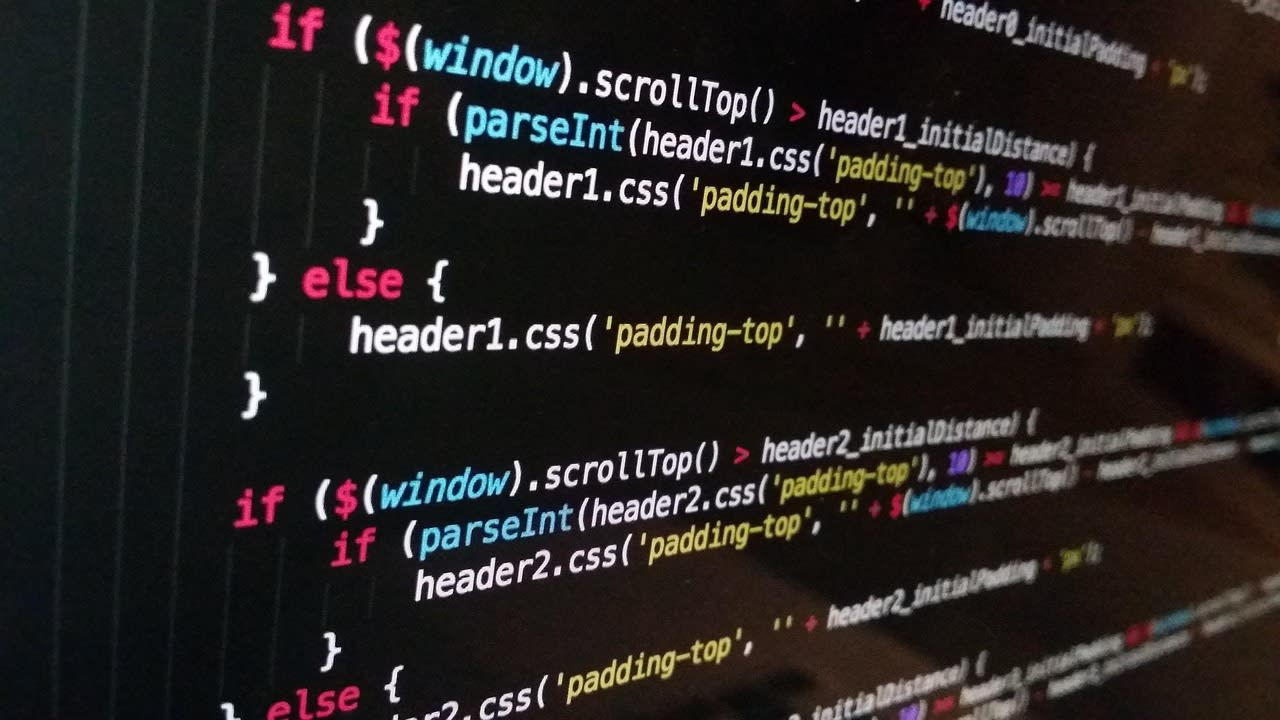



The Archaeology of Code: Unearthing Atari 2600 Secrets
You know that feeling when you're digging through old code and suddenly everything clicks? That's exactly what happened when Joshua Walker decided to disassemble the Atari 2600 version of Raiders of the Lost Ark. What started as a simple question—"What's the maximum points needed to touch the Ark?"—turned into a full-blown archaeological dig through one of gaming's most fascinating codebases. And honestly, you can't touch the Ark anyway, which makes the whole journey even more compelling.
In 2026, we're seeing a resurgence of interest in these reverse engineering projects. They're not just nostalgia trips—they're masterclasses in constrained programming. The Atari 2600 had 128 bytes of RAM. Let that sink in. Your smartwatch has millions of times more memory. Yet developers created entire adventure games within those limits. Walker's project gives us a window into how they pulled it off.
Why Reverse Engineer a 40-Year-Old Game?
You might wonder why anyone would bother with this in 2026. I've worked on modern game engines with gigabytes of memory and multi-core processors, and I can tell you—constraints breed creativity. The Atari 2600's limitations forced programmers to invent techniques we still use today, just in different forms.
Walker's GitHub repository shows something interesting: he started with a simple question about game mechanics but got pulled into the technical challenge. That's how these projects usually go. You think you're just answering one question, then you realize you're looking at a masterpiece of optimization. The code reveals tricks like reusing memory locations for multiple purposes, timing-critical routines that sync with the TV's electron beam, and compression techniques that would make modern developers blush.
The 6502 Assembly Deep Dive
Let's talk about the actual code. The Atari 2600 used the MOS Technology 6502 processor—the same chip that powered the Apple II, Commodore 64, and NES. Reading through Walker's commented disassembly, you can see how every byte mattered. There's no room for abstraction layers or fancy frameworks here.
One section that caught my eye handles the player's inventory system. The game needs to track which items Indiana Jones has collected—the whip, the shovel, the parachute, etc. With only 128 bytes total RAM, they couldn't just create an array. Instead, they used bit flags within a single byte. Each bit position represents a different item. Setting bit 0 might mean "has whip," bit 1 "has shovel," and so on. It's elegant, efficient, and something we still do in embedded systems today.
The graphics routines are another marvel. The Atari 2600 didn't have a traditional frame buffer. Instead, programmers had to draw each scanline in real-time as the TV's electron beam moved down the screen. Miss your timing by a few cycles? The screen tears or glitches. Walker's comments reveal how the Raiders code manages this dance, with carefully timed loops that position sprites and set colors exactly when needed.
From Disassembly to Modern Port
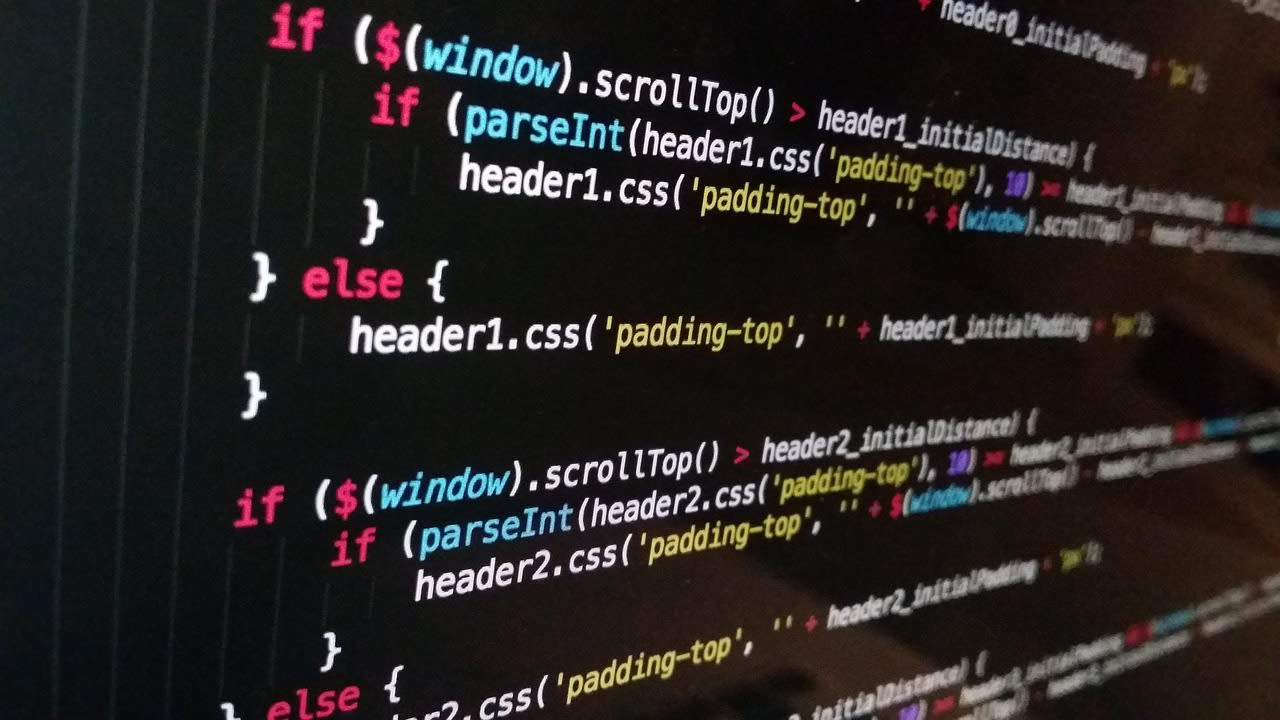
Here's where it gets really interesting. Walker mentions contemplating a port to another 6502 machine or even PC with better graphics. He's leaning toward PC and joking about calling it "Colorado Smith and the legally distinct Looters of the missing Holy Box." That humor masks a serious technical challenge.
Porting isn't just about translating 6502 assembly to C++ or C#. You need to understand the original's timing constraints and recreate them in a completely different architecture. The original game's logic is tied to the 1.19 MHz clock speed of the Atari 2600. On a modern multi-gigahertz processor, everything would run thousands of times too fast unless you add artificial delays or rewrite the timing logic.
I've worked on similar ports, and here's what I'd recommend: don't just emulate the 6502 instruction by instruction. Instead, understand the game's state machine and rewrite it in a modern paradigm while preserving the original gameplay feel. Keep the puzzle logic identical but update the rendering to use modern graphics APIs. That balance between preservation and modernization is tricky but rewarding.
What Modern Developers Can Learn
You might think 40-year-old code has nothing to teach us. You'd be wrong. I've implemented some of these techniques in modern embedded systems where memory is still constrained. The inventory bit-flag system? I used a variation in a smart home controller last year. The scanline-based rendering? Similar concepts appear in real-time data visualization where you need to update displays with minimal latency.
The biggest lesson is resource awareness. Modern developers work with virtualized, abstracted environments where memory seems infinite. The Atari 2600 programmers had to know exactly where every byte was and what it did at every moment. That level of intimate knowledge is something we've lost, and projects like Walker's help us rediscover it.
Another technique worth stealing: the game's compression of room data. With only 4K of ROM space, they couldn't store detailed maps for every screen. Instead, they used procedural generation—not in the modern roguelike sense, but in clever reuse of patterns and tiles. Understanding how they did this can inform how we handle data in IoT devices or mobile apps with limited storage.
Tools for Your Own Reverse Engineering Projects
If Walker's project inspires you to try your own reverse engineering—and it should—you'll need the right tools. For Atari 2600 specifically, you'll want a good 6502 disassembler. DASM is the classic choice, but there are modern alternatives with better visualization. An emulator with debugging capabilities is essential—Stella is the gold standard here, with cycle-accurate emulation and a powerful debugger.
For analyzing the ROM itself, a hex editor that understands common 6502 patterns can save hours. I personally prefer ones that let you define custom structures—you can mark sections as code, data, or graphics based on what you discover. And don't underestimate the value of good documentation. The original Atari 2600 programming manuals are available online, and they're surprisingly readable even today.
When you're ready to share your findings, consider using web scraping tools to gather related documentation from across the web. There are scattered forums, archived documentation, and code snippets that can provide crucial context. Automating that collection lets you focus on the analysis rather than the hunting.
Common Pitfalls and How to Avoid Them

I've seen plenty of developers jump into reverse engineering projects and get stuck. The biggest mistake? Assuming you understand the architecture before you really do. The Atari 2600 has quirks that don't exist in modern systems. The TIA (Television Interface Adapter) chip, for instance, has its own timing requirements that affect how you write graphics code.
Another common issue: not documenting as you go. Walker's project shines because every line is commented. When you're disassembling, you'll have moments of insight—"Oh, this routine handles collision detection!"—and if you don't write that down immediately, you'll forget. Keep a separate log file alongside your comments.
Also, don't try to understand everything at once. Start with the reset vector and follow the initialization code. Then trace the main game loop. Break the ROM into logical sections—graphics, sound, input, game logic—and tackle them one at a time. It's like any large codebase: you need to build a mental map before you can navigate efficiently.
The Legal and Ethical Landscape
Walker's joking about a "legally distinct" port touches on a real issue. Reverse engineering sits in a gray area legally. In the United States, the Digital Millennium Copyright Act (DMCA) has exceptions for interoperability and security research, but the specifics matter. Generally, studying code to understand how it works is protected. Distributing that code or creating derivative works is trickier.
My approach—and this isn't legal advice, just my experience—is to focus on the educational aspects. Document the techniques, not the literal code. Write articles explaining what you learned rather than posting the entire disassembled ROM. If you do want to create a port, change enough elements to make it transformative. New graphics, additional features, different character names—these can help while still honoring the original.
The ethical consideration is simpler: respect the original developers' work. These were programmers working under incredible constraints, creating something lasting. Understanding their techniques honors that legacy more than simply copying their code ever could.
From Hobby to Career Skill
Here's something they don't tell you in most computer science programs: reverse engineering is a valuable professional skill. I've used it to debug third-party libraries, understand legacy systems in enterprise environments, and analyze competitor products (within legal boundaries, of course). The systematic thinking required—following data flows, understanding state machines, tracing execution paths—translates directly to modern development.
If you're looking to build this skill professionally, consider starting with simpler systems than the Atari 2600. Old calculators, basic microcontrollers, or even analyzing network protocols can build the same muscles. The key is developing patience and attention to detail. You won't always have source code or documentation in the real world, and learning to work from just the binary is incredibly empowering.
And if you need help with the graphics side of a port or want custom assets for your own retro-inspired project, you can always find pixel artists on Fiverr who specialize in retro styles. The community around classic gaming is surprisingly active and skilled.
Where This All Leads
Projects like Walker's Raiders disassembly aren't just about one game. They're part of a larger movement to preserve and understand our digital heritage. Every year, we lose more original source code to decaying media or corporate indifference. Reverse engineering from the final ROMs is often our only way to recover that knowledge.
But beyond preservation, there's pure technical admiration. When you see how elegantly they solved problems with almost no resources, you can't help but be impressed. It changes how you approach your own coding. You start thinking about efficiency not as an optimization pass at the end, but as a fundamental design principle from the beginning.
The tools have changed dramatically since 1982, but the core challenges haven't. We're still trying to create engaging experiences within constraints—whether those are memory limits, processing power, battery life, or development timelines. The Atari 2600 programmers were masters of their constraints, and we can still learn from their solutions.
So grab an emulator, download Walker's commented disassembly, and start exploring. You'll not only understand a classic game better—you'll become a better programmer. And who knows? Maybe you'll be the one to finally create that "legally distinct" port that does let you touch the Ark. Though honestly, some mysteries are better left unsolved.