


The 2026 WFH Check-In: Ghost Towns and Guarded Gates
You know the scene. You head into the office—maybe because there's a mandatory "collaboration day" or a piece of hardware finally gave up the ghost. The parking lot's half empty. The fluorescent lights hum in a silent, open-plan floor. You might pass one or two people, exchange a nod, and that's it. As one Redditor put it in early 2026, "Our office is pretty much empty; you might be lucky to run into a couple of people sometimes." It's a sentiment echoing through the sysadmin and DevOps communities. The great remote work experiment of 2020 didn't end; it evolved. But into what? And more importantly, are you still part of it?
This isn't just about whether you have to wear pants for a Zoom call. It's about the fundamental shift in how infrastructure is managed, how code is deployed, and how teams that never physically meet build trust and solve crises. The discussion is raw, real, and full of the kind of practical concerns that only someone who's been paged at 3 AM can truly appreciate. We're past the theoretical debates. In 2026, we're living the results.
So, let's talk. Let's dig into the data points from the trenches, the tools that make remote work not just possible but preferable, and the strategies that separate thriving remote DevOps teams from those drowning in alert noise and miscommunication.
The State of the (Home) Office: A Data Snapshot
First, let's ground this in what we're actually seeing. The blanket policies are gone. The era of "everyone back Monday" or "remote forever" has given way to a fragmented, role-specific reality. And for tech roles, especially those in infrastructure and operations, the needle has swung hard toward flexibility.
From what I've gathered talking to peers and scouring communities, a rough pattern emerges. Maybe 60-70% of sysadmin/DevOps/Platform Engineering roles offer some form of structured hybrid model, like the 3-4 days a week WFH mentioned in the source. About 20-25% are fully remote, with the company either ditching the office entirely or making it an optional co-working space. The remaining sliver—often in highly regulated finance, government, or manufacturing—are back to a mostly in-office schedule. But even there, the definition of "in-office" has changed. It's rarely five days a week anymore.
The driving force isn't just employee preference, though that's huge. It's cold, hard business logic. The talent pool for a senior SRE or Kubernetes wizard isn't limited to a 30-mile radius anymore. Companies that mandate full-time office attendance are, frankly, limiting their hiring to people who live nearby and are willing to commute. That's a tough sell in a competitive market. The empty offices aren't just a symptom of remote work; they're a testament to a renegotiated contract between employer and employee.
Why DevOps and Sysadmin Roles Are Uniquely Suited for WFH
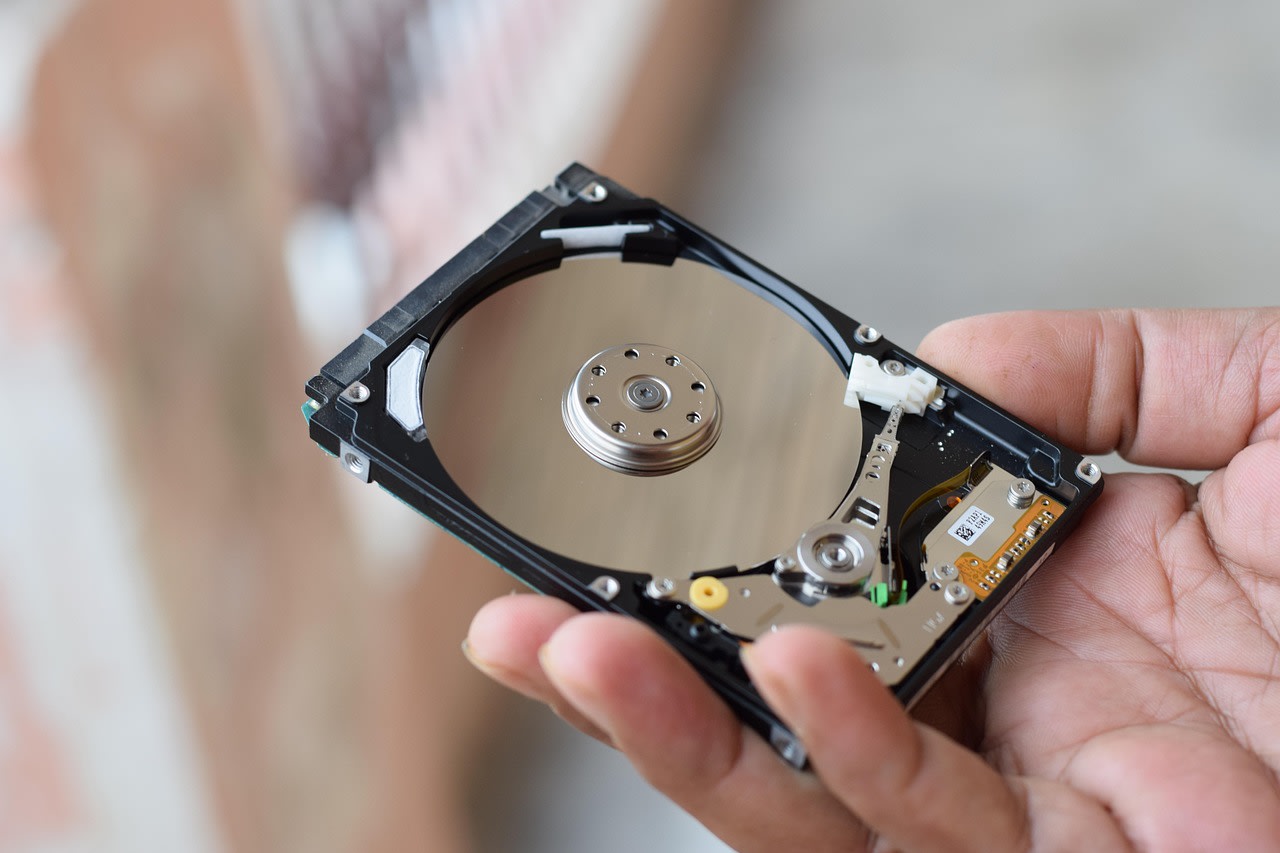
This isn't accidental. Think about our day-to-day. How much of your work actually requires physical presence? Sure, racking a server, tracing a cable, or replacing a failed drive needs hands on metal. But in 2026, how often are you doing that? The relentless march of the cloud, SaaS, and outsourced colocation has been the ultimate enabler.
Our tools are remote-first by design. The terminal, the monitoring dashboard, the CI/CD pipeline, the configuration management system—they don't care if you're in a cubicle or a coffee shop. The work is inherently digital and asynchronous. A deployment pipeline runs the same whether triggered from a downtown high-rise or a home office. An alert from Prometheus or Datadog pings your phone just as effectively.
And here's the real kicker: the nature of incidents often makes remote collaboration more effective. During a major outage, the war room isn't a physical space with people yelling. It's a dedicated Slack channel, a Zoom bridge, and a shared virtual whiteboard like Miro or FigJam. The incident commander can pull in an expert from another timezone without them having to drive to an office. The log files, metrics, and runbooks are all centrally accessible. Being physically together doesn't magically fix a broken database cluster; having the right information and clear communication does.
The Tools That Make It Possible (And the Ones That Don't)
This shift didn't happen with just Zoom and Slack. The entire toolchain has matured to support distributed, asynchronous work at an infrastructure level. It's the difference between "making do" and building a seamless environment.
Observability is King: You can't manage what you can't see. Robust platforms like Grafana Cloud, New Relic, and Splunk have become the eyes and ears of the remote team. When you can't walk over to a server and see a blinking light, you need dashboards that tell the whole story. Investing in comprehensive logging, metrics, and tracing isn't a luxury anymore; it's a remote work prerequisite.
Infrastructure as Code (IaC) as a Single Source of Truth: Terraform, Pulumi, and Crossplane. If your network configs, cloud resources, and Kubernetes manifests are defined in code, then the entire team is working from the same blueprint. There's no mystery about what's running in a distant data center. A pull request shows the exact change, and the apply log is the record of execution. This eliminates the "well, Bob was the last one to touch that firewall and he's not here" problem.
Collaboration Beyond Chat: Slack is great for quick questions, but it's a nightmare for complex troubleshooting. Tools like Apify for automated data extraction from various internal systems into a single pane, or incident management platforms like PagerDuty and Opsgenie, structure the chaos. They create timelines, assign actions, and post-mortems automatically. They're the virtual war room that doesn't fade away when the call ends.
Conversely, tools that assume physical proximity are dying. Shared physical whiteboards? Obsolete. Walk-up help desks for other employees? Mostly replaced by chatbot-driven service portals like Jira Service Management. The tooling evolution has been a silent, powerful force keeping us at home.
The New Challenges: Visibility, Culture, and That One Rack

It's not all sunshine and sweatpants, though. New problems have cropped up to replace the old commute. The biggest one? Proximity bias. It's the unspoken, often unconscious, favor given to employees who are physically present. The remote sysadmin might be crushing their tickets and automating half the department's workload, but if the manager only has casual chats with the folks in the office, guess who gets remembered at promotion time?
Then there's the "out of sight, out of mind" risk for infrastructure itself. When no one walks past the server room daily, that slowly failing HVAC unit or the dusty UPS battery backup can become a ticking time bomb. This requires intentional, scheduled checks—either via remote environmental monitoring sensors or a scheduled physical visit rotation. You can't automate everything.
And let's talk about the hybrid meeting hell. Five people in a conference room, two people on a tinny speakerphone. The remote folks miss the side conversations, the body language, the scribbles on the napkin. It creates a two-tiered experience that kills inclusion. The fix? A radical rule: if one person is remote, everyone joins on their own laptop from their desk. It levels the playing field, even if it feels a bit weird at first.
Building a Remote-First DevOps Team: Practical Strategies
So, you're leading a team, or you're on one that's struggling with this transition. How do you make it work? It's about intentional design, not luck.
Documentation is Non-Negotiable: In an office, you can swivel your chair and ask, "Hey, how does this service get deployed?" Remote, that's a blocked ticket. Your wiki (be it Confluence, Notion, or even a well-organized GitHub repo) is your team's institutional memory. Every process, every onboarding step, every common error needs to be there. Make writing and updating docs part of the definition of done for every task.
Over-Communicate, But Asynchronously: Default to public, written communication in channels, not DMs. Use tools like Loom or CloudApp to record short video walkthroughs of a complex fix instead of typing a novel. Update tickets and PRs with more context than you think is necessary. The goal is to create a searchable, accessible knowledge stream that anyone can tap into, regardless of their work schedule or location.
Create Virtual Water Coolers: The spontaneous connections matter. Schedule optional, non-work social calls. Have a dedicated "random" channel for memes, pet photos, and game talk. It feels forced initially, but it rebuilds the social fabric that glue teams together. Trust is built in the small talk, not just during incident response.
Invest in the Right Home Setup: This is on both the employee and the employer. A reliable, ergonomic home office isn't a perk; it's productivity infrastructure. A good chair, a proper monitor, and a Mechanical Keyboard can make a world of difference. Many companies now offer a stipend for this—use it. For those times you need hands-on work, a reliable IP KVM can be a lifesaver for remote data center access.
Common Pitfalls and FAQs from the Trenches
Let's address some of the specific questions and worries that pop up constantly in those community threads.
"Will going fully remote hurt my career advancement?" It can, if you're passive. The key is to be visibly excellent. Contribute publicly, lead initiatives, mentor others in channels, and own your projects end-to-end. Schedule regular video one-on-ones with your manager to discuss goals and progress. You have to manage your presence, not just your work.
"How do I handle the physical work?" This is the classic sysadmin dilemma. The answer is usually a hybrid rotation or a localized contractor. For example, the core platform team is fully remote, but you have a contract with a local tech firm or a part-time on-site IT person to handle the physical tasks under your remote direction. Or, team members take turns being "on-site responsible" for a week, handling any necessary physical interventions.
"My company is forcing a return. What are my options?" This is the tough one. In 2026, the market for remote-friendly DevOps roles is still strong, but more competitive. Polish your resume, highlight your experience with remote collaboration and self-management, and start looking. Alternatively, you can try to make a data-driven case: show how your productivity metrics have remained high, propose a pilot hybrid program, or highlight the cost savings of reduced office space. But be prepared; this is a fundamental culture clash.
The Future Isn't Location, It's Autonomy
Looking at the empty offices and the thriving remote teams in 2026, one thing becomes clear. The question has shifted from "Where do you work?" to "How do you work?" For sysadmins and DevOps professionals, our value was never in our presence at a specific desk. It's in our ability to build resilient systems, automate the tedious, and solve complex problems under pressure.
The tools and practices we've adopted—comprehensive observability, everything-as-code, asynchronous collaboration—haven't just enabled remote work; they've fundamentally improved how we work, period. They've forced clarity, documentation, and automation in ways that a colocated team could often avoid.
So, who's still working from home in 2026? A whole lot of us. Not because it's easy, but because we've built the systems—both technical and cultural—to make it not just viable, but superior for the kind of work we do. The office might be empty, but the work has never been more present. The next time you log in from your home office, remember you're not just avoiding a commute. You're operating at the forefront of how modern infrastructure is managed. Now, if you'll excuse me, I have a deployment to monitor—from my living room.