The Spreadsheet in the Common Room
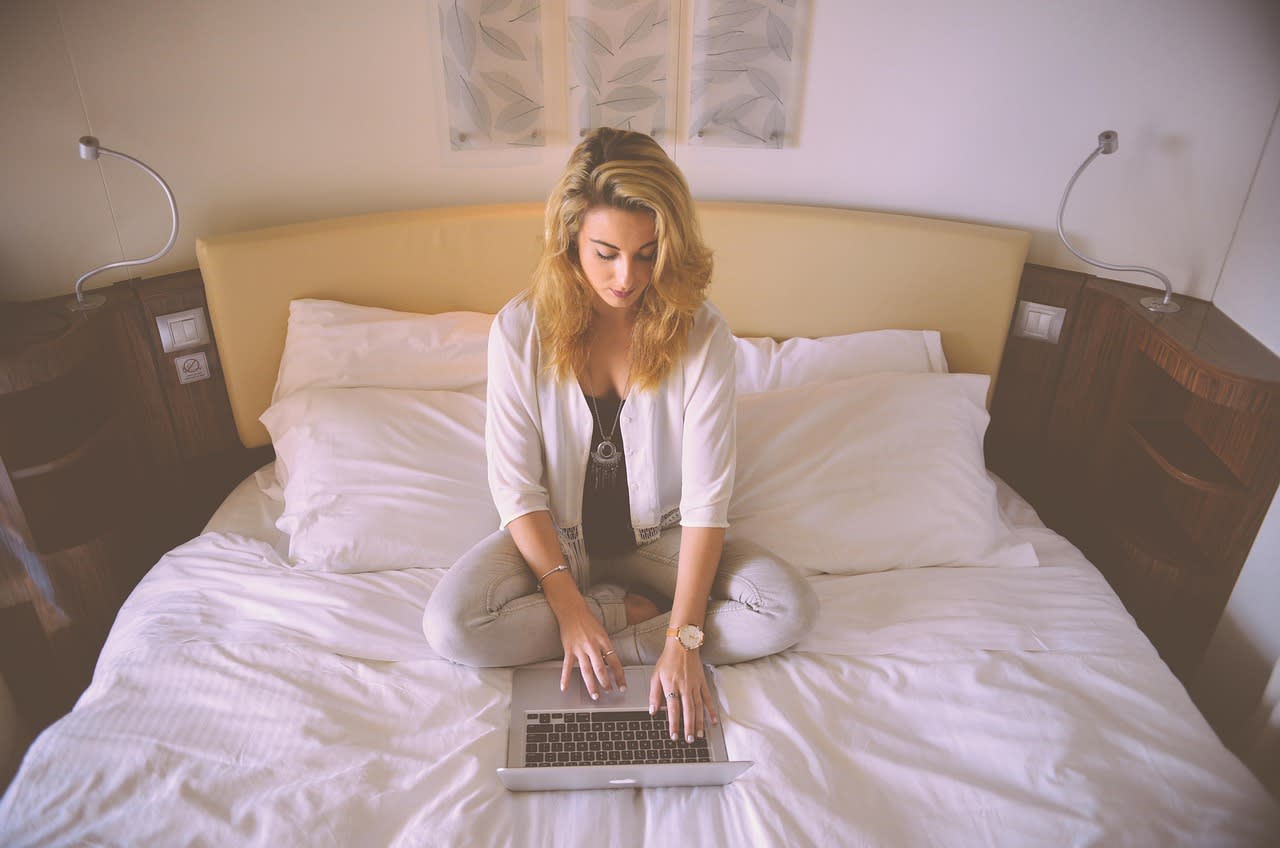
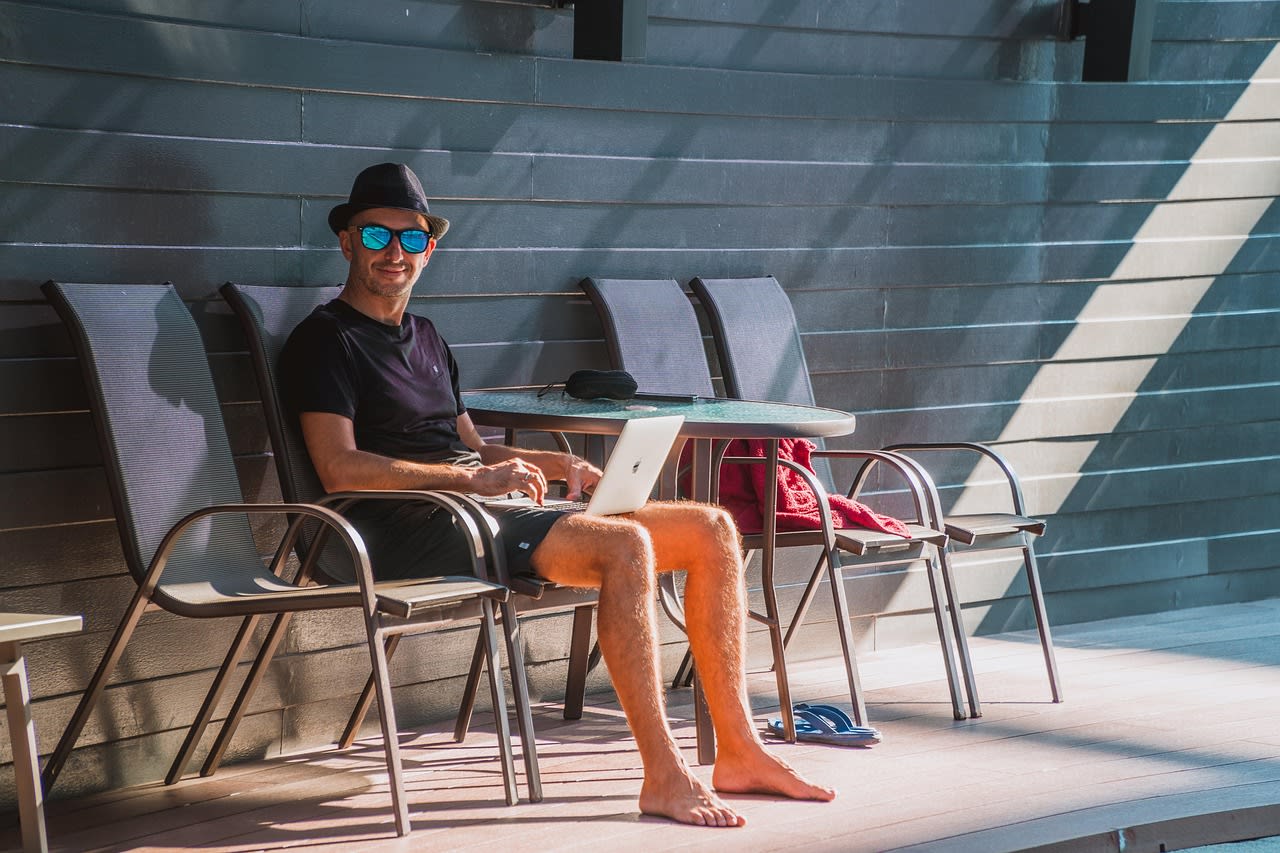
You know the scene. A quiet hostel common room, maybe a single lamp on, the glow of a laptop screen illuminating a face. Spreadsheets are open. Tabs for bus schedules, co-working space reviews, Airbnb price comparisons, and a color-coded calendar stretching weeks into the future. This was me—or the version of me that existed before a chance encounter in Plovdiv, Bulgaria, in late 2025.
My flight from Istanbul got canceled, rerouting me to a country that wasn't on my meticulously planned Balkan itinerary. I ended up in a hostel in Plovdiv's old town, a place hauntingly quiet in the off-season. With just a handful of other guests, I did what any self-respecting digital nomad does: I immediately tried to regain control. I opened my tools and started plotting my escape, my next move, my optimized path forward. That's when the night worker, a Bulgarian man in his mid-sixties who used to be a tour guide "back when that meant something different," looked over my shoulder and completely called me out.
And honestly? He was right.
When Optimization Becomes the Enemy of Experience
The old guide's critique wasn't about the tools themselves. It was about the mindset. He saw a traveler—a supposed digital nomad embracing freedom and adventure—who was, in practice, treating a new city like a logistics puzzle to be solved. The spreadsheet wasn't a plan; it was a barrier. It was a way of interacting with the idea of Plovdiv, Sofia, or Belgrade without actually having to be present in Plovdiv itself.
This hits at the core paradox of modern location independence. We chase the freedom to work from anywhere, armed with technology that promises to streamline our lives. Yet, that same technology can create a bubble of familiar routines and relentless future-tripping. We use apps to find the "best" coffee shop (with fast Wi-Fi), tools to book the "most efficient" transport, and platforms to connect with other nomads... often missing the spontaneous, slow, and genuinely local interactions that used to define travel.
The guide's point was simple: "You're here, but you're not here." Your brain is two weeks ahead, in a city you haven't arrived at yet, worrying about a bus connection that may or may not matter. The ancient Roman theatre outside the hostel window, the smell of the evening air, the quiet story this town holds—all of it was secondary to the cells in my Google Sheet.
The Lost Art of the Guide (And What It Teaches Us)
He said he was a guide "when it meant something different." Let's unpack that. Before TripAdvisor reviews and Google Maps walking directions, a guide was a conduit to context. They didn't just recite dates; they told stories that connected the stones in the street to the people who lived there. They read the group's energy, changed the route based on a sudden rain shower or a discovered festival, and relied on deep, personal knowledge you couldn't Google.
For freelancers and nomads, there's a direct parallel. We've become obsessed with the "how-to" guides—the optimized processes, the perfect tech stack, the 4-hour workweek hacks. These are our digital maps. But we're losing the "why" and the "who." The human context. Why are you working from this particular place? Who are the people here? What can this environment teach you about your work or yourself that a more "efficient" location cannot?
His old-school guiding was about curation and connection, not just information transfer. Our work needs more of that. It's not enough to just complete tasks from a pretty backdrop. We need to curate our environments intentionally for inspiration, and connect our work to the places we're in, even if temporarily. Otherwise, we're just executing the same spreadsheet from a series of slightly different coffee shops.
The Tools Are Not the Problem—Your Relationship With Them Is
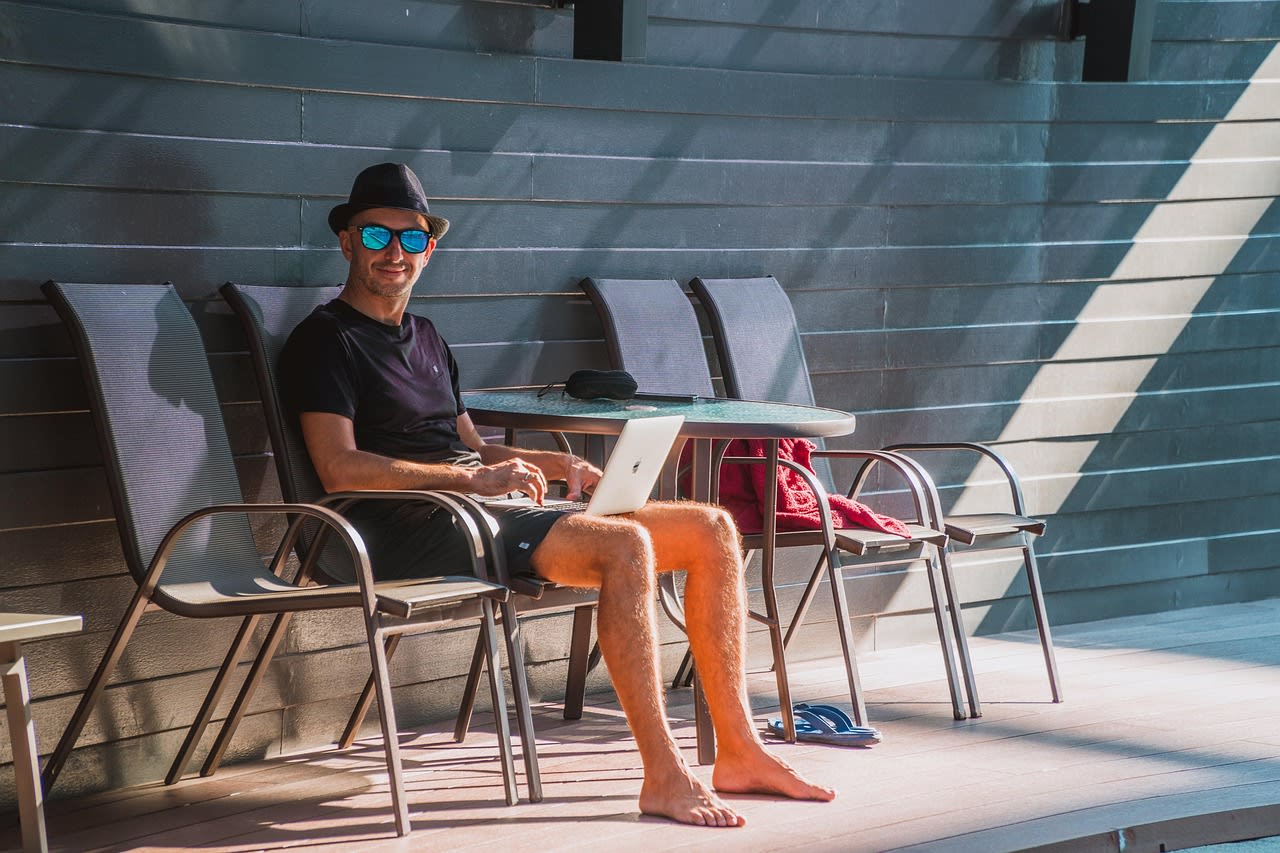
Let's be clear: I'm not advocating for throwing your laptop into the Maritsa River. The digital nomad lifestyle in 2026 is built on incredible tools. The problem arises when the tools switch from serving you to you serving them. When the planning becomes more real than the lived experience.
My common-room toolkit was classic: Airtable or Google Sheets for logistics, Rome2rio for transport, Nomad List for city data, Slack/Discord for community. All useful. All dangerous in excess. The old guide's look said it all: I was managing my travel like a project manager handles a software rollout. Every variable was a metric, every day a resource to be allocated.
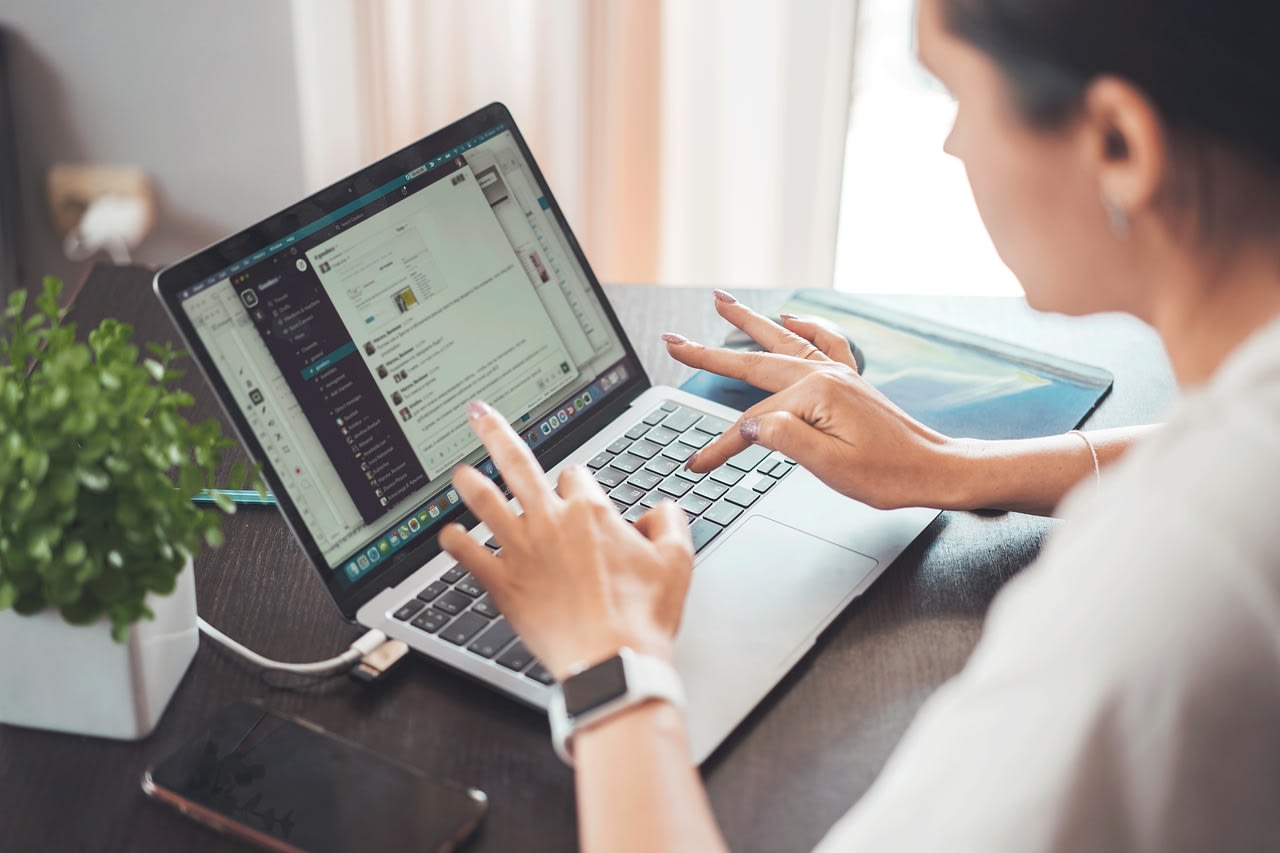
This is a freelancer's disease too. We track every hour with Toggl Track Premium, obsess over ClickUp or Asana dashboards, and automate our social media to the point where we forget what we wanted to say in the first place. The tool becomes the task. The old guide reminded me that sometimes, the most productive thing you can do is close the laptop and get deliberately, wonderfully lost.
Building "Buffer Days" and Embracing Serendipity
The most practical takeaway from that night was a scheduling one. The guide asked a devastatingly simple question: "Why does every day need a plan?" As freelancers, we guard our time jealously, which is good. But we often fill every slot, leaving no room for the unexpected magic that makes nomadic life worthwhile.
My advice now? For every 7-10 days in a new place, mandate one completely unstructured "buffer day." No client calls, no planned work blocks, no must-see attractions. It's a day to wander, to sit in a square and observe, to strike up a conversation with a local shopkeeper—or a retired tour guide working the night shift. This isn't wasted time; it's research and development for your soul and your creativity. It's how you find the stories that don't make it into the guidebooks.
This serendipity space is also where professional opportunities hide. That casual chat could lead to a new client, a collaboration, or simply a fresh perspective that solves a work problem you've been grinding on. By overscheduling, we eliminate the conditions for happy accidents.
From Digital Nomad to Connected Professional
The label "digital nomad" can feel transactional. It emphasizes the how (digital) and the what (nomad). The encounter in Plovdiv pushed me to think of myself differently: as a Connected Professional. The goal isn't just to be nomadic or digital; it's to use mobility and technology to forge deeper connections—to your work, to the places you temporarily call home, and to the people you meet along the way.
This means sometimes hiring local expertise instead of just DIY-ing everything. Maybe that's hiring a local fixer or translator for a short project via a platform like Fiverr to truly understand a market. It means choosing the family-run guesthouse with spotty Wi-Fi over the sterile, perfect-nomad condo once in a while, just for the story. It means your work should, in some small way, reflect where you are. Write about the local cuisine. Design a logo inspired by the architecture. Code in a park and let the environment in.
The connected professional understands that context is an input, not a distraction.
Your Action Plan: The Post-Plovdiv Protocol
So, what do you actually do after a wake-up call like this? Here's a concrete protocol I've developed:
1. The 48-Hour Rule: Upon arriving anywhere new, ban detailed planning for the first two full days. Explore on foot. Eat somewhere without checking reviews. Find one person to have a real conversation with. Let the place impress itself upon you first.
2. The Single-Source Itinerary: Instead of cross-referencing twelve sites, ask one local for one recommendation. Just one. Then go do that thing. The depth of a single authentic experience beats the checklist of ten tourist spots.
3. Schedule "Analog Hours": Every day, designate 1-2 hours where your only tools are a physical notebook and a pen. No screens. Use this time for thinking, sketching, or simply being present. You'll be shocked at what your brain does without digital inputs.
4. Conduct a Tool Audit: Every quarter, ask for each app or platform you use: "Is this giving me back time and freedom, or is it creating administrative work to manage my freedom?" Be ruthless. The goal is simplicity.
Common Mistakes & The FAQ of Presence
Mistake #1: Confusing Motion for Progress. Just because you're moving cities every two weeks doesn't mean you're growing. Sometimes, staying put and going deeper is the more radical, productive choice.
Mistake #2: Outsourcing All Discovery. Algorithms suggest what's popular, not what's meaningful. Turn off recommendations sometimes and just turn down a random street.
Mistake #3: The Productivity Guilt Trip. Feeling guilty for taking a morning to visit a museum instead of working? Reframe it. That museum is part of your job's inspiration and education budget. It's fuel.
FAQ: "But I have client deadlines! I can't just wander aimlessly!" Of course not. This isn't about shirking work. It's about the quality of your non-working hours. A 2-hour deeply present walk is more rejuvenating than 4 hours of distracted, half-planned scrolling in a cafe. It makes your work hours sharper.
FAQ: "How do I balance planning and spontaneity?" Plan the anchors, not the details. Plan your accommodation and key work blocks. Leave the evenings and one full day open. Use tools like Apify to automate the boring data gathering (like scraping bus schedules for comparison) so you have more mental space for the experience itself.
The Takeaway: Look Up From The Screen
The old guide in Plovdiv didn't give me a new app to download or a life hack. He gave me a mirror. He reflected back the absurdity of using the gift of location freedom to build a portable, anxiety-driven cage of plans.
In 2026, the tools for the digital nomad are better than ever. The real frontier isn't technological; it's psychological. It's the fight to retain wonder, presence, and genuine connection in a world that incentivizes optimization above all else.
Your challenge this week isn't to find a new productivity system. It's to find one moment—just one—where you consciously choose the less efficient option. Take the slower bus. Talk to the person next to you. Close the spreadsheet before it's "finished." See what happens. The work will still be there. But the chance to be truly where you are? That's a fleeting gift. Don't miss it because you were too busy planning the next one.