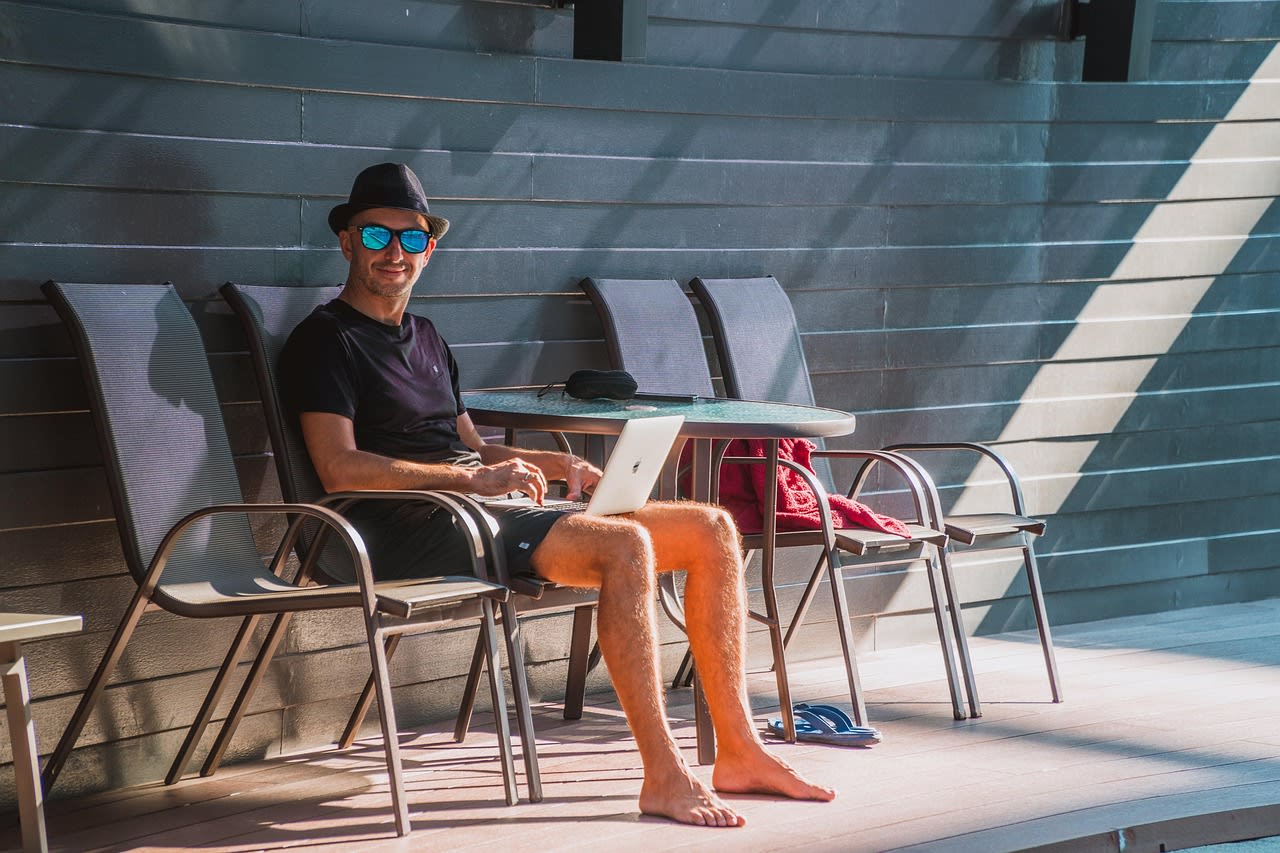


That post on r/digitalnomad hit a nerve. With 857 upvotes and 229 comments, it clearly wasn't just one person feeling this way. You saved up, booked the flight, told everyone you were living the dream—and now, three months into your Bali remote work adventure, you're scrolling through flights home. The frustration is real, and it's more common than the influencers let on.
That feeling of being "ungrateful" while surrounded by paradise? It's the cognitive dissonance of the modern digital nomad experience. This article isn't about bashing Bali. It's about pulling back the curtain on the specific, gritty challenges the original poster raised: inconsistent infrastructure, brutal time zone math, and the hollow echo of a promised community. We're going to dissect each issue with the nuance it deserves and, more importantly, map out practical, tested strategies to address them. Because sometimes the dream needs a systems upgrade.
The Infrastructure Illusion: Beyond the "Good Enough" WiFi Myth
Let's start with the most immediate pain point: the WiFi. The original poster mentioned it's inconsistent "even in supposedly good coworking spaces." This is the foundational crack in the digital nomad facade. Your income depends on a stable connection. A dropped Zoom call with a client isn't just an annoyance; it's a professional liability.
The problem often isn't the coworking space's advertised speed—it's the shared reality. When 50 other freelancers are all streaming, uploading, and video conferencing on the same network, that 100 Mbps promise evaporates. Peak hours (roughly 10 AM - 4 PM Bali time, aligning with European and Australian workdays) become a digital traffic jam. Furthermore, Bali's broader internet infrastructure can be patchy. A localized outage in Canggu might not affect Ubud, but if your router's tower is down, you're down.
So, what's the fix beyond just complaining? You need a layered approach. First, always have a tested backup. This means a local SIM card with a substantial data package from Telkomsel or XL Axiata. Use your phone as a hotspot, but for more stability, invest in a portable 4G/5G router. Second, communicate proactively. Tell your clients in Melbourne or elsewhere, "My primary connection is solid, but as a precaution for our important meetings, I also have a mobile backup ready." This turns a potential weakness into a display of professionalism. Third, schedule bandwidth-heavy tasks for off-peak hours. Do your large file transfers or cloud backups early in the morning or late in the evening.
The Time Zone Trap: More Than Just a Clock Difference
"Constantly adjusting my schedule for timezone differences with clients back in Melbourne." This sentence hides a universe of fatigue. Bali is on Central Indonesia Time (WITA), which is UTC+8. Melbourne is on Australian Eastern Standard Time (AEST), which is UTC+10, or UTC+11 during daylight saving. That's a two-to-three-hour difference ahead of Bali.
This means your client's 9 AM stand-up is your 6 or 7 AM. Their 5 PM wrap-up meeting is your 2 or 3 PM. You're not just working different hours; you're potentially starting your workday before sunrise and having your afternoon shattered by late-morning client demands. This disrupts natural circadian rhythms, cuts into personal exploration time, and can make you feel like you're always "on call," waiting for the next calendar ping.
The solution requires ruthless boundary setting and clever scheduling. Block your calendar defensively. If you do your best creative work in the Bali morning (before client hours), block that time as "Deep Work" and treat it as sacred. Use the time zone difference to your advantage: you can deliver work before your client's day starts, creating a perception of incredible productivity. For meetings, propose a rotating schedule. "Can we alternate between a 9 AM my time slot and a 3 PM my time slot to share the inconvenience?" Most reasonable clients will agree. Finally, tools like or apps like Every Time Zone are non-negotiable for avoiding costly scheduling errors.
The Community Conundrum: Finding Depth in a Transient World
This might be the most poignant struggle: "The 'community' everyone talks about feels superficial. Every conversation..." The poster didn't finish, but we can imagine: "...starts with 'What do you do?' and 'Where are you from?' and never goes deeper." Digital nomad hubs can feel like a perpetual first day of summer camp. Relationships are often transactional, based on immediate utility (a workout buddy, a co-working lunch date) or shared novelty, which fades fast.
The issue is the inherent transience. When everyone is leaving in two weeks or two months, investing in deep, vulnerable connection feels risky and exhausting. You're constantly in the small-talk phase. This leads to a specific type of isolation—being surrounded by people yet feeling profoundly alone. It's the opposite of the tight-knit, supportive community sold in YouTube vlogs.
Building Real Connections, Not Just Contacts
To find your people, you must go beyond the coworking space happy hour. Seek interest-based groups, not location-based ones. Join a local hiking club, a pottery class in Ubud, a volunteer group at an animal shelter, or a language exchange to learn Bahasa Indonesia. The shared activity provides a foundation for connection that isn't solely about being a nomad. Stay longer in one place. Consider a 6-month rental instead of hopping every month. Depth requires time. Use apps with intention. Meetup.com or local Facebook groups (like "Canggu Community" or "Ubud Expats") are better for finding specific interest groups than Bumble BFF, which often recreates the same superficial dynamic.
Re-framing the "Paradise" Problem: It's Okay If It's Not For You

Here's the permission slip you might need: It's okay if the classic digital nomad lifestyle isn't for you. The hype machine is powerful. We see the curated shots of laptops on beaches (sand and electronics: a terrible mix, by the way) and assume that's the pinnacle. But humans are complex. Some thrive on constant change and novelty. Others, especially those doing cognitively demanding client work, need stability, routine, and reliable infrastructure to perform at their best.
What you're experiencing isn't failure; it's data. You're learning your own personal requirements for sustainable remote work. Maybe you're a "basecamper"—someone who needs a stable, comfortable home base (which could even be back in Melbourne) from which you take shorter, focused trips. Maybe you thrive in mid-sized cities with strong digital infrastructure over tropical islands. The goal isn't to fit the nomad mold; it's to design a remote work life that fits you.
The Practical Survival Guide: Tactics for 2026
Let's get tactical. If you're in Bali or a similar destination and want to make it work, here's your action plan.
1. The Connectivity Protocol: Before you book a month-long stay, do a connectivity audit. Use sites like Nomad List (take its ratings with a grain of salt) and, crucially, ask in specific Facebook groups for recent experiences. When you arrive, buy two SIM cards from different providers on day one. Test them at your accommodation and your intended coworking space. Consider a co-living space that guarantees enterprise-grade internet—they often have business-level contracts with providers.
2. The Time Zone Arsenal: Automate your scheduling. Use Calendly or SavvyCal to let clients book within your predefined, time-zone-aware availability windows. This prevents 6 AM meeting surprises. For managing tasks across time zones, a tool like Trello or Asana with clear deadlines (specifying the time zone) is essential. If managing client communication across different regions becomes a huge burden, you could even delegate parts of it. You might hire a virtual assistant on Fiverr for a few hours a week to handle scheduling and basic email triage, freeing your mental energy for the actual work.
3. The Intentional Community Build: Commit to one or two regular activities. A weekly yoga class, a Sunday market routine, a book club. Show up consistently. You'll see the same faces, and that familiarity breeds real friendship. Also, be the connector. If you meet two interesting people, introduce them. Facilitating community feels better than just consuming it.
Common Mistakes (And How to Avoid Them)
Let's look at some classic pitfalls, straight from the Reddit comment thread and beyond.
Mistake 1: Chasing the Instagram Itinerary. Just because everyone is in Canggu doesn't mean you'll thrive there. It's dense, noisy, and can feel like a nomad factory. Consider quieter areas like Sanur, Pererenan, or the outskirts of Ubud for a different pace. Do your research based on your personality, not the influencer index.
Mistake 2: Underestimating the Work. This is the big one. Remote work is still work. The backdrop changed, but the deadlines, client expectations, and need for focus didn't. Trying to "be on vacation" while maintaining a full client load is a recipe for burnout. You need a dedicated, ergonomic workspace. That might mean investing in a portable monitor like Portable USB-C Monitor and a proper travel keyboard.
Mistake 3: Not Having an Exit Plan. Going all-in with a one-way ticket and no savings cushion is incredibly stressful. Always have a "go home" fund and a mental timeline for evaluation. Give it a 3-month trial, then honestly assess: Are my work, health, and happiness better or worse here?
When It's Time to Go Home (And That's Okay)
The original poster ended by questioning if the nomad life was for them. Sometimes, the most powerful insight is realizing a path isn't yours. Going home isn't defeat. It's a strategic retreat based on new intelligence. Maybe you return to Melbourne with a renewed appreciation for fast internet, your established friend group, and the comfort of your own time zone. You can still travel—but as a vacation, where work stays off-limits. That separation can be far more rejuvenating than the blurred, stressful lines of working from paradise.
Alternatively, maybe you just need a different flavor of nomad life. Perhaps a stint in Lisbon, Mexico City, or Taipei would offer the infrastructure and community structure you lack in Bali. The point is to use this experience, however frustrating, as a compass. It's pointing you toward what you truly need to work well and live well. In 2026, remote work is about freedom of choice. And sometimes the most empowering choice is deciding where you're most productive and happy—even if that's right where you started.