

When Your Car's Movements Determine Your Child's Education
Imagine getting a letter from your local school district telling you your child can't enroll. The reason? An AI system analyzed license plate reader data and decided you don't actually live where you say you do. This isn't some dystopian fiction—it's happening right now in 2026. School districts across the country are turning to automated surveillance systems to verify residency, and the implications are staggering.
I've been tracking privacy issues in education for years, and this development genuinely shocked me. We're not talking about checking utility bills or lease agreements anymore. We're talking about algorithmic decisions based on where your car has been spotted. The system in question? Thomson Reuters Clear, an AI-assisted records investigation tool that's now marketing specifically to school districts for "automated" residency verification.
What does this mean for families? For privacy? For educational equity? Let's break it down.
How License Plate Readers Became Enrollment Gatekeepers
First, some background. License plate readers (LPRs or ALPRs) have been around for years. Police departments use them to track stolen vehicles. Parking enforcement uses them. Toll systems use them. But here's the thing—that data doesn't just disappear. It gets collected, stored, and increasingly, sold or shared.
Thomson Reuters Clear represents the next evolution of this surveillance ecosystem. It's not just collecting plate data—it's analyzing patterns, cross-referencing with other databases, and making automated determinations. The company's marketing materials for school districts are particularly revealing. They promise to "automate" residency verification with "enhanced reliability," claiming they can handle these tasks "in minutes, not months."
From what I've seen in my research, here's how it typically works: A school district subscribes to the service. When a family applies for enrollment, the system checks the addresses provided against license plate reader data. If your car isn't regularly spotted near your claimed residence during certain hours, flags go up. The system might also check for patterns—does your car regularly appear near another school district? Does it spend nights in a different neighborhood?
The problem? This data is notoriously imperfect. I've spoken with privacy researchers who've documented error rates as high as 20% in some ALPR systems. Weather conditions, dirty plates, camera angles—all can lead to misreads. And that's before we even get to the interpretation of patterns.
The Real-World Impact on Families
Let me paint you a picture of what this looks like on the ground. A family moves into a new district. They submit all the traditional paperwork—lease agreement, utility bills, the works. But the school district runs them through the Clear system. The algorithm decides that because the family car was spotted twice last month near their old neighborhood (maybe visiting relatives, maybe at a doctor's appointment), they must not really live in the new district.
Enrollment denied.
Or consider this scenario: A family lives in a multi-generational household. The grandparents own the home, but the parents and children live there too. The parents' cars might be registered at a different address (maybe where they lived before moving in). The system sees this discrepancy and flags it.
Enrollment denied.
What about families experiencing housing instability? Those who might be staying with friends or relatives temporarily while they get back on their feet? The algorithm isn't designed to understand nuance or hardship. It's designed to look for patterns that match its programmed assumptions about "normal" residency.
And here's the kicker—most families have no idea this is happening. They get a denial letter with vague language about "residency verification failure." They don't know it was an algorithm analyzing their car's movements. They don't know what data was used. They don't know how to challenge it.
The Privacy Implications Are Massive

This isn't just about enrollment decisions. It's about creating what privacy advocates call a "surveillance mosaic." Each piece of data—where your car goes, when, how often—might seem insignificant alone. But when combined and analyzed over time, it paints an incredibly detailed picture of your life.
Think about what your car's movements reveal: Your work schedule. Your religious practices (if you attend regular services). Your medical appointments. Your social life. Your shopping habits. Your political activities (if you attend rallies or protests).
Now imagine all that data being used to make decisions about your child's education.
What's particularly concerning is the lack of transparency and accountability. When I've asked school districts about their use of these systems, the responses are usually vague. "We use approved verification methods." "We follow state guidelines." Rarely do they mention license plate readers specifically. Rarely do they explain the algorithm's logic. Rarely do they provide meaningful appeal processes.
And let's talk about data security. School districts aren't exactly known for their robust cybersecurity. Yet they're now collecting and storing incredibly sensitive location data about families. What happens when (not if) there's a breach? That data could end up anywhere—with stalkers, with abusive ex-partners, with identity thieves.
How These Systems Actually Work (And Where They Fail)
To understand why this is so problematic, we need to look under the hood. Thomson Reuters Clear and similar systems typically work by aggregating data from multiple sources:
- Government ALPR systems (police, transportation departments)
- Private ALPR networks (parking garages, toll systems, private security)
- Commercial data brokers
- Public records databases
The system then applies machine learning algorithms to identify patterns. But here's where it gets tricky—these algorithms are trained on certain assumptions about what constitutes "normal" residency. And those assumptions often reflect existing biases.
For example, what about families where parents work night shifts? Their cars might be gone during "typical" evening hours. What about families who travel frequently for work? What about those who use public transportation more than personal vehicles?
The system might flag all these situations as suspicious. And because the algorithms are proprietary, families can't examine the logic. They can't point to specific flaws in the training data. They're just told "the system says no."
I've seen cases where families have had to hire lawyers just to get basic explanations of why they were flagged. Some districts use automated data collection tools to gather additional information about families once they're flagged, creating even more extensive profiles without consent.
What You Can Do to Protect Your Family
Okay, enough doom and gloom. Let's talk practical steps. If you're facing enrollment issues or just want to protect your privacy, here's what I recommend based on my experience:
First, know your rights. The Family Educational Rights and Privacy Act (FERPA) provides some protections, though it's not specifically designed for this scenario. Some states have additional privacy laws. Check what applies in your area.
When enrolling your child, ask specific questions about verification methods. "Do you use automated systems?" "Do you use license plate reader data?" "What databases do you check?" Get the answers in writing if possible.
If you're denied enrollment based on residency verification, request detailed information. What specific data was used? What were the findings? How can you appeal? Don't accept vague answers.
Consider your digital footprint more broadly. Be mindful of what information is publicly available about you. Regularly check what data brokers have on you—services like DeleteMe or PrivacyDuck can help with this, though they're not perfect solutions.
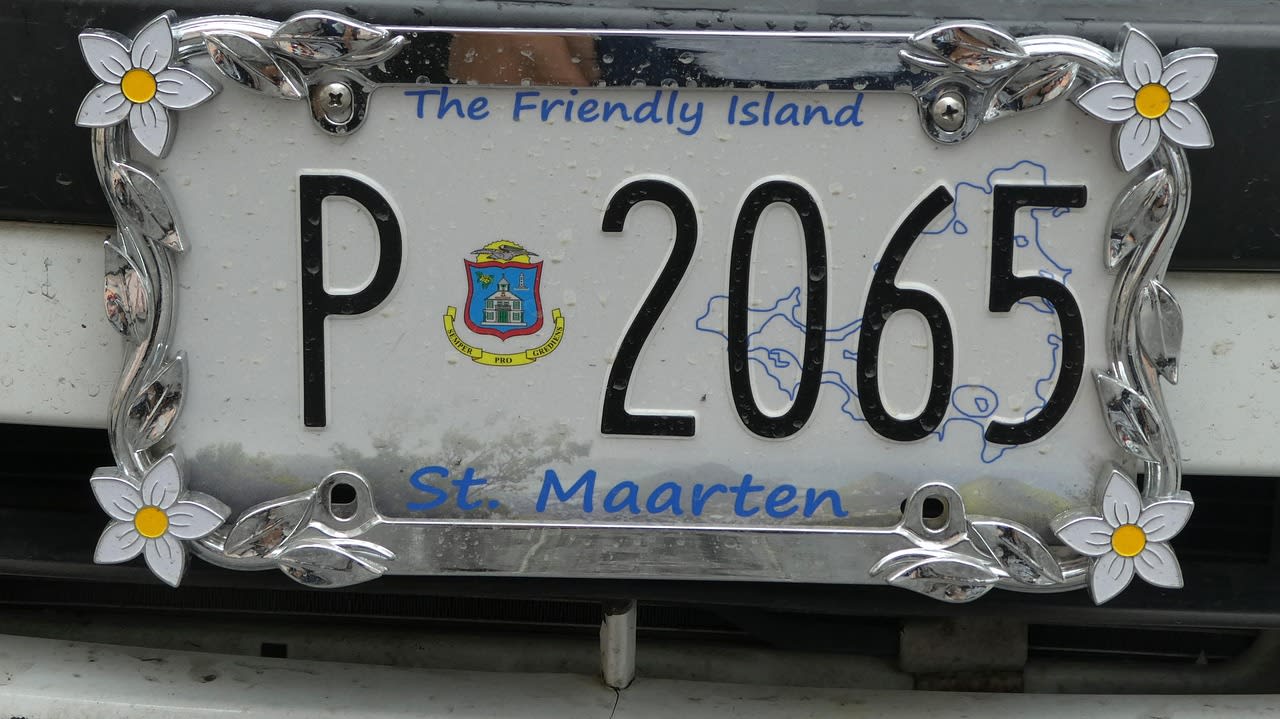
For technical privacy measures, consider Privacy Screens for License Plates. These won't fool all cameras, but they can reduce readability in certain conditions. More importantly, be aware that your vehicle's movements are being tracked and think about whether you need to drive to certain sensitive locations.
Common Mistakes Families Make (And How to Avoid Them)
I've seen several patterns emerge in how families handle these situations, and some approaches work better than others.
Mistake #1: Assuming traditional documentation will be enough. In 2026, it often isn't. Even with perfect paperwork, the automated system might still flag you. Be prepared to address both traditional and digital verification methods.
Mistake #2: Getting defensive instead of gathering information. When faced with a denial, the natural reaction is frustration. But what you need is data. Ask questions. Document everything. Create a paper trail.
Mistake #3: Underestimating the appeal process. Many districts have formal appeal procedures, but families don't use them. They assume it's hopeless. Sometimes, just filing an appeal triggers additional human review that can overturn automated decisions.
Mistake #4: Not involving advocates early. If you're facing a denial, contact your local legal aid organization, privacy rights group, or even privacy consultants who specialize in these issues. Don't wait until you've exhausted all other options.
Mistake #5: Assuming this only affects "other people." Surveillance systems have a way of expanding. What starts as "just for residency verification" today might be used for truancy monitoring tomorrow, or for identifying "suspicious" patterns in parent behavior.
The Bigger Picture: Where This Is Headed
This isn't going away. If anything, it's expanding. I'm already seeing discussions about using similar systems for other educational purposes:
- Truancy enforcement (tracking whether students are actually at home during school hours)
- Attendance zone enforcement (making sure students aren't attending schools outside their assigned zones)
- Even monitoring of school events (tracking which parents attend)
The technology is also becoming more sophisticated. Facial recognition integration is the next logical step. Why just track cars when you can track people directly?
And let's not forget the commercial incentives. Companies like Thomson Reuters have found a lucrative new market. They're not going to voluntarily scale back. If anything, they'll look for more applications, more data sources, more "insights" to sell.
What concerns me most is the normalization of this surveillance. When we accept that our movements should be tracked and analyzed for something as fundamental as school enrollment, what won't we accept? Where do we draw the line?
Taking Action Beyond Your Family
Protecting your own family is important, but this is a systemic issue that requires systemic solutions. Here's what you can do on a broader level:
Attend school board meetings and ask about surveillance policies. Most districts have to publicly discuss technology purchases over certain amounts. Be that person who asks the uncomfortable questions.
Support organizations fighting educational surveillance. Groups like the Electronic Frontier Foundation, the Student Privacy Project, and local ACLU chapters are doing important work here.
Talk to other parents. Many have no idea this is happening. Share information. Build awareness. There's strength in numbers.
Consider political action. Some states are starting to introduce legislation limiting educational surveillance. Support those efforts. Write to your representatives. This is fundamentally a policy problem that needs policy solutions.
And document everything. If you experience issues, write them down. Take screenshots. Save correspondence. This documentation helps advocates build cases and push for change.
A Future We Can Choose
Look, I get it. School districts face real challenges with residency verification. There are legitimate concerns about resources being used by families who don't actually live in the district. But automated surveillance isn't the answer. It's a sledgehammer where we need a scalpel.
There are better approaches. Human review processes with proper oversight. Transparent criteria that families can understand and challenge. Support for families experiencing housing instability rather than punishment.
What's happening with license plate readers in schools is a warning sign. It shows how surveillance technology creeps into new areas, often with good intentions, but with consequences we haven't fully considered. It shows how automated decision-making can override human judgment and compassion. It shows how privacy erosion happens—not with a bang, but with a thousand small compromises.
Your child's education shouldn't depend on where an algorithm thinks your car sleeps at night. We need to push back now, before this becomes even more normalized. Ask questions. Demand transparency. Protect your privacy. And remember—you're not just fighting for your family. You're helping shape what kind of society we become.
The technology will keep advancing. The question is whether we'll advance our protections alongside it. Based on what I'm seeing in 2026, we have some catching up to do.