


Introduction: The Quiet Dissent in the Remote Work Revolution
Scrolling through LinkedIn or Reddit's r/remotework, you'd think everyone has unlocked the secret to perfect productivity and work-life balance. The narrative is overwhelming: remote work equals freedom, flexibility, and fulfillment. But what if you're sitting there, reading those glowing testimonials, and thinking... "Am I the only one who doesn't advocate for this whole idea though?"
Let me tell you something straight up: you're not. Not even close. In 2026, as remote and hybrid models have solidified, a substantial counter-current has emerged. It's just quieter. People whispering in DMs, hesitant comments buried in threads, freelancers who tried the digital nomad life and came home with more than just souvenirs. This article is for that silent cohort. We're going to unpack the very real, often unspoken downsides of remote work for freelancers, validate your concerns, and explore what a balanced approach might actually look like.
The Loneliness Epidemic: When Your Home is Also Your Office
Let's start with the big one—the isolation. That original Reddit post hit a nerve because it voiced a universal but seldom-admitted truth: working alone, day after day, can be mentally brutal. We're social creatures, even the introverts among us. The casual banter by the coffee machine, the spontaneous lunch with a colleague, the ability to turn to someone and say, "Hey, can you look at this?"—these aren't just distractions. They're micro-interactions that provide cognitive breaks, social validation, and a sense of belonging.
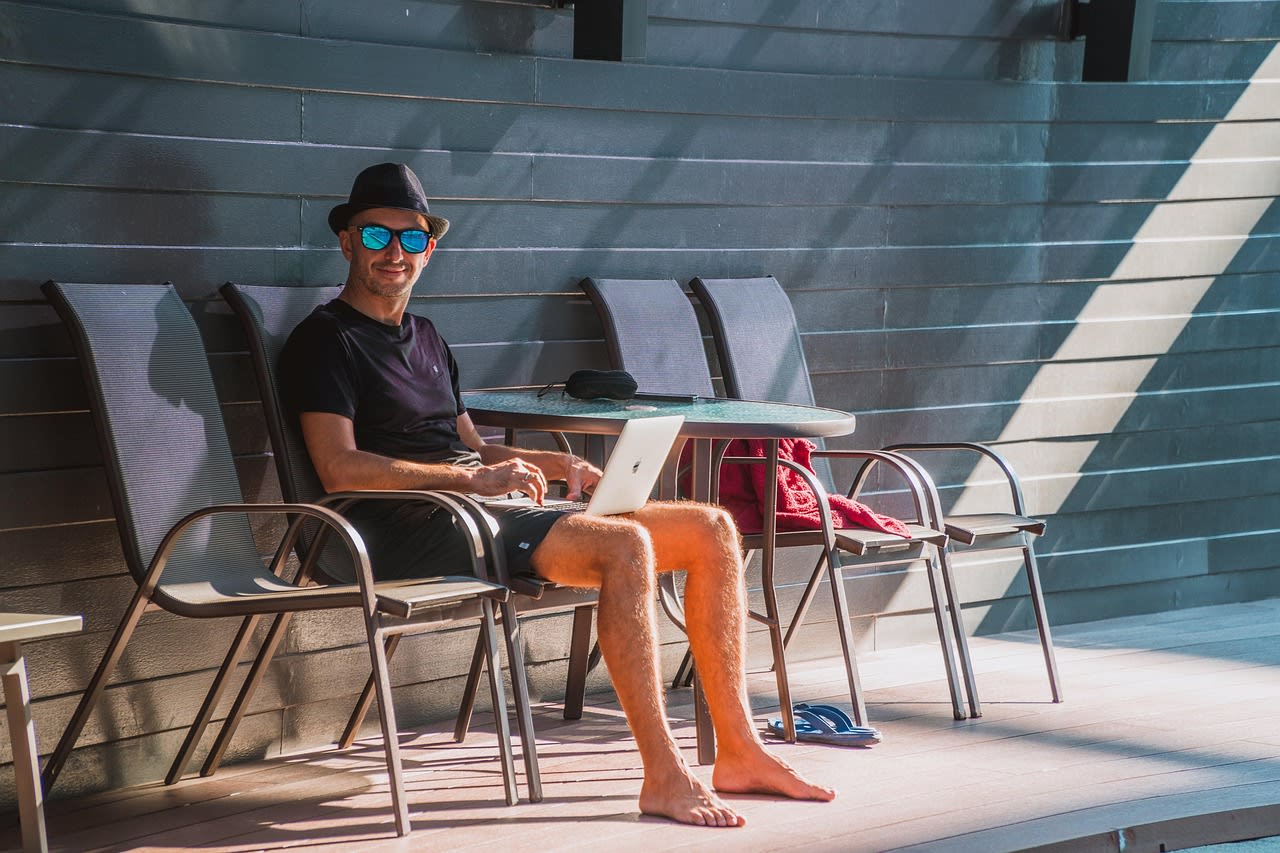
When your "team" is a collection of Slack avatars and your office is your kitchen table, those interactions vanish. The silence becomes palpable. For freelancers, this is compounded. You don't have a company HR department organizing virtual happy hours. Your "water cooler" is Twitter, and that's a whole different kind of draining. I've talked to freelancers who schedule fake "commutes"—a walk around the block at 9 AM and 5 PM—just to simulate the transition between home and work life because the lines have dissolved so completely.
And it's not just about missing people. It's about missing context. You miss the nonverbal cues, the energy of a room, the quick sketch on a whiteboard. Communication becomes a series of deliberate, often misinterpreted, text-based transactions. The result? You can feel untethered, adrift in your own home.
The Myth of Unlimited Productivity and the Blurred Line

"You'll be so much more productive at home!" they said. No commute means more time for deep work! For some, this is absolutely true. For many others, it's a fast track to burnout. The home is filled with distractions—laundry, dishes, that book you've been meaning to read, the dog that needs walking. Conversely, and more dangerously, the office is now always open.
When your work lives in the same physical space as your life, the boundary evaporates. The laptop is right there. You can just answer that one email at 9 PM. You can hop on for a quick task on Saturday morning. Before you know it, you're working longer hours than you ever did in an office, but it feels less productive because it's fragmented and interspersed with domestic life.
This is the great paradox of remote freelancing. The freedom to set your own hours can morph into the obligation to be always-on. Clients in different time zones expect responses. The pressure to be visibly "online" in project management tools creates a performative productivity trap. You're not managing your time; you're managing the perception of your time. I've found the most successful remote freelancers aren't the ones with the most discipline—they're the ones with the most rigid, self-imposed structures. They use tools like time-blocking calendars and physical "work mode" triggers (like a specific lamp or playlist) to force the separation their environment doesn't provide.
The Hidden Financial and Logistical Burden
Here's a cost analysis nobody gives you when they sell the remote dream. Sure, you save on gas or transit fare. But what do you take on instead? Your entire office infrastructure. A reliable, high-speed internet connection isn't a luxury; it's a business-critical utility you pay for. Your electricity bill spikes. You need a proper desk, an ergonomic chair, a backup power supply, and higher-spec hardware.
Then there's the software. Cloud storage, project management tools, professional-grade communication apps, cybersecurity—these subscriptions add up fast. As a freelancer, these are all out-of-pocket expenses. In an office, this is just... the office.
And let's talk about the biggest hidden cost: opportunity. Remote work often means you're invisible. The "out of sight, out of mind" phenomenon is real. You miss the casual conversations that lead to new projects, the mentorship from seeing senior people work, the chance to impress a client who drops by the office. Your network can stagnate. Building new, meaningful professional relationships requires exponentially more effort when every interaction must be scheduled as a "virtual coffee." For a freelancer whose livelihood depends on network and reputation, this isn't a minor inconvenience; it's an existential threat.
The Co-Working "Solution" and Its Shortcomings
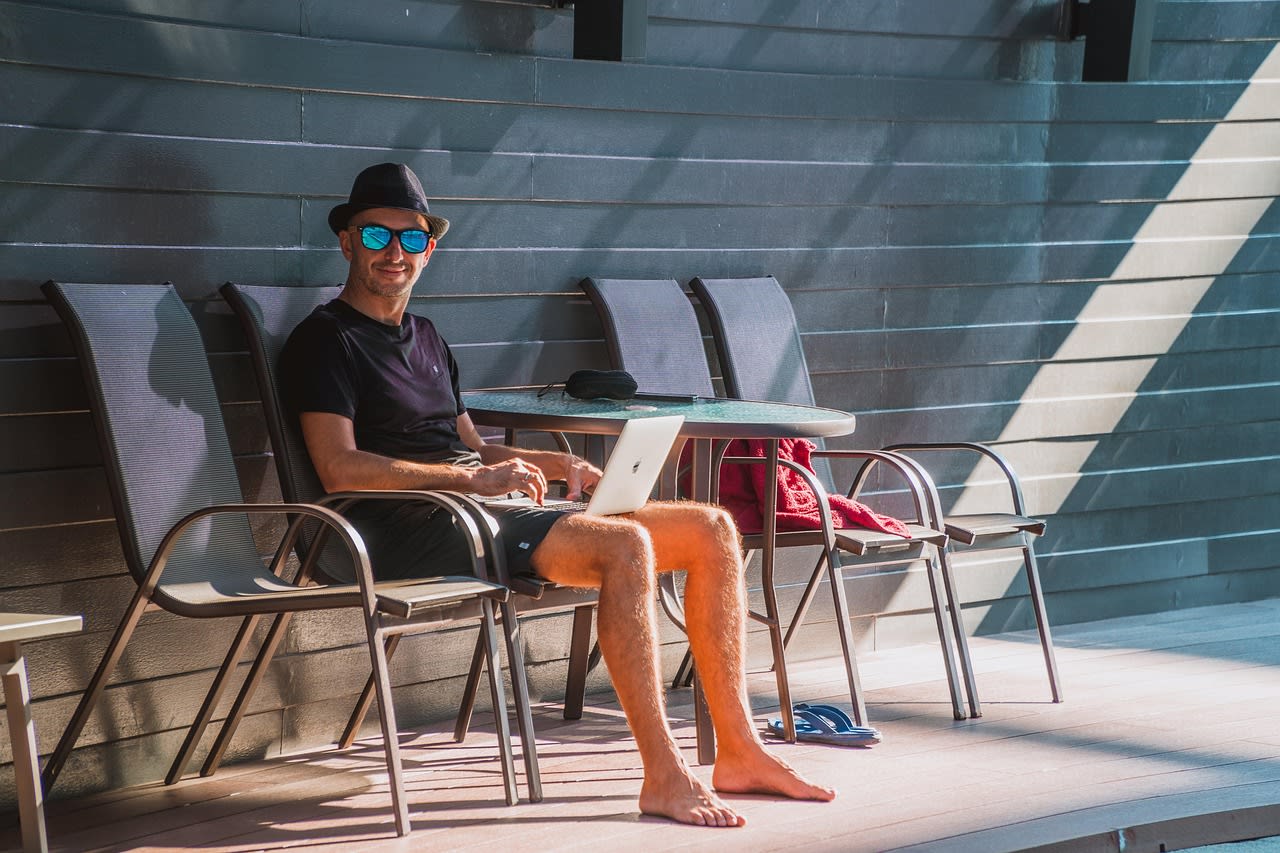
"Just go to a co-working space!" is the standard retort to the isolation problem. And look, spaces like WeWork (or their 2026 equivalents) can be a godsend. They provide structure, community, and that crucial separation. But they're not a panacea, and they introduce a new set of challenges.
First, cost. A dedicated desk in a major city can easily run several hundred dollars a month—a significant overhead for a solo freelancer. Second, you're trading the isolation of your home for the potential distractions of an open-plan office full of other people, none of whom you actually work with. The noise, the constant movement, the pressure to look busy can be just as draining.
Most importantly, a co-working space doesn't automatically give you a "team." You're surrounded by people, but you're still fundamentally alone in your business. The community events often feel forced, and making genuine connections takes time and energy you might not have after a full day of client work. For some, it's the perfect middle ground. For others, it's just an expensive way to feel lonely in a crowd.
Building a Hybrid Freelance Model That Actually Works
So, if full-time remote has these pitfalls, and a traditional office job isn't the goal, what's the answer? For a growing number of freelancers in 2026, it's a intentional, personalized hybrid model. This isn't about a company policy; it's about designing your own work ecosystem.
The key is to identify what you need from an office environment and what you thrive on at home. Do you need quiet, deep work for writing or coding? Protect that for home days. Do you need collaboration, brainstorming, or client meetings? Schedule those for in-person days. Maybe you rent a co-working desk two days a week specifically for meetings and admin. Maybe you join a professional association or club that has physical meetups. Perhaps you find one or two other freelancers and rent a small office together—creating a real, tiny team.
The toolset for this is crucial. Use project management software (like Trello or Asana) religiously so work isn't tied to a location. Invest in a great portable setup—a lightweight laptop, noise-cancelling headphones, a portable monitor. Your workflow should be location-agnostic. The goal is to own the flexibility, not be victimized by it.
Leveraging Technology to Mitigate the Downsides (Without Going Crazy)
You can't tech your way out of human needs, but you can use tools strategically to soften the rough edges of remote work. The mistake is using every tool for everything. Be selective.
For communication, default to asynchronous text (email, Slack) for most things to avoid constant interruptions. But schedule regular video calls. Not just for work updates, but for virtual co-working sessions with other freelancers. Just having someone else "there" on screen, working silently, can combat loneliness and boost accountability.
For task and project management, find one system and stick to it. I've seen freelancers waste more time juggling Notion, ClickUp, and a paper planner than actually doing the work. Automation is your friend here. Use tools to handle repetitive tasks. For instance, if client onboarding or data collection is a pain point, you could use a platform like Apify to automate web scraping for market research, saving you hours of manual work. The key is to automate the tedious stuff so you have more energy for the meaningful, human-centric parts of your business.
And don't forget analog tech. A physical planner, a notebook for brainstorming, a timer for Pomodoro sessions—these can create tangible boundaries in a digital world.
FAQs: Answering the Community's Real Questions
"I feel guilty for not loving remote work. Is something wrong with me?"
Absolutely not. The marketing of remote work has been one-sided. It's okay to need structure, separation, and spontaneous human interaction. It doesn't mean you're less independent or disciplined; it means you're self-aware.
"How do I explain to potential clients that I'm not available 24/7?"
Set boundaries from the first interaction. Have clear "office hours" listed on your website and in your email signature. Use scheduling tools like Calendly that only show your available slots. In your contract, specify response times (e.g., "I respond to emails within 24 hours on business days").
"I'm burning out but scared to take on the cost of an office space. What are my options?"
Start small. Try a co-working space for one day a week as a test. Look for libraries with business rooms, quiet cafes you can treat as an office (buy coffee, be a good patron), or even a trade with a friend who has a spare room. The investment in your mental health and productivity will likely pay for itself. If you need specialized help—like designing a website or creating branding to attract better clients—consider hiring a vetted expert for a one-off project on a platform like Fiverr to free up your time for higher-value work.
"What physical setup actually helps?"
Invest in your throne and your tools. A high-quality, ergonomic chair is non-negotiable for long-term health. Pair it with a desk at the right height. A second monitor is a massive productivity booster. For a great, affordable starting point, check out this Ergonomic Office Chair and this Adjustable Standing Desk Converter. Good lighting (a ring light for calls, a desk lamp for work) reduces eye strain and improves your mood and on-camera presence.
Conclusion: It's Not All or Nothing
The point of this isn't to scare you away from remote work. It's to validate your experience and empower you to design a work life that actually works for you. The goal in 2026 isn't blind adherence to a trend—it's intentionality.
Maybe that means you work remotely 80% of the time but commit to two in-person networking events a month. Maybe it means you find a co-working space you love. Maybe it means you build a freelance practice that is deliberately local and in-person. All of these are valid.
So, if you've been quietly questioning the "whole idea," take this as your permission slip. Your doubts are data. Listen to them. Experiment. The ultimate freedom of freelancing isn't working in your pajamas—it's having the agency to build a professional life that aligns with your human needs, not just a productivity metric. Start that conversation with yourself today. What do you really need to thrive?