

The Great Remote Work Rebellion: When "Unprofessional" Becomes Productive
Picture this: It's 2 PM on a Tuesday. In a traditional office, everyone's slumped at their desks, fighting the post-lunch slump with mediocre coffee and forced small talk. Meanwhile, a remote worker is halfway through a forest trail, headphones on, solving a complex problem while their feet crunch through autumn leaves. To the office manager, this looks like slacking. To the remote worker, it's peak productivity.
We've reached a fascinating point in 2026 where remote work isn't just about location—it's about completely reimagining what "work" looks like. The habits that would get you side-eyed (or fired) in a traditional office have become the secret sauce for successful remote professionals. And honestly? The traditional office could learn a thing or two.
I've been working remotely for eight years now, and I've watched this evolution firsthand. What started as simple flexibility has morphed into a complete redefinition of professional norms. The Reddit thread that inspired this article captured something real—that moment when you realize your work habits would seem completely alien to someone chained to a cubicle.
The Non-Negotiable Midday Walk: More Than Just Exercise
Let's start with the example from the original post: treating a twenty-minute walk as non-negotiable as any meeting. In an office, leaving for a walk in the middle of the day feels like you're playing hooky. There's that awkward moment when you grab your coat and everyone wonders where you're going. "Just... for a walk?" they'd ask, as if you'd announced you were going to juggle flaming torches in the parking lot.
But here's what traditional offices miss: that walk isn't a break from work. It is work. It's where problems get solved, creativity sparks, and mental fog clears. I've lost count of how many times I've returned from a walk with the solution to a problem that had me stuck for hours.
Neuroscience backs this up, by the way. Walking increases blood flow to the brain, stimulates creative thinking, and helps with pattern recognition. That twenty-minute walk might be the most productive part of your day. Yet in an office, you'd need to justify it on a timesheet. "2:00-2:20 PM: Walked around block, solved client's integration issue." Good luck with that.
Eating When You're Actually Hungry (Revolutionary, I Know)
The original poster mentioned eating lunch at 11 AM because that's when they're hungry. This seems so simple, right? Your body says "feed me," and you feed it. But in traditional offices, lunch is scheduled like a military operation. Noon to 1 PM. Maybe 12:30 to 1:30 if you're lucky. Your biological clock? Irrelevant.
Remote workers have rediscovered something fundamental: we're not robots. Our energy levels, hunger cues, and focus cycles vary throughout the day. I know remote workers who eat breakfast at 10 AM, lunch at 3 PM, and dinner at 8 PM because that's what works for their bodies and workflow. They're not skipping meals or eating junk—they're listening to their actual needs.
This extends beyond food, too. Need a 20-minute power nap at 2 PM? Go for it. Feeling most creative at 10 PM? Capitalize on it. The 9-to-5 structure assumes we all operate on identical circadian rhythms, which anyone who's ever met a night owl knows is nonsense. Remote work lets you design your day around your personal productivity peaks, not an arbitrary schedule.
The Parking Lot Phone Call: Changing Scenery to Change Perspective

This one might be my favorite from the original discussion: taking calls from your car in a parking lot because you just need to not be in your apartment. To an office worker, this seems bizarre. Why would you voluntarily sit in your car to work? But remote workers get it immediately.
Sometimes, you just need a change of scenery. Your home office starts to feel like a cage. The same four walls, the same chair, the same everything. It's not about the space being inadequate—it's about novelty stimulating your brain. I've taken important calls from parks, coffee shops, library steps, and yes, parking lots. The change of environment often makes me more engaged, more present, more focused.
There's also something freeing about the temporary nature of these spaces. You're not committing to being there for eight hours. You're just borrowing a different perspective for an hour. It's like mental reset button. And when the call ends, you drive home with a clearer head, having broken the monotony that can plague even the most dedicated remote worker.
The "Meeting" That's Just You Thinking Out Loud
Here's a habit several Reddit commenters mentioned that would raise eyebrows: scheduling calendar blocks for thinking. Literally putting "Think about project X" on your calendar for 90 minutes. In an office, this would look like you're just staring into space. A manager might ask what you're working on, and you'd have to say, "Um, thinking?" Cue the suspicious look.
But deep work requires uninterrupted focus, and thinking is work. I schedule these blocks regularly, and they're some of my most productive times. No emails, no messages, no distractions—just me and a problem that needs solving. The output might not be immediately visible (no spreadsheet gets filled, no code gets written), but the strategic insights that come from these sessions drive everything else.
Remote work acknowledges that not all work is visibly busy work. Sometimes the most valuable thing you can do is sit quietly and think. Traditional offices struggle with this because they're built around observable productivity. If you're not typing or talking, you're not working. Remote work trusts professionals to manage their cognitive resources effectively.
The Multi-Location Workday: Office? What Office?
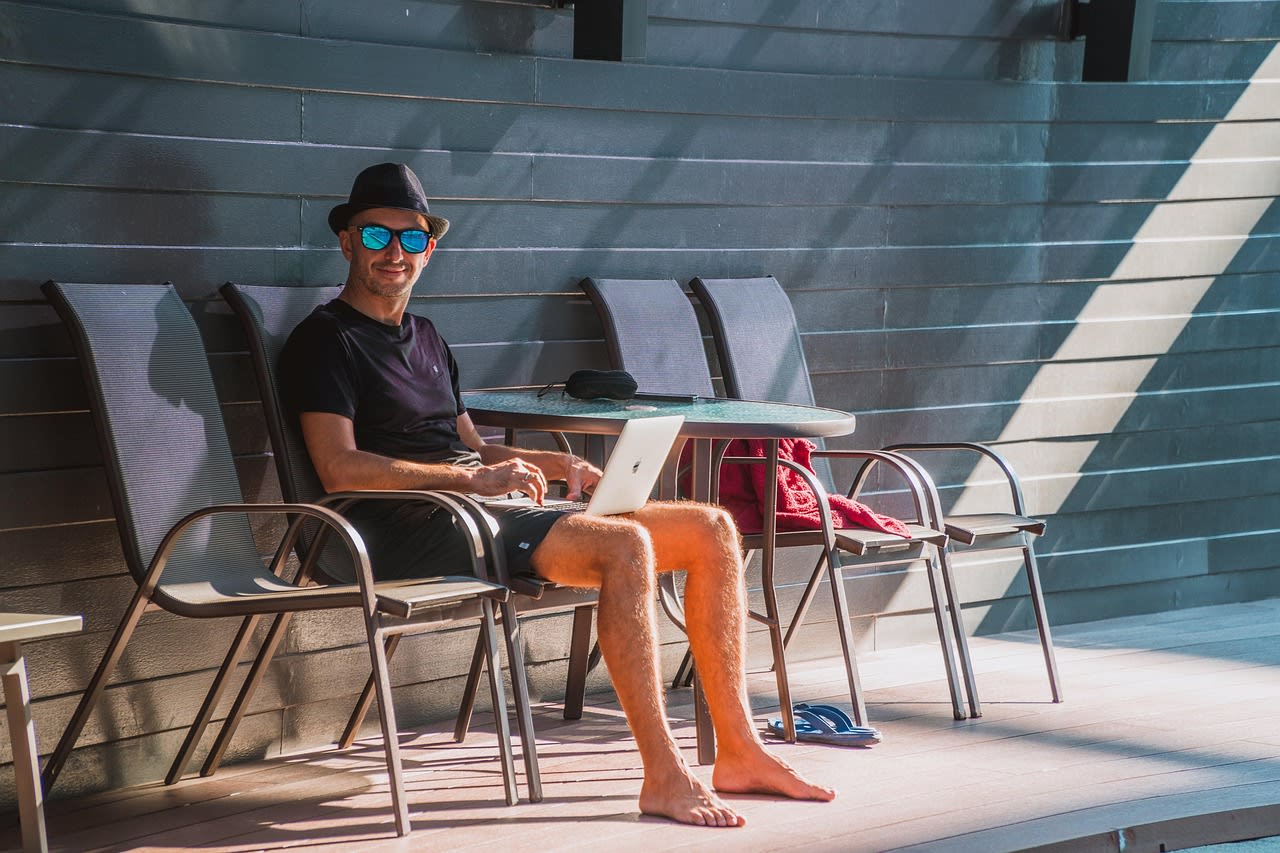
Another common remote habit: working from three different locations in one day. Morning at home, afternoon at a coworking space, late afternoon at a coffee shop. In a traditional office, this would be seen as unreliable or flighty. "Why can't you just stay in one place?"
But different tasks benefit from different environments. Deep writing? That happens best at home with noise-cancelling headphones. Collaborative brainstorming? A vibrant coffee shop provides just enough ambient noise to stimulate creativity without being distracting. Administrative tasks? A coworking space provides structure without the commute.
I know remote workers who literally plan their days around location changes. They'll schedule location shifts to match task shifts. It's not about being restless—it's about intentionally designing your environment to support your work. Each move is a conscious transition from one mental mode to another. The physical movement helps cement the cognitive shift.
The Asynchronous Communication Dance
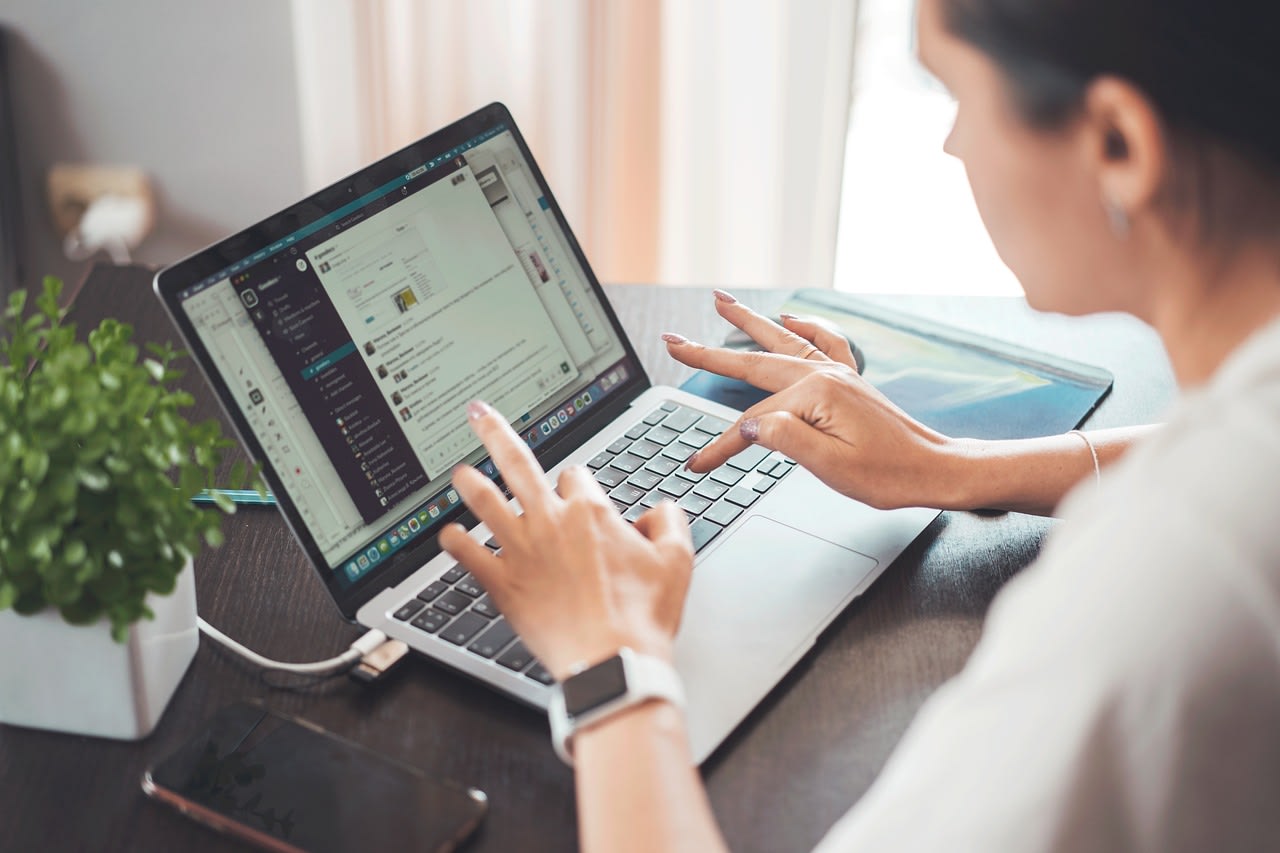
Here's a subtle one that would confuse traditional offices: the deliberate delay in responding. In an office, if someone pops by your desk, you're expected to respond immediately. Remote work has normalized asynchronous communication—responding when it works for your flow, not when someone demands attention.
I might see a message come in at 10 AM and intentionally wait until 2 PM to respond because I'm in a deep work block. To the sender, it might seem like I'm ignoring them. But to me, it's protecting my most valuable asset: uninterrupted focus time. What's fascinating is that most remote teams develop an understanding about this. We signal our availability through status indicators, and we respect each other's focus time.
This creates a healthier relationship with communication. Instead of everything being urgent, we learn to triage. Some things need immediate responses. Most things can wait a few hours. The constant context-switching that plagues offices becomes manageable. And honestly? Things rarely are as urgent as they feel in the moment.
The Equipment That Would Make IT Departments Faint
Remote workers invest in their setups in ways that would give traditional office IT departments heart palpitations. We're talking about $300 mechanical keyboards, multiple monitor setups that look like mission control, ergonomic chairs that cost as much as a used car, and microphone setups worthy of a podcast studio.
In an office, you get what you're given. A basic keyboard, a standard monitor, the chair that's been there since 2015. Remote workers understand that their equipment directly impacts their productivity and wellbeing. That fancy keyboard isn't a luxury—it prevents wrist pain during eight hours of typing. Those dual monitors aren't showing off—they eliminate constant tab switching that fragments attention.
I've personally tested dozens of setups, and the difference is real. The right equipment doesn't just make work easier—it makes it sustainable. When you're responsible for your own work environment, you quickly learn what investments pay off. For those looking to upgrade, I recommend starting with a proper chair—your back will thank you. Herman Miller Aeron Chair has been the industry standard for years for good reason.
The Blurred Lines That Actually Create Balance
This might be the most counterintuitive one: remote workers often blur work and life in ways that would horrify traditional work-life balance advocates—and it often works better. Taking a break to fold laundry between meetings. Running a quick errand at 3 PM. Playing with your dog for ten minutes when you hit a mental block.
In an office, these would be seen as distractions. At home, they're micro-breaks that prevent burnout. The key is intentionality. I don't just randomly start doing laundry—I use it as a deliberate break between intense tasks. The physical movement and mundane task give my brain a rest, and I return to work refreshed.
This integrated approach often leads to working odd hours, but here's the secret: you're working when you're most productive, not when you're supposed to be productive. If you get a second wind at 8 PM and knock out two hours of focused work, you might start tomorrow at 10 AM instead of 8. The total hours might be similar, but the quality is higher because you're working with your energy, not against it.
Making These "Insane" Habits Work For You
So how do you adopt these habits without looking like you've lost your mind to clients or traditional colleagues? First, communicate your approach proactively. If you take midday walks, block that time on your shared calendar as "Focus Time" or "Strategy Walk." It signals you're unavailable without needing to justify the activity.
Second, focus on outcomes, not activity. When someone questions your unconventional habits, point to your results. "I know my schedule looks odd, but I consistently deliver projects ahead of deadline." Output trumps process every time.
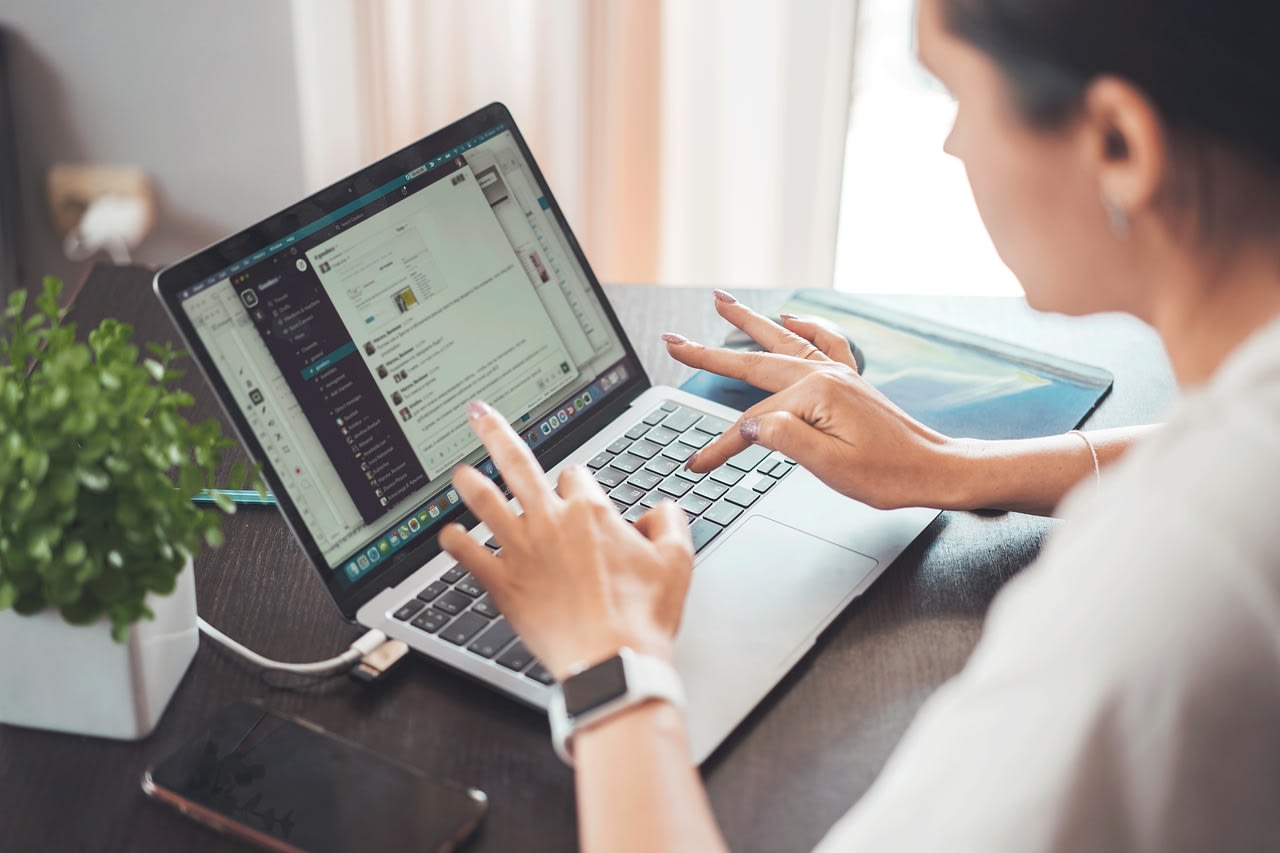
Third, use tools that support asynchronous work. Platforms like Slack allow you to set focus hours. Calendar apps let you block deep work time. Time-tracking software (used for your own insight, not surveillance) can help you identify your productivity patterns. And if you need to automate certain tasks to create space for these habits, consider using a tool like Apify to handle repetitive data work.
Finally, if you're collaborating with traditional offices, find compromise. Maybe you take your walk at 11 AM when their office is typically quiet anyway. Or you schedule calls during their core hours while doing deep work during your peak times. The goal isn't to rebel for rebellion's sake—it's to find what makes you most effective.
Common Mistakes (And How to Avoid Them)
As liberating as these habits can be, there are pitfalls. The biggest mistake? Letting flexibility become chaos. Without some structure, you can end up working all the time because work and life have no boundaries. I recommend keeping core hours—even if they're unusual hours—where you're consistently available.
Another mistake: forgetting that collaboration still matters. If your team needs you at 2 PM, disappearing for a three-hour walk without notice isn't freedom—it's irresponsible. Communication remains key. A simple "Stepping away for a bit, back by 3" in Slack goes a long way.
Also, don't assume what works for others will work for you. The Reddit thread showed incredible variety—some people thrive on changing locations constantly, others need the consistency of a dedicated home office. Experiment, but pay attention to what actually improves your work, not just what sounds good.
Lastly, if you're freelancing or consulting, remember that clients often come from traditional backgrounds. You might need to gradually introduce them to your ways of working. Start with small deviations from the norm and demonstrate how they lead to better results. Trust builds over time.
The Future Isn't Just Remote—It's Human
As we move deeper into 2026, what strikes me most about these "insane" remote work habits is how fundamentally human they are. They acknowledge that we're not machines. We need movement, variety, autonomy, and the freedom to work in ways that align with our individual rhythms.
The traditional office, with its rigid schedules and constant surveillance, was built for an industrial age. Remote work, in its best form, is designed for the cognitive age. It trusts professionals to manage their time, energy, and attention. It values output over presence. It understands that creativity can't be scheduled from 9 to 5.
Your challenge isn't to mimic office habits at home. It's to discover what makes you most effective, even if it would look completely insane to someone in a traditional office. Take that midday walk. Eat when you're hungry. Work from your car sometimes. Schedule time to just think. The most productive version of you might look nothing like the office version—and that's exactly the point.
If you're struggling to implement these changes while managing client work, remember that you don't have to do everything yourself. Sometimes the most productive habit is knowing when to delegate. Platforms like Fiverr can connect you with professionals who can handle specific tasks, freeing you to focus on your unique strengths and those unconventional habits that make you most effective.