


Introduction
In 2026, the economy we've chosen to be born into is a complex tapestry woven from threads of technology, globalization, and evolving work dynamics. Navigating this landscape, especially as a freelancer or remote worker, presents both challenges and opportunities. But what does this economy mean for you? In this article, we'll explore how these economic shifts impact our work lives, providing insights and practical tips for thriving in this environment.
Understanding the Economy We Chose
The phrase 'the economy we chose to be born in' captures the essence of our collective decisions shaping today's economic environment. From embracing technology to prioritizing flexibility over stability, these choices have led to an era where the gig economy and remote work are not just trends but staples of our professional lives. This context is essential for understanding how we've arrived at a point where traditional career paths are being redefined.
The Rise of Freelancing
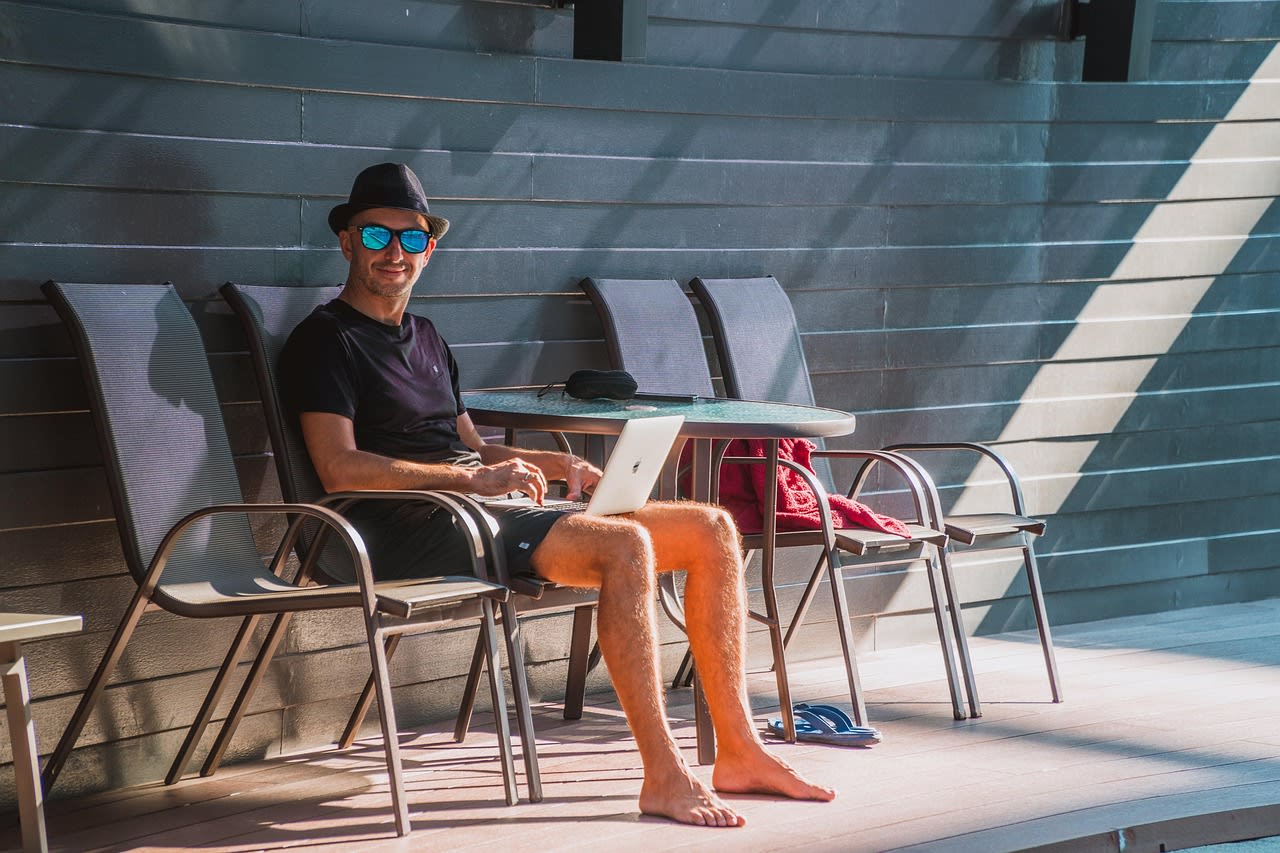
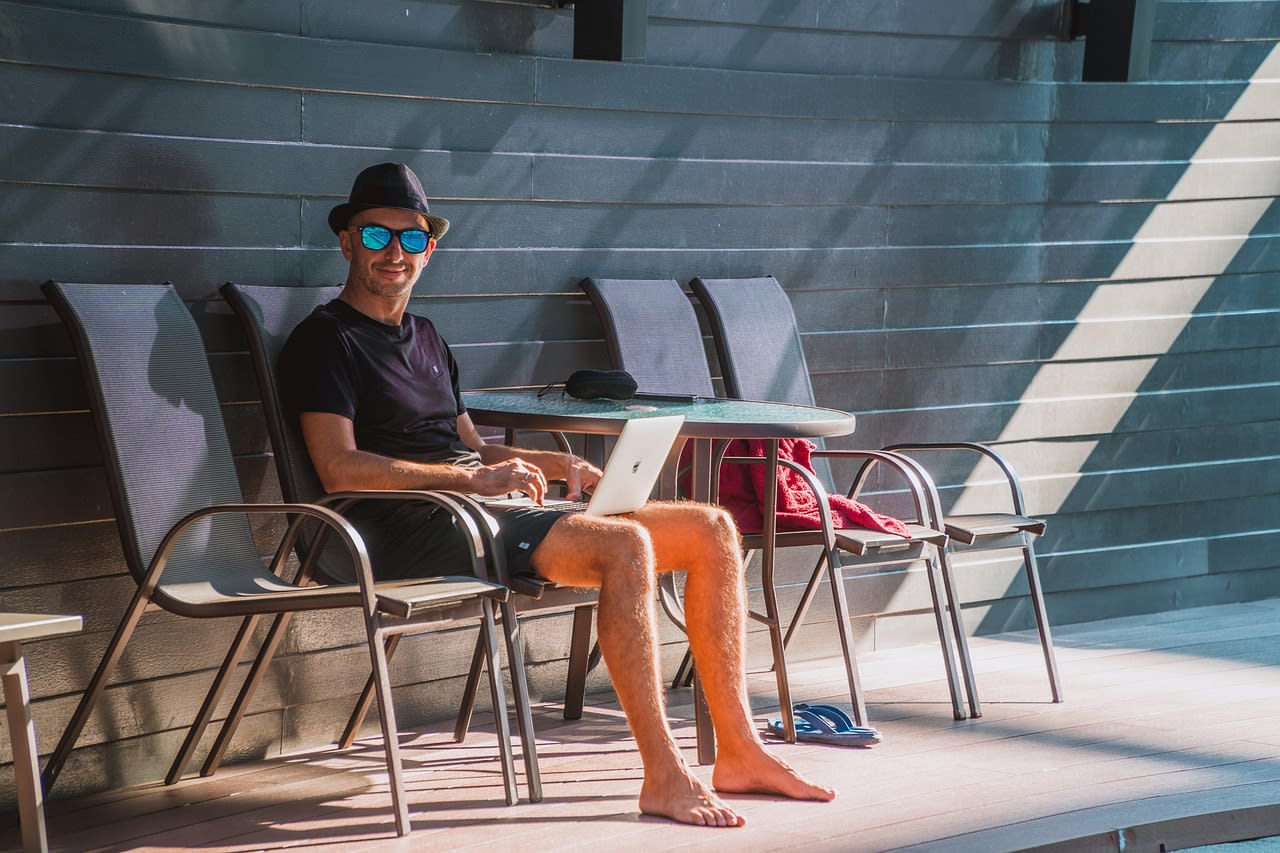
One of the most significant shifts in our chosen economy is the rise of freelancing. With platforms like Fiverr making it easier to connect with clients globally, more professionals are opting for freelancing over traditional employment. This shift offers unparalleled flexibility and the potential for diverse income streams, but it also comes with challenges such as income instability and the need for self-management.
Remote Work: A New Norm

Remote work has transitioned from a perk to a norm, especially after the global disruptions of the early 2020s. In 2026, technology enables seamless collaboration across continents, making it possible for teams to operate efficiently without geographical constraints. However, this shift requires workers to develop new skills in communication and self-discipline to remain productive outside conventional office environments.
Technological Advancements and Their Impact
Technology continues to reshape our economy, with automation and AI playing pivotal roles. Tools like Apify automate mundane tasks, allowing freelancers to focus on more creative aspects of their work. However, this also raises concerns about job displacement and the necessity for continuous skill development to stay relevant in a tech-driven world.
Practical Tips for Thriving
To thrive in this economy, freelancers and remote workers must adapt and evolve. Building a robust online presence, continuously upgrading skills, and diversifying income streams are crucial steps. Utilizing platforms like Fiverr can also help in finding new opportunities and expanding networks. Remember, resilience and adaptability are key traits for success in this dynamic environment.
Common Mistakes and FAQs
A common mistake freelancers make is underestimating the importance of financial management. Without the safety net of a steady paycheck, budgeting and savings become critical. Additionally, many new freelancers struggle with time management—balancing multiple projects requires meticulous planning. FAQs often revolve around tax implications and finding reliable clients, both of which can be navigated with research and networking.
Globalization and its Influence on Work Dynamics
Globalization has fundamentally reshaped the landscape of work, creating an interconnected world where geographical boundaries are less significant in determining the flow of labor and services. In today's economy, professionals are not just competing with local talent but with individuals worldwide. This has led to a diverse array of opportunities for those willing to tap into international markets. For example, a graphic designer in India can collaborate with a marketing firm in Germany, leveraging platforms like Upwork and Freelancer to bridge the distance.
The impact of globalization is multifaceted. On one hand, it allows for access to a broader client base and the ability to offer services in regions with higher demand. On the other hand, it increases competition, often driving down prices and necessitating heightened specialization or niche expertise to stand out. Freelancers must now market themselves with a global mindset, understanding cultural nuances and diverse market needs to effectively engage with international clients.
The Importance of Work-Life Balance in a Digital Age
As remote work and freelancing become more prevalent, maintaining a healthy work-life balance is crucial. The blurring of boundaries between work and personal life can lead to burnout, especially when home becomes a permanent workspace. To combat this, it's essential to establish clear boundaries, such as defined working hours and dedicated office spaces, even within a home environment.
For instance, using time management techniques like the Pomodoro Technique, where work is broken into intervals, can help maintain focus and ensure regular breaks. Additionally, leveraging digital tools like Trello or Asana allows freelancers to organize tasks efficiently, reducing stress and improving productivity. It's also vital to prioritize self-care, whether through regular exercise, meditation, or hobbies, to sustain long-term productivity and well-being.
The Role of Continuous Learning and Skill Development
In an economy driven by rapid technological advancements, continuous learning is not just beneficial but essential. As AI and automation evolve, the demand for new skills surges, requiring workers to adapt quickly to remain relevant. Online learning platforms such as Coursera, Udemy, and LinkedIn Learning offer accessible resources for acquiring new skills, from coding and data analysis to digital marketing and design.
Consider a freelance writer who, recognizing the growing demand for SEO expertise, undertakes an online course to enhance their skill set. By expanding their knowledge, they can offer more comprehensive services, attracting a wider range of clients and commanding higher fees. This adaptability is crucial in a volatile job market, where the ability to pivot and learn can determine long-term career success. Therefore, embracing a mindset of lifelong learning is vital for anyone looking to thrive in the economy we chose to be born into.
Conclusion
The economy we chose to be born in is not just a backdrop but a living, evolving entity that influences every aspect of our work lives. By understanding its nuances and preparing for its challenges, freelancers and remote workers can not only survive but thrive in 2026. So, what steps will you take today to secure your place in this vibrant economy?