


Introduction: The Quiet Threat to Your Digital Anonymity
Here's something that should keep you up at night: While everyone's watching Australia's social media restrictions unfold, there's a bill sitting in the US Senate right now that could fundamentally change how you use the internet. It's called the Kids Off Social Media Act (KOSMA), and it's got bipartisan support. The scary part? Almost nobody's talking about it. I've been tracking privacy legislation for years, and this one feels different. It's not just about protecting kids—it's about creating a system where your digital identity is verified, tracked, and stored every time you want to access what used to be public spaces online. And the implications for adult privacy? They're massive.
What KOSMA Actually Does (And Why It's Not Just About Kids)
Let's cut through the political rhetoric. KOSMA proposes mandatory age verification for all social media platforms. On the surface, sure—protect the kids. But dig deeper, and you'll see the mechanism they're proposing requires verification through government-issued ID or third-party verification services. Think about that for a second. Every time you want to post on what used to be an open platform, you'd need to prove who you are. The bill's language is deliberately vague about what constitutes "social media," which means the definition could expand over time. I've seen this pattern before: start with a reasonable-sounding goal, then gradually expand the scope until you've created a surveillance infrastructure.
The verification systems being discussed aren't simple checkboxes. They're likely to involve facial recognition, ID scanning, or linking to existing government databases. Once that verification happens, platforms would be required to maintain those records. And we all know how well companies protect our data—just look at the Equifax breach or the countless social media leaks over the years. This creates honeypots of verified identity data that will inevitably be breached, sold, or misused.
The TikTok Distraction: Why KOSMA Isn't Getting Coverage
Here's what really bothers me about this situation. Everyone's focused on the TikTok ban drama—the geopolitical posturing, the national security arguments, the China angle. Meanwhile, KOSMA is moving through committees with minimal public discussion. Why the disparity? From what I've observed, TikTok makes for better television. It's a simple narrative: foreign app, potential spyware, clear villain. KOSMA is bureaucratic, complex, and wrapped in the protective language of child safety. It doesn't generate the same outrage, even though its implications are far more sweeping.
But think about this: TikTok affects one platform. KOSMA affects the entire architecture of social interaction online. It sets a precedent that could extend to forums, comment sections, even email services down the line. Once the verification infrastructure exists, the temptation to expand its use will be overwhelming. Law enforcement will want access. Advertisers will salivate over verified demographic data. And governments will see opportunities for population management they never had before.
The End of the Anonymous Internet (And Why That Matters)
This is the core concern that privacy advocates have been shouting about: KOSMA effectively ends anonymous speech online for adults. And anonymous speech isn't just for trolls and criminals—it's foundational to how the internet developed. Whistleblowers, political dissidents, abuse survivors, LGBTQ+ individuals in hostile environments, people exploring sensitive health issues—they all rely on pseudonymity to speak safely. I've worked with journalists who use anonymous sources to expose corruption. I've talked to activists in authoritarian countries who depend on pseudonyms to organize. Take that away, and you chill speech in ways most people don't even consider.
There's also the practical reality: most people won't jump through verification hoops for every platform. They'll either abandon certain services or lie about their age, which defeats the supposed purpose anyway. The result? A fragmented internet where only the most determined (or most compliant) participate in public discourse. And let's be honest—the people most affected will be those already marginalized, not the powerful entities this bill supposedly targets.
The Data Broker Bonanza: Who Really Benefits
Here's the part that really gets my blood boiling. The age verification industry is salivating over KOSMA. Companies like Clear, ID.me, and various blockchain identity startups are positioning themselves as the solution. They're lobbying hard, and they stand to make billions if this passes. These aren't privacy-focused organizations—they're data collection businesses with a new revenue stream. Once they verify you for one platform, they'll want to verify you for everything: banking, shopping, voting. Your digital identity becomes their product.
And the data linkages they'll create are terrifying. Imagine a database that connects your social media activity, verified identity, purchasing habits, and location data. That's not science fiction—that's the business model. These verification services will become the ultimate data brokers, with more comprehensive profiles than Facebook or Google ever dreamed of. The privacy policies will be pages of legalese, and opting out won't be an option if you want to participate in digital society.
How This Changes Platform Responsibility (And Your Rights)
KOSMA shifts liability in dangerous ways. Platforms become responsible for verifying age, which means they'll implement the most restrictive systems possible to avoid fines. We've seen this with copyright (DMCA) and terrorist content—companies over-comply, blocking legitimate content just to be safe. The same will happen here. Algorithms will flag anything that might be related to minors, and human review will be minimal because it's expensive. Your legitimate content could get caught in the dragnet, and good luck appealing when you're dealing with automated systems.
There's also the Section 230 angle. Platforms currently have protection from liability for user-generated content. KOSMA could erode that by making them liable for underage users. This creates perverse incentives: platforms will collect more data, implement more surveillance, and restrict more speech just to prove they're trying. Your privacy and free expression become collateral damage in their legal compliance strategy.
Practical Privacy Protection in a Post-KOSMA World
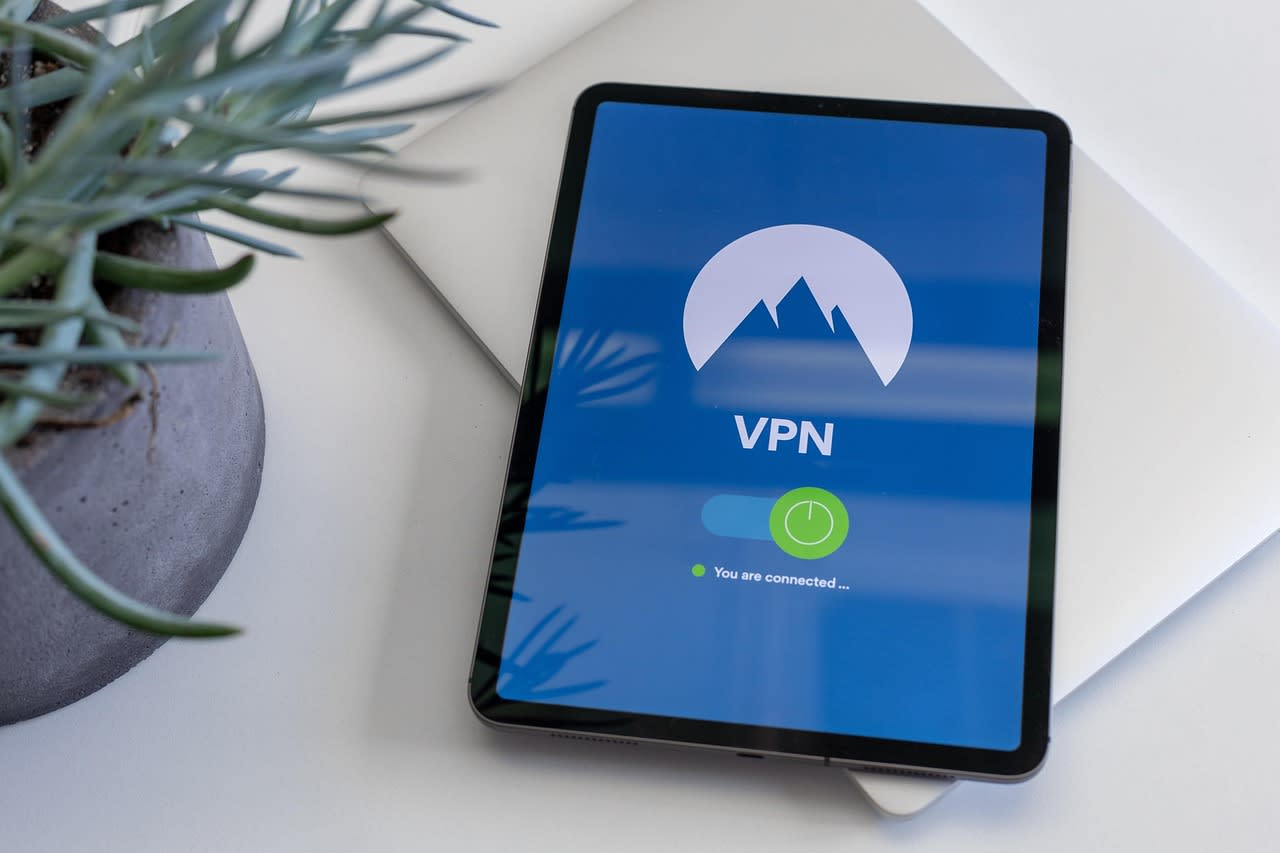
Okay, enough doomscrolling. What can you actually do if this passes? First, understand that traditional privacy tools will become more important than ever. A quality VPN is no longer optional—it's essential infrastructure. But not all VPNs are created equal. Look for ones with proven no-log policies, independent audits, and jurisdiction outside intelligence-sharing alliances. I've tested dozens, and the differences in privacy protection are substantial.
Second, compartmentalize your digital identity. Use different emails for different purposes. Consider privacy-focused alternatives to mainstream services. Platforms like Mastodon and the broader Fediverse don't have the same centralized verification requirements (yet). Encrypted messaging apps like Signal become crucial for private conversations. And maybe most importantly: support organizations like the EFF and ACLU that fight these battles in court. They're our first line of defense when legislation overreaches.
The Technical Workarounds (And Their Limitations)
Tech-savvy users will look for workarounds, and they'll find some. Decentralized platforms, Tor, alternative DNS—these will see renewed interest. But here's the hard truth: most people won't use them. The convenience gap is too wide. And governments know this. They'll target the easy majority while technically allowing (but practically discouraging) alternatives. It's the same playbook we've seen with internet filtering in other countries: make compliance easy, resistance difficult.
There's also the risk of verification creep. Once you're verified on one platform, that verification could be used to track you across others through fingerprinting and data sharing agreements. Browser privacy becomes critical. Use Firefox with strict privacy settings, install uBlock Origin, and consider tools that randomize your fingerprint. But understand: these are delaying tactics, not solutions. The fundamental architecture is changing.
Common Misconceptions About Age Verification
Let me clear up some confusion I've seen in discussions. First, no—this isn't just "showing your ID at a bar" online. Digital verification creates permanent records that can be breached, correlated, and abused in ways physical verification can't. Second, the "think of the children" argument ignores that existing tools (parental controls, account restrictions) already address most concerns without mass surveillance. Third, this won't stop determined kids—they'll use parents' IDs, stolen credentials, or foreign platforms. It will, however, inconvenience and surveil adults.
Another misconception: that this only affects social media. The definitions are broad enough to include comment sections, forums, even collaborative tools. Once the framework exists, expansion is inevitable. Look at how the Patriot Act's provisions grew over time. Privacy legislation tends to follow the same pattern: start narrow, then broaden once the infrastructure is in place.
What You Can Do Right Now (Before It's Too Late)
Feeling overwhelmed? Good—that means you're paying attention. Here's your action plan. First, contact your senators. Be specific about KOSMA's privacy implications. Mention the anonymous speech concerns, the data security risks, the potential for mission creep. Second, diversify your online presence. Don't put all your digital eggs in platforms that might implement these systems. Third, educate others. Most people have no idea this is happening.
From a technical standpoint, now's the time to establish good privacy habits. Use a password manager (not the one built into your browser). Enable two-factor authentication everywhere, but prefer authenticator apps over SMS. Audit your social media privacy settings—assume everything you post could eventually be linked to verified identity. And consider reducing your footprint on platforms most likely to implement aggressive verification.
The Bigger Picture: This Isn't Just an American Problem
Here's what keeps me up at night: KOSMA creates a template. Other countries will copy it. Australia's already moving in this direction. The EU has age verification proposals in various Digital Services Act implementations. Once the US establishes this system, it becomes the global standard through platform compliance. American companies will implement it worldwide because it's easier than maintaining separate systems. Your privacy isn't just threatened by your own government—it's threatened by this becoming the new normal everywhere.
There's also the innovation chilling effect. New social platforms won't launch in the US if they have to implement expensive verification systems. We'll get more of the same corporate-controlled spaces, less experimentation, less diversity of thought. The internet becomes safer, sanitized, and boring—and fundamentally less free.
Wrapping Up: Your Digital Identity Is Worth Fighting For
Look, I get it. Child safety matters. But we've seen this movie before: well-intentioned legislation with catastrophic unintended consequences for privacy. KOSMA isn't just another bill—it's a fundamental shift in how we conceptualize digital identity and anonymity. The anonymous internet allowed marginalized voices to speak, whistleblowers to expose wrongdoing, and ordinary people to explore ideas without fear. Once we lose that, we won't get it back.
The conversation needs to happen now, not after the fact. Ask hard questions. Demand specifics about data protection. Question whether the cure is worse than the disease. And most importantly: don't let the TikTok drama distract you from the quieter, more profound threat taking shape in committee rooms. Your digital future depends on paying attention to the boring stuff. Because sometimes, the most dangerous threats come wrapped in the most reasonable-sounding packages.