
The Uncomfortable Question Everyone's Asking
Let's be honest—when you saw those headlines about cybersecurity agencies getting gutted, that sinking feeling in your stomach wasn't just paranoia. It was recognition. The numbers are staggering: CISA losing over a third of its staff, 40% vacancy rates in critical positions, entire programs monitoring foreign election interference just... canceled. The original Reddit post that sparked this conversation wasn't exaggerating. It was documenting what feels like a slow-motion disaster.
But here's what keeps me up at night. It's not just about government agencies. The ripple effects hit everything—your power grid, water systems, hospitals, financial networks. And while the experts who should be protecting these systems are getting furloughed or laid off, the people trying to break in aren't taking a vacation. They're working overtime.
So how screwed are we? The short answer: It depends. On what we do next. On whether individuals and organizations start taking responsibility where institutions are failing. This article isn't about fearmongering—it's about clear-eyed assessment and practical action. Because in 2026, digital self-defense isn't optional anymore.
The Anatomy of a Crisis: What Those Numbers Really Mean
When CISA lost approximately 1,000 employees starting in January 2025, that wasn't just a budget line item. That was institutional memory walking out the door. Think about what those people did—they weren't just "cybersecurity staff." They were the analysts who could recognize a new strain of Russian malware because they'd seen its predecessor three years earlier. They were the threat hunters who knew which Chinese APT groups targeted which specific industrial control systems.
The October 2025 shutdown made things exponentially worse. With 65% of remaining staff furloughed, only 889 people were left monitoring the entire country's critical infrastructure. To put that in perspective—that's fewer people than work at a medium-sized Walmart. They're supposed to protect everything from election systems to chemical plants to financial markets.
And that 40% vacancy rate? That's the most dangerous number of all. Because vacancies don't just mean empty desks—they mean existing staff are stretched thin, working mandatory overtime, burning out. They're making tired decisions. Missing subtle indicators. And in cybersecurity, the subtle indicators are often the only warning you get before everything goes sideways.
Critical Infrastructure: The Softest Targets
Remember the Colonial Pipeline ransomware attack back in 2021? That caused gas shortages across the East Coast for days. Now imagine that happening to multiple systems simultaneously. That's what keeps actual cybersecurity professionals awake at night—not single attacks, but coordinated campaigns targeting multiple weak points.
The electrical grid is particularly vulnerable. Many utilities still run on legacy systems that were never designed to be connected to the internet (but now are). The workforce maintaining these systems is aging out, and the replacements need years of specialized training that simply isn't happening fast enough. When you combine outdated technology with understaffed security teams, you get what one engineer recently called "a perfect storm of vulnerability."
Water treatment plants are another nightmare scenario. A shocking number still use default passwords or have remote access capabilities with minimal authentication. In 2023, a hacker nearly poisoned a Florida city's water supply by changing chemical levels remotely. That was with security teams in place. What happens when those teams are at 40% staffing?
And healthcare—don't get me started on healthcare. Hospital networks are notoriously fragile, running everything from MRI machines to patient records on the same network. When they get hit with ransomware (and they do, constantly), real people suffer. Procedures get canceled. Emergency rooms divert patients. In 2026, with cybersecurity staff cuts across the board, these attacks won't decrease. They'll increase in frequency and severity.
The Nation-State Timeline: How Fast Could Things Go Bad?
The original Reddit post asked a chilling question: "How quickly do you think a nation state cripples our infrastructure?" Based on what I'm seeing in threat intelligence circles, the answer is: faster than most people realize.
We're not talking about a "cyber Pearl Harbor" scenario where everything goes dark at once. That's Hollywood nonsense. Real nation-state attacks work differently. They're incremental. Persistent. They establish footholds years in advance—what the industry calls "living off the land." They're already inside many systems right now, waiting.
The trigger wouldn't be a massive DDoS attack that takes down the internet. It would be targeted disruptions at critical moments. Think about election season—with programs monitoring foreign interference canceled, what happens when "leaked" documents flood social media during the final week of a presidential campaign? Or when voting registration systems mysteriously go offline in swing states?
Or consider economic warfare. A coordinated attack on multiple financial institutions during trading hours could trigger market panic. Combine that with disruptions to major logistics hubs (ports, railways) and you have supply chain chaos within days. Not months. Days.
The timeline isn't measured in how long it takes them to attack. It's measured in how long it takes us to notice and respond. And with skeleton crews monitoring everything, that response time keeps getting longer.
Personal Digital Security in a Fragile Ecosystem
Okay, enough doomscrolling. Here's what actually matters to you as an individual: How do you protect yourself when the larger systems are compromised? Because here's the uncomfortable truth—in 2026, you can't rely on institutions to keep you safe online. You need to take responsibility for your own digital hygiene.
Start with the basics, but actually do them this time. Unique passwords for every account. Yes, every single one. Use a password manager—I prefer Bitwarden because it's open source and affordable, but 1Password and LastPass work too. Enable two-factor authentication everywhere, but avoid SMS-based 2FA when possible (SIM swapping is still a thing). Use authenticator apps or hardware keys instead.
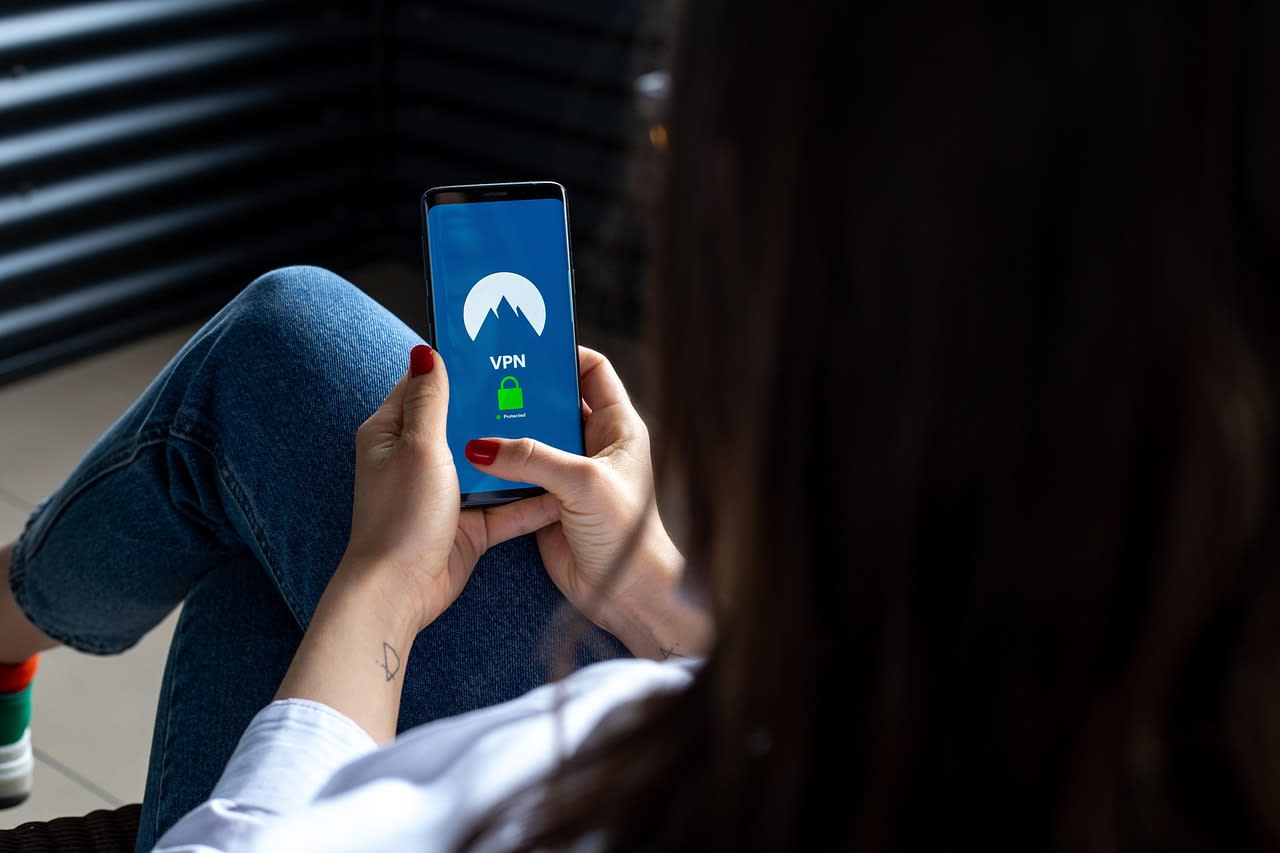
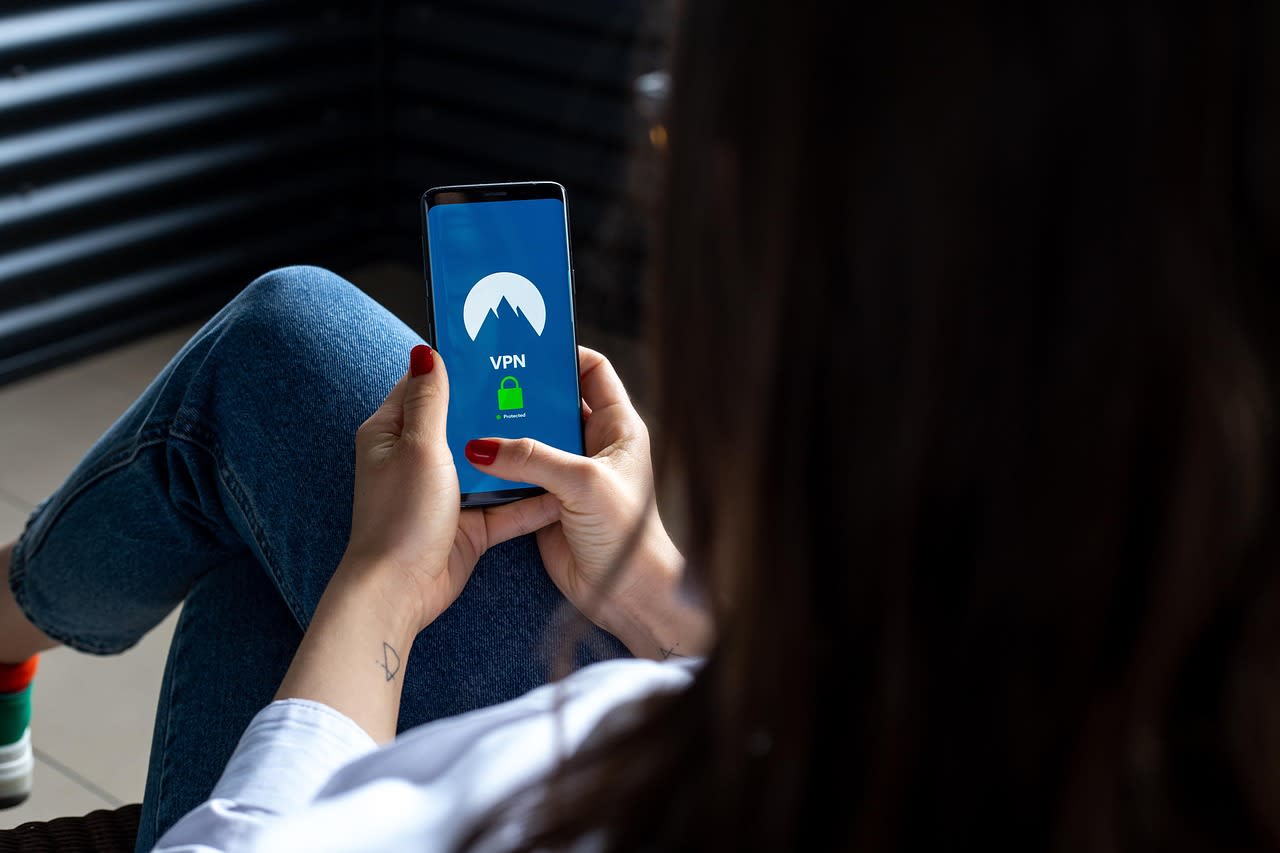
Now let's talk about the elephant in the room: VPNs. In a world where infrastructure attacks might disrupt normal internet routing or lead to increased surveillance, a reliable VPN isn't just for watching Netflix abroad anymore. It's a basic privacy tool. But here's what most people get wrong—not all VPNs are created equal. You want one with a proven no-logs policy, strong encryption (WireGuard protocol is currently the gold standard), and servers in stable jurisdictions.
I've tested dozens of these services over the years. For most people, ExpressVPN Subscription or NordVPN Subscription offer the best balance of speed, security, and ease of use. But if you're more technically inclined, Mullvad VPN takes privacy to another level—they don't even ask for your email address.
Beyond Passwords: Building Digital Resilience
Passwords and VPNs are just the foundation. Real digital resilience in 2026 requires thinking differently about how you interact with technology. Assume breaches will happen. Plan accordingly.
First, compartmentalize. Don't use your primary email for everything. Create separate accounts for shopping, social media, banking, and important communications. That way, when (not if) one service gets breached, the damage is contained. ProtonMail and Tutanota offer excellent encrypted email services that add an extra layer of protection for sensitive communications.
Second, backup like your digital life depends on it—because it does. Follow the 3-2-1 rule: three copies of your data, on two different media, with one copy offsite. Cloud storage is convenient, but don't rely solely on it. Keep physical backups too. And encrypt those backups. VeraCrypt is free, open source, and remarkably effective for creating encrypted volumes.
Third, monitor your digital footprint. Services like Have I Been Pwned let you check if your email appears in known data breaches. But go further—set up credit monitoring (many banks offer this free), and consider using identity monitoring services if you're particularly concerned. In an era of increased cyber chaos, identity theft becomes easier for criminals and more damaging for victims.
Common Mistakes (And How to Avoid Them)
I've consulted with everyone from Fortune 500 companies to grandparents worried about Facebook scams. And I see the same mistakes over and over.
The biggest? Complacency. "It won't happen to me" isn't just wrong in 2026—it's dangerously naive. Everyone is a target now, if not for nation-states then for criminal groups running automated attacks.
Second mistake: Over-reliance on single solutions. "I have a VPN, so I'm safe." No. Security is layered. A VPN protects your traffic in transit. It doesn't protect against phishing emails, malware on your device, or weak passwords.
Third: Ignoring updates. I get it—update notifications are annoying. But in 2026, those updates often contain critical security patches for vulnerabilities that are actively being exploited. Enable automatic updates wherever possible. For critical systems, check manually at least weekly.
Fourth: Trusting without verifying. That urgent email from your "bank" asking you to reset your password? That text message about a suspicious login? Don't click. Go directly to the website by typing the URL yourself. Call the official customer service number (from their website, not the email). A little skepticism goes a long way.
The Organizational Angle: What Businesses Should Do Now
If you're responsible for any organization—whether it's a small business, non-profit, or community group—your cybersecurity posture needs immediate attention. The reduced government oversight means you're more on your own than ever before.
Start with an honest assessment. When was your last security audit? Do you have an incident response plan? If you had to respond to a ransomware attack tomorrow, would everyone know their role? Most small businesses don't, and that's a recipe for disaster.
Consider outsourcing what you can't handle internally. Smaller organizations often can't afford full-time cybersecurity staff, but hiring a freelance security consultant for a few hours to review your setup can identify glaring vulnerabilities. Look for professionals with specific certifications (CISSP, CISM) and good reviews.
Employee training is non-negotiable. The majority of breaches start with phishing. Regular, engaging security awareness training reduces click rates dramatically. Make it ongoing, not just an annual checkbox exercise.
And backup, backup, backup. With ransomware attacks increasing, your last line of defense is often your ability to restore from clean backups. Test those backups regularly. I've seen too many organizations discover their backups were corrupted only when they needed them most.
Monitoring the Unseen: When You Can't Do It Yourself
For individuals and small teams, comprehensive threat monitoring is impossible. You can't spend all day watching for new vulnerabilities or emerging attack patterns. But you can leverage tools that do some of this work for you.
Threat intelligence feeds can provide early warnings about new campaigns targeting your industry or region. Many are available for free or at low cost. Follow reputable security researchers on social media (Twitter/X still has an excellent infosec community despite everything).
For website owners or those managing online services, regular vulnerability scanning is essential. Tools like Apify's web scraping capabilities can be adapted to monitor for specific changes or data leaks across the web, though they require technical knowledge to set up effectively. The key is automation—you want to be alerted about problems, not discover them by accident.
Consider joining or forming an Information Sharing and Analysis Center (ISAC) relevant to your sector. These groups share threat intelligence among members. In a landscape with reduced government coordination, these peer networks become increasingly valuable.
Looking Forward: Reasons for Cautious Optimism
After all this, you might be expecting me to say we're completely doomed. But I'm not. Here's why.
The cybersecurity community—the actual practitioners, not the bureaucrats—is incredibly resilient. They're adapting. Open-source security tools are better than ever. Knowledge sharing happens constantly on platforms like GitHub and dedicated forums. The tools to protect ourselves exist. They just need wider adoption.
Public awareness is finally reaching a tipping point. People are starting to understand that digital security isn't just for "tech people." It's for everyone who uses a computer, smartphone, or connected device. That growing awareness creates demand for better products, better education, and better policies.
And technology itself is evolving. Zero-trust architectures, AI-assisted threat detection, improved encryption standards—these aren't theoretical anymore. They're being implemented, often at the grassroots level by engineers who understand what's at stake.
The question isn't whether we have the capability to secure our digital lives. We do. The question is whether we'll prioritize it before something truly catastrophic happens. The window is closing, but it's not shut yet.
The Bottom Line: Your Action Plan for 2026
So, how screwed are we? The honest answer: We're at a dangerous inflection point, but the outcome isn't predetermined. Institutional failures don't have to mean personal catastrophe.
Your action plan starts today. Not tomorrow. Today.
1. Audit your personal digital security this week. Passwords, 2FA, backups, encryption.
2. Implement at least one new protective measure you've been putting off. A password manager. A reliable VPN. Encrypted backups.
3. If you're responsible for any organization, conduct a basic security review immediately. Identify your single biggest vulnerability and fix it.
4. Stay informed without getting paralyzed. Follow a few trusted security sources, but don't drown in doomscrolling.
5. Advocate where you can. Support organizations pushing for better cybersecurity policies. Vote for candidates who understand these issues aren't abstract—they're critical to national and personal security.
The digital infrastructure we all depend on is more fragile than it should be. The institutions meant to protect it are understaffed and underfunded. But we're not powerless. Individual actions aggregate. Good practices spread. And sometimes, the most effective response to systemic failure is personal responsibility.
Start with your own digital house. Get it in order. Then help someone else do the same. Because in 2026, our collective security might just depend on it.