



Introduction: When Your Calculator Becomes More Than Math
Remember that TI-84 Plus gathering dust in your desk drawer? The one you used to pass algebra and maybe play a few basic games on during study hall? What if I told you that same calculator could become a legitimate retro gaming console capable of running Game Boy, NES, and even SNES games? That's exactly what happened when I decided to hack my old high school calculator—and the Reddit community went wild with questions, concerns, and their own experiences.
This isn't just about playing games on a calculator. It's about understanding hardware limitations, exploring ethical boundaries, and rediscovering the joy of tinkering with technology that was never meant to do what you're making it do. In this guide, I'll walk you through exactly how I did it, answer the burning questions from the original discussion, and give you the tools to try it yourself—responsibly.
The Calculator Hacking Renaissance: Why Now?
You might be wondering why anyone would bother with calculator hacking in 2025. We've got powerful smartphones, dedicated retro consoles, and emulators that run on everything from smart fridges to actual refrigerators (okay, maybe not that last one). But that's exactly the point. Calculator hacking represents a unique challenge—taking severely limited hardware and pushing it beyond its intended purpose.
The original Reddit post sparked intense discussion because it tapped into something deeper than nostalgia. People were genuinely curious about the technical limitations. "How did you get ROMs on there?" "Doesn't the calculator have like, no memory?" "Won't this brick it?" These weren't just casual questions—they came from people who understood that calculators like the TI-84 Plus have only 480KB of RAM total, with most of that reserved for the operating system.
What makes this particularly interesting in 2025 is the convergence of factors: older calculators are becoming obsolete in schools (replaced by apps and newer models), creating a surplus of "hackable" devices. Meanwhile, the retro gaming community continues to grow, and people are looking for novel ways to experience classic games. It's the perfect storm for calculator hacking to have its moment.
Understanding the Hardware: What You're Actually Working With
Before we get into the how-to, let's talk about what you're dealing with. Most graphing calculators from the early 2000s—especially the TI-84 Plus series that dominated high schools—run on a Zilog Z80 processor clocked at a blistering 15 MHz. That's slower than your smartwatch. They have 480KB of RAM total, but only about 24KB is typically available for user programs. The display is 96x64 pixels monochrome. These aren't exactly gaming powerhouses.
But here's the fascinating part: that Z80 processor is the same architecture used in the original Game Boy. That's not a coincidence—it's the key to making this whole thing work. The original Game Boy ran at about 4.19 MHz, so your calculator's processor is actually faster. The memory constraints are the real challenge, which is why you can't just load full ROMs directly.
Several commenters in the original thread asked about specific models. The TI-84 Plus CE (Color Edition) has more memory and a color screen, making it better for this project. The TI-83 Plus can work too, but with more limitations. Casio calculators are a different beast entirely—different architecture, different challenges. For this guide, I'm focusing on the TI-84 series because that's what most people have and what the community has developed the most tools for.
The Software Side: Emulators and ROM Loading

This is where things get technical—and where most of the Reddit questions were focused. You don't just "install" games on a calculator. You need an emulator specifically compiled for the calculator's architecture. The most popular one is "TI-Boy SE," a Game Boy emulator that's been in development for years. There's also "MirageOS" for running assembly programs and various NES emulators in varying states of completion.
But here's the critical question everyone asked: How do you get ROMs onto the calculator? You need a USB cable (the same one used for charging newer models) and software like TI Connect CE. The process involves sending the emulator program file (.8xp format) to the calculator, then sending the ROM files. The emulator typically compresses ROMs or uses clever memory management to work within the calculator's limitations.
One Reddit user asked about legality, and this is important: downloading ROMs for games you don't own is illegal. Full stop. However, if you own the physical cartridge, creating a backup ROM for personal use falls into a legal gray area that varies by jurisdiction. Many in the community recommend homebrew games—games specifically created for these platforms that are freely distributed. There's actually a thriving homebrew scene for calculator gaming.
Hardware Modifications: Beyond the Basics
Several commenters wondered about physical modifications. "Can you add more RAM?" "What about a better screen?" The answer is yes—with caveats. Hardware modding a calculator is significantly more advanced than the software side and carries real risk of permanently damaging your device.
The most common hardware mod is adding external storage via the calculator's link port. Some enthusiasts have created cartridges that plug into this port, providing additional memory for larger games or more ROMs. Others have attempted screen replacements, though the proprietary connectors make this extremely difficult.
One particularly ambitious project mentioned in the Reddit thread involved connecting a Raspberry Pi Pico to the calculator's bus to accelerate certain operations. This is deep enthusiast territory and requires serious electronics knowledge. For most people, I'd recommend sticking to software modifications unless you're comfortable with surface-mount soldering and reverse-engineering proprietary hardware.
If you do decide to venture into hardware mods, you'll need proper tools. A good soldering iron is essential—I prefer temperature-controlled models like the Weller WE1010 Digital Soldering Station for precision work. You'll also need fine-gauge solder, flux, and a magnifying glass or microscope for those tiny components.
Step-by-Step: How to Actually Do This (Safely)
Let's get practical. Here's how to turn your calculator into a gaming console without bricking it:
First, back up everything. Use TI Connect CE to save all your programs and data to your computer. If something goes wrong, you can at least restore your math programs.
Next, you'll need to install a shell program. Most calculators come with a basic OS that restricts what programs can run. You'll want something like "MirageOS" or "Door CSE" that allows you to run assembly programs. These are typically sent to the calculator as .8xp files using TI Connect CE.
Then, install your emulator of choice. TI-Boy SE for Game Boy games is the most stable. Download the .8xp file, send it to your calculator, and run it from your shell program. The first run will usually set up directories and ask for ROM files.
For ROMs, you'll need to convert them to the calculator's format. Most emulators come with PC utilities that compress and convert standard .gb or .gbc files into a format the calculator can handle. This is where the memory limitations really come into play—you might need to shrink or modify ROMs to fit.
One pro tip from the Reddit discussion: organize your games carefully. With limited memory, you can't keep everything loaded at once. Many users create "game launchers" that let them select which ROM to load from external storage (if they've added it) or from the computer connection.
Common Pitfalls and How to Avoid Them
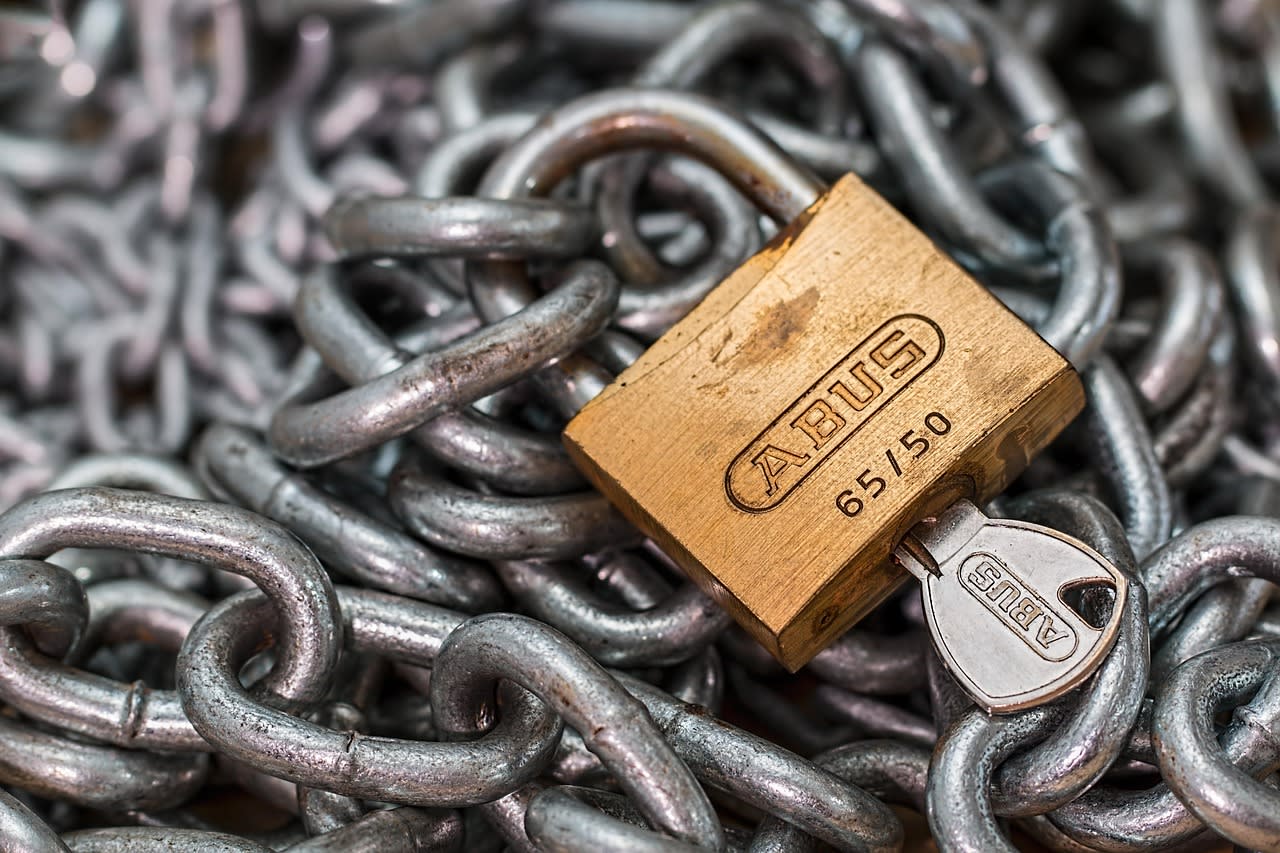
Several Reddit commenters shared horror stories of bricked calculators. Here's what typically goes wrong and how to prevent it:
The number one mistake? Removing batteries during an OS update or program transfer. The calculator's memory is volatile during these operations, and cutting power can corrupt the operating system. Always ensure fresh batteries or a full charge before starting any modifications.
Another common issue: using the wrong file formats or corrupted downloads. Calculator programs are sensitive to exact formatting. Always download from reputable sources like ticalc.org or Cemetech, and verify file sizes match what's listed.
Memory management causes endless frustration. People try to load ROMs that are too large or too many at once. A good rule of thumb: if a Game Boy ROM is larger than 256KB uncompressed, it probably won't work on a standard TI-84 Plus without compression or modification. The emulator's documentation will specify exact limits.
Compatibility varies wildly. Not all Game Boy games work perfectly, even if they fit in memory. Games that used special chips in the cartridge (like the Super Game Boy enhancements or certain memory mappers) might not function correctly. The community maintains compatibility lists—check these before getting excited about specific games.
The Ethics of Calculator Hacking: What's Okay and What's Not
This sparked perhaps the most interesting discussion in the original thread. Is it ethical to hack a calculator? What about using it on standardized tests? Where's the line?
First, the legal aspect: modifying hardware you own is generally legal under right-to-repair principles in many jurisdictions. However, circumventing copy protection on games is not. This creates an ethical dilemma if you're using ROMs.
For standardized tests like the SAT or ACT: most testing centers now require calculators to be reset before exams, and proctors check for unauthorized programs. Even if you could hide games, you shouldn't. It violates testing agreements and could result in scores being canceled. Several Reddit users shared stories of classmates getting caught—it's not worth it.
Then there's the educational aspect. Some argued that hacking a calculator to play games defeats its purpose. Others countered that learning how to modify the hardware and software is educational in itself. I fall in the latter camp—understanding how these systems work at a low level teaches valuable skills about hardware constraints, memory management, and system architecture.
The community generally follows an unwritten code: don't use hacked calculators for cheating, respect intellectual property when possible, and share knowledge to help others learn. It's a good framework to operate within.
Beyond Gaming: What Else Can a Hacked Calculator Do?
Several Reddit users asked about other applications, and this is where things get really interesting. A hacked calculator isn't just for games—it's a portable Z80 computer with I/O capabilities.
Some enthusiasts have created graphing calculator versions of classic productivity tools: text editors, spreadsheets, even simple programming IDEs. Others have connected sensors via the link port to create data collection devices for science experiments. There's a whole subculture of calculator-based music production using the device's speaker and some clever programming.
One of the coolest projects mentioned was using a calculator as a serial terminal for other devices. With the right cable and software, you can connect to routers, microcontrollers, or other systems that use serial communication. It's like having a pocket-sized troubleshooting tool.
If you're not comfortable diving into assembly programming yourself, you can find pre-made applications for all of these uses. Or, if you need something custom, you could hire a developer on Fiverr who specializes in calculator programming—yes, that's actually a niche skill some freelancers offer.
Future of Calculator Hacking: What's Next in 2025?
Where does calculator hacking go from here? The original Reddit discussion revealed several emerging trends.
First, newer calculator models with ARM processors (like the TI-Nspire CX II) are becoming more hackable as the community develops tools for them. These have color screens, more memory, and faster processors—potentially capable of more advanced emulation.
Second, there's growing interest in wireless connectivity. Some hackers are adding Bluetooth or WiFi modules to older calculators, enabling wireless file transfers or even multiplayer gaming. This requires significant hardware modification but opens up new possibilities.
Third, the educational potential is being recognized more widely. Teachers are beginning to use calculator hacking as a way to introduce students to low-level programming and computer architecture. It's a tangible, affordable platform that students already have.
Finally, preservation efforts are growing. As calculators become obsolete, communities are working to archive software, document hardware specifications, and ensure these platforms remain accessible to future generations of hackers. It's not just about playing games—it's about preserving a unique slice of computing history.
Getting Started: Your First Calculator Hack
Ready to try this yourself? Here's a practical starting point:
First, get your tools in order. You'll need a TI-84 Plus (or similar) calculator, a USB cable, and a computer with TI Connect CE installed. For organizing and converting ROMs, a tool like Apify could help automate some of the data organization if you're managing large collections, though most people just use the utilities provided with the emulators.
Start with something simple. Don't try to load Super Mario Land right away. Many emulators come with demo games or simple homebrew titles designed to test functionality. Get these working first.
Join the communities. Sites like Cemetech, TI-Planet, and the Calculator subreddit are filled with experienced hackers who can help when you get stuck. They've solved most problems already and are generally welcoming to newcomers.
Document your progress. Take notes on what works and what doesn't. Not only will this help you troubleshoot, but you might contribute valuable information back to the community.
Most importantly, be patient. Calculator hacking involves working with severe constraints, and things that seem simple on a modern computer become complex puzzles on these limited devices. That's actually part of the appeal—solving those puzzles is incredibly satisfying.
Conclusion: More Than Just Games
Hacking my old calculator turned out to be about much more than playing retro games on an unusual device. It was a journey into hardware limitations, creative problem-solving, and community collaboration. The Reddit discussion revealed that I wasn't alone—hundreds of people were either doing similar projects or desperately wanted to know how.
In 2025, as technology becomes increasingly polished and opaque, there's something deeply satisfying about working with a device where you can understand every component and constraint. Your calculator isn't just a black box that does math—it's a programmable computer waiting to be explored.
Whether you're interested in retro gaming, learning about computer architecture, or just want to give new life to an old device, calculator hacking offers a unique and rewarding challenge. Start with the basics, respect the ethical boundaries, and join a community that's been pushing these little devices to their limits for decades. Who knows—you might discover that your high school calculator still has some surprises left.
