
Let's be honest—when those FBI documents dropped earlier this year, most of us scrolled past the political headlines. But buried in those 2,000 pages was something that should make every tech user sit up straight. An informant told the FBI that Jeffrey Epstein had what they called a "personal hacker." Not just any script kiddie, either. Someone allegedly capable of finding zero-day exploits in iOS and BlackBerry devices. Someone whose company was acquired by CrowdStrike in 2017. Someone who then became a VP there.
That's not tabloid gossip. That's a blueprint for how powerful people might surveil others. And while the name remains redacted, the implications aren't. If true, this reveals a shadowy intersection of wealth, access to cutting-edge exploits, and the ability to compromise devices most of us trust daily.
This article isn't about rehashing conspiracy theories. It's about understanding the real-world mechanics such a scenario would involve and, more importantly, what it means for your digital life in 2026. We'll break down what "zero-day" really means, how such exploits are traded, and most critically, the practical steps you can take right now to harden your devices against these exact kinds of threats. Because if a hacker with those resources was targeting someone, what's stopping a less resourced one from targeting you?
The Allegations: A Hacker in the Inner Circle
According to the informant's statement in the released file, this wasn't a casual IT consultant. The description points to a professional operating at the highest tiers of the cybersecurity world. The claim that he sold his company to CrowdStrike—a firm synonymous with high-profile incident response, like the DNC hack investigation—places him firmly in the legitimate security industry. Post-acquisition, he reportedly took on a Vice President role. This detail is crucial. It suggests someone with both the technical skill to find vulnerabilities and the business acumen to lead.
The informant specified iOS and BlackBerry as targets. Why those? In their heyday, BlackBerrys were the gold standard for "secure" corporate and government communication, prized for their encryption. iOS has long been marketed on its security and privacy focus. Finding zero-days in these systems isn't like exploiting a buggy WordPress plugin. It requires deep, specialized knowledge of closed-source operating systems and often involves chaining multiple complex vulnerabilities together. This wasn't amateur hour.
The Italian citizenship and Calabrian birthplace, while seemingly biographical, add another layer. The global cybersecurity talent pool is just that—global. Technical skill knows no borders, and the market for that skill, especially in the grey and black areas, is international. This paints a picture of a highly mobile, technically elite individual whose services were allegedly available for hire.
Zero-Days 101: The Ultimate Digital Lockpick
So, what's a zero-day, really? Let's ditch the jargon. Imagine your front door has a lock. The manufacturer (Apple, in this case) believes it's unpickable. A zero-day is a secret flaw in that lock's design that nobody else knows about—not the manufacturer, not the public, not security researchers. The "zero" refers to the number of days the vendor has had to fix it since discovery: zero.
The hacker who finds it holds a unique key. They can open that door silently, without leaving a trace, and the homeowner won't even know the lock was flawed. In digital terms, a zero-day exploit in iOS could allow someone to install spyware, access messages, photos, location data, and microphone/camera feeds—all without the user clicking a link or entering a password. It's remote, silent, and devastatingly effective.
These exploits are incredibly valuable. On the legitimate market, companies like Zerodium pay millions for a single, reliable iOS zero-day chain. Governments buy them for intelligence gathering. The alleged scenario suggests a private individual with immense resources could also access this market, either by funding the research directly or purchasing the exploit from a broker. It turns digital security from a technical challenge into an economic one: can you outspend your adversary?
The CrowdStrike Connection: Between Two Worlds
The 2017 acquisition is the most verifiable and intriguing part of the claim. CrowdStrike is a major player. Their Falcon platform is everywhere. For someone alleged to have engaged in potentially illicit hacking to then become a VP at such a firm creates a cognitive dissonance—but it's one that reflects the blurred lines in the security industry.
Many of the best defensive security experts have deep knowledge of offensive techniques. Some have pasts in grey areas. The industry often values this "know thy enemy" mindset. The acquisition itself could have been a "talent acquisition," a common practice where a big company buys a smaller one primarily to get the brains behind it. The informant's claim implies this individual's skill was so valuable that CrowdStrike wanted it institutionalized, even if its prior applications were murky.
This doesn't imply CrowdStrike had any knowledge of alleged activities. It does highlight how technical expertise is neutral—a tool. The same knowledge that lets a CrowdStrike engineer build a better sensor to detect intrusions could, in theory, be used to perform one that avoids detection. The individual, not the knowledge itself, chooses the application.
Why iOS and BlackBerry? The Targets of Choice
The informant didn't say "Windows" or "Android." They named platforms associated with high-value targets. BlackBerry, especially pre-2016, was the device of diplomats, CEOs, and government officials. Its reputation for security made it a high-value target. Compromising a BlackBerry meant potentially accessing the most sensitive communications.
iOS occupies a similar space today. It's the device of choice for many professionals, executives, and individuals who prioritize perceived security. The App Store's walled garden, Apple's privacy marketing, and the device's cost create an aura of safety. A successful zero-day here bypasses all those protections at once. It's the ultimate equalizer against a security-conscious target.
From a threat actor's perspective, investing in iOS exploits makes sense if your targets are likely to use iPhones. The allegations, if true, suggest a calculated approach: identify the platforms your high-profile targets trust most, then acquire the capability to shatter that trust completely. It's targeted, expensive, and frighteningly effective.
Your Privacy in the Crosshairs: Practical Protection for 2026
This all sounds dystopian, but you're not powerless. The same principles that defend against a nation-state exploit (in theory) defend against more common threats. You need to adopt a mindset of "assume breach" and layer your defenses. Here’s where to start.
First, update everything. Always. Zero-days are rare and precious. Most attacks use known, patched vulnerabilities. By enabling auto-update on your iPhone (Settings > General > Software Update), you ensure you get Apple's fixes the moment they're released, closing the window for many exploits. This is the single most effective thing you can do.
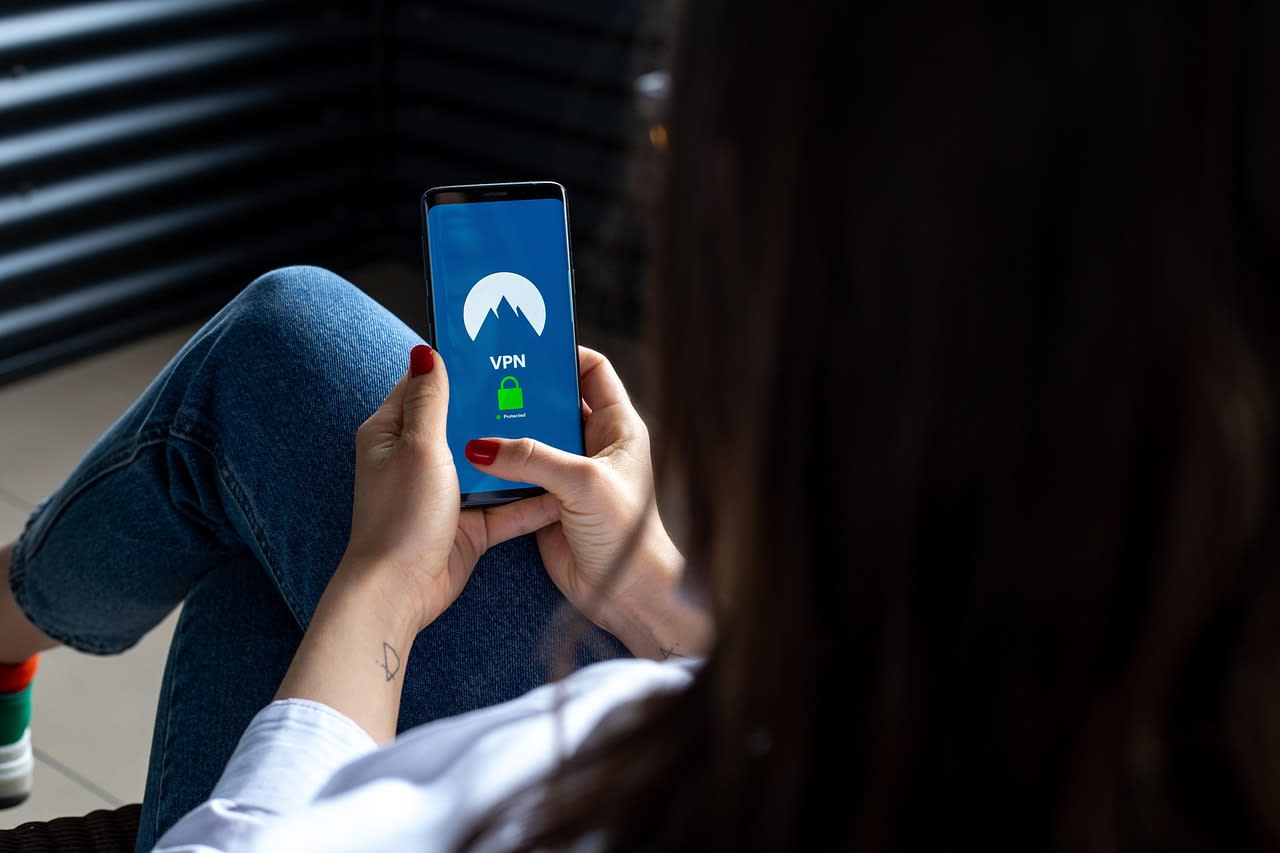
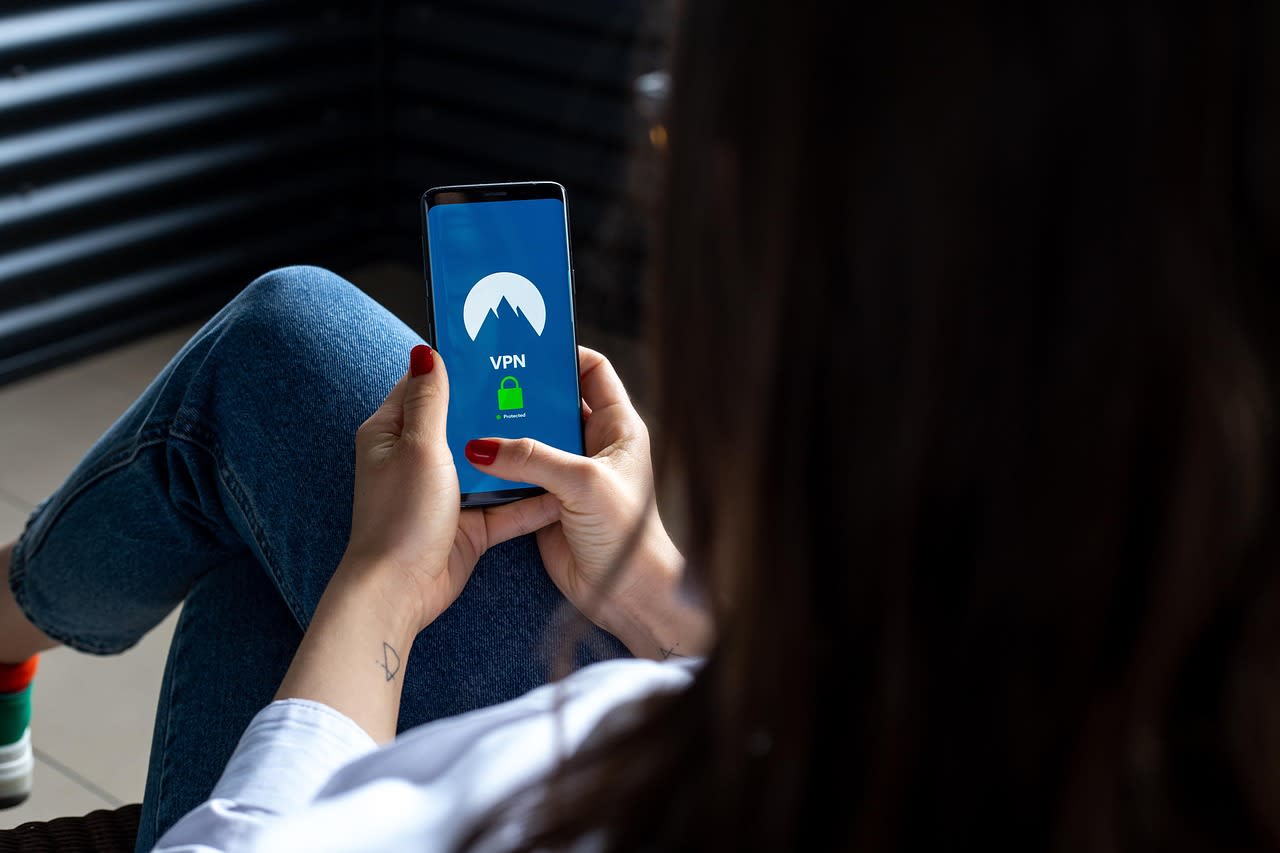
Second, rethink your network. Never use public Wi-Fi for anything sensitive without a VPN. A zero-day might bypass software, but it often needs a network path. A reputable VPN encrypts all traffic from your device to the VPN server, making it useless to anyone snooping on the coffee shop network. It's not a magic shield, but it raises the cost of attack significantly. I've tested dozens over the years, and while the "best" changes, look for ones with a proven no-logs policy, strong modern protocols (like WireGuard), and transparent ownership.
Locking Down Your iPhone: Beyond the Basics
Go into Settings > Face ID & Passcode. Enable Erase Data—this wipes the phone after 10 failed passcode attempts. Use a long alphanumeric passcode, not a simple 6-digit number. This protects the device at rest. For iMessage, enable Contact Key Verification (Settings > [Your Name] > Contact Key Verification). This helps guard against sophisticated man-in-the-middle attacks on your messages.
Be brutally minimalist with apps. Each one is a potential attack surface. Do you really need 150 apps? Review permissions regularly in Settings > Privacy & Security. Does a weather app need access to your contacts? Almost certainly not. Disable it. This limits what data is available if an app is compromised.
The Human Firewall: Your Behavior is Key
Technology can only do so much. The most common infection vector isn't a magical zero-day—it's phishing. A text that looks like it's from your bank. A tailored email that seems to be from a colleague. The goal is to get you to click, to lower your guard for one second.
Adopt a policy of zero-trust for digital communications. Verify out-of-band. If you get a strange text from a friend asking to click a link, call them on the phone. Don't use the number in the text. If an email from "IT" asks for your password, walk to their desk (or message them on a separate, known-good platform like Slack).
Enable two-factor authentication (2FA) on every account that offers it, but avoid SMS-based 2FA if you can. Use an authenticator app like Authy or a hardware security key. This way, even if a password is compromised via malware, the account remains locked. It adds that critical second layer.
When to Go Nuclear: Advanced Measures
If you have genuine reason to believe you are a specific target of a sophisticated adversary, standard advice isn't enough. You need to think like a sysadmin for your own life.
Consider a dedicated, separate device for high-sensitivity communications. A clean iPhone used only for Signal calls with specific contacts and nothing else. No social media, no random apps, no web browsing. This drastically reduces its attack surface.
For the ultra-paranoid (or those with real threats), regular device replacement can be a strategy. The cost of developing an iOS zero-day is so high that it's often used sparingly. Wiping and switching to a new device, or even a different platform temporarily, can invalidate a persistent implant.
Finally, monitor for anomalies. Unexplained battery drain, device heating up when idle, strange network activity—these can be signs of compromise. Tools like a freelance security consultant on Fiverr can be hired for a one-time device audit if you're out of your depth. Sometimes, a fresh pair of expert eyes is worth the investment.
FAQs: Your Burning Questions Answered
Q: Should I switch from iPhone to Android?
A: Not necessarily. Both platforms have vulnerabilities. iOS's closed nature can make exploits harder to find but more valuable. Android's openness leads to more discovered bugs but faster patching from Google. The key is your behavior and keeping your chosen device updated.
Q: Can a VPN protect against a zero-day?
A: Not directly. If the exploit is on your device, a VPN can't stop it. However, it can prevent the initial delivery mechanism (like intercepting traffic on a network) and can hide the data exfiltration, making the attacker's job harder. It's a critical layer, not a silver bullet.
Q: How would I even know if I was hacked this way?
A: You probably wouldn't. That's the point of a good zero-day. The best defense is prevention. Assume your device could be compromised and don't put anything on it (or say near it) that would be catastrophic if leaked.
Q: Are password managers safe?
A: Yes, and they're essential. A good password manager (like 1Password Subscription or Bitwarden) creates unique, strong passwords for every site. This contains the damage if one site is breached. The risk of the manager itself being hacked is far lower than the risk of password reuse.
Moving Forward with Clear Eyes
The Epstein hacker allegations, whether fully proven or not, serve as a stark parable for the digital age. They illustrate that privacy is no longer just about hiding from advertisers. It can be a matter of personal safety. The tools of extreme surveillance, once the sole domain of intelligence agencies, have proliferated.
But here's the hopeful part: the fundamentals of good security haven't changed. Update your devices. Use strong, unique passwords and 2FA. Be skeptical of unsolicited communications. Use a VPN on untrusted networks. These aren't glamorous steps, but they work. They raise the cost of targeting you to a point where all but the most dedicated adversaries will move on.
Your digital life is worth protecting. Don't let the frightening headlines paralyze you. Let them educate you. Start with one thing today—enable auto-updates, or finally set up that password manager. In 2026, digital self-defense isn't optional; it's a core life skill. Take control, layer your defenses, and breathe a little easier.