

The $600,000 Security Testing Debacle: What Really Happened
Picture this: you're hired to test physical security at a county courthouse. You've got your authorization letter, you're following standard procedures, and suddenly you're in handcuffs. That's exactly what happened to two security professionals in early 2026—and the county just paid $600,000 to make the lawsuit go away.
This wasn't some shadowy black-hat operation. These were legitimate security testers with what they believed was proper authorization. The breakdown happened somewhere between the security department that hired them and the law enforcement officers who arrested them. And honestly? This happens more often than you'd think.
I've been in this industry for over a decade, and I've seen similar situations play out—though rarely with such expensive consequences. The core issue here isn't about technical skills or security findings. It's about communication, documentation, and the massive gap between how security professionals think and how law enforcement operates.
Authorization Letters: The Paper That's Supposed to Keep You Out of Jail
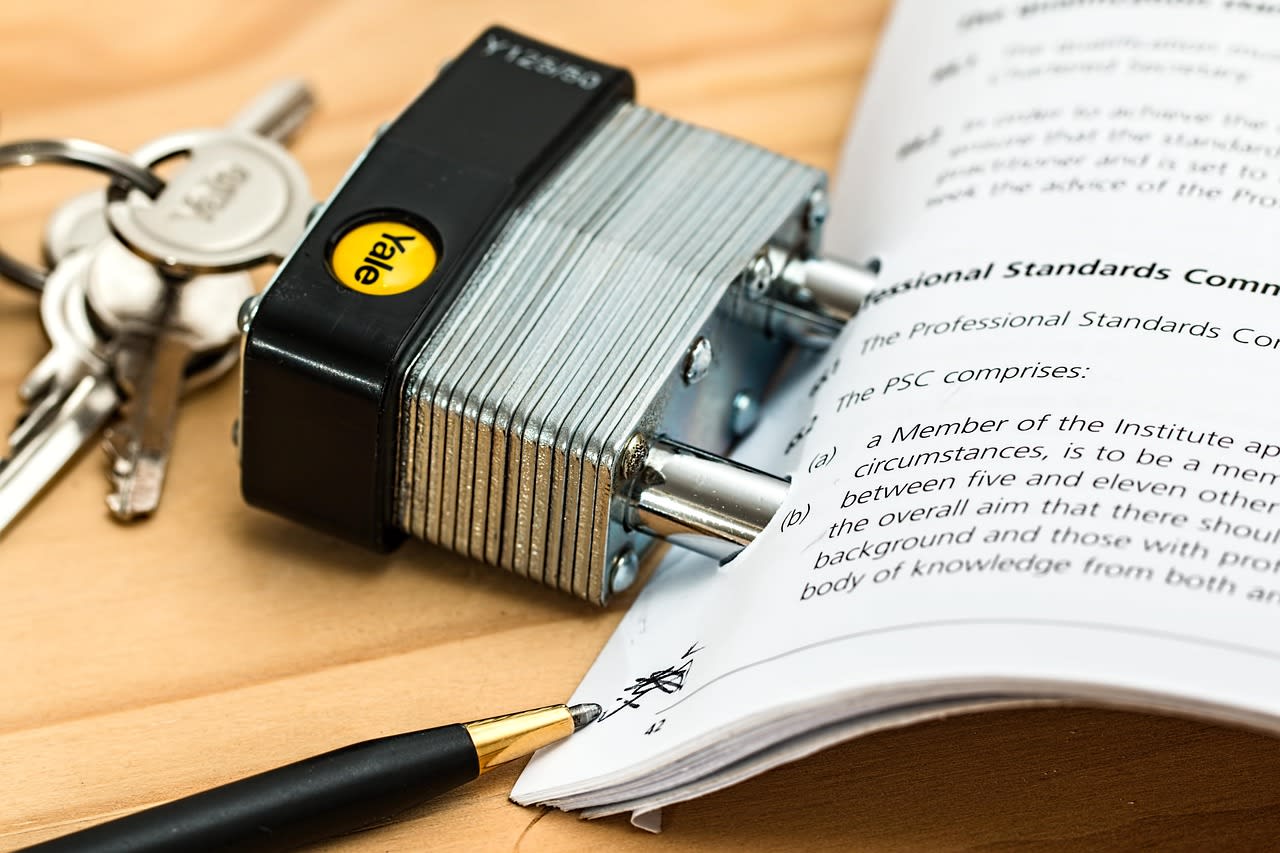
Let's talk about authorization letters—the supposed "get out of jail free" card for security testers. In this case, the testers had one. But here's the brutal truth: that piece of paper is only as good as the people who know about it.
From what I've seen in dozens of engagements, authorization letters often get stuck in legal departments or sit with a single point of contact. When security personnel or law enforcement encounter someone testing systems without immediate context, they default to suspicion. Can you blame them? Their job is to protect assets, and someone poking at locks or network ports looks suspicious as hell.
The real problem? Most authorization letters are written by lawyers for lawyers. They're full of legalese but light on practical details that would help a security guard or police officer understand what's happening. I've reviewed engagement letters that were 15 pages long but didn't include a simple, clear statement like: "If you encounter John Smith testing door locks between 8 PM and midnight on January 15, 2026, he is authorized to be here. Call security manager Jane Doe at 555-0123 for verification."
The Communication Breakdown That Costs Thousands
What fascinates me about this case is the communication chain—or lack thereof. Someone in county administration approved the test. Someone in security coordinated it. But apparently, nobody told the people who would actually encounter the testers during their work.
This isn't just about sending an email. It's about creating multiple verification paths. I always recommend my clients establish at least three contact methods: a primary security contact, a backup contact, and a 24/7 operations center number. Testers should carry physical copies of authorization (yes, actual paper—phones get confiscated) with these contacts clearly listed.
And here's a pro tip from hard experience: include photos of the testers in the authorization documentation. When a security guard can match a face to a name on paper, you eliminate 90% of the confusion immediately.
Physical vs. Digital Testing: Why Cops React Differently
There's a crucial distinction here that many in our industry overlook: law enforcement treats physical security testing completely differently from digital testing. When you're sitting at a keyboard miles away, the threat feels abstract. When you're physically present, touching doors and locks, you become an immediate physical threat.
I've conducted both types of testing for years, and the difference in response is dramatic. Digital testing might get your IP blocked. Physical testing gets you detained. It's that simple.
The courthouse testers were doing physical security assessment—checking doors, locks, access controls. To a police officer or security guard, this looks identical to someone casing the building for a break-in. Without clear, immediate verification methods, arrest becomes the default response. And honestly? From a law enforcement perspective, it's the right call. Their job is to err on the side of caution when physical security is involved.
The Legal Framework: What Actually Protects Security Testers?
Here's where things get legally messy. Most people assume that having an authorization letter means you're legally protected. Not exactly. What you actually have is a contractual agreement between you and the hiring organization. That agreement doesn't automatically bind third parties like law enforcement.
When police arrive, they're operating under criminal law, not your contract. They need to determine whether there's probable cause for arrest. Your authorization letter might eventually get charges dropped, but it won't necessarily prevent the arrest itself. That's the painful lesson from this $600,000 settlement.
From a legal perspective, the strongest protection comes from what's called "advance coordination" with law enforcement. Some organizations actually notify local police about planned security tests. This sounds counterintuitive—doesn't it ruin the element of surprise?—but it prevents exactly the situation we're discussing.
I've worked with clients who take this approach, particularly for physical testing of critical infrastructure. They provide law enforcement with tester descriptions, vehicle information, and specific testing windows. The testing still occurs, but with a safety net that prevents wrongful arrest.
Practical Steps: How to Protect Yourself During Security Testing
So what should you actually do if you're conducting security testing? Based on this case and my own experiences, here's a practical checklist:
First, demand detailed engagement documentation. Don't settle for a vague statement of work. You need specific language about testing methods, timeframes, and—critically—what happens if you're detained. I've seen contracts that include provisions for legal defense costs, but they're surprisingly rare.
Second, establish multiple verification channels. Your primary contact should be available by phone during testing hours. But what if their phone dies? Or they're in a meeting? You need at least one backup, preferably someone in security operations who's always monitoring.
Third, consider using a third-party verification service. Some security firms now offer 24/7 verification hotlines specifically for this purpose. When security personnel call, they reach an independent party who can confirm your authorization status. It adds a layer of professionalism and removes the "he said, she said" dynamic.
Fourth, document everything in real-time. Use body cameras or smartphone recording (where legal) to capture interactions. This isn't about being confrontational—it's about creating an objective record. In the courthouse case, having video of the testers explaining their authorization before arrest might have changed everything.
Common Mistakes That Lead to Legal Trouble

Let's talk about what usually goes wrong. After reviewing dozens of these situations, I've noticed consistent patterns.
The biggest mistake? Assuming everyone got the memo. Organizations are terrible at internal communication. The security director knows about the test. The facilities manager might know. But the night shift security guard? The patrol officer who responds to alarms? They're often completely in the dark.
Another common error: vague testing parameters. "Test physical security during business hours" could mean 9 AM or 5 PM. It could mean checking doors or attempting to bypass security entirely. Without clear boundaries, testers might inadvertently cross into areas or use methods that weren't actually authorized.
And here's one I see constantly: failure to establish a "safe word" or immediate verification method. When security personnel challenge you, you need to be able to prove your authorization within seconds. Not minutes. Seconds. A phone call that goes to voicemail isn't good enough.
FAQs from Security Professionals
"What should I do if I'm detained during authorized testing?"
Remain calm and cooperative. Provide your documentation. Request to speak to your designated contact. Do not resist or argue—that comes later with lawyers. Your immediate goal is to de-escalate and get verification.
"Should I carry a letter from my lawyer?"
It doesn't hurt, but understand its limitations. A lawyer's letter explains your legal position; it doesn't prevent arrest. Still, having legal counsel's contact information readily available is smart practice.
"What insurance should security testers carry?"
Professional liability insurance is essential. But specifically ask about coverage for wrongful arrest or detention. Many policies don't automatically include this—you need to add it as a rider. The cost is minimal compared to potential legal fees.
The Organizational Perspective: How Clients Should Prepare
If you're hiring security testers, you have responsibilities too. This isn't just about protecting the testers—it's about protecting your organization from lawsuits and bad publicity.
Start with internal notification. Create a distribution list that includes security personnel, facilities management, and relevant department heads. Send clear notifications well in advance of testing. And send reminders—people forget.
Consider creating physical badges or identifiers for testers. Something visible that says "Authorized Security Testing" with a verification phone number. It sounds simple, but it works. I've used these on government facility tests, and they dramatically reduce confusion.
Most importantly: have a response plan. What happens if your testers are detained? Who gets called? What's the escalation process? Document this and share it with both your team and the testing firm. Practice it like you'd practice any other security response.
Tools and Resources for Safer Security Testing
While there's no magic product that prevents these situations, certain tools can help. Encrypted communication devices ensure you can reach your contacts even if your personal phone is confiscated. Body cameras provide objective recording of interactions—just check local laws about recording audio.
For documentation and coordination, specialized platforms exist that manage the entire testing lifecycle. These systems maintain authorization records, testing parameters, and verification contacts in a centralized location accessible to all stakeholders. They're not cheap, but neither is a $600,000 settlement.
If you're managing multiple testing engagements or need to coordinate complex physical and digital assessments, consider automated documentation and notification systems. While primarily known for web scraping, their workflow automation capabilities can be adapted to manage testing schedules, authorization distribution, and verification processes across large organizations.
For smaller firms or individual testers, professional liability insurance for security consultants is your first line of defense. Look for policies specifically covering security testing activities.
Looking Forward: The Future of Security Testing Authorization
This $600,000 settlement is going to change things. I guarantee it. We're already seeing more scrutiny of testing agreements, more detailed requirements for verification procedures, and higher insurance requirements for security firms.
Some jurisdictions are considering standardized authorization frameworks for security testing—similar to how some areas have standardized forms for security alarm permits. This would help, but it's years away at best.
In the meantime, the burden falls on both testers and clients to do better. Better communication. Better documentation. Better preparation. The alternative isn't just legal liability—it's damaged professional relationships and reputational harm that can linger for years.
If you take one thing from this case, let it be this: authorization isn't a checkbox. It's an ongoing process of communication and verification. Treat it that way, and you might avoid becoming the next cautionary tale. Or the next $600,000 settlement.
