
Introduction
The landscape of business intelligence (BI) has evolved dramatically over the years. We've long aimed to build the perfect dashboard, but as 2026 unfolds, many are questioning if this era has come to an end. In this article, we'll explore whether dashboards are becoming obsolete, the rise of AI-driven analytics, and the new challenges like verification debt.
Background: The Rise and Fall of Dashboards
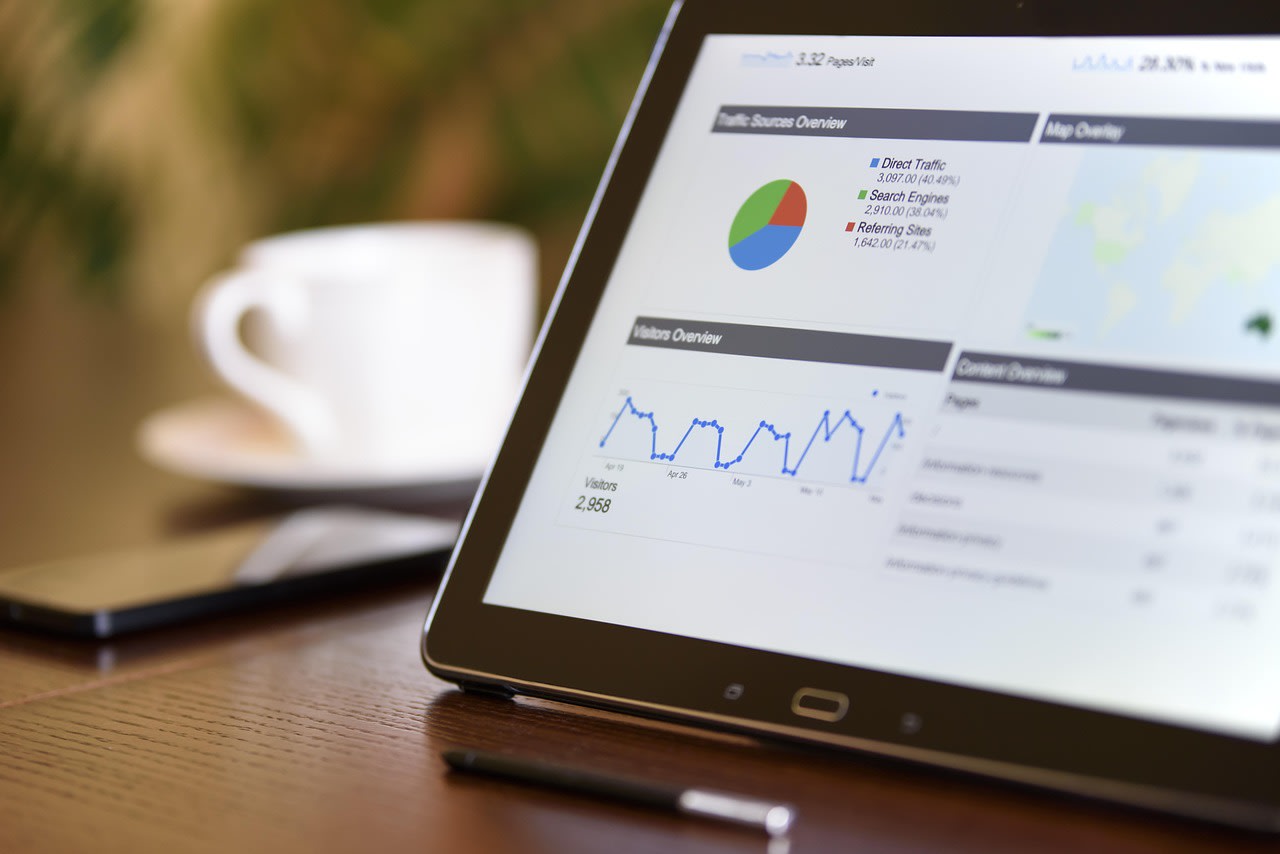
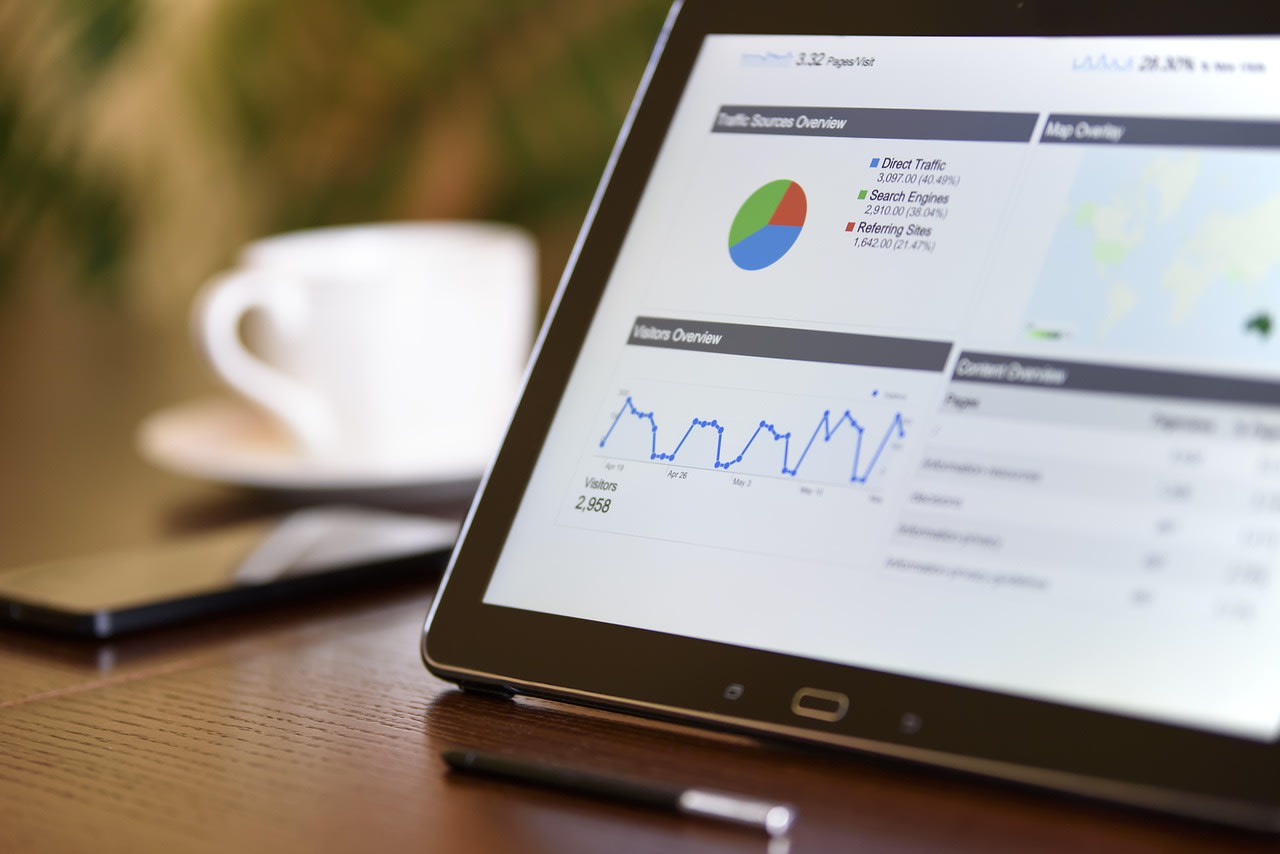
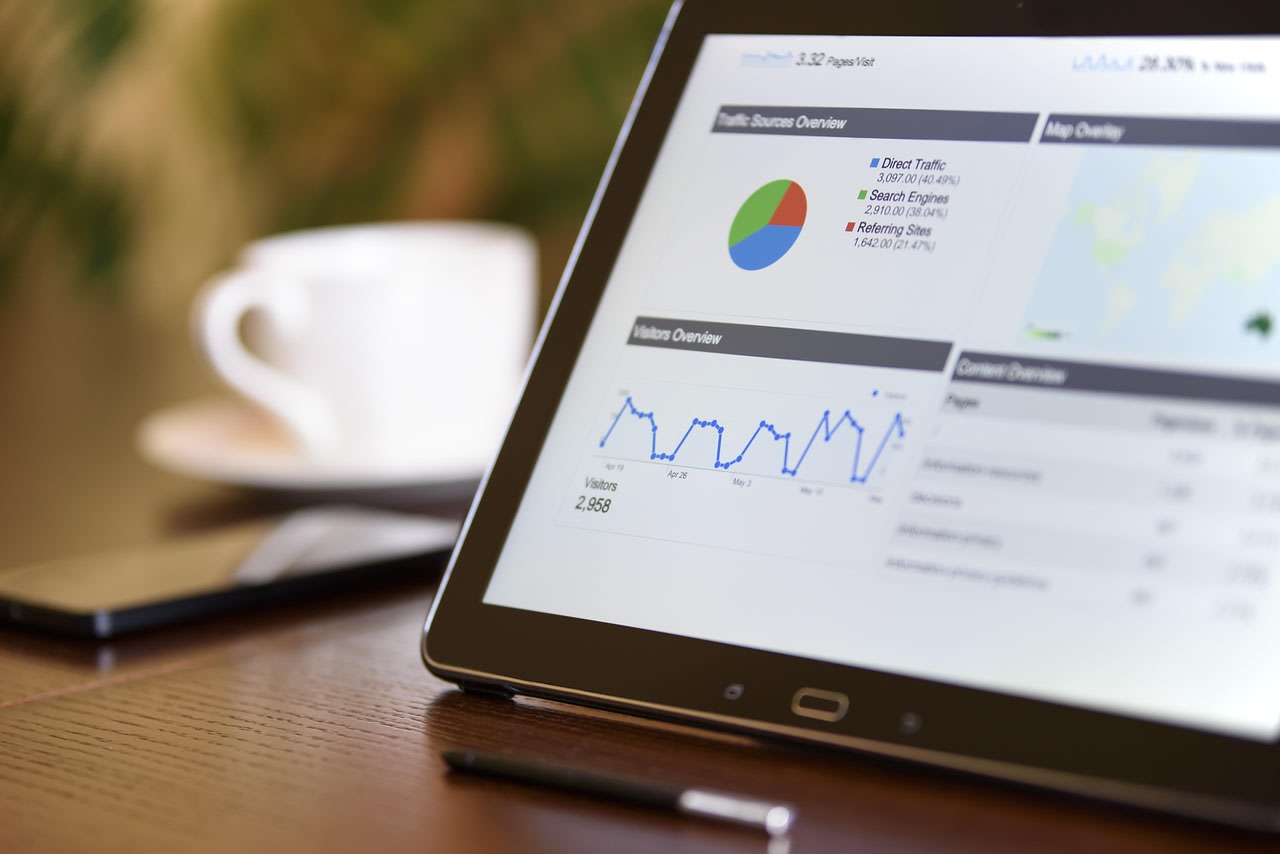
Dashboards have been at the forefront of business intelligence for decades. They offered a visual snapshot, pulling data into cohesive, easily digestible reports. However, as technology advanced, the limitations of dashboards became apparent. Static reports often failed to provide the dynamic insights businesses needed. Despite months spent perfecting SQL, DAX, and UI design, many dashboards ended up collecting virtual dust after initial excitement waned.
Main Point #1: The Shift to AI-Driven Analytics
The push towards AI-driven analytics is reshaping how businesses interact with data. Tools that allow us to chat with data—using natural language processing (NLP) and machine learning—promise quicker, more relevant insights. Instead of digging through static dashboards, executives can ask AI systems direct questions and receive instant, context-rich answers. This shift is not just about speed; it's about relevance and adaptability in fast-paced environments.
Main Point #2: The Emergence of Verification Debt
With these advancements, a new issue has emerged: verification debt. This arises when the quick answers provided by AI need validation, as accuracy can't be taken for granted. If an AI agent delivers a solution in seconds, but a senior analyst requires hours to verify it, the efficiency gains are undermined. This debt can accumulate, leading to skepticism and potential mistrust in AI systems—complicating the decision-making process.
Main Point #3: Real-World Experiences and Concerns
Many users on platforms like Reddit express concerns over the accuracy and reliability of AI-generated analytics. Experiences are mixed—some praise the speed and efficiency, while others worry about the potential for errors and biases in AI outputs. Businesses must weigh these factors, considering both the promise of AI and its current limitations. Training AI models with diverse, high-quality datasets can mitigate some risks, but vigilance is crucial.
Practical Tips for Navigating the Transition
For those looking to transition from traditional dashboards to AI-driven analytics, a few strategies can help. Firstly, establish a robust data governance framework to ensure data quality and consistency. Secondly, invest in training for both AI tools and the human analysts who will validate their outputs. Lastly, consider using hybrid models that combine dashboards for high-level overviews with AI for deeper dives, providing the best of both worlds.
Common Mistakes and FAQs

One common mistake is over-relying on AI without proper checks and balances in place. Businesses should maintain a healthy level of skepticism and continually audit AI outputs. Another question often asked is whether dashboards are still useful. The answer is nuanced; while AI offers more dynamic insights, dashboards remain valuable for certain applications, such as real-time monitoring and executive summaries.
Beyond Dashboards: The Rise of Predictive and Prescriptive Analytics
As businesses strive to stay competitive in the rapidly evolving digital landscape, the focus is shifting from descriptive dashboards to predictive and prescriptive analytics. Predictive analytics uses historical data to forecast future outcomes, allowing companies to anticipate trends, customer behavior, and potential risks. For instance, a retail company could utilize predictive models to optimize inventory levels based on anticipated demand, reducing overhead costs and improving customer satisfaction.
Prescriptive analytics takes this a step further by recommending actions based on predictive insights. It not only forecasts outcomes but also suggests strategies to achieve desired results. A logistics company could leverage prescriptive analytics to determine the most efficient routes for delivery, minimizing fuel costs and enhancing service delivery times. This proactive approach empowers organizations to make data-driven decisions that align with their strategic objectives, ultimately driving growth and innovation.
Integrating AI with Human Intelligence
While AI-driven analytics offers remarkable potential, the integration of AI with human intelligence is crucial for maximizing its value. Human expertise remains indispensable in interpreting complex data narratives and providing contextual insights that AI may overlook. The collaboration between AI and human analysts can lead to more nuanced understanding and informed decision-making.
For example, in the healthcare industry, AI can quickly analyze patient data to identify potential health risks. However, the expertise of medical professionals is essential for interpreting these findings within the context of individual patient histories and treatment plans. By fostering collaboration between AI systems and human experts, organizations can enhance their analytical capabilities while ensuring a level of oversight and context that purely automated systems lack.
Building Trust in AI Systems
As AI systems become more prevalent in business intelligence, establishing trust in these systems is paramount. Transparency in AI algorithms and decision-making processes can help build confidence among users. Companies should prioritize explainability, ensuring that AI recommendations are accompanied by clear, understandable rationales. This transparency not only aids in trust-building but also assists users in understanding how AI arrived at specific conclusions.
Implementing regular audits and evaluations of AI systems can further enhance trust. By continuously monitoring the performance and accuracy of AI models, businesses can identify and rectify biases or errors, ensuring reliable outputs. Additionally, involving diverse teams in the development and oversight of AI systems can help mitigate biases and enhance the inclusivity of AI-driven insights.
The Future of Business Intelligence
As we look towards the future, the landscape of business intelligence is poised for further transformation. The integration of AI, IoT, and real-time data processing will redefine how organizations harness data for strategic advantage. Businesses that can adapt to these changes, leveraging the power of AI while maintaining human oversight, will be better positioned to navigate the complexities of the modern market.
In conclusion, while the traditional dashboard era may be waning, the evolution of business intelligence presents exciting opportunities for innovation and growth. By embracing AI-driven analytics, fostering collaboration between AI and human intelligence, and building trust in AI systems, organizations can unlock new levels of efficiency and insight, paving the way for a more dynamic and responsive business environment.
Conclusion
As we navigate through 2026, it's clear that the era of dashboards, as we knew it, is evolving. The integration of AI in business intelligence offers exciting possibilities, but it also demands new strategies to tackle challenges like verification debt. By embracing these changes thoughtfully, businesses can unlock the full potential of their data, driving more informed and agile decision-making.