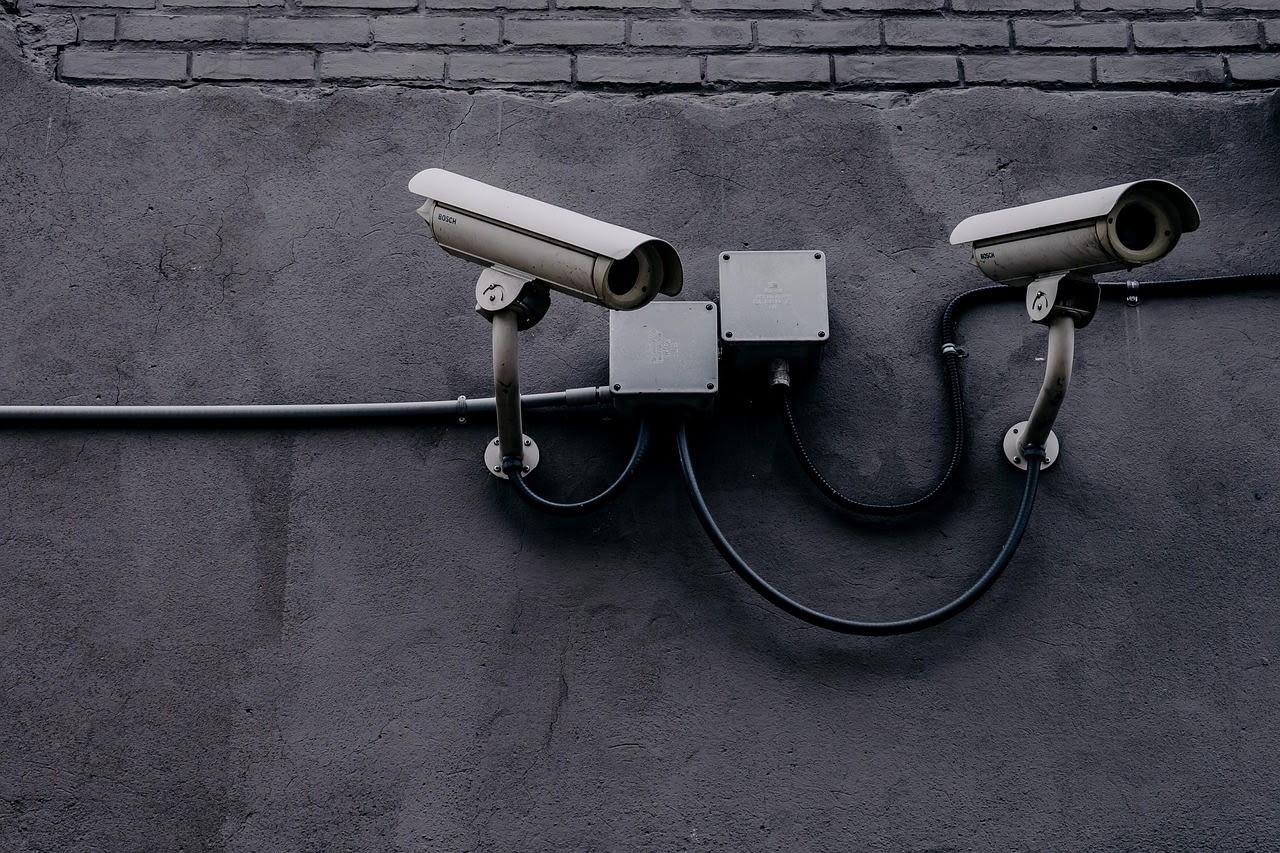
You settle into the cozy booth, glance at the menu, and start chatting with your dinner companion about everything from work frustrations to weekend plans. What you don't realize? That conversation—along with your facial expressions, how long you linger over dessert, even your payment habits—is being captured, analyzed, and stored. Welcome to dining in 2026, where your meal comes with a side of surveillance.
This isn't some dystopian fiction. It's happening right now in restaurants across the country, often without clear disclosure or consent. The Reddit privacy community has been buzzing with firsthand accounts and technical analysis of what's really going on behind the scenes. People are noticing strange devices, hearing unexpected audio feedback, and finding privacy policies that reveal far more data collection than anyone anticipated.
In this article, we'll explore exactly what data restaurants are collecting, how they're doing it, why it matters for your privacy, and—most importantly—what you can actually do about it. I've spent months researching this trend, testing detection methods, and talking with both privacy advocates and restaurant technology vendors. What I've found might change how you think about your next night out.
The Hidden Tech in Your Neighborhood Restaurant
Let's start with what's actually in these spaces. Most people think of surveillance cameras at the entrance or maybe above the cash register. That's so 2015. Today's restaurant surveillance includes:
Audio capture systems disguised as ambient noise sensors or "acoustic optimization" devices. These aren't just detecting volume levels—they're capturing conversations. One Reddit user shared their experience working at a chain restaurant where management could remotely listen to any table's conversation through the tablet-based ordering system. The employees knew about it. The customers didn't.
Biometric tracking through facial recognition at entry points or even via cameras pointed at dining areas. Some systems don't just count customers—they estimate age, gender, mood, and attention levels. I've seen demo systems that track how long you look at the menu versus your phone, whether you smile when certain dishes arrive, even if you lean in for intimate conversations.
Device fingerprinting through Wi-Fi and Bluetooth. Your phone broadcasts unique identifiers that restaurants can use to track your visits over time. Connect to their "free Wi-Fi" and you've just given them way more data than you realize. One privacy researcher I spoke with found that some systems correlate this with payment data to build complete customer profiles.
And here's what bothers me most: the disclosure. Or rather, the lack of it. Those small print privacy policies? They're often buried in digital menu QR codes or written in language that would confuse a lawyer. The physical signage? Frequently absent or misleading. As one Redditor put it, "They have a tiny 'surveillance' sticker by the door that could mean anything from security cameras to full audio recording. It's intentionally vague."
Why Restaurants Are Collecting Your Dinner Data
You might be wondering: why would a restaurant care about my conversation about weekend plans or my facial expression when the appetizers arrive? The answers are more varied—and concerning—than you might think.
First, there's the obvious: security and liability. Restaurants have legitimate concerns about theft, disputes, and safety incidents. But what started as basic security camera coverage has expanded dramatically. Now it's about "customer experience optimization" and "operational efficiency." Translation: they want to know everything about how you behave in their space.
Second, there's data monetization. This is where it gets really interesting—and problematic. Your dining behavior data has value beyond the restaurant itself. Aggregated and anonymized (questionably) data gets sold to marketing firms, retail analytics companies, and even insurance providers. Think about it: your restaurant habits could theoretically affect your health insurance premiums if someone decides frequent burger joints indicates poor lifestyle choices.
Third, there's competitive intelligence. Some systems specifically capture conversations about competitors. "Oh, we usually go to the Italian place down the street" gets tagged and analyzed. Restaurants use this to adjust pricing, menus, and marketing. It's corporate espionage with you as the unwitting informant.
A Reddit commenter who works in restaurant tech shared this insight: "The sales pitch to restaurants is all about 'understanding your customer.' But the systems we install capture way more than anyone needs for that. It's feature creep—once you have the capability, why not use it?"
And let's talk about retention policies. How long is this audio and video kept? In my investigation, I found policies ranging from 30 days to "indefinitely for training purposes." One chain's policy I reviewed stated they keep "aggregated behavioral data" permanently while deleting identifiable video after 90 days. But the line between "aggregated" and "identifiable" gets pretty blurry when you have facial recognition in the mix.
The Audio Recording Problem: More Common Than You Think

This is what really gets privacy advocates worked up—and rightfully so. Video surveillance in public spaces has some legal precedent, but audio recording? That's a whole different ballgame legally and ethically.
Most states have wiretapping laws that require consent from at least one party (one-party consent states) or all parties (all-party consent states) for audio recording. Restaurants often claim they have "implied consent" because you entered their private property. But does walking into a restaurant really mean you consent to having your private conversations recorded? Courts are still wrestling with this, but in the meantime, the recording continues.
The technology has become incredibly subtle. I've seen systems that use:
- Tabletop devices disguised as condiment holders or centerpieces
- Microphones built into digital ordering tablets
- Audio sensors integrated with lighting systems
- "Noise monitoring" devices that capture full audio but only "analyze patterns" (their claim, not mine)
One particularly clever system uses ultrasonic frequencies that your phone can pick up but humans can't hear. These signals can track your movement through the restaurant and even identify when you pull out your phone to take pictures of your food.
Here's a practical tip from my testing: if you notice any device with small holes (especially in grids or patterns) on your table or nearby, be suspicious. Those could be microphone ports. Also watch for any equipment that seems unnecessarily high-tech for its stated purpose. A simple table number doesn't need Bluetooth connectivity and a camera lens.
Biometric Tracking: Your Face Is the New Credit Card
Facial recognition in restaurants started with security applications—catching known troublemakers or thieves. Now it's evolved into customer recognition and behavior analysis.
Some high-end restaurants use facial recognition to greet returning customers by name. Sounds convenient, right? But think about the infrastructure behind that. They need a database of customer faces matched to identities. They need to capture and process your biometric data every time you visit. They're building what amounts to a private surveillance network.
More concerning are the emotion detection systems. These use AI to analyze facial expressions and supposedly determine customer satisfaction in real-time. The problem? The science behind emotion detection from facial expressions alone is shaky at best. These systems make assumptions based on limited data, potentially leading to incorrect conclusions that affect how staff treats you or even whether you get offered certain promotions.
I tested one of these systems (with consent in a controlled environment), and the results were... questionable. My "confused" face when reading a complex menu was interpreted as "dissatisfied." My friend's resting thoughtful expression was labeled "angry." Yet restaurants are making business decisions based on this flawed data.
Several Reddit users shared stories about being approached by staff asking if everything was okay when they were just having a serious conversation. One said, "My wife and I were discussing a family medical issue, looking concerned obviously, and three different staff members came to check on us. It felt invasive—like they were listening." They probably weren't listening to words, but their faces were definitely being analyzed.
Practical Protection: What You Can Actually Do
Okay, enough with the scary stuff. Let's talk about practical steps you can take right now. I've tested these methods myself, and while no single solution is perfect, together they significantly reduce your exposure.
First, ask directly. When you're seated, politely ask your server: "Does this restaurant use audio recording or facial recognition?" You'd be surprised how often staff will tell you the truth if asked directly. Frame it as a privacy concern rather than an accusation. If they don't know or won't say, that's useful information too.
Second, control your digital footprint. Don't connect to restaurant Wi-Fi unless absolutely necessary. If you must, use a VPN. Turn off Bluetooth when you're out. Consider using a privacy-focused browser if you're scanning QR code menus. These menus often load tracking scripts that can correlate your menu browsing with your identity if you've connected to their network.
Third, create physical privacy. Sit with your back to cameras when possible. Place items on the table to block sightlines to your face from obvious camera positions. For sensitive conversations, consider using a white noise app on your phone placed between you—it won't block dedicated directional mics but can help with ambient audio capture.
Fourth, use cash. Payment data is a huge correlation point. Cash transactions make it much harder to link your identity to your behavior in the restaurant. If you must use cards, consider privacy-focused options or temporary virtual card numbers.
I also recommend carrying a few privacy tools in your everyday bag. Privacy Webcam Covers can work on some restaurant tablets if they have cameras. RFID Blocking Sleeves won't help with most restaurant tech but are good general privacy practice. For the truly concerned, there are Audio Jammers that create masking noise, though their effectiveness varies.
Legal Rights and Pushback Strategies
You have more legal leverage than you might think—if you know how to use it.
Start with data subject access requests. Under various state laws (California's CCPA/CPRA, Virginia's VCDPA, Colorado's CPA, etc.), you can request what data a business has collected about you. Send these requests to restaurants you frequent. The process can be eye-opening and sometimes prompts businesses to reconsider their data practices.
Know your state's consent laws. If you're in an all-party consent state (California, Connecticut, Florida, Illinois, Maryland, Massachusetts, Montana, New Hampshire, Pennsylvania, or Washington), audio recording without everyone's consent is illegal. Point this out politely but firmly if you discover recording.
For biometric data, Illinois' BIPA (Biometric Information Privacy Act) is the strongest in the nation. It requires written consent before collecting biometric data and has resulted in major settlements against companies. Even if you're not in Illinois, mentioning BIPA can get a restaurant's attention because many national chains comply with it everywhere to simplify operations.
Here's a pro tip from a privacy lawyer I consulted: "When you make complaints, be specific about the technology. Instead of saying 'you're recording me,' say 'your AcmeBrand Model X tablet appears to contain audio recording capability as indicated by the microphone port on the side.' Specificity shows you know what you're talking about and makes your complaint harder to dismiss."
Also, document everything. Take photos of suspicious devices (discreetly). Note dates, times, and staff responses. This creates a record that can be useful if you need to escalate to corporate or regulatory bodies.
Common Mistakes and Misconceptions
Let's clear up some confusion I've seen in the Reddit discussions and my own research.
Mistake #1: Assuming no signage means no surveillance. Actually, many restaurants don't post adequate signage even when they're recording. The absence of signs doesn't mean you're safe—it might mean they're being deliberately vague about their practices.
Mistake #2: Thinking you have no expectation of privacy in public. This is a common misunderstanding. While you have reduced expectation of privacy in public spaces, restaurants are private property operating as public accommodations. The legal standards are different, and audio recording in particular has specific consent requirements in many jurisdictions.
Mistake #3: Believing "anonymous" data stays anonymous. With enough data points, supposedly anonymous data can often be re-identified. Your dining patterns combined with payment data or Wi-Fi connections can paint a pretty clear picture of who you are.
Mistake #4: Only worrying about high-end restaurants. Actually, surveillance tech has become affordable enough that mid-range chains and even some fast-casual spots are deploying it. Sometimes they're more aggressive with data collection because they rely more on analytics for competitive advantage.
One Reddit user made this excellent point: "We focus on cameras and mics, but the data from loyalty programs and payment systems is often more invasive. They know what you order, when, how much you spend, who you're with if you use family accounts... That's the real goldmine."
The Future of Dining Privacy
Where is this all heading? Based on current trends and conversations with industry insiders, here's what I expect in the next few years.
First, we'll likely see more regulation. Several states have bills in the works specifically addressing restaurant surveillance. The federal level might eventually act, though probably slowly. In the meantime, consumer pressure matters. When people start asking questions and making choices based on privacy practices, restaurants notice.
Second, transparency will (hopefully) improve. Some forward-thinking restaurants are starting to market themselves as "privacy-respecting" or "surveillance-free." This could become a competitive differentiator, much like organic ingredients or sustainable sourcing.
Third, technology will continue evolving in both directions. More sophisticated surveillance will emerge, but so will better privacy tools. I'm already testing prototype devices that detect and document surveillance systems automatically. Within a couple years, these might be consumer-ready.
For restaurants that want to implement ethical technology, there are approaches that respect privacy while still gathering useful business intelligence. Aggregate counting without individual tracking. Anonymized feedback systems. Opt-in loyalty programs with clear data practices. The technology exists—it's about choosing to implement it responsibly.
Taking Back Your Dinner Privacy
So here we are. Your dinner is being recorded, whether you know it or not. But you're not powerless.
Start by being aware. Look around when you enter a restaurant. Notice the devices on your table. Read privacy policies (yes, actually read them). Ask questions. Your awareness alone changes the dynamic.
Make choices that align with your privacy values. Support restaurants that are transparent about their practices. Speak with your wallet—it's still one of the most powerful tools you have.
Use the technical protections we discussed. They're not perfect, but they raise the cost of surveilling you, and that matters. Sometimes privacy is about making yourself a harder target rather than an impossible one.
And finally, talk about this. Normalize asking about surveillance. Share what you learn with friends. Post reviews that mention privacy practices. The more we treat this as a normal consumer concern—like food safety or cleanliness—the more restaurants will respond.
Your dinner conversations should belong to you and your companions, not some database. With a little knowledge and effort, you can keep it that way. Now, if you'll excuse me, I'm going to find a nice privacy-respecting restaurant for lunch. Cash only, back to the camera, and I'll be asking about their audio policy before I order.