
You probably think about your phone tracking you. Your smart speaker listening. Maybe even your fitness watch. But your car? That's just transportation, right? A metal box on wheels to get you from A to B.
Think again.
If you're driving a vehicle made in the last decade, you're piloting one of the most sophisticated data-harvesting devices you've ever owned. And it's not just the car manufacturer who's interested. A thriving ecosystem of data brokers, insurance companies, and—as a recent 2026 investigation highlighted—a cluster of particularly aggressive Israeli technology firms, are vacuuming up information about your driving habits, your location, your music tastes, and even your conversations.
The dashboard isn't just for gauges anymore. It's a portal. And this article is your map to understanding what's being collected, who's leading the charge in collecting it, and what, if anything, you can do to slam that portal shut. We're going beyond the headlines to unpack the real-world implications for your privacy.
The Connected Car: It's Not Just About Navigation Anymore
Let's rewind a bit. The journey from simple transportation to data goldmine started with basic telematics—think OnStar for emergency calls. It was a safety feature. Then came infotainment systems with GPS. A convenience. Then 4G LTE modems got baked in for "software updates" and streaming music. A modern luxury.
But somewhere along the line, the purpose shifted. The constant, bi-directional data connection became less about serving you and more about serving the data economy. Your car's onboard diagnostics port (OBD-II), once a mechanic's tool, is now a firehose of real-time data. Modern vehicles have dozens of Electronic Control Units (ECUs)—mini-computers that control everything from the engine and brakes to the windows and seats. Nearly all of them generate data.
And I mean everything. Hard braking, rapid acceleration, cornering speed, seatbelt use, tire pressure, battery health, ambient temperature inside and outside the cabin, the number of passengers (via seat weight sensors), frequent destinations, idle time, media consumption, voice assistant queries, and precise, timestamped location trails. It's a biometric and behavioral diary on wheels.
The car companies themselves collect a lot of this, often under vague terms in your connected services agreement. But the real shocker, as detailed in source reports, is how this data is then packaged, sold, and analyzed by third-party specialists. That's where the surveillance race gets interesting—and where Israeli tech firms have carved out a dominant, and concerning, niche.
The Israeli Edge: From Military Tech to Your Dashboard
So why Israel? It's not a random development. The country has a globally recognized, defense-driven tech sector, often referred to as the "Startup Nation." Expertise in signals intelligence (SIGINT), cybersecurity, geolocation, and data fusion developed for military and government applications has a direct and lucrative path to the commercial sector. The mindset shifts from tracking adversaries to tracking consumers, but the core technological capabilities remain strikingly similar.
Firms like Cellebrite (famously used by law enforcement to break into phones) have siblings in the automotive data space. Others are less household names but wield immense influence. They don't manufacture cars. Instead, they provide the middleware, the analytics platforms, and the data extraction tools that turn raw vehicle telemetry into actionable—and sellable—intelligence.
Their value proposition is powerful: they can take chaotic streams of data from hundreds of different car models and standardize it. They can clean it, enrich it with other data sources (like credit information or public records), and run advanced algorithms to score risk, predict behavior, or identify patterns. For their clients—which include insurance companies, fleet managers, marketing firms, and yes, sometimes government agencies—this is pure gold.
One redditor in the source discussion put it bluntly: "It's like Unit 8200 [Israel's signals intelligence corps] decided to monetize their skills on the global consumer market." That's an oversimplification, but it captures the uncomfortable lineage. The technology isn't inherently evil, but its application in a realm with minimal consumer protection or transparency is deeply problematic.
What's Actually Being Collected? A Data Inventory
Let's get specific. When people say "your car is spying," what does that tangibly mean? Based on privacy policies, teardowns, and researcher findings, here's a non-exhaustive inventory of what your car likely knows and may be sharing:
- Geolocation & Trips: Precise GPS logs of every journey, including start/end times, routes taken, stops (and duration of stops). This can reveal your home, workplace, your child's school, your doctor's office, and places of worship.
- Driving Behavior: Speeding events, hard braking/acceleration, cornering forces, adherence to speed limits (which requires mapping your location against a speed limit database).
- Vehicle Health & Usage: Mileage, fuel level/consumption, engine hours, tire pressure, battery voltage, diagnostic trouble codes (even before a check engine light comes on).
- Biometric & Interior Data: Some high-end models use in-cabin cameras for "driver attention monitoring." These can capture video or images. Seat weight sensors estimate passenger count. Microphones for voice assistants record audio snippets (which are often sent to the cloud for processing).
- Infotainment & Phone Data: If you pair your phone via Bluetooth or USB, the car can access your contact list, call logs, and message notifications (often displayed on-screen). Your media playback history (podcasts, music) is also logged.
This data is often anonymized before sale, but anonymization is a famously weak reed. As one expert in the source thread noted, "Your driving pattern is as unique as your fingerprint." Combine a few unique trips with a timestamp, and de-anonymization becomes trivial.
The Buyers: Who Wants Your Driving Data and Why?
The data doesn't just sit in a vault. It has a market. Understanding who buys it reveals the true stakes of this surveillance.
Insurance Companies (Usage-Based Insurance - UBI): This is the biggest and most direct use. Programs like Progressive's Snapshot or Allstate's Drivewise are the consumer-facing tip of the spear. But the backend analysis is often powered by sophisticated third-party platforms, including those from Israeli firms. Your driving score directly impacts your premium. Hard brake too often? That's a risk surcharge.
Data Brokers & Marketing Firms: Imagine knowing someone drives frequently to golf courses, high-end malls, or fast-food restaurants. That's a powerful marketing segment. This data gets bundled into consumer profiles sold for targeted advertising. Stopping at a Mercedes dealership for a test drive? Expect your profile to be updated accordingly.
Fleet Management & Employers: For company vehicles, this is a no-brainer for monitoring efficiency and employee behavior. But the lines blur with gig economy workers using personal cars, or employers who offer "discounted" insurance in exchange for installing a tracker.
Law Enforcement & Legal Proceedings: This is the dark corner. Data from your car can be subpoenaed or, in some cases, accessed by authorities. It can place you at a scene, prove you were speeding, or contradict your testimony. The source discussion was particularly animated about this, with users citing real cases where vehicle data was the star witness.
Practical Privacy: What Can You Actually Do?
Feeling overwhelmed? Good. That's the appropriate reaction. But don't succumb to fatalism. You can't make a modern car a privacy fortress, but you can significantly reduce its data bleed. Here's a tiered approach, from simple to more involved.
Tier 1: The Low-Hanging Fruit (Do This Now)
Read the Connected Services Privacy Notice: I know, it's torture. But skim it. Look for opt-out clauses for data sharing or marketing. Sometimes you can say no.
Don't Use the Built-In Apps: Use your phone for navigation (Waze, Google Maps) and music (Spotify, Apple Music) instead of the car's native systems. Your phone's apps, while also tracking you, at least give you more granular permissions and a fighting chance at control.
Be Strategic with Pairing: When you pair your phone, often it asks for access to contacts, messages, and call logs. Just say no. You can still get audio over Bluetooth for calls and music without granting full data access.
Tier 2: The Middle Ground (More Effort, More Gain)
Disable Connectivity Features: Dig into your car's settings menu. Look for anything labeled "Connected Services," "Data Sharing," "Improve Product," or "Marketing Preferences." Turn it all off. This might break remote start or live traffic, but it stops the flow.
Use a Physical OBD-II Port Blocker: This is a simple, cheap, and effective tool. The OBD-II port under your dash is how insurance dongles and dealership diagnostic tools plug in. A simple OBD-II Port Lock physically prevents unauthorized devices from being connected. It's a great deterrent for shady repair shops or potential data thieves.
Consider a Faraday Bag for Your Key Fob: This is less about the car's data and more about relay attacks to steal the car itself, but it's a related privacy/security habit. A Faraday Bag for Key Fobs blocks the signal when you're not using it, preventing amplification attacks.
Tier 3: The Hardcore Approach
Pull the Telematics Fuse: Every modern car has a fuse box. With some research (your owner's manual or forums), you can identify and pull the fuse for the telematics control unit (TCU) or the embedded cellular modem. This completely severs the car's connection to the outside world. Warning: This will disable all connected features, including emergency crash notification. It's a trade-off.
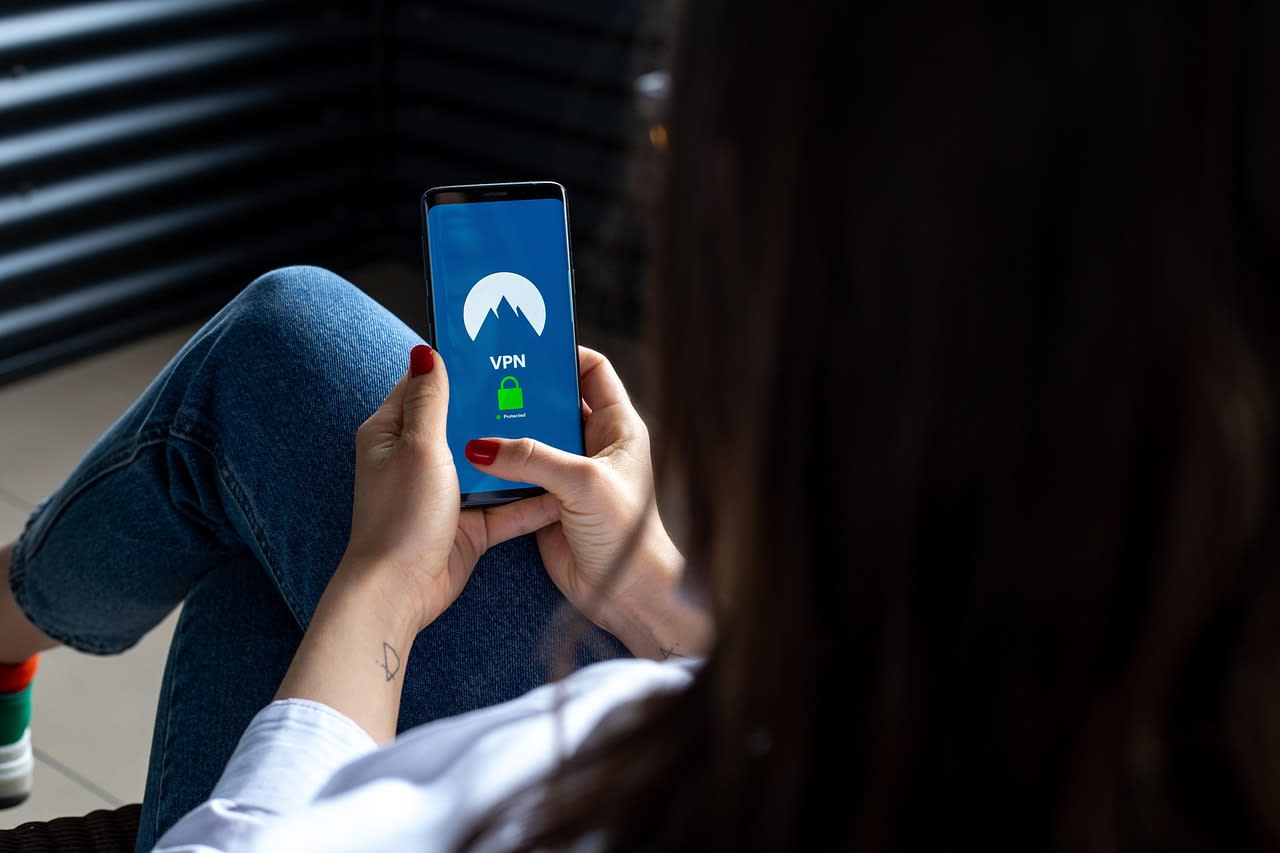
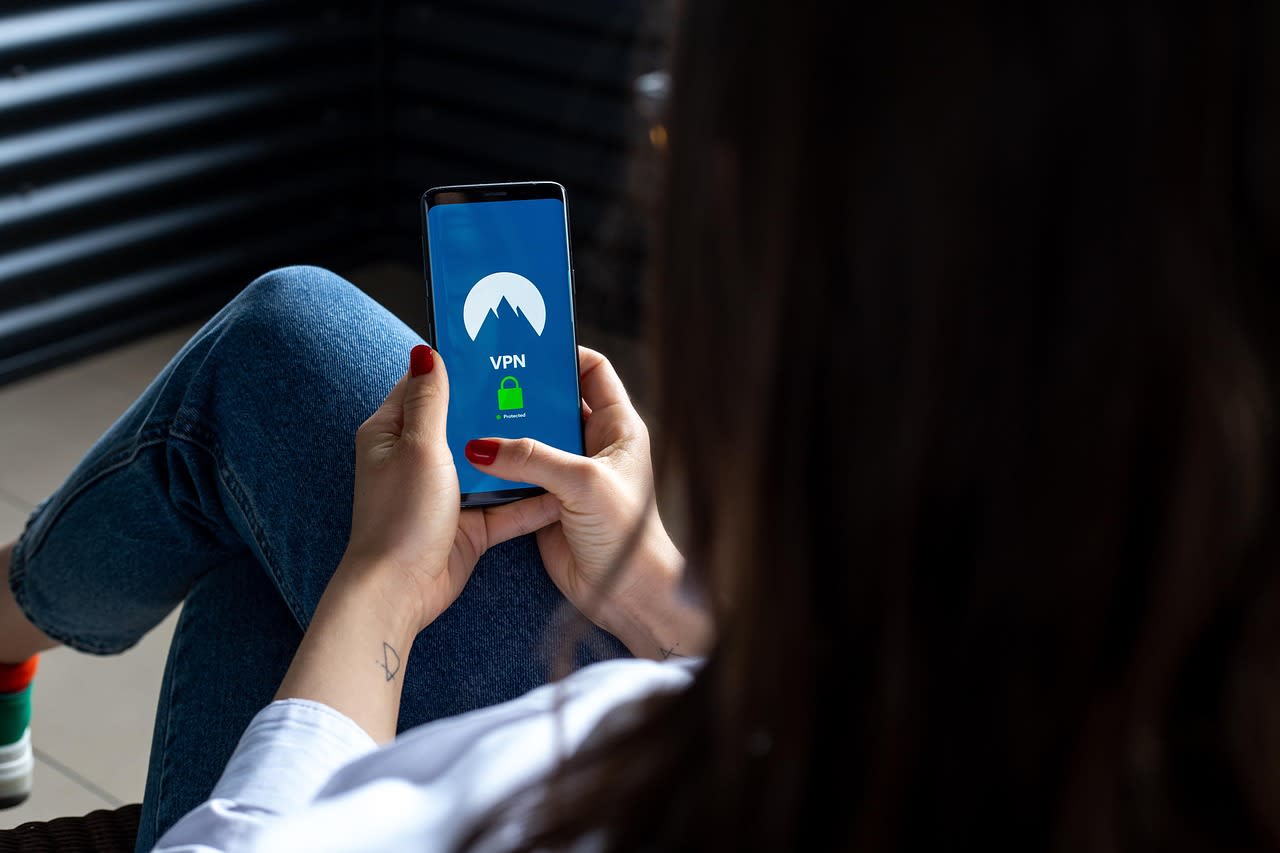
Use a Custom VPN Router in the Car: If your car creates its own Wi-Fi hotspot, you can connect a travel router configured with a privacy-focused VPN to it. This tunnels the car's data traffic through an encrypted connection, potentially obscuring some of the data from the manufacturer's prying eyes. It's complex, but for the tech-savvy, it's an option. Setting this up can be tricky; if you're not comfortable, you might hire a network specialist on Fiverr to help configure it properly.
Common Myths and FAQs
Let's bust some myths circulating in the source discussion and elsewhere.
Myth: "If I don't sign up for connected services, they can't collect data."
False. Basic telemetry for vehicle health and "security" features often runs on a separate, always-on cellular connection. Not signing up for the infotainment package doesn't necessarily stop the core data flow.
Myth: "Old cars are safe."
Mostly true, but with a caveat. A pre-2000 car with no Bluetooth or GPS is largely inert. However, if you plug a modern insurance dongle or a cheap aftermarket GPS tracker into its OBD-II port, you've just connected it to the surveillance network.
FAQ: Can I request my data from the car company?
Under laws like California's CCPA or the GDPR in Europe, you likely can. It's worth doing as an experiment. The volume and granularity of the report will be enlightening (and probably frightening).
FAQ: Are electric vehicles worse?
Generally, yes. EVs are essentially computers on wheels with even more sensors and a greater reliance on over-the-air software updates, which necessitates a constant, robust data connection. Tesla is the poster child for data collection, but all major EV makers follow the same model.
The Road Ahead: A Call for Regulation and Awareness
Technology has outpaced regulation, as it often does. There is no comprehensive "Driver's Privacy Act" in the United States akin to the health privacy laws (HIPAA). Your car data is largely fair game. The onus is on you, the driver, to be aware and take defensive steps.
This isn't about being a luddite. Connected safety features can save lives. Diagnostic alerts can prevent breakdowns. But the current paradigm is one of extraction by default, consent through obfuscation, and a complete imbalance of power.
The rise of specialized firms, particularly those with roots in intelligence-gathering, should be a wake-up call. It signals that vehicle data is no longer a side project for car companies—it's a core, valuable asset class being mined by the most capable players in the surveillance business.
Your car is no longer just your car. It's a node in a network. Start treating it that way. Check your settings, think before you connect, and demand more transparency from manufacturers. The road to privacy starts with realizing you're already on the map—and deciding who gets to see it.