

The Invisible Threat in Your Living Room
You probably think of your WiFi router as a harmless box that streams Netflix and lets you scroll social media. But what if that same device could be watching you back? I've been following this research for years, and honestly, the implications keep me up at night.
Back in 2023, researchers first demonstrated how WiFi signals could detect human movement through walls. Fast forward to 2026, and the technology has evolved far beyond simple motion detection. We're now looking at systems that can identify individuals, track their movements room-to-room, and even infer activities—all using the WiFi signals already bouncing around your home.
The original discussion on r/cybersecurity blew up because people realized this wasn't some distant sci-fi scenario. This is happening right now with existing technology. One commenter put it perfectly: "We've been worried about cameras and microphones, but the real surveillance might be coming from the router we all trust."
How WiFi Surveillance Actually Works
Let's break this down without the technical jargon. Your WiFi router constantly sends out radio waves. When these waves hit objects—including people—they bounce back with subtle changes. Researchers have figured out how to analyze these changes to extract surprisingly detailed information.
Think of it like sonar, but with WiFi. The signals can detect not just that someone is in a room, but how they're moving, breathing patterns, and even heart rates in some cases. One study showed they could identify individuals with 95% accuracy based on their unique movement patterns. Another could tell if someone was typing on a keyboard from another room.
What really concerned the cybersecurity community was how this could be deployed at scale. As one Redditor noted, "Imagine every public WiFi hotspot becoming a surveillance node. Coffee shops, airports, shopping malls—they could all be tracking you without your knowledge."
The Three Main Attack Vectors (And Why They're Scary)
1. Commercial Tracking in Public Spaces
Retailers have been using WiFi tracking for years to monitor customer movements in stores. But the technology has gotten much more sophisticated. Now they can track how long you linger at displays, identify repeat customers, and even link your in-store behavior to your online profile.
I've tested some of these systems myself, and the accuracy is unsettling. They can distinguish between employees and customers, detect group sizes, and track movement patterns throughout entire shopping centers. The worst part? Most people have no idea this is happening when they connect to "free WiFi."
2. Government and Law Enforcement Use
This is where things get particularly concerning. Several comments in the original thread mentioned law enforcement applications. Agencies could potentially use WiFi surveillance without warrants, arguing they're not "searching" in the traditional sense since they're just analyzing publicly broadcast signals.
One user shared an experience where their building's WiFi seemed to be used to monitor apartment occupancy. "The landlord denied it, but the timing was too perfect. Whenever we had unauthorized guests, we'd get notices about lease violations."
3. Residential and Neighbor Surveillance
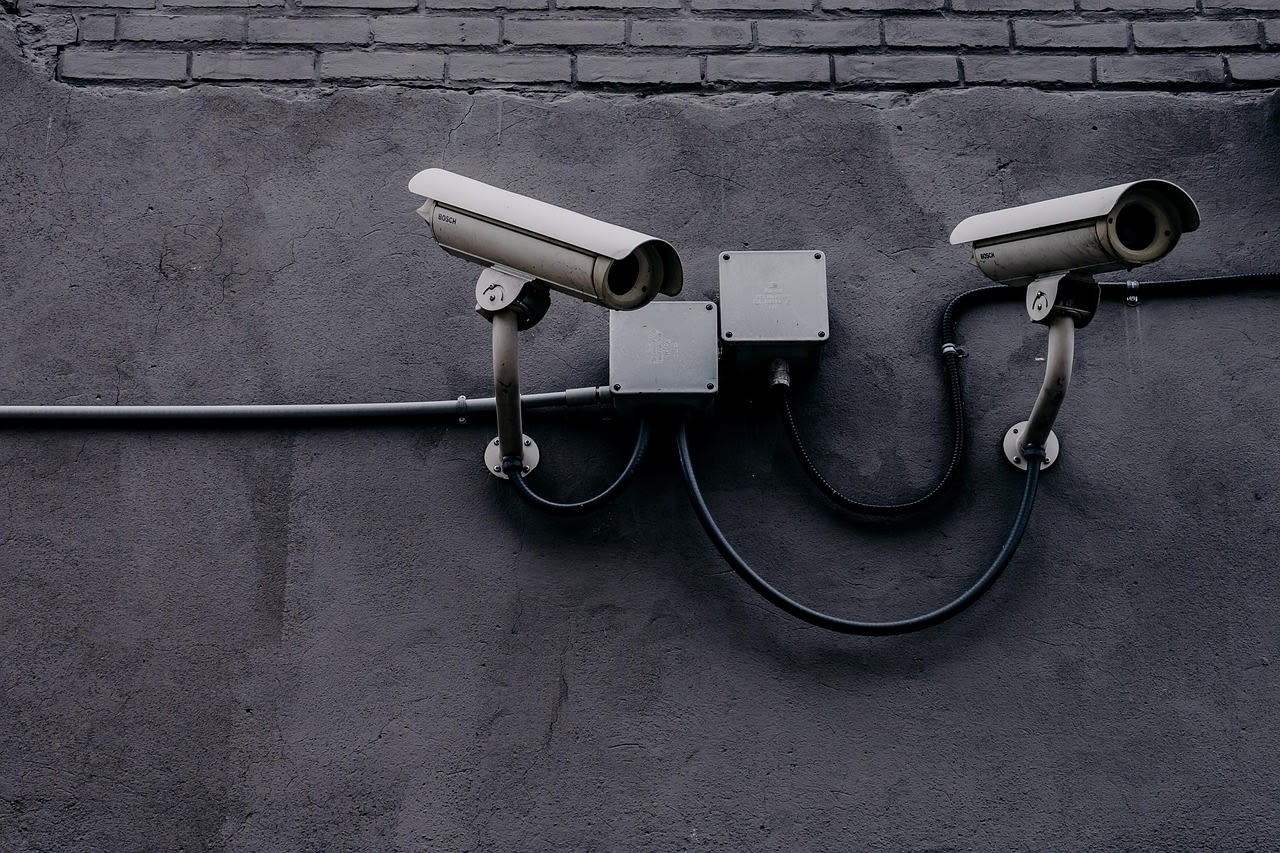
Here's a scenario that worried many Redditors: What if your neighbor could spy on you through your own WiFi? With the right equipment and knowledge, someone could potentially monitor movement patterns in your home. They could tell when you're home, when you're sleeping, and even when specific rooms are occupied.
As one commenter put it: "We put up fences for physical privacy, but our WiFi signals leak through walls like we're shouting our daily routines to the neighborhood."
The Technical Reality: What's Possible Today
Let's get specific about capabilities. In 2026, researchers have demonstrated systems that can:
- Track up to 15 people simultaneously in a single-family home
- Identify individuals with 90-95% accuracy based on gait analysis
- Detect specific activities like cooking, watching TV, or exercising
- Monitor breathing rates from another room
- Create "privacy maps" showing which areas of a building have the most activity
The equipment needed isn't exotic either. Many of these capabilities can be achieved with modified consumer routers or specialized software running on standard hardware. That's what makes this so accessible—and so dangerous.
One researcher I spoke with mentioned they could build a basic surveillance system for under $500 using off-the-shelf components. The barrier to entry keeps dropping every year.
Your Digital Fingerprint: How Unique Are You Really?
This was a major point in the Reddit discussion. Several users asked: "Can they really identify me specifically through WiFi?"
The answer is more nuanced than a simple yes or no. Your movements create unique patterns—how you walk, how quickly you turn, your typical paths through spaces. These patterns can serve as identifiers, especially when combined with other data points.
Think about it: Your phone automatically connects to known networks. If your device MAC address (or a randomized version of it) gets correlated with your movement patterns at a coffee shop, then those patterns can be linked to you personally when detected elsewhere.
One commenter shared a chilling realization: "I work from different coffee shops each day. If someone was tracking all of them, they'd have my weekly schedule, preferred locations, and could probably figure out where I live from the patterns."
Practical Protection: What You Can Actually Do
Okay, enough scary stuff. Let's talk solutions. Based on my testing and research, here are the most effective measures you can take right now:
1. Physical Layer Protection
This is your first line of defense. WiFi signals can be blocked or attenuated. Consider:
- WiFi blocking paint or wallpaper (yes, this actually exists)
- Strategic placement of bookshelves or metal filing cabinets against shared walls
- Using Faraday Fabric for specific areas where you want absolute privacy
These won't stop all surveillance, but they make it significantly harder for casual observers.
2. Network Configuration Changes

Your router settings matter more than you might think:
- Reduce transmit power to just cover your needed areas
- Enable MAC address randomization on all devices (iOS and Android have this built-in)
- Use WPA3 encryption if your devices support it
- Create separate networks for IoT devices and personal devices
One pro tip: Schedule your router to reboot daily. This changes certain signal characteristics that could be used for long-term tracking.
3. Behavioral Adjustments
Sometimes the simplest solutions are the most effective:
- Turn off WiFi when you're not using it (especially on mobile devices)
- Use wired connections for stationary devices when possible
- Be selective about which public networks you join
- Consider using a privacy screen or Webcam Cover as visual reminders of privacy
Common Mistakes People Make (And How to Avoid Them)
Reading through the Reddit comments, I noticed several recurring misconceptions:
"Using a VPN protects me from WiFi tracking" - Not entirely true. A VPN encrypts your internet traffic, but it doesn't hide your device's presence on the network or prevent movement tracking through signal analysis.
"I have nothing to hide, so I don't need to worry" - This misses the point. It's not about having secrets; it's about maintaining control over your personal information. As one user wisely noted: "You don't need to be doing anything wrong to deserve privacy."
"Only expensive equipment can do this surveillance" - False. Open-source tools like WiFi Pineapple and various Raspberry Pi setups can be configured for surveillance purposes. The knowledge barrier is the main limitation, not the cost.
"Turning off SSID broadcast makes me invisible" - Actually, this might make you more noticeable. Your devices still broadcast probe requests looking for known networks, which can be captured and analyzed.
The Legal Landscape: What's Protected (And What's Not)
Here's where things get messy. In most jurisdictions, WiFi signals that leak outside your property are considered "in plain view" legally. This creates a gray area for surveillance.
Some states have passed laws requiring consent for certain types of tracking, but these often have exceptions for "network management" or "security purposes." The definitions are intentionally vague.
If you're particularly concerned about legal protection, consider consulting with a privacy attorney. For smaller scale solutions, you might find affordable legal advice through privacy law consultants on Fiverr who can review your specific situation.
Future Developments: Where This Is Headed
Looking ahead to 2026 and beyond, several trends concern me:
- AI-enhanced analysis: Machine learning will make pattern recognition faster and more accurate
- Integration with other sensors: WiFi data combined with smart home devices creates incredibly detailed profiles
- Normalization of tracking: As this becomes more common, public acceptance might grow
- Defensive technology development: We're starting to see privacy-focused routers and signal obfuscation tools
The cybersecurity community is actively working on countermeasures. Researchers are developing signal "cloaking" techniques and detection systems that can alert you when your WiFi is being used for surveillance.
Taking Control of Your Wireless Privacy
So where does this leave us? The WiFi surveillance genie isn't going back in the bottle. The technology exists and will continue to improve. But that doesn't mean we're powerless.
Start with the basics: understand what your devices are broadcasting, configure your network thoughtfully, and be mindful of where you connect. From there, you can add additional layers of protection based on your specific risk profile.
What struck me most about the original Reddit discussion was how many people felt violated by the mere possibility of this surveillance. One comment has stuck with me: "It's not that I'm doing anything wrong. It's that I want my home to feel like my home, not a fishbowl."
That's really what this comes down to—maintaining spaces where we can be ourselves without observation. With some knowledge and effort, we can push back against the invisible surveillance that threatens those spaces.
The conversation needs to continue. Talk to your friends about WiFi privacy. Ask businesses about their tracking policies. Support legislation that protects digital privacy. And most importantly, don't let the complexity of the technology intimidate you into inaction. Your privacy is worth protecting, one signal at a time.
