

The Unexpected Joy of Self-Hosting Your Music Collection
You know that feeling when a tech project just clicks? When the pieces fall into place and you realize you've built something that perfectly matches your needs? That's exactly what the original poster discovered—and what so many of us in the self-hosting community have experienced. The music server wasn't just another service to deploy. It was the icing on the cake.
Think about it. You've probably set up file servers, media centers, maybe even home automation systems. But there's something uniquely personal about your music collection. Those hi-res FLAC files you've carefully curated over years represent more than just data—they're memories, moods, and moments. Bringing that collection under your complete control, accessible from any device, with no subscriptions or limitations? That's the kind of satisfaction you can't buy.
And here's the thing: in 2026, the tools have matured to the point where this isn't just possible—it's downright elegant. The open-source ecosystem has produced solutions that rival (and often surpass) commercial offerings. But more importantly, they give you something no streaming service ever can: complete ownership and control.
Why Music is the Perfect Self-Hosting Gateway Drug
Let's be honest—not every self-hosting project delivers immediate, tangible value. Some services you set up because you can, not because you'll use them daily. But music? That's different. It's personal infrastructure that you'll interact with every single day. The original poster nailed it when they described the process as "so fun." Because when you're working on something you actually care about, the learning curve feels less like work and more like discovery.
I've helped dozens of people set up their first self-hosted services, and I've noticed a pattern. Those who start with music servers stick with self-hosting longer. Why? Because the payoff is immediate and constant. You finish the setup, fire up your favorite album in perfect quality, and think: "I built this. This is mine." That dopamine hit is real.
Plus, music servers are relatively forgiving as entry points. They don't typically handle sensitive financial data. They're not mission-critical infrastructure. If something breaks, you can still listen to music locally while you fix it. This makes them perfect for learning Docker, reverse proxies, and the other foundational skills you'll need for more complex projects.
The Hi-Res FLAC Revolution: Why Quality Matters More Than Ever
The original post specifically mentions hi-res FLAC files, and that's not accidental. We're living through a quiet revolution in audio quality. Streaming services have conditioned us to accept compressed audio as "good enough," but once you've heard your favorite album in true lossless quality, there's no going back. The difference isn't subtle—it's the difference between looking at a photograph and being in the room where it was taken.
But here's the catch: most streaming services either don't offer true lossless, or they charge premium prices for it. And even then, you're at the mercy of their catalog decisions. Remember when your favorite artist's music suddenly disappeared from a platform? With a self-hosted collection, that never happens. Your files are yours forever.
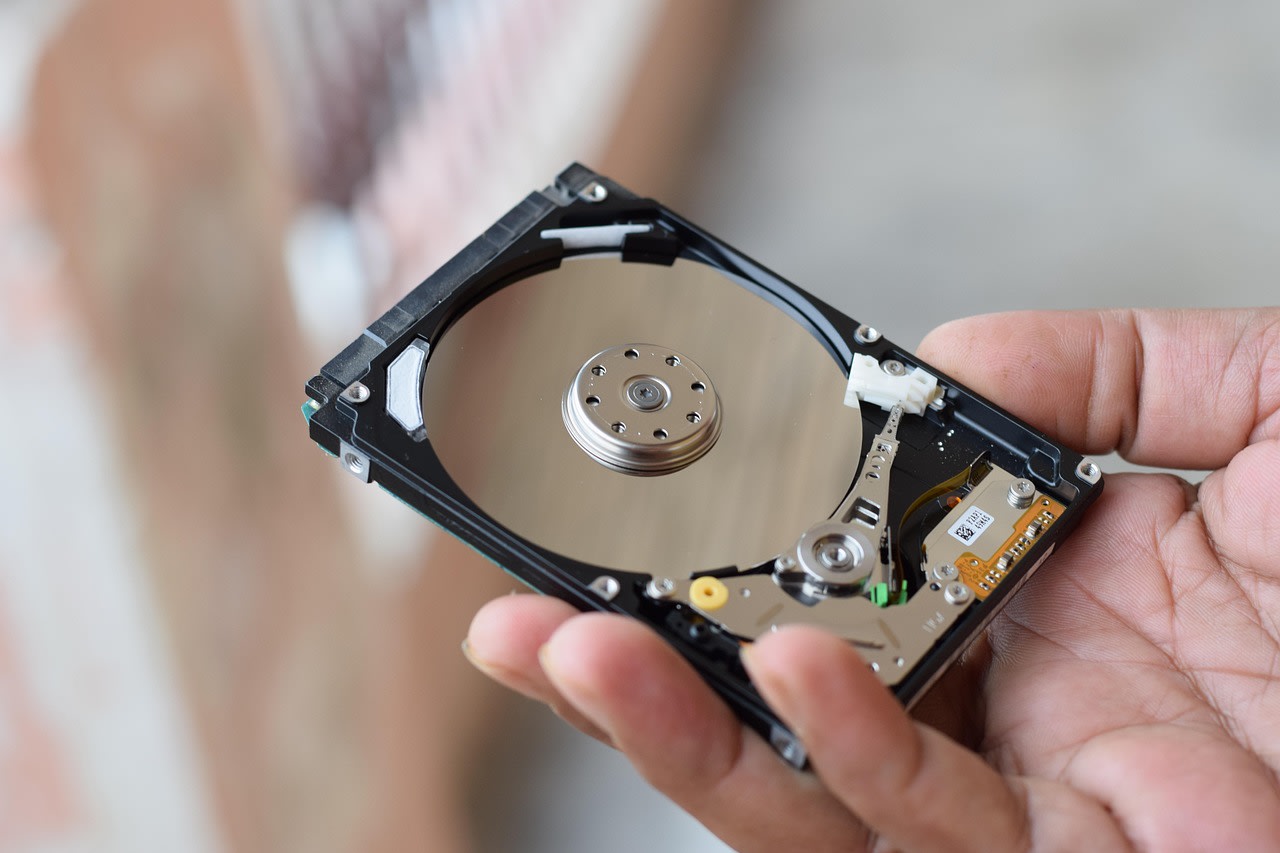
Storage has become ridiculously affordable too. A 4TB hard drive that can hold thousands of albums costs less than a year of most premium streaming subscriptions. And unlike streaming, that's a one-time purchase. The economics have shifted decisively in favor of ownership—especially for people who genuinely care about audio quality.
Navigating the Open-Source Music Server Landscape
So you've decided to take the plunge. Great! Now comes the fun part: choosing your tools. The landscape in 2026 is richer than ever, but a few standout options have emerged as community favorites.
Navidrome gets mentioned constantly in self-hosting circles, and for good reason. It's lightweight, fast, and implements the Subsonic API beautifully. That last part is crucial—the Subsonic protocol has become something of a standard for music servers, which means client compatibility is excellent. Want to use your server with iOS, Android, web, or desktop apps? No problem.
Then there's Jellyfin, which started as a media server but has developed surprisingly robust music capabilities. If you're already running Jellyfin for movies and TV, adding music feels natural. The interface is polished, and the metadata scraping works well for most collections.
And let's not forget Plex with Plexamp. Yes, Plex isn't fully open-source, but their music offering has improved dramatically. Plexamp in particular is a gorgeous mobile client that makes browsing large collections a pleasure rather than a chore.
My personal setup? I run Navidrome for the core server functionality, paired with Symfonium on Android and Play:Sub on iOS. This combination gives me the reliability of a dedicated music server with clients that feel native to each platform.
The Docker Advantage: Containerizing Your Music Experience
If you're coming from an embedded programming background like the original poster, Docker might feel familiar in concept but different in execution. Think of containers as extremely lightweight virtual machines—they package an application with all its dependencies, making deployment consistent and reproducible.
For music servers, Docker is practically a requirement. Not because the software demands it, but because it solves so many headaches. Different music servers might need different versions of Java, Python, or other dependencies. With Docker, you don't care. Each container brings its own environment.
Here's a pro tip that took me too long to learn: use Docker Compose. A simple docker-compose.yml file lets you define your entire music server stack—the server itself, maybe a database, any reverse proxy configuration—in one declarative file. Need to migrate to new hardware? Copy the file and your data, run docker-compose up, and you're done. It's that simple.
And about that data: always, always mount your music library and configuration as volumes. Containers should be ephemeral—if something breaks, you should be able to delete and recreate the container without losing your settings or, heaven forbid, your actual music files.
Client Apps: The Missing Piece Most People Overlook
Here's where many first-time music server deployments stumble. They get the server running beautifully, then realize the default web interface isn't what they want to use on their phone during a commute. The server is important, but the client experience is what you'll actually live with day to day.
The Subsonic API I mentioned earlier? This is why it matters. Because it's a standardized protocol, dozens of client apps support it. On Android, Symfonium and DSub are excellent. On iOS, play:Sub and iSub have loyal followings. For desktop, there's Sonixd and Supersonic. Each has its own interface philosophy and feature set.
My advice? Try a few. Most have free versions or trials. Pay attention to how they handle large libraries—some clients struggle with 10,000+ track collections, while others handle them gracefully. Look for offline sync capabilities if you want music available without a data connection. And check whether they support the audio formats you care about (FLAC, obviously, but also Opus if you want efficient streaming over mobile).
Metadata Management: The Unsexy but Critical Foundation

Let's talk about the least glamorous but most important aspect of any music server: metadata. Those hi-res FLAC files are worthless if your server can't organize them properly. You need album art, track listings, artist information—all the data that turns a folder of files into a browsable collection.
Most servers can scrape metadata automatically from sources like MusicBrainz, but the quality of your starting files matters. I use MusicBrainz Picard to tag my collection before it even hits the server. It's a bit of upfront work, but it pays dividends forever. Properly tagged files work with any server software, now and in the future.
Here's a workflow that's served me well: First, organize files in a consistent directory structure (I use Artist/Album/Track). Then run them through Picard for tagging. Only then do I point my music server at the library. This way, if I decide to switch from Navidrome to something else next year, my metadata travels with the files themselves.
And about album art: embed it in the files. Don't rely on folder.jpg files that might get lost or ignored by different software. Embedded art is portable and reliable.
Performance Tuning: Making Your Server Sing
You don't need a powerhouse server for music. Seriously. I've run Navidrome on a Raspberry Pi 4 with thousands of albums, and it performed flawlessly for multiple simultaneous users. Music serving is primarily I/O bound, not CPU intensive.
That said, there are optimizations worth considering. If you're serving FLAC files, enable transcoding to Opus for mobile streaming. A 50MB FLAC file becomes a 5MB Opus file with virtually indistinguishable quality over Bluetooth headphones. This saves bandwidth and makes streaming over cellular data practical.
Database choice matters too. Some servers default to SQLite, which works fine for small collections. But if you have tens of thousands of tracks, consider switching to PostgreSQL or MySQL. The difference in scan times and search performance can be dramatic.
And don't forget about caching. A reverse proxy like Nginx or Caddy with proper cache headers can dramatically reduce server load, especially if you have multiple users or frequently access the same albums.
Common Pitfalls (And How to Avoid Them)
I've made most of these mistakes so you don't have to. First: permissions. Docker containers run as specific users, and if those users can't read your music files, you'll get mysterious empty libraries. Always check permissions on your mounted volumes.
Second: library scans on startup. Some servers default to scanning your entire library every time they start. For large collections, this can take hours. Look for settings to disable automatic scans or run them on a schedule instead.
Third: forgetting about backups. Your music files are irreplaceable if you've ripped physical media. Back them up. Seriously. I use a simple rsync script to copy everything to a second drive weekly. For truly critical collections, consider cloud backup—though with terabyte-sized libraries, this gets expensive fast.
Fourth: neglecting mobile data usage. If you don't configure transcoding, your phone might try to stream 50MB FLAC files over cellular data. Your data plan will hate you. Always set up transcoding profiles, or at least configure clients to limit streaming quality on mobile networks.
The Future is Personal (And Sounds Amazing)
What struck me about the original post was the genuine excitement. This wasn't someone checking off another box on a self-hosting checklist. This was someone discovering that technology could serve their personal passions in ways they hadn't imagined. And that's really the point, isn't it?
Self-hosting often starts as a technical challenge but evolves into something more personal. Your music server becomes an extension of your taste, your history, your identity. You're not just running software—you're curating an experience.
The tools will keep improving. New clients will emerge. Storage will get cheaper. But the core satisfaction—that feeling of building something perfectly tailored to your needs—that's timeless. So if you've been thinking about self-hosting your music collection, take it from someone who's been there: do it. The learning process is fun, the result is perfect, and the music? The music sounds better when it's truly yours.
Start with a small collection. Pick a server that looks interesting. Don't worry about getting everything perfect on the first try. The beauty of this setup is that you can evolve it over time. Add more storage as your collection grows. Try different clients. Experiment with different metadata approaches. This isn't a project you finish—it's a system you cultivate. And every time you fire up an album and hear it exactly as the artist intended, you'll remember why you started in the first place.