
You know that feeling when you open an app you've used for years and suddenly realize it's not serving you anymore? That's exactly where I found myself in early 2026. Spotify had become a cluttered mess of podcasts I never listened to and AI-generated playlists that missed the mark. Windows felt increasingly like a platform that served Microsoft's interests more than mine. And the monthly subscriptions? They were adding up to hundreds of dollars for the privilege of borrowing what felt like should be mine.
This isn't another rant about "big tech bad." It's something more interesting—a quiet migration happening among tech enthusiasts who've realized that self-hosting and open-source alternatives have finally reached a tipping point. The tools are mature, the documentation is solid, and the community support is better than ever. If you're tired of paying monthly fees for diminishing returns, wondering where your favorite music went, or feeling like your operating system is working against you, you're in the right place.
Over the next 1500+ words, I'll walk you through exactly why this shift is happening now, what you need to know before making the jump, and how to avoid the common pitfalls that trip people up. I've tested dozens of these tools over the past year, and I'll share what actually works in 2026—not theoretical possibilities, but practical solutions you can implement this weekend.
The Spotify Realization: Paying to Borrow What You Love
Let's start with the music problem because it's the most visceral. For years, I defended Spotify. "It's only $10 a month!" "The convenience is worth it!" "The recommendations are great!" Except by 2026, none of those statements felt true anymore.
The app had transformed into something unrecognizable—a bloated platform pushing podcasts, audiobooks, and AI-generated content ahead of the music I actually subscribed for. Remember when you could just open Spotify and play music? Now it feels like navigating a digital mall where every corner has someone trying to sell you something new. The recommendations, once surprisingly good, had become repetitive and increasingly disconnected from my actual tastes. Algorithms optimized for engagement rather than discovery.
But the real wake-up call came when albums I'd saved started disappearing. Not just obscure indie releases, but mainstream albums that would vanish for licensing reasons, then reappear months later. I was building a library on shifting sand—paying monthly to access content that could disappear at any moment. That's when it hit me: I wasn't building a collection. I was renting temporary access to someone else's catalog.
And here's the thing they don't tell you about subscriptions: they add up. Spotify, Windows licenses, cloud storage, streaming services—before you know it, you're paying $50, $100, even $200 monthly for digital services. That's $2,400 annually for things you don't actually own. For many people, that's more than they spend on physical possessions they'll keep for years.
The Windows Exodus: When Familiarity Becomes a Cage
Now let's talk about the operating system migration, because this is where people get really nervous. I get it—Windows is familiar. It's what most of us grew up with. But by 2026, the trade-offs had become impossible to ignore.
Windows 11 (and whatever iteration we're on now) feels increasingly like an advertising platform with an operating system attached. The constant suggestions, the Microsoft Store promotions, the Edge browser nudges—it's exhausting. Privacy concerns aside, there's a fundamental issue of control. When your computer starts deciding what updates to install and when, rebooting at inconvenient times, or changing features you relied on, it stops feeling like your machine.
But here's what surprised me most: the Linux learning curve in 2026 isn't what it was five years ago. Modern distributions like Ubuntu, Fedora, and especially Linux Mint have become remarkably user-friendly. The days of needing to compile drivers from source or edit configuration files just to get Wi-Fi working are largely behind us. Most hardware works out of the box now. And the software ecosystem? It's matured dramatically.
I approached it like the original poster—slowly. I didn't wipe Windows immediately. I started with a dual-boot setup, spending weekends in Linux while keeping Windows for work. Then I discovered something interesting: I was spending less and less time in Windows. The Linux environment was faster, cleaner, and just... quieter. No constant notifications about Microsoft services. No mysterious background processes. Just my computer, doing what I asked it to do.
The Self-Hosting Epiphany: Ownership Actually Matters
This is where everything clicked for me. Self-hosting isn't just about saving money or sticking it to big tech. It's about something more fundamental: digital sovereignty. When you self-host your music, your files, your services, you're building something permanent. You're creating a digital home that can't be taken away because of licensing disputes, corporate decisions, or service shutdowns.
In 2026, the self-hosting ecosystem has reached a beautiful level of maturity. We're not talking about hacking together solutions with duct tape and prayers anymore. Projects like Jellyfin, Navidrome, and Plex have become polished, reliable platforms that rival their commercial counterparts. Docker has made deployment almost trivial—you can have a full media server running in minutes, not days.
But here's the real secret they don't tell beginners: self-hosting changes your relationship with technology. When you're responsible for maintaining your services, you start thinking differently about what you actually need. You become more intentional. That endless scroll through streaming services? It disappears when you're listening to music you've deliberately added to your collection. The constant chase for the next new thing? It fades when you have a system that works exactly how you want it.
And the community? It's incredible. The r/selfhosted community and similar forums are filled with people who genuinely want to help. When I hit a snag setting up my reverse proxy, I had three different working solutions within an hour. When I couldn't get my music scanner to recognize certain file formats, someone shared their exact configuration. This isn't corporate support with scripted responses—it's actual human beings solving real problems.
Building Your Music Sanctuary: Practical Tools for 2026
Okay, let's get practical. If you're ready to build your own music ecosystem, here's what actually works in 2026. I've tested nearly every option, and these are the ones that have stood the test of time.
First, the server software. For music specifically, Navidrome is my top recommendation. It's lightweight, incredibly fast, and supports the Subsonic API—which means you can use any of dozens of mobile apps with it. The web interface is clean and functional, but where it really shines is with apps like Symfonium (Android) or play:Sub (iOS). The experience feels premium, not like a compromise.
For those who want video too, Jellyfin is the open-source champion. It handles music perfectly well, though it's heavier than Navidrome. The advantage? One system for all your media. Movies, TV shows, music, home videos—everything in one beautifully organized interface. And unlike Plex, there's no requirement for external authentication or any feature paywalls.
Now, about your music files. This is where people get stuck. "But I don't have a music collection anymore!" Here's the reality: rebuilding your library is easier than you think. Those old CDs in your basement? Rip them. Bandcamp purchases? Download them. And yes, there are ethical ways to acquire digital copies of music you've already paid for through streaming services—though your mileage may vary here depending on your local laws and personal ethics.
The beautiful part? Once you have the files, they're yours. Forever. No monthly fee. No disappearing acts. And the sound quality? You can have lossless FLAC files instead of Spotify's compressed streams. The difference is noticeable on good equipment.
The Linux Migration: A Gradual Approach That Actually Works
Let's address the elephant in the room: switching to Linux sounds scary. What if something breaks? What about my Windows-only software? What about games?
Here's the approach that worked for me and countless others: don't rush. The original poster had it right—they spent a year just reading and learning before installing anything. You don't need to go that slow, but you should take a phased approach.
Start with a live USB. Every major Linux distribution lets you boot from a USB drive without installing anything. Spend a weekend poking around. See how the desktop feels. Try installing some software. Browse the web. Get a feel for whether you could actually work in this environment.
Next, dual-boot. Keep Windows on your main drive, but install Linux on a separate SSD or partition. This gives you an escape hatch. When you inevitably hit something you can't immediately solve in Linux (usually proprietary software or specific hardware), you can reboot into Windows, solve the problem, then return to Linux.
Here's what surprised me: within three months, I was spending 90% of my time in Linux. The other 10% was for one specific Windows-only application for work. And even that became unnecessary when I found a Linux alternative that worked better for my needs.
As for games? In 2026, the situation is dramatically better than even two years ago. Steam Proton compatibility has reached incredible levels—most Windows games run flawlessly. Anti-cheat software support has improved. And native Linux games are more common than ever. Unless you're playing the absolute latest AAA titles on release day, you'll probably be fine.
Hardware Considerations: What You Actually Need
People overestimate what's required for self-hosting. You don't need a rack server in your basement. You don't need enterprise-grade hardware. For most individuals and families, a modest setup works perfectly.
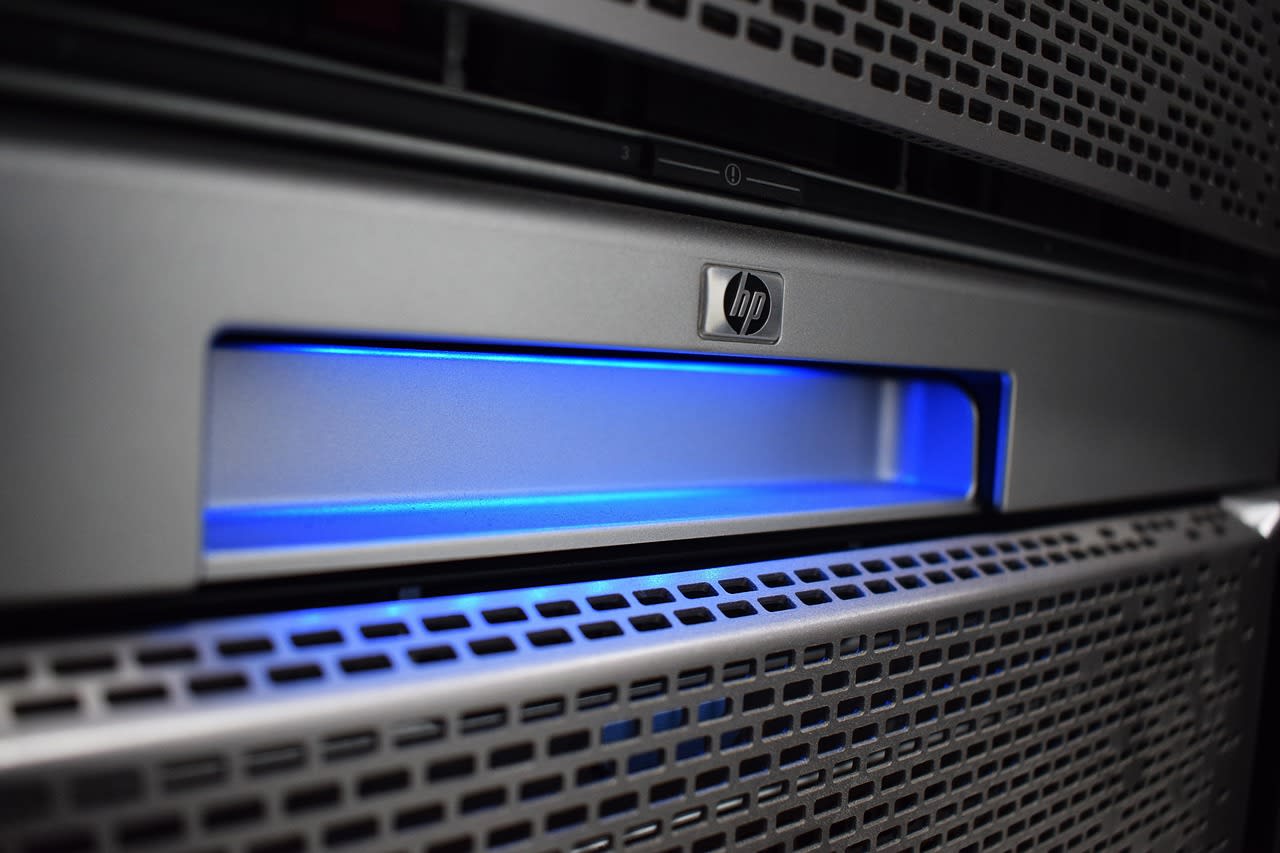
For your music server, even a Raspberry Pi 5 is overkill. I'm running Navidrome on a Pi 4 with 4GB RAM, and it serves multiple simultaneous streams without breaking a sweat. The key is storage—you'll want enough space for your music collection, plus room to grow. A 2TB SSD is more than enough for most people's music libraries, and they're surprisingly affordable in 2026.
If you want to host more than just music (documents, photos, home automation), consider a small form-factor PC. Those tiny Intel NUC-style machines are perfect. They're quiet, power-efficient, and powerful enough for several services. I'm using one with an 11th-gen i5, 16GB RAM, and 8TB of storage, and it handles everything I throw at it.
For your main Linux machine, almost any computer from the last 5-7 years will work beautifully. Linux is less resource-hungry than Windows, so that old laptop gathering dust might actually feel faster with a lightweight distribution. The one area to pay attention to is graphics if you're a gamer—check Proton compatibility for your specific GPU.
And here's a pro tip: start with used enterprise hardware if you're on a budget. Dell Optiplex and HP EliteDesk machines from a few years ago are incredibly reliable, cheap, and perfect for learning. When you're ready to upgrade, you'll know exactly what you need.
Common Pitfalls and How to Avoid Them
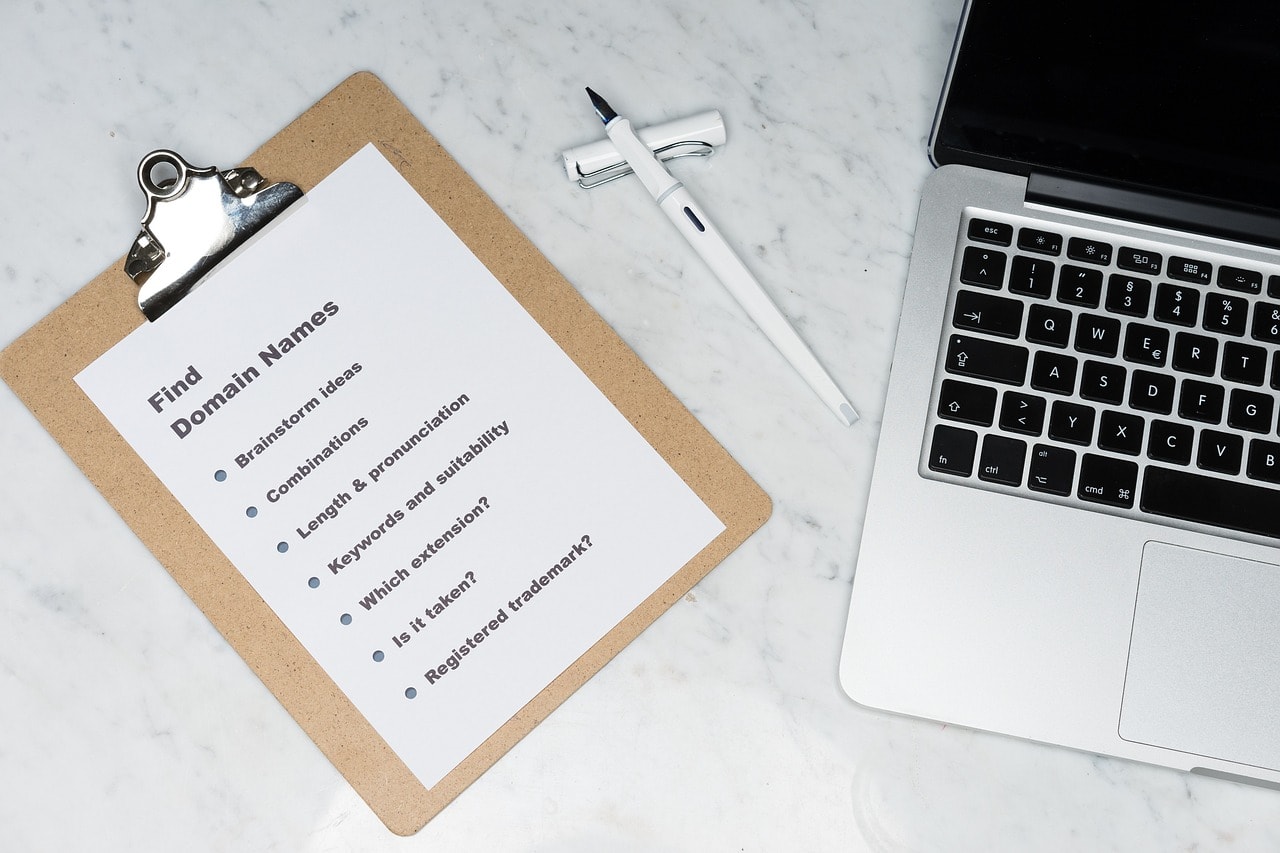
Let's be honest—this journey isn't without its bumps. After helping dozens of people make this transition, I've seen the same mistakes repeated. Here's how to avoid them.
First, backup everything before you start. I mean everything. Your music files, your documents, your browser bookmarks. Use the 3-2-1 rule: three copies, two different media, one offsite. An external hard drive and cloud storage is a good start. When you're experimenting with Linux partitions or Docker containers, things can go wrong. Having backups means you can recover quickly instead of starting from scratch.
Second, don't try to do everything at once. Pick one service to migrate. Get your music server working perfectly before you tackle photo management. Get comfortable with Linux before you set up a home automation system. Each successful migration builds confidence for the next.
Third, document everything. When you solve a problem, write down exactly what you did. Create a simple text file with commands that worked, configuration changes you made, and resources you found helpful. Six months from now when you need to rebuild or upgrade, you'll thank yourself.
Fourth, join the communities but learn to filter advice. The self-hosting and Linux communities are incredibly helpful, but you'll encounter conflicting advice. Some people love complex solutions when simple ones work fine. Some insist on building from source when packaged versions are perfectly stable. Take everything as suggestions, not commandments.
The Unexpected Benefits Nobody Talks About
Here's what surprised me most about this journey: the benefits I didn't anticipate. Yes, I'm saving money. Yes, I have more control. But there are subtler advantages that have improved my digital life in unexpected ways.
My attention has changed. When I open my music app now, I listen to albums. Complete works. Not algorithmically-generated playlists designed to keep me engaged. I discover music differently—through recommendations from friends, music blogs, or just exploring an artist's discography. It feels more intentional, less passive.
My technical skills have improved dramatically. Nothing teaches you how computers actually work like maintaining your own services. Understanding networking, file systems, permissions, and security isn't just academic anymore—it's practical knowledge that solves real problems.
There's a psychological benefit too. In a world where so much feels temporary and out of our control, having a digital space that's truly yours provides a surprising sense of stability. When tech news is filled with service shutdowns, price increases, and privacy scandals, my little self-hosted ecosystem just keeps working. Quietly. Reliably.
And the community aspect? It's genuine. Helping someone solve a Docker issue or recommending a Linux distribution creates connections that feel more meaningful than typical social media interactions. We're building something together, not just consuming.
Getting Started: Your First Weekend Project
Feeling overwhelmed? Don't be. Here's a single weekend project that will give you a taste of everything we've discussed.
Saturday morning: Create a Linux live USB. Ubuntu or Linux Mint are great starting points. Boot from it. Don't install anything—just explore. Install a few applications from the software center. Browse the web. Get comfortable.
Saturday afternoon: If you have an old computer or Raspberry Pi, install Ubuntu Server on it. Follow a tutorial to install Docker. Don't worry about understanding all the details yet—just get it running.
Sunday morning: Install Navidrome using Docker. Point it at whatever music files you have (even if it's just a few albums). Access it from your web browser. Congratulations—you now have a self-hosted music server.
Sunday afternoon: Install a Subsonic-compatible app on your phone. Connect it to your server. Play music from your own server on your phone, away from home. That feeling when it works? That's the hook.
By Sunday evening, you'll have experienced the entire pipeline. You'll have encountered problems and solved them. You'll have something tangible that works. And you'll understand whether this journey is for you.
Is This Path Right for You?
Let's be real—self-hosting and Linux aren't for everyone. If you want technology to be completely invisible, if you never want to think about maintenance, if you're happy with the trade-offs of commercial services, that's perfectly valid. There's no moral superiority here, just different preferences.
But if you've felt that nagging dissatisfaction with the current state of digital services, if you value ownership over convenience, if you enjoy learning how things work, this might be your path. The tools have matured. The communities are supportive. The barriers to entry are lower than ever.
In 2026, we have a choice that wasn't really available a decade ago. We can have polished, reliable self-hosted solutions that rival commercial products. We can have Linux distributions that are genuinely user-friendly. We can build digital ecosystems that serve us rather than extract from us.
That original Reddit poster captured it perfectly: it wasn't a dramatic moment, but a slow realization. A gradual understanding that there might be a better way. If you've felt that same nudge, maybe this is your year to explore. Start small. Be patient with yourself. And remember—every expert was once a beginner who decided to try.
The most surprising thing I've discovered? The further I travel down this path, the less I miss what I left behind. Spotify's algorithms feel crude compared to my carefully curated collection. Windows feels cluttered and noisy compared to my clean Linux desktop. And those monthly subscriptions? I don't miss them at all. The money stays in my account, and the control stays in my hands.
That's the real shift happening in 2026. It's not about rejection, but about reclamation. Taking back what should have been ours all along: ownership, control, and a digital life that actually serves us. Your journey might look different than mine, but the destination is the same—a technology ecosystem that feels like home, not a rental.
