

Introduction: When Your Code Has a 'Vibe'
You're browsing GitHub for a tool to automate your deployment pipeline. The README looks promising—maybe a little too promising. It's got emojis, a funky name, and promises to solve all your problems with "just one command." But something feels off. The documentation is sparse. The commit messages are things like "fixed stuff" and "it works now." You've just encountered what the community in 2026 calls vibe-coded software.
And here's the uncomfortable truth many of us are realizing: "vibe-coded" is becoming the new "Made in China." Not as a judgment on geography, but as a cultural shorthand. Remember when "Made in China" was (fairly or not) a quick mental shortcut for "cheap, mass-produced, and potentially unreliable"? That's exactly the role "vibe-coded" is playing in today's software ecosystem. It's a warning label whispered between developers. This article isn't just theory—it's a deep dive into the real concerns raised in communities like r/selfhosted, unpacking what this means for automation, DevOps, and how we build reliable systems.
From Meme to Warning Label: The Evolution of "Vibe-Coded"
The term didn't start as an insult. Originally, it was a self-deprecating joke. A developer would finish a personal project that somehow worked, despite being held together by digital duct tape and positive thinking. "It's vibe-coded," they'd say with a laugh. The vibe was the logic. It was charming.
But language evolves with use. By 2026, the term has sharpened its edges. When someone calls a public tool or library "vibe-coded," they're not laughing with the author anymore. They're issuing a specific critique. The vibe is no longer just the internal logic; it's the entire presentation and maintenance philosophy. It's software where the primary development methodology is intuition, where documentation is an afterthought, and where breaking changes arrive without warning because the developer "felt like" refactoring. The community discussion highlights this shift perfectly—what began as an in-joke is now a critical piece of vocabulary for assessing risk.
The Core Symptoms: How to Spot Vibe-Coded Software
So, how do you know if you're dealing with a vibe-coded project? It's not about the language (Go, Python, Rust) or even the complexity. It's about the signals.
The Hallmark: Documentation as Performance Art
The README is all sizzle, no steak. It might have animated SVGs, a complex badge system showing "100% vibe powered," and passionate prose about the problem space. But when you scroll down for actual installation instructions or API examples? Crickets. Or worse, the examples don't work with the current version. The documentation exists to sell the vibe, not to enable the user.
The Commit History Tells the Story
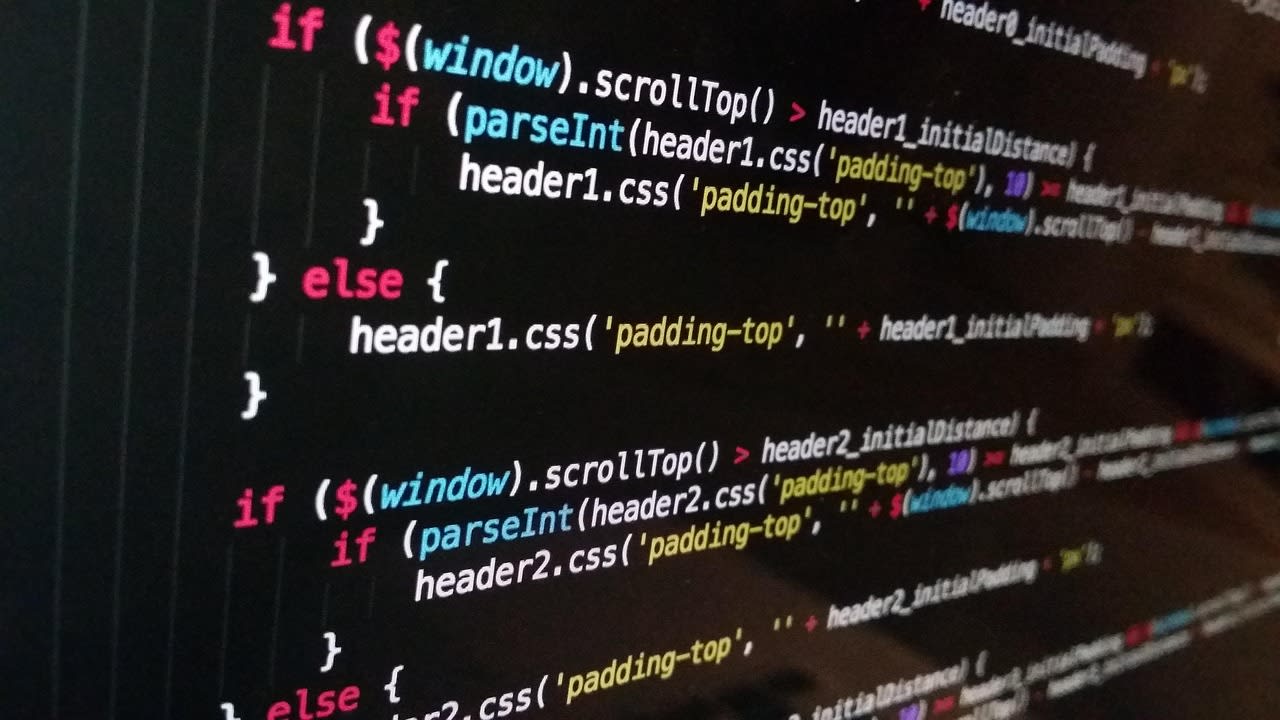
Take a look at `git log`. Vibe-coded projects have a distinctive pulse. You'll see huge, monolithic commits with messages like "big update" or "release." There's no clear narrative of incremental improvement or bug fixes. It's just vibes being committed—large, irregular bursts of energy with minimal explanation. This makes bisecting a nightmare and tells you the author isn't thinking about future maintainers (including themselves).
Dependency Roulette
This is a huge red flag in the automation world. The project pulls in dozens of dependencies for trivial tasks, often pinning them to `latest` or using wildly permissive version ranges (`^*`). The `package.json` or `Cargo.toml` looks like a grocery list for a five-course meal when you just asked for a sandwich. This isn't engineering; it's hoping other people's code maintains your vibe.
Why This Matters for Automation and DevOps
You might think, "So what? If it works, it works." That's a dangerous attitude for infrastructure. Automation is the foundation. When your deployment scripts, monitoring agents, or CI/CD pipelines are built on vibe-coded tools, you're building your house on a mood.
Automation demands predictability. DevOps is about reducing friction and uncertainty. Vibe-coded software introduces chaos. That "cool" CLI tool that automates your cloud provisioning might just decide one day that the API flag you've been using for months is now "deprecated" without a migration path, because the maintainer had a new idea. Your entire pipeline breaks. The time you "saved" by using the quick, trendy tool is now spent tenfold in debugging and firefighting.
Consider a real scenario from the discussions: a popular, vibe-coded Docker image for a self-hosted service. It works great until a random update changes the default volume path or removes a critical environment variable. No changelog. No major version bump. Just a new vibe. Suddenly, your data is inaccessible, and your service is down. In automation, these aren't inconveniences; they're outages.
The Maintainer's Dilemma: Passion vs. Pressure
It's crucial to understand this isn't (usually) about malice. Many vibe-coded projects start as passionate side projects. A developer scratches their own itch, builds something neat, and throws it on GitHub. Then it gets stars. People start using it. Issues roll in.
This is the pivot point. The maintainer now has a choice: adopt engineering practices (semantic versioning, tests, documented APIs) or continue vibe-coding. The pressure is immense. They're not getting paid. The community expects enterprise-grade support for their free hobby project. Some buckle and try to professionalize the codebase. Others double down on the vibe, viewing structure as a betrayal of the project's "organic" roots. This tension is at the heart of the problem. As users, we need to recognize which path a project is on before we bet our infrastructure on it.
How to Vet Tools and Avoid Vibe-Code Lock-In
You need tools, and not everything can be written in-house. Here’s a practical, step-by-step vetting process I use before any tool touches my production environment.
First, Read the Issue Tracker, Not Just the README. Are issues acknowledged? Are bug reports closed with actual fixes or just "can't reproduce"? Is there a respectful tone between maintainers and users? A toxic or dismissive issue tracker is a massive red flag.
Second, Analyze the Release History. Look for version tags. Is there any semblance of semantic versioning? Are there release notes, even brief ones? A project that goes from v0.1.0 to v4.2.0 with no clear changelog is vibing, not engineering.
Third, Check for Tests. No test suite at all is a classic vibe-coded signature. But also look at test quality. A directory with a single `test.py` that just imports the module and prints "OK" is vibe-testing. Look for a structured `tests/` directory, CI badges that actually run tests, and a decent coverage percentage.
Fourth, Consider the Bus Factor. Is there one main contributor with 95% of the commits? If that person's vibe changes, your tool breaks. Look for projects with multiple maintainers or, even better, a small but active community of contributors. It's a sign of a sustainable project, not a personal mood board.
Sometimes, the best automation is built by assembling reliable, single-purpose components. If you need to scrape data or automate web interactions as part of a larger pipeline, using a dedicated, robust service can be smarter than relying on a flaky, vibe-coded script. For instance, platforms like Apify handle the messy infrastructure of proxies, browsers, and scaling, letting you focus on the data and the logic. It turns a potentially vibe-coded nightmare into a reliable API call.
FAQs and Common Misconceptions
"Isn't this just elitism against indie developers?"
Not at all. This isn't about the size of the project or whether it's open source. It's about the approach. Some of the most robust tools I use are maintained by a single person. The difference is they communicate clearly, version responsibly, and value stability. The critique is of the "move fast and break things" mentality when applied to foundational tools, not of developers themselves.
"But my vibe-coded script runs fine!"
I believe you. Until it doesn't. The problem with vibe-coded software is latent. It works until the underlying assumptions change, until a dependency updates, or until you need to modify it. The cost isn't upfront; it's downstream. In DevOps, we call this technical debt, and vibe-coding is a high-interest loan.
"What about rapid prototyping?"
Absolutely vital! Vibe-code all you want in a prototype. The sin isn't in writing quick, messy code to validate an idea. The sin is in taking that prototype, putting a version number on it, and telling other people to build their business on it. The line is between private experimentation and public distribution.
Building Better: From Vibe to Value
If you're a maintainer feeling targeted by this, don't despair. The shift from vibe-coder to reliable maintainer is learnable. Start small. Write a few unit tests for your core logic. For your next release, write three bullet points in a `CHANGELOG.md`. Use semantic versioning, even if it's just you. These acts signal care to your users. They transform your project from a cool vibe into a trusted tool.
And if you're building a team and need specialized skills to harden a system? Don't be afraid to look beyond your immediate circle. Sometimes bringing in an outside expert for a short-term contract can institutionalize best practices. Marketplaces like Fiverr can be a practical way to find a DevOps engineer or code reviewer for a focused audit, helping you identify and eliminate vibe-coded patterns before they cause problems.
For those looking to deepen their understanding of software craftsmanship, investing in foundational knowledge pays off. A great resource is The Pragmatic Programmer. It's a timeless guide that teaches the principles behind writing software that lasts, which is the perfect antidote to vibe-coding.
Conclusion: Choose Your Foundation Wisely
The rise of "vibe-coded" as a critical term tells us something important about the maturity of our industry. We're moving past the era where any working code was good enough. In automation and DevOps, where systems must be predictable and resilient, the vibe is a liability.
So the next time you're tempted by that sleek, trendy tool, do the vetting. Look past the vibe. Check the commits, the issues, the tests. Your future self—the one who isn't debugging a production outage at 2 AM—will thank you. Let's build systems on engineering, not emotion. The stakes are too high for anything less.