


Introduction: The Hidden Power in Your Old Hardware
You know that feeling—you've got an old laptop with a busted screen or a keyboard that's seen better days. The manufacturer says it's obsolete, but you can't shake the feeling there's still some life left in it. You're absolutely right. That's exactly what one Reddit user discovered when they posted about their Ubuntu server built from disassembled laptop parts, asking the community: "What tasks would you suggest using it for?"
The response was overwhelming. Over 600 upvotes and 71 comments poured in with suggestions ranging from media servers to home automation hubs. And here's the thing: in 2026, this approach makes more sense than ever. With energy costs rising and sustainability becoming a real concern, repurposing old hardware isn't just clever—it's practically essential.
I've been running home servers for over a decade, and I can tell you this: that old laptop you're thinking about recycling? It's probably more powerful than the first dedicated servers I ran my business on. Let's explore what you can actually do with it.
Why Old Laptops Make Surprisingly Good Servers
Before we dive into specific projects, let's address the elephant in the room: why would anyone use an old laptop as a server? I mean, servers are supposed to be big, rack-mounted beasts with blinking lights, right? Not necessarily.
Old laptops have several advantages you might not have considered. First, they're designed to be energy efficient—they had to run on battery power, after all. My 8-year-old ThinkPad idles at around 15 watts, while even the most efficient dedicated mini-PCs often draw twice that. Over a year, that difference adds up to real money on your electricity bill.
Second, they come with built-in battery backup. Seriously—if your power flickers, that laptop battery keeps everything running smoothly. No need for expensive UPS systems. And third, they're complete systems. You've got storage, RAM, networking, and often decent processors all in one package.
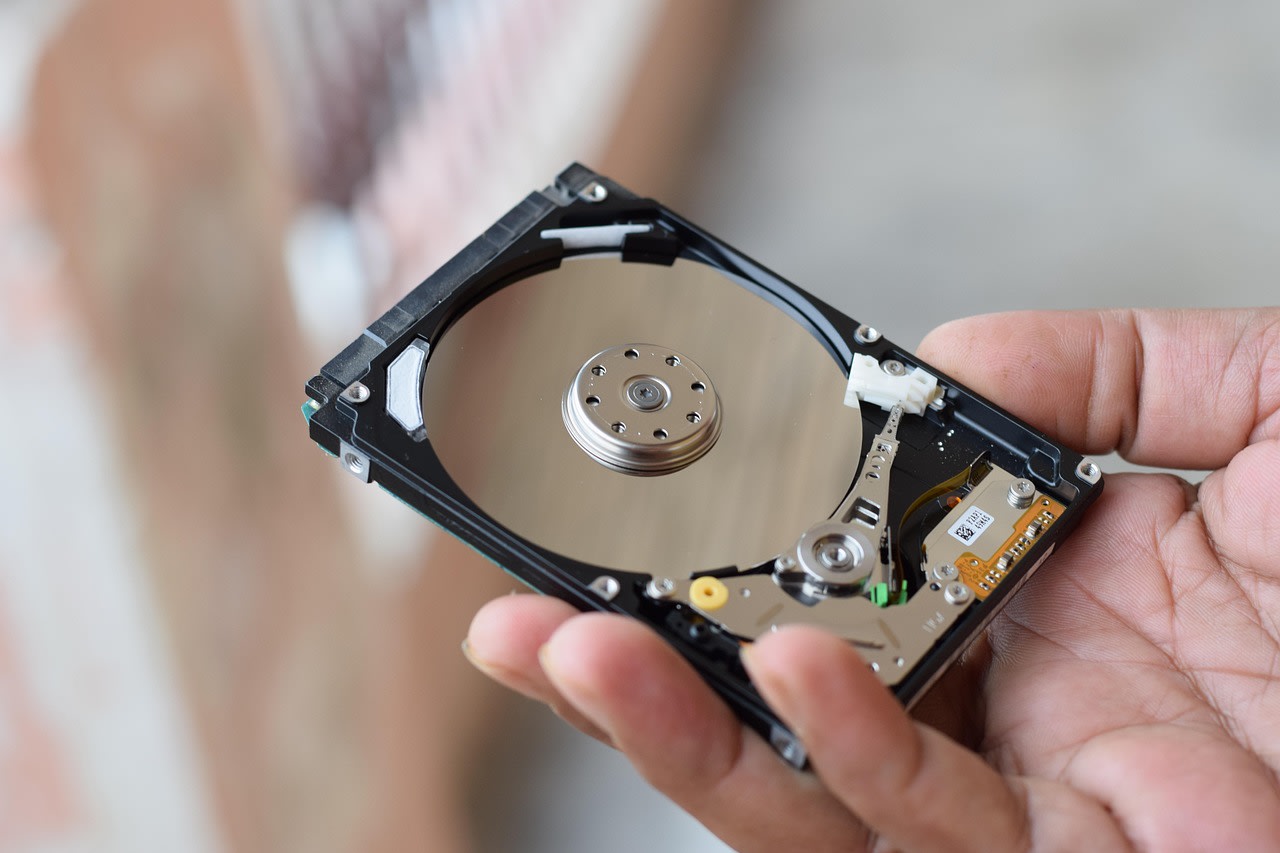
The Reddit poster was smart to disassemble the non-working parts. Removing the display and keyboard reduces power consumption even further and lets you tuck the whole thing away in a closet or under a desk. Just make sure you've got good airflow—laptop cooling wasn't designed for 24/7 operation.
Project 1: Your Personal Media Streaming Powerhouse
This is probably the most popular suggestion from the Reddit thread, and for good reason. A media server solves real problems: no more subscription fees for streaming services that remove your favorite shows, no more buffering during peak hours, and complete control over your content.
Jellyfin is my personal recommendation here. It's open source, actively developed, and just works. The setup is straightforward: install Docker (which we'll talk more about later), pull the Jellyfin image, and mount your media directories. Within an hour, you've got a Netflix-like interface for all your movies and TV shows.
But here's where it gets interesting. That old laptop can handle more than just Jellyfin. Pair it with Sonarr and Radarr for automatic TV and movie downloads, Jackett for torrent indexing, and a VPN container to keep everything secure. Suddenly, you've got an automated media acquisition and serving system that runs 24/7 without you lifting a finger.
Storage is the main limitation with laptops, but that's easily solved. Most laptops have room for a 2.5" SSD or HDD, and you can always connect external drives via USB 3.0. For serious media collections, consider a USB 3.0 Hard Drive Dock that lets you swap drives easily.
Project 2: The Ultimate Home Automation Hub
Home automation has moved way beyond fancy light switches. In 2026, we're talking about integrated systems that manage security, energy usage, comfort, and convenience—all from a central brain. And your Ubuntu server is perfect for this role.
Home Assistant is the star player here. It's a local-first automation platform that doesn't rely on cloud services, which means your lights still work when the internet goes down. The learning curve can be steep, but the payoff is enormous. I've got automations that adjust my thermostat based on whether anyone's home, turn off all electronics when everyone's asleep, and even water my plants based on soil moisture sensors.
What makes the laptop setup particularly good for this? Processing power. While Raspberry Pis are popular for Home Assistant, they can struggle with complex automations or multiple camera feeds. Your old laptop's CPU handles this with ease. Plus, you've got plenty of USB ports for Zigbee or Z-Wave dongles to connect to all your smart devices.
Pro tip: Run Home Assistant in Docker rather than installing it directly. This keeps your system clean and makes backups trivial. Just remember to map the /config directory to a persistent location.
Project 3: Self-Hosted Cloud Services (Take Back Your Data)

Remember when we all used Dropbox and Google Drive without a second thought? In 2026, privacy concerns and subscription fatigue have driven many to seek alternatives. Your Ubuntu server can host your own private cloud—and it's easier than you might think.
Nextcloud is the Swiss Army knife here. It starts as a Dropbox replacement but can expand to include calendar, contacts, email, and even collaborative office documents. The performance on old hardware is surprisingly good, especially if you enable Redis caching and keep your user count low (it is your personal server, after all).
But let's talk about the real magic: automation. With Nextcloud's web interface and some clever scripting, you can automatically back up photos from your phone, sync important documents between devices, and even set up automated workflows. Got a PDF invoice in your downloads folder? Have Nextcloud automatically move it to your accounting directory and notify you.
The Reddit discussion mentioned several users running successful Nextcloud instances on hardware much older than what you're probably working with. The key is managing expectations—this won't handle hundreds of users, but for personal or family use? Perfect.
Project 4: Development and Testing Environment
If you're a developer or just learning to code, this might be the most valuable use of your old hardware. A dedicated development server lets you experiment without worrying about breaking your main computer.
Docker changes everything here. Instead of manually installing databases, web servers, and programming languages, you run them in isolated containers. Want to test a Python Django app with PostgreSQL? Two Docker commands and you're running. Need to try the latest version of Node.js alongside an older one for compatibility testing? No problem—they run side by side without conflicts.
But here's where it gets really powerful: continuous integration. Set up Jenkins or GitLab Runner on your server, and you can automatically test your code every time you push changes. This is professional-grade development workflow stuff, running on hardware you were ready to throw away.
I use mine as a staging server. Before I deploy changes to production, they run on my home server first. If something breaks, it breaks in my basement, not where customers can see it. For web development testing, consider pairing this with Apify's web scraping tools to automate data collection for your projects.
Project 5: Network-Wide Ad Blocking and Security
This is the unsung hero of home server projects. Once you experience a network without ads, you'll wonder how you ever lived otherwise. And the security benefits are substantial.
Pi-hole is the tool, though the name is misleading—it runs beautifully on Ubuntu. It works at the DNS level, blocking ad-serving domains before they ever reach your devices. The effect is system-wide: every device on your network benefits, even smart TVs and game consoles that don't support ad blockers natively.
But we can go further. Combine Pi-hole with a VPN server (WireGuard is my choice—it's fast and modern) and you've got a powerful combination. Connect to your home network securely from anywhere, while still benefiting from ad blocking. Traveling and using sketchy hotel Wi-Fi? Your traffic routes through your home server, encrypted and ad-free.
The Reddit thread had multiple users reporting significant bandwidth savings after implementing Pi-hole, especially households with heavy YouTube or streaming usage. On older hardware, it uses negligible resources—maybe 2% of your CPU and a few hundred megabytes of RAM.
Project 6: Game Servers and Retro Gaming
This one surprised me when I first tried it, but game servers often don't need cutting-edge hardware. Minecraft, Terraria, Valheim—these can all run happily on older hardware, especially with a small number of players.
Minecraft is the classic example. A vanilla server for a handful of friends runs fine on a decade-old processor. The Java version can be memory hungry, but 8GB of RAM (common in older laptops) handles it comfortably. Use PaperMC for better performance, and consider Docker for easy management and backups.
But here's a less obvious use: retro game streaming. Install RetroArch or Lakka, and you can turn your server into a game streaming host. Connect to it from any device on your network, and you've got access to thousands of classic games. The laptop's integrated graphics, while not suitable for modern games, handle emulation up to PlayStation 1 era without breaking a sweat.
For multiplayer retro gaming, consider USB Game Controllers that you can connect directly to the server or use from client devices.
Essential Setup Tips for Laptop Servers

Now that we've covered what you can do, let's talk about how to set it up properly. These are the lessons I've learned the hard way over years of running servers on unconventional hardware.
First, cooling. Laptops aren't designed for 24/7 operation. Remove the bottom panel if possible, and consider adding a small USB fan pointed at the heatsink. Monitor temperatures with `sensors` command—if you're consistently above 70°C under load, you need better cooling.
Second, storage strategy. Laptop hard drives are the weakest link. Replace spinning disks with SSDs if you haven't already. For large media collections, use external drives but make sure they're on a UPS (or, well, the laptop battery handles this). Implement a proper backup solution—I use BorgBackup to a second external drive that I rotate offsite.
Third, power management. Disable anything you don't need: Bluetooth, unused USB controllers, even the internal speaker. Use `tlp` to optimize power settings. And most importantly, disable suspend and screen blanking—nothing worse than your server deciding to go to sleep.
Docker: The Game Changer for Home Servers
If you take away one technical recommendation from this article, make it this: use Docker. I mentioned it several times already, but it deserves its own section because it fundamentally changes what's possible with your setup.
Docker lets you run applications in isolated containers. Think of them as extremely lightweight virtual machines. The benefit? No dependency hell. Each application brings its own libraries and runtime, so you never have to worry about Python version conflicts or incompatible library versions.
But the real magic is in Docker Compose. With a simple YAML file, you can define your entire stack: which containers to run, how they connect, what storage they need. Here's a fragment from my own setup:
version: '3'
services:
  jellyfin:
    image: jellyfin/jellyfin
    ports:
      - "8096:8096"
    volumes:
      - ./config/jellyfin:/config
      - /media/movies:/media/movies
This approach makes experimentation risk-free. Try a new application—if you don't like it, remove the container. No leftover files, no broken dependencies. And backups become trivial: back up your Docker Compose files and volume directories, and you can recreate your entire setup on new hardware in minutes.
The Reddit discussion showed many users transitioning to Docker after struggling with traditional installations. The learning curve exists, but it's worth climbing.
Common Mistakes and How to Avoid Them
I've made most of these mistakes myself, so learn from my pain. First mistake: skipping monitoring. Your server will have issues eventually. Install something simple like Netdata or Glances to keep an eye on resource usage. Set up email alerts for disk space or high temperature.
Second: poor security practices. Change default passwords. Use SSH keys instead of passwords. Keep your system updated. Configure a firewall (UFW on Ubuntu makes this easy). Don't expose services to the internet unless you absolutely need to, and when you do, use reverse proxies and fail2ban.
Third: no backup strategy. I mentioned this earlier, but it's so important it bears repeating. Your server will fail. Maybe not today, maybe not this year, but eventually. Have a tested backup solution. The 3-2-1 rule: three copies of your data, on two different media, with one offsite.
Fourth: overcomplicating things. Start simple. Get one service running perfectly before adding another. The Reddit thread was full of ambitious plans that never got implemented because people tried to do everything at once.
When to Consider Professional Help
Most of these projects are absolutely doable by a determined beginner. But sometimes, you hit a wall. Maybe you're trying to set up a complex automation that's just not working, or you need a custom web interface for your family's photo collection.
That's when platforms like Fiverr can be invaluable. You can find Linux experts who can help you troubleshoot specific issues or even build custom solutions. The key is to be specific about what you need—"set up a secure Nextcloud instance with external storage and automated backups" is a better request than "help with my server."
But honestly? The community is your best resource. The Reddit thread that inspired this article is proof. When you get stuck, search forums, ask questions, and don't be afraid to experiment. Some of my best server configurations came from fixing things I broke.
Conclusion: Your Hardware's Second Life Starts Now
That old laptop with the broken screen isn't trash—it's opportunity. It's a chance to learn new skills, take control of your digital life, and build something genuinely useful. The Reddit user who asked "what tasks would you suggest using it for?" tapped into a fundamental truth: we're surrounded by powerful computers masquerading as obsolete electronics.
Start with one project. Maybe it's Pi-hole for ad-free browsing, or Jellyfin for your movie collection. Get it working, understand it, then add another. Before long, you'll have a home server that saves you money, protects your privacy, and does things you never thought possible with hardware you almost threw away.
In 2026, sustainability isn't just about recycling—it's about reimagining what our technology can do. Your Ubuntu server project is a small step in that direction, but it's a meaningful one. And who knows? That old laptop in your closet might just become the most useful computer you own.