



You've seen the post. Maybe you've even felt it. That creeping realization after the initial awe wears off. The original Redditor's confession—"I made the mistake of going to Japan"—wasn't about hating the country. Far from it. It was about the jarring shift from tourist fantasy to resident reality. They fell in love with the clean trains and the perfect Family Mart onigiri, only to realize those aren't the foundations of a sustainable, long-term digital life abroad.
This article is for every freelancer, remote worker, and location-independent professional who's looked at photos of Tokyo's neon streets or Kyoto's temples and dreamed of making it their office. We're going to unpack that viral sentiment, explore the specific, often unspoken hurdles of a Japan digital nomad life, and—crucially—answer the OP's burning question: what is worth comparing for an extended stay of two seasons or more?
The Allure and The Awakening: Why Japan Captivates (and Complicates)
Let's start with the good stuff, because it's genuinely fantastic. Japan's initial appeal for digital nomads is a powerful trifecta. First, the infrastructure is mind-bogglingly good. The transit isn't just "clean"; it's punctual to the second, extensive, and intuitively designed. You can get virtually anywhere without a car. Second, the convenience store culture (konbini) is a lifestyle hack. Family Mart, 7-Eleven, Lawson—they're not just for snacks. They're your printer, your bill-pay center, your ATM, and a source of surprisingly healthy, cheap meals. For a nomad focused on work, this efficiency is addictive.
Third, there's an overwhelming sense of safety and order. You can leave your laptop at a café table while you grab a coffee refill. You can walk home at night almost anywhere. This low-stress environment is a huge productivity booster... at first.
The "mistake" the OP hints at is the realization that these surface-level perks are a tourist's paradise but can mask a resident's challenges. You're living in a showcase, not necessarily a home you can easily build a life in. The awakening comes when you need to do something beyond riding trains and buying bento boxes—like signing a phone contract, finding a long-term apartment, or navigating healthcare.
The Visa Wall: Japan's Biggest Hurdle for Nomads
Here's the elephant in the tatami room: Japan, as of 2026, still does not have a dedicated digital nomad visa. This single fact shapes the entire experience. Most nomads enter on a 90-day tourist waiver (for many nationalities). That's three months. The OP's question about an "extended stay (2 seasons or more)" immediately bumps into this legal barrier.
To stay longer, you're looking at a patchwork of difficult options: the Working Holiday Visa (if you're under 30/35 and from a partner country), the Highly Skilled Professional visa (requires significant points for income, education, career), or the Business Manager visa (requires investing 5 million+ JPY and opening a physical office). For the typical freelancer or remote employee, none of these are straightforward. The common "solution"—border runs to reset the tourist clock—is stressful, unreliable, and frowned upon. It means you can't truly settle. You're always living out of a suitcase, mentally preparing for your next flight to Seoul or Taipei.
This legal limbo affects everything. It makes getting a resident phone number (not a tourist SIM) hard. It makes renting a proper apartment (most require a 2-year lease and a guarantor) nearly impossible. You're often stuck in the expensive, short-term monthly Airbnb circuit, which drains funds fast.
Beyond the Konbini: The Real Cost of Living
Ah, the Family Mart meals. A tuna mayo onigiri for 120 yen and a solid coffee for 100 yen. It feels cheap! And for occasional meals, it is. But building a healthy, long-term diet around konbini food is neither sustainable nor economical. Groceries, especially fresh fruit, vegetables, and imported goods, can be shockingly expensive. A single apple can cost $2. A head of lettuce, $3.
Housing is the real budget-killer. While you can find tiny, efficient apartments, anything that fits a Western conception of space, especially in central Tokyo or Osaka, commands a premium. Add in key money (reikin), deposit (shikikin), and agent fees, and moving in can cost 5-6 months' rent upfront. For a nomad on a tourist waiver, this market is largely inaccessible, pushing you to serviced apartments or Airbnbs that can run $1,500-$3,000+ per month for a studio.
And let's talk about work. That pristine, quiet café with great coffee? It probably has a 90-minute seating limit and no power outlets. Coworking spaces like WeWork or local options are plentiful but add another $300-$500 monthly expense. The digital infrastructure—internet speed—is world-class, but accessing it stably and affordably from a temporary base has its costs.
The Invisible Barriers: Language, Culture, and Integration
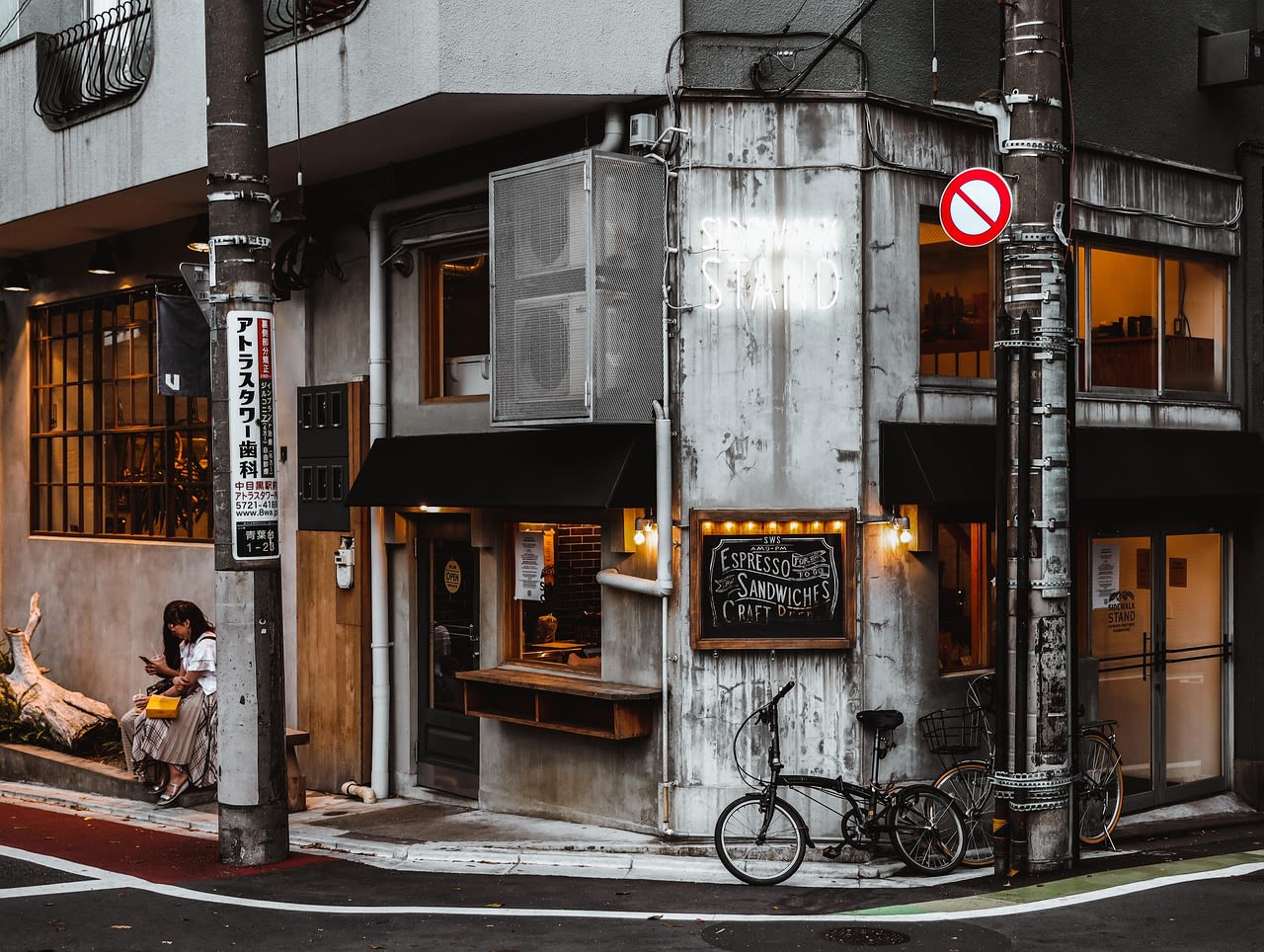
Japan's efficiency is built on a deep, complex social code. As a tourist, you're gracefully insulated from it. As someone trying to live, you'll hit it daily. English proficiency, outside major tourist hubs and specific business settings, is low. Daily tasks—setting up utilities, visiting a clinic, dealing with bureaucracy—require Japanese or a paid helper.
The social culture can be isolating. Japan has a strong distinction between uchi (inside, the inner circle) and soto (outside). Building genuine local friendships that break into the uchi takes significant time and cultural fluency. Many long-term expats report feeling in a "gaijin bubble," socializing mainly with other foreigners. For a nomad seeking connection, this can be lonely.
Work culture also seeps in. The expectation of conformity and the indirect communication style can be frustrating for entrepreneurs used to directness and rapid iteration. It's not insurmountable, but it's a constant, low-grade cognitive load.
Practical Alternatives: Where to Go for 6+ Months
So, if Japan is a complicated dream for a 6-month stint, where should you look? The OP asked for comparisons, and here are some top contenders that offer what Japan does well, but with more nomad-friendly frameworks.
Taiwan: Japan's Easier-Going Cousin
Think of Taiwan as having 80% of Japan's benefits with 50% of the hassles. Spotless, efficient MRT systems? Check. Incredible convenience store (7-Eleven, FamilyMart) culture? Check. Safe, modern cities? Absolutely. But Taiwan is more affordable, has a dedicated Employment Gold Card program that welcomes freelancers and remote workers, and the English-friendly environment in Taipei is far more extensive. The food is cheaper, apartments are easier to rent short-term, and the vibe is noticeably more relaxed. It's a fantastic first step into East Asian living.
South Korea: Digital Powerhouse with a New Visa

Seoul matches Tokyo's futuristic buzz and tech infrastructure. The internet might be faster. Coffee shops are more laptop-friendly. And crucially, South Korea launched a proper Digital Nomad Visa (D-10-3) in recent years, allowing stays of up to two years for remote workers meeting an income threshold. It's a game-changer. While Korean has its own learning curve, the expat communities in Itaewon and Hongdae are vibrant, and the cost of living, while not cheap, is generally below Tokyo's.
Portugal: The European Champion for Nomads
If your love for Japan is about safety and order, look to Portugal. It's the peace-of-mind capital of Europe. The D7 Passive Income/Digital Nomad Visa is one of the most accessible in the EU, leading to residency. Lisbon and Porto have thriving nomad hubs, coworking is excellent, and the pace of life is manageable. You trade bullet trains for charming trams and onigiri for pastéis de nata. The weather is better, and you get easy Schengen-area access. The bureaucracy can be slow, but it's navigable.
Making Japan Work: A Tactical Guide for the Determined
Maybe you're still set on Japan. I get it. The call is powerful. If that's you, here's how to mitigate the pain points, based on hard-won experience from the nomad community.
First, get your visa ducks in a row. If you're eligible for a Working Holiday Visa, it's your golden ticket. If not, explore the Specified Skilled Worker (SSW) categories or see if your freelance work can align with a Cultural Activities or Designated Activities visa sponsorship through a language school or agent. This path is complex and often requires professional help—consider using a service like a visa consultation specialist on Fiverr to navigate the initial paperwork.
Second, base yourself smartly. Skip the Tokyo premium for your first stint. Look at Fukuoka—it's warmer, cheaper, has a growing startup scene, and is closer to other Asian hubs. Or consider Osaka, which is generally seen as more open and affordable than Tokyo. Use sites like Sakura House or Leopalace for initial medium-term housing that doesn't require a guarantor.
Third, invest in language from day one. Even N5-level Japanese (basic phrases) will transform your experience. Use apps, but also budget for a few in-person lessons to practice real conversations. This isn't just practical; it's a sign of respect that opens doors.
Common Mistakes & Your Questions Answered
Mistake #1: Under-budgeting. Japan is not a Southeast Asian budget destination. Plan for at least $3,000-$4,000 USD per month for a comfortable, stable nomad life in a major city, including housing, coworking, health insurance, and a realistic food budget.
Mistake #2: Over-romanticizing. The Instagram Japan and the living Japan are different countries. Be prepared for small living spaces, a lot of rules, and moments of profound frustration.
Mistake #3: Not having a remote income plan. Japan is a terrible place to be financially unstable. Have clients or a job secured before you land. The local freelance market is tough to crack without fluent Japanese.
"Can I just use a tourist visa and work quietly?" Technically, no. Remote work while on a tourist waiver is a legal gray area. Immigration likely won't check your laptop, but if you're questioned at entry and admit you plan to work, you can be denied. It's a risk.
"What about smaller towns or the countryside?" This can be cheaper and more immersive, but it magnifies the language barrier and reduces access to international communities and coworking spaces. It's an advanced move.
The Verdict: Japan as a Chapter, Not a Base
The original poster's feeling is a valuable lesson for all digital nomads. Some places are perfect for a deep, 3-month immersion—a single, brilliant chapter in your travel story. Japan might be the best 3-month chapter in the world. The trains, the food, the sheer sensory experience are unbeatable for a quarter-year sprint.
But building a sustainable, 6-month to 2-year base camp requires different things: visa stability, manageable cost of living, social accessibility, and administrative ease. In 2026, countries like Taiwan, Portugal, and South Korea are simply engineered better for that phase of the nomad journey.
So, was going to Japan a mistake? Not if it taught you what you truly value in a home base. Use that clarity. Let the memory of those spotless trains and perfect konbini meals be the benchmark for efficiency, but let your next destination be chosen for its ability to let you build a life, not just admire one.
Your move. Will you chase the postcard, or build a home office that lasts?