

Remember that eerie feeling when you'd mention a product in conversation, only to see ads for it minutes later? Or when you'd install a 'free' app and immediately wonder what the real cost was? You're not paranoid—you're observant. And you're not alone.
That Reddit post from a while back captured something essential: the collective disbelief that we all just... accepted this. An 11-year-old could see where this was heading, yet somehow, as a society, we shrugged and scrolled. How did we get tricked into the largest, most pervasive surveillance system in human history, one we voluntarily carry in our pockets? More importantly, now that the AI training data gold rush has made our personal information more valuable than oil, what can we actually do about it?
This isn't just about ads anymore. It's about autonomy, power, and what it means to be human in 2026. Let's unpack how this happened and, crucially, how we can start pushing back.
The Bait and Switch: From Convenience to Control
It started so innocently. Remember the early 2010s? Smartphones were magical. Social media connected you with friends. Search engines gave you answers instantly. The price? Just a little data. It seemed like a fair trade. 'Personalized experiences' sounded helpful, not creepy.
But the goalposts moved. Slowly. Incrementally. What began as tracking your clicks to show you a relevant shoe ad evolved into monitoring your location 24/7, analyzing your voice recordings 'to improve services,' and building psychological profiles based on your private messages. The companies didn't announce this shift with a press release. They buried it in 50-page Terms of Service agreements nobody reads and enabled features by default, knowing most people wouldn't dig through settings menus.
The real genius—or insidiousness—was in the framing. It was never 'surveillance.' It was 'features.' Your phone listening to you? That's 'Voice Assistant readiness.' Constant location tracking? That's for 'better traffic predictions.' The language sanitized the reality. We weren't being watched; we were being 'helped.' This linguistic sleight of hand made critique sound like ingratitude. Who complains about convenience?
Why Did We Accept It? The Psychology of the Trade-Off
The Reddit OP hits on a key frustration: "no one seemed to care until recently." But is that true? I think people did care, on some level. They just felt powerless. The psychological barriers were immense.
First, there's the diffusion of responsibility. When everyone is doing something, it starts to feel normal. If all your friends are on Instagram, sharing their lives, opting out feels like social suicide. The fear of missing out (FOMO) is a powerful tool against privacy concerns.
Second, and more cynically, the value exchange was deliberately obscured. You're not giving up $10 a month. You're giving up abstract 'data.' It's hard to value something you can't see or hold. The immediate benefit (a funny video, a message from a friend) is concrete. The long-term cost (a permanent digital dossier used to manipulate you) feels distant and hypothetical.
Finally, there was a profound lack of alternatives. Want to message friends? Your choices were WhatsApp, Facebook Messenger, or iMessage—all from data-hungry giants. Need a smartphone? iOS or Android. This wasn't a free market of privacy-respecting options; it was a duopoly (or oligopoly) built on the same extractive business model. Opting out meant opting out of modern life.
The AI Tipping Point: When Your Data Became Their Product
The commenters on that original thread were right to pinpoint AI as a wake-up call. For years, we could tell ourselves, "It's just for ads. Annoying, but harmless." The AI revolution of the mid-2020s shattered that illusion.
Suddenly, every conversation, every piece of writing, every photo you ever uploaded became potential training fodder for large language models and image generators. Your creative thoughts, your personal struggles, your unique turns of phrase—all grist for the corporate AI mill. The data wasn't just for targeting ads; it was for building synthetic minds, often without your consent or compensation.
This created a tangible sense of violation. It's one thing for an algorithm to guess you might like a new brand of coffee. It's another to discover that years of your personal blog posts have been ingested to help a chatbot mimic human writing. The scale and purpose of the harvesting changed, and with it, public perception finally began to shift. The 'product' was no longer just your attention—it was your very humanity, digitized and replicated.
Beyond the Phone: The Internet of Things and Ambient Surveillance
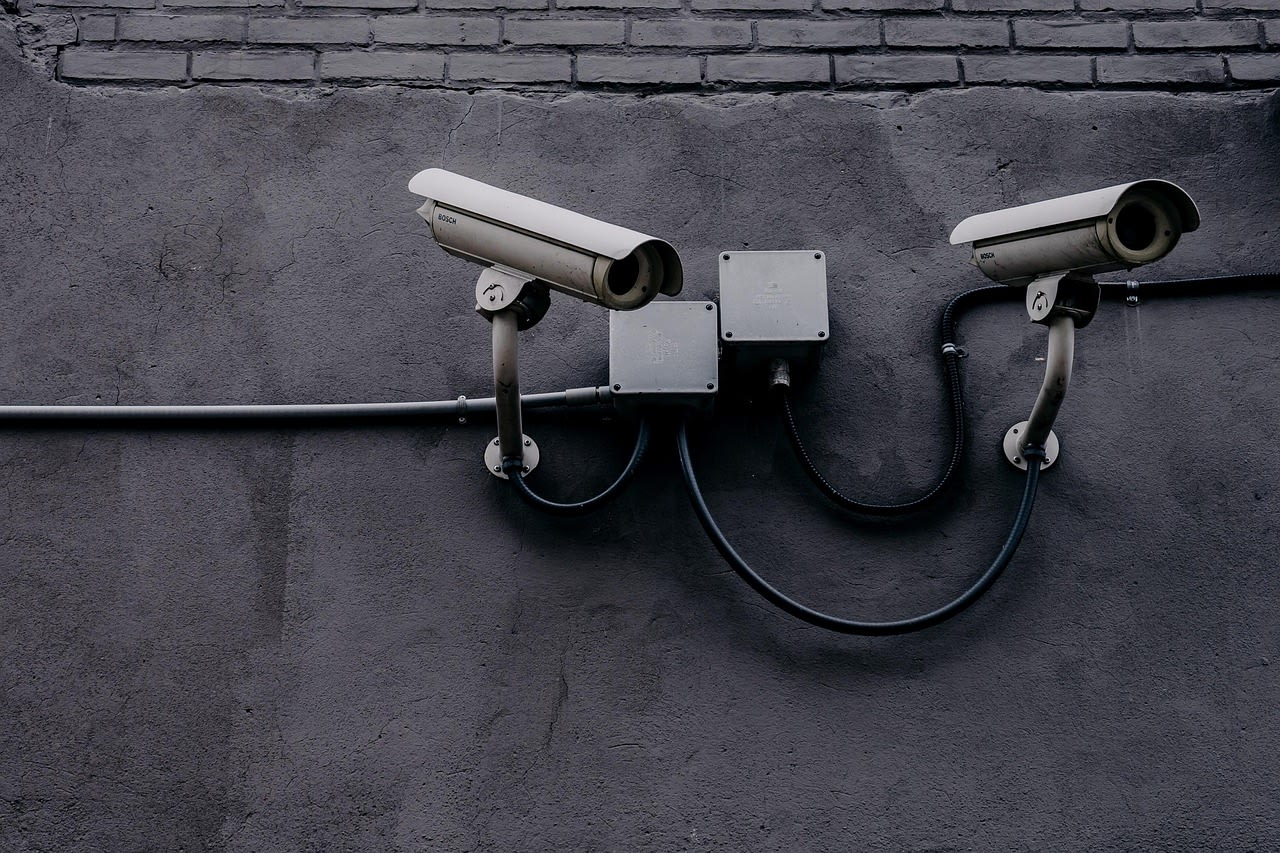
Let's talk about the "perhaps even watching idk" part of the original post. That suspicion is valid. The surveillance ecosystem expanded far beyond our phones and laptops.
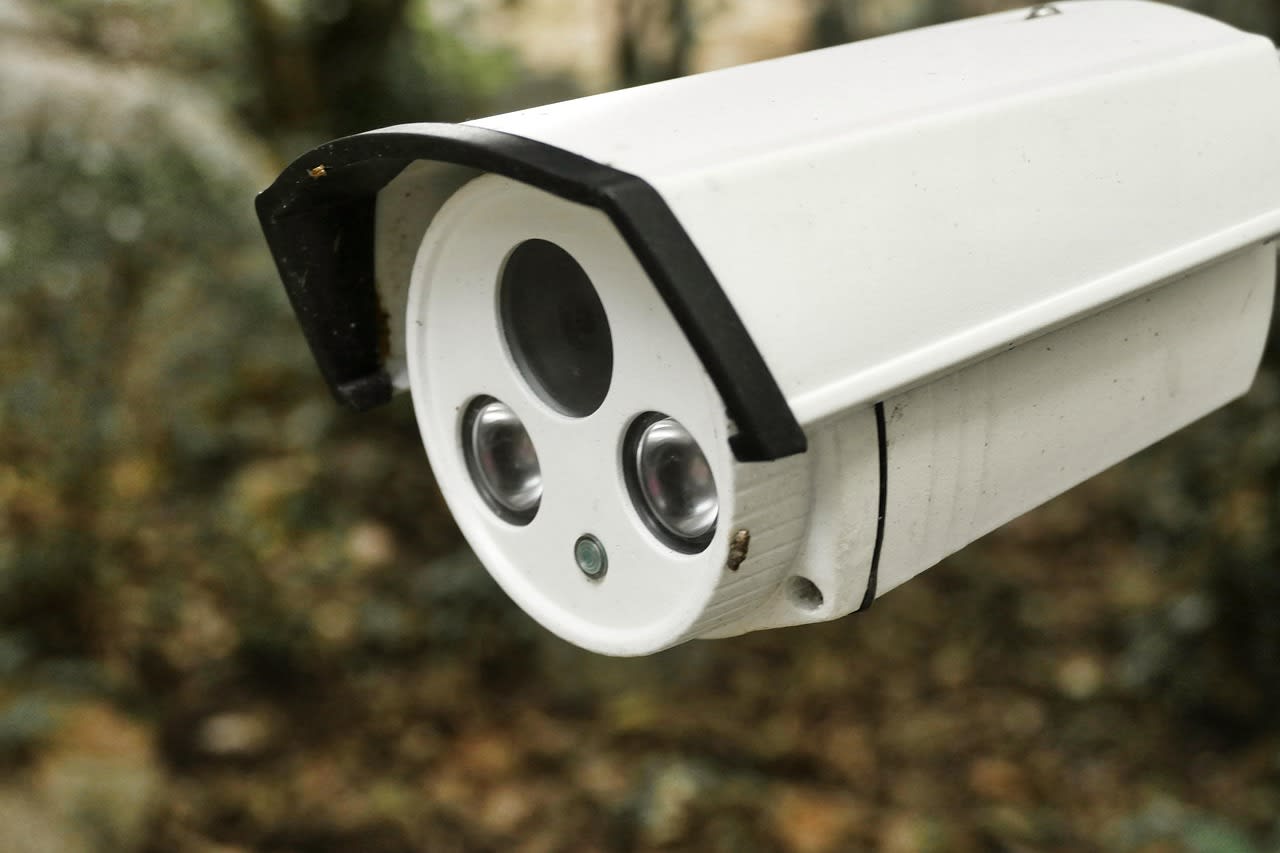
Smart TVs with built-in cameras and microphones? Check. Voice-activated speakers in every room? Check. Ring doorbells that map neighborhood foot traffic? Check. Fitness trackers that monitor your heart rate, sleep, and location? Check. We invited listening devices into our bedrooms and watching devices onto our front doors, often paying a premium for the privilege.
This creates ambient surveillance—a constant, low-level data collection from your environment. It's no longer about what you do online; it's about how you live in your own home. The data points are incredibly intimate: when you argue with your partner (raised voices detected), when you're sick (unusual sleep patterns), when you have guests (multiple voice signatures). This data mosaic is far more revealing than any single social media profile.
Reclaiming Ground: Practical Steps for 2026 (It's Not Hopeless)
Okay, enough doom-scrolling. The point of recognizing the trap isn't to despair—it's to find the exits. You can't eliminate all tracking in 2026, but you can dramatically reduce your footprint and increase your control. Here’s where to start, moving from easiest to more advanced.
The Low-Hanging Fruit: Quick Wins
Start with your phone. Go into the settings for every single app and disable unnecessary permissions. Does a weather app really need access to your contacts? Does a note-taking app need your location? Almost certainly not. Turn off ad personalization IDs on both iOS and Android. This doesn't stop ads, but it breaks the link between the ad and your specific profile.
Next, audit your browser. Ditch Chrome for more privacy-focused options like Firefox or Brave. Install essential extensions: uBlock Origin for ads, Privacy Badger for trackers, and ClearURLs to clean tracking parameters from links. This takes 20 minutes and cuts off a huge amount of passive data leakage.
Leveling Up: Changing Your Habits
This is about seeking alternatives. Instead of Google Search, try DuckDuckGo or Startpage. Replace WhatsApp with Signal for messaging (it's end-to-end encrypted by default and collects minimal metadata). Consider using a privacy-focused email service like Proton Mail or Tutanota.
For social media, the answer isn't always deletion (though that's powerful). It can be alteration. Use social media in a dedicated browser, never the app. Don't give it access to your contacts. Be mindful of what you share. Assume everything is public and permanent. For more radical control, tools like can help you automate the download and deletion of your own data from these platforms, giving you a backup before you close an account.
The Advanced Guard: Infrastructure Changes
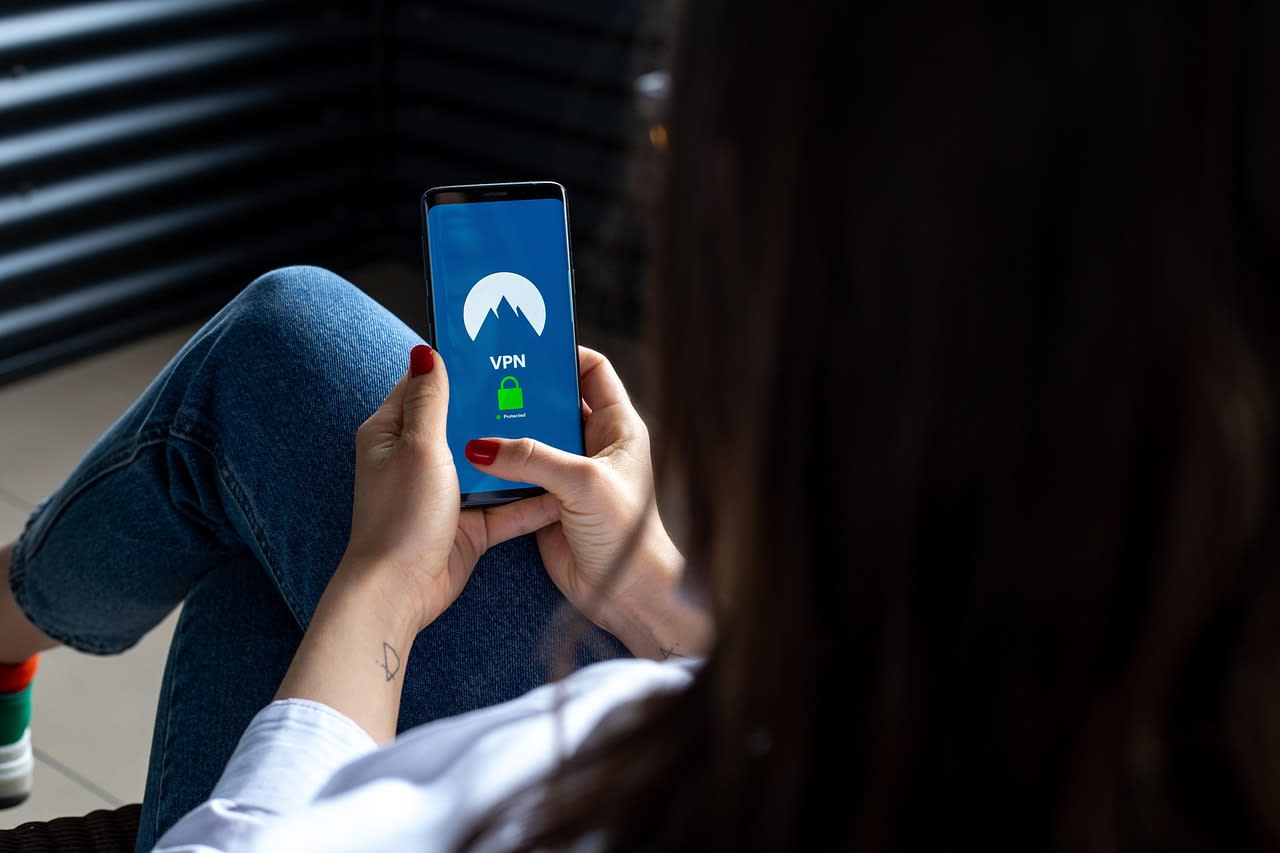
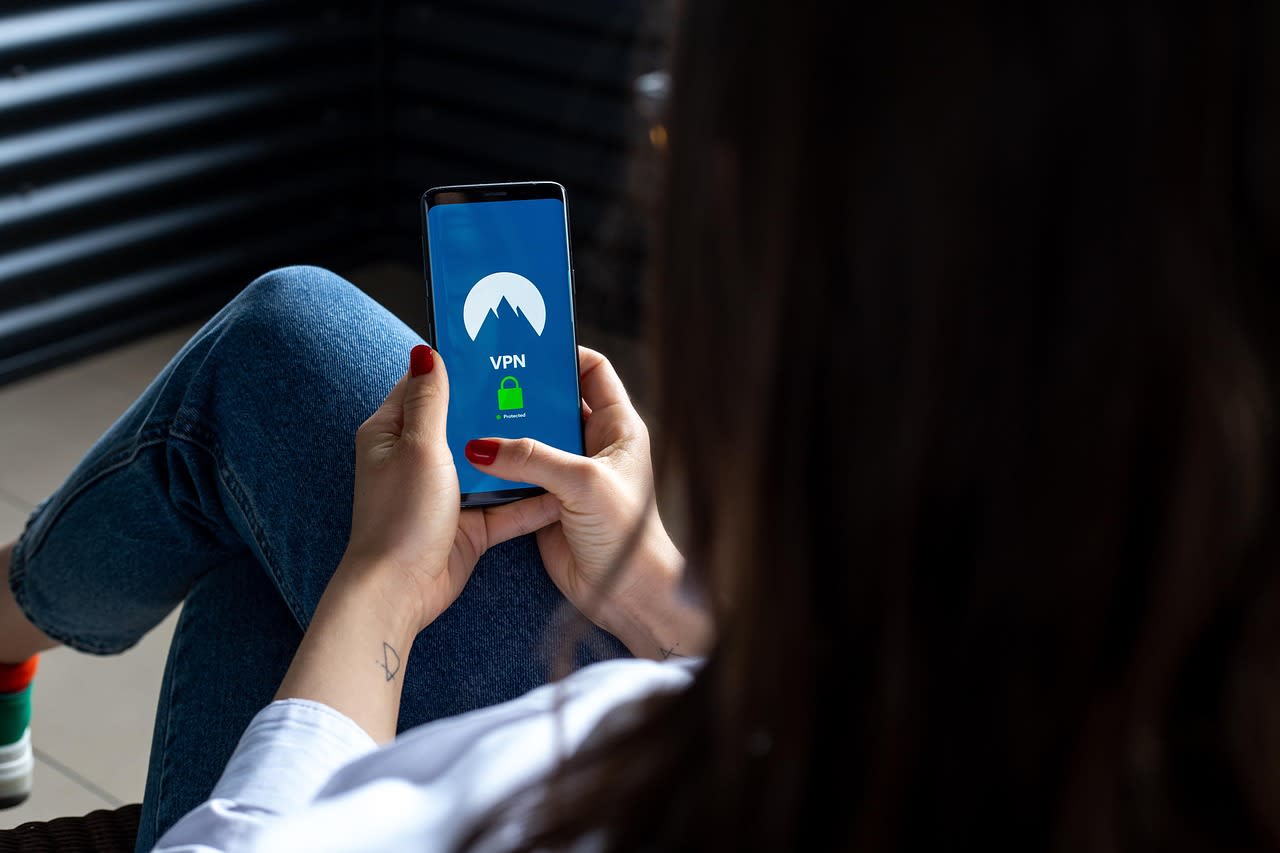
This is where you protect your entire internet connection. Use a reputable VPN (Virtual Private Network) to encrypt your traffic and mask your IP address from your ISP and the sites you visit. It's not a magic invisibility cloak, but it's a critical layer of defense, especially on public Wi-Fi.
Think about your router. The default one from your ISP is likely reporting on your network activity. Flashing it with open-source firmware like DD-WRT or using a privacy-focused router like those from InvizBox or Gl.inet can give you far more control. For the truly dedicated, look into self-hosted solutions for cloud storage (Nextcloud), calendars, and contacts, so your data stays on hardware you own.
Common Mistakes and Misconceptions
Let's clear some things up. I see these errors all the time, even with people who are trying.
Mistake #1: "Incognito mode makes me private." Nope. Incognito or Private Browsing only stops your browser from saving your history and cookies locally. It does nothing to hide your activity from your ISP, your employer, or the website you're visiting. It's a privacy feature for your local device, not anonymity for the web.
Mistake #2: "I have nothing to hide." This misunderstands the problem. Privacy isn't about hiding wrongdoing; it's about maintaining autonomy and preventing manipulation. It's the difference between having curtains on your windows and living in a glass house. Everyone has something they'd prefer to keep to themselves, whether it's medical information, financial details, or just the ability to explore ideas without being profiled.
Mistake #3: Going it alone and burning out. Privacy can feel overwhelming. You don't need to do everything at once. Pick one area (e.g., your messaging apps) and secure it. Then move to the next. If a task like configuring a complex firewall is beyond you, it's okay to hire a knowledgeable professional on Fiverr to set it up correctly. The goal is progress, not perfection.
Where Do We Go From Here? Beyond Individual Action
Individual steps are crucial, but they're a holding action. The real solution requires collective pressure. Support organizations like the Electronic Frontier Foundation (EFF) that fight for digital rights. Demand stronger legislation from your representatives—laws that enforce data minimization, require explicit opt-in consent, and establish true ownership over your digital footprint.
Talk about it. Normalize privacy. When a friend mentions a creepy ad, explain how it likely happened. Share the simpler tools. The goal isn't to make everyone a cybersecurity expert; it's to create a cultural expectation of respect for personal data. The more people who demand it, the harder it is for companies to ignore.
The original poster's feeling of insanity is valid. We were sold a future of connection and convenience, and we got a panopticon instead. But that feeling is also the first step toward change. You've noticed the trick. Now you can start to untangle it. Start small, be consistent, and remember: in 2026, your attention and your data are your most valuable assets. It's time to start treating them that way.