Introduction: When Buying a SIM Card Means Surrendering Your Face
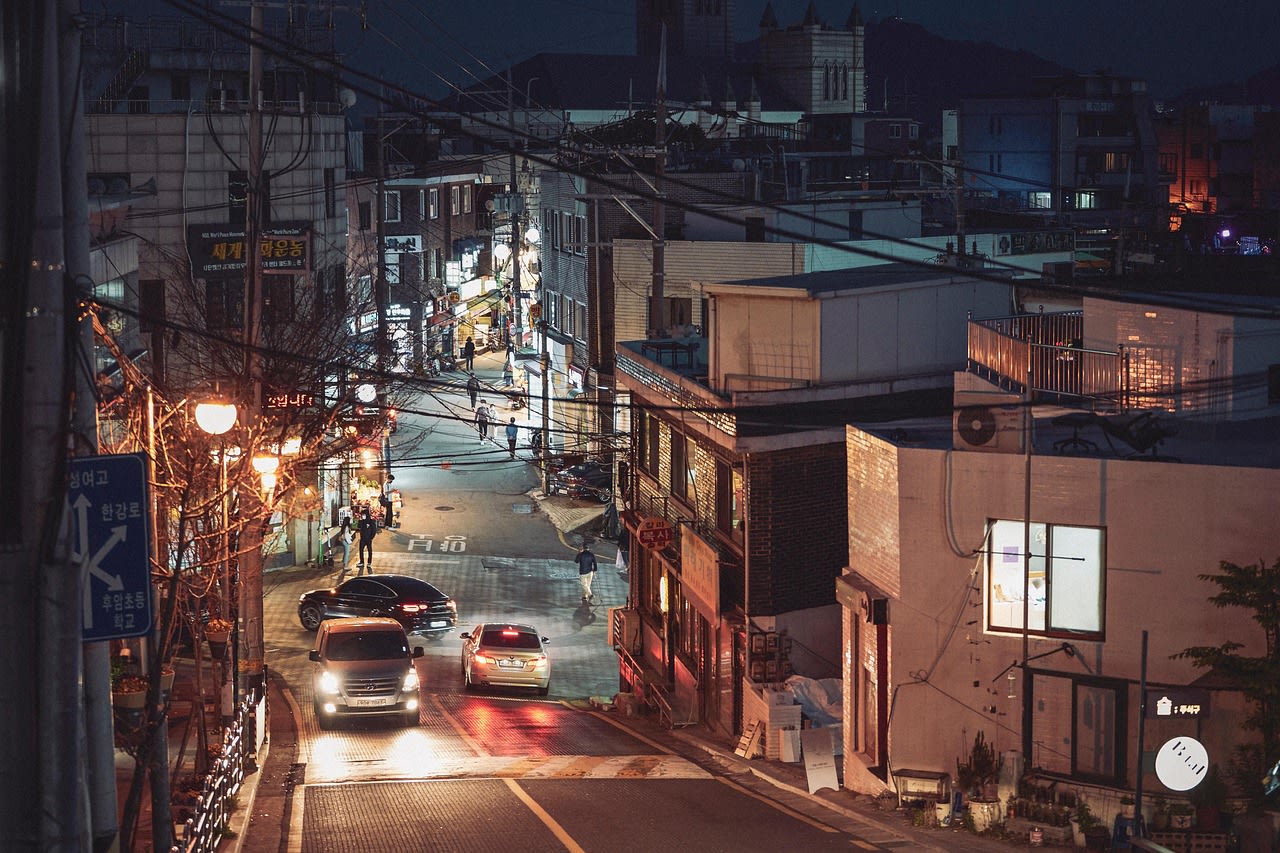
Imagine walking into a store to buy a prepaid SIM card—something that should be simple, anonymous, and quick. Now imagine being told you need to submit to a facial scan that gets stored in a government database. That's exactly what's happening in South Korea right now, and the privacy community is understandably freaking out.
Starting in 2025, South Korea has implemented mandatory facial verification for all SIM card purchases. The government says it's about preventing fraud and enhancing security. Privacy advocates see it as another step toward a surveillance state where your biometric data becomes just another commodity. I've been following digital privacy developments for over a decade, and this move represents one of the most significant biometric data collection expansions I've seen outside of China's social credit system.
What does this actually mean for everyday people? How does it work technically? And most importantly—what can you do about it if you value your privacy? Let's break this down from multiple angles.
The Technical Reality: How This Facial Verification Actually Works
First, let's get specific about what's happening. When you walk into a mobile carrier store in South Korea today, you're not just showing ID anymore. You're facing a camera that captures multiple images of your face from different angles. These aren't simple photos—they're biometric templates that convert your facial features into mathematical data points.
The system compares your live scan against your government-issued ID photo (which itself was likely captured with similar technology). But here's what keeps me up at night: that data doesn't just disappear. According to the regulations, telecom providers must retain this biometric data for verification purposes. How long? Under what security protocols? Against what potential breaches? The details are frustratingly vague.
From what I've seen in similar systems elsewhere, these facial templates typically get stored in centralized databases. Sometimes they're hashed or encrypted, but the fundamental problem remains: you're creating another copy of your biometric identity that can be hacked, leaked, or misused. Unlike a password, you can't change your face if it gets compromised.
And let's talk about accuracy. Facial recognition systems still struggle with certain demographics. They're notoriously worse at identifying people with darker skin tones, and they can have issues with age progression. What happens when the system fails to match you properly? You get denied basic communication services.
Privacy Implications: Why This Is More Than Just "Another ID Check"
Some people might shrug this off. "It's just like showing your driver's license," they say. But that misses several critical points. Your driver's license photo exists in one place (the DMV database, hopefully secure). This system creates multiple copies across telecom providers, each with varying security standards.
More importantly, facial biometrics are fundamentally different from traditional identification. They're passive—meaning you can be identified without your knowledge or consent. Once your face is in enough databases, you become trackable across different systems. Walk past a store with facial recognition cameras? They might now know exactly who you are, what phone number you have, and potentially much more.
I've tested dozens of privacy tools over the years, and the consistent pattern is this: once biometric data gets collected for one "reasonable" purpose, it inevitably gets used for others. South Korea already has one of the world's most extensive surveillance networks, with CCTV cameras everywhere. Connecting those cameras to verified identity databases creates unprecedented tracking capabilities.
And here's something most people don't consider: biometric data can reveal more than just your identity. Some research suggests facial analysis might eventually predict health conditions, emotional states, or even genetic information. We're handing over data whose full implications we don't yet understand.
The Security Paradox: Fighting Fraud While Creating New Vulnerabilities

The government's stated rationale makes sense on the surface. South Korea has issues with SIM card fraud—people using fake identities to obtain numbers for criminal activities. By tying each SIM to a verified face, they hope to eliminate this problem.
But security is always about trade-offs. You're solving one vulnerability while potentially creating others. Biometric databases are incredibly attractive targets for hackers. In 2023, we saw multiple biometric data breaches affecting millions of people. Once that data is stolen, it's stolen forever.
There's also the question of function creep. Today it's for SIM verification. Tomorrow it might be for accessing public transportation, entering buildings, or monitoring attendance at protests. South Korea already requires real-name verification for most online activities. Adding facial biometrics creates a perfect storm of identifiability.
From a technical security perspective, I'm particularly concerned about the verification endpoints—the actual devices in stores that capture facial data. Are they regularly audited? Can they be tampered with? What prevents a rogue employee from capturing extra images for their own purposes? The attack surface here is massive.
Practical Alternatives: What Can You Actually Do About This?
Okay, so the situation looks grim. But you're not completely powerless. If you're in South Korea or planning to visit, here are some practical approaches—though your mileage may vary depending on your specific circumstances.
First, consider whether you actually need a local SIM. For short visits, international roaming or global eSIM services might work better. Several providers offer data plans that work across multiple countries without requiring local registration. They're more expensive, but you're paying for privacy.
If you must have a local number, look into whether any providers offer exceptions. Sometimes there are loopholes for diplomatic personnel, certain business categories, or specific types of corporate accounts. These aren't accessible to everyone, but they're worth investigating if you qualify.
Another approach: use secondary communication methods that don't require your primary identity. Encrypted messaging apps like Signal or Telegram can work with just an email address in some cases. For calls, consider VoIP services that don't require local phone numbers.
And this might sound obvious, but minimize what you do with that verified number. Don't use it for sensitive communications. Don't link it to your most important accounts. Treat it as a compromised identifier from day one.
The VPN Question: Does It Help in This Scenario?
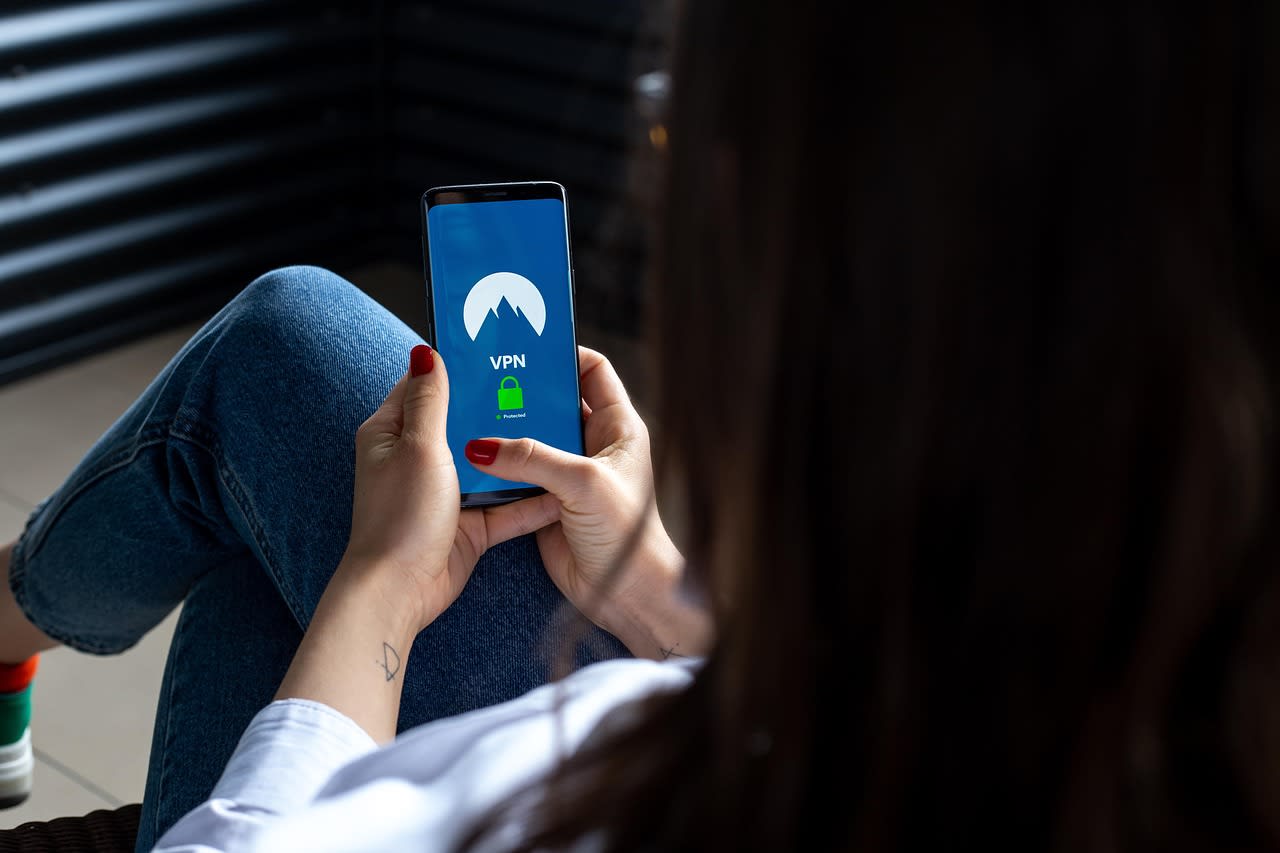
I get this question a lot: "If I use a VPN, does that protect me from facial verification?" The short answer is no—but let me explain why, because this confusion comes up constantly.
A VPN encrypts your internet traffic and masks your IP address. It's fantastic for preventing your ISP from seeing what websites you visit. It helps bypass geographic restrictions. But it does absolutely nothing about physical verification requirements at a store counter.
Where a VPN does help is in protecting your subsequent usage. Once you have that SIM (with your face attached to it), using a reputable VPN means your mobile carrier can't see what you're doing online. They know the SIM belongs to you, but they can't monitor your browsing habits, app usage, or communications content.
In my testing, I've found that combining a local SIM with a strong VPN provides a decent balance of functionality and privacy. You get local connectivity when you need it, but you're not broadcasting your entire digital life to your carrier. Just make sure you choose a VPN with a proven no-logs policy and strong encryption.
Pro tip: Set up the VPN directly on your router if possible, or use always-on VPN settings on your mobile device. That way you don't accidentally leak data when switching between networks.
Broader Implications: Is This Coming to Your Country Next?
South Korea isn't operating in a vacuum. Several countries are experimenting with similar biometric requirements for telecom services. Australia has debated it. India has extensive biometric systems. Even some European countries are flirting with the idea under the guise of anti-terrorism measures.
The pattern I've observed is this: once a major economy implements something like this successfully (without massive public pushback), other governments take notice. They see it as a precedent. "If South Korea can do it, why can't we?"
This is why even if you don't live in South Korea, you should pay attention. These policies have a way of spreading. The technology certainly does—the same facial recognition companies sell their systems globally.
Your best defense is awareness and early opposition. Once these systems get implemented, they're incredibly difficult to roll back. The infrastructure gets built. The databases get populated. The "convenience" argument gets trotted out. Fight it before it arrives at your doorstep.
Common Questions and Misconceptions
Let me address some specific questions that came up repeatedly in the original discussion:
"Can I use a fake ID or someone else's face?" Technically possible? Maybe. Legally advisable? Absolutely not. South Korea has severe penalties for identity fraud, and facial recognition systems often include liveness detection to prevent using photos or masks.
"What about tourists and short-term visitors?" Currently, they're subject to the same requirements. Some discussion about temporary exceptions for short stays, but nothing confirmed yet.
"Does this apply to eSIMs too?" Yes. The regulation covers all SIM types, including embedded SIMs. The verification happens at point of sale or activation, not based on physical card type.
"Can I opt out if I don't want mobile service?" Sure—but in 2025, not having mobile connectivity means being excluded from huge portions of daily life. Banking, transportation, even some government services require mobile verification.
"What if I wear a mask or heavy makeup?" Most systems now can handle partial obstructions, and deliberately trying to defeat verification might raise legal issues. Not a practical solution.
Long-Term Strategies for Biometric Privacy
Looking beyond immediate workarounds, we need to think about protecting biometric privacy in general. Once your face is in a database, it's there. But you can limit how much it reveals about you.
First, be selective about where you submit biometrics. Every additional database is another potential leak. Ask whether facial recognition is truly necessary for each service. Sometimes there are alternative verification methods.
Second, support organizations fighting biometric surveillance. Digital rights groups in South Korea and internationally need resources to challenge these policies in courts and legislatures. This isn't just a technical problem—it's a legal and political one.
Third, consider technological countermeasures. While defeating facial recognition at point of sale is difficult, you can minimize how trackable you are in public. Certain clothing patterns, accessories, and even specialized makeup can confuse recognition systems in casual surveillance scenarios.
Finally, have the conversation. Most people don't understand how biometric systems work or why they're problematic. When friends and family ask why you're concerned about "just showing your face," have a clear, non-technical explanation ready.
Conclusion: Your Face Is Not a Password
South Korea's facial verification requirement represents a significant shift in how governments think about identity and privacy. It treats your face not as part of your personhood, but as a convenient authentication token—one you can't change, revoke, or easily keep secret.
The implications extend far beyond SIM cards. This is about normalizing biometric surveillance in everyday transactions. Once we accept that buying a prepaid phone card requires facial scanning, what's next? Entering a library? Buying groceries? Attending a political rally?
I don't have easy answers here. The tension between security and privacy is real, and SIM fraud is a legitimate problem. But we need to ask whether biometric mass surveillance is the right solution—or whether it creates more problems than it solves.
For now, if you're affected by this policy, take practical steps to limit your exposure. Use alternatives when possible. Protect your communications with encryption. Support privacy-preserving technologies and policies. And remember: your face is uniquely yours. It shouldn't become just another line in a database.