
Introduction: When Protection Collides with Privacy
Let's be honest—most of us have that moment of panic when we think about what our kids might encounter online. But what happens when a government decides to step in and make that decision for everyone? That's exactly what Slovenia is attempting with its proposed legislation to ban social media access for anyone under 15. The announcement in February 2026 sent shockwaves through privacy communities, and the reaction on platforms like Reddit's r/privacy has been... let's call it passionate.
On one side, you've got parents who are genuinely terrified about what social media algorithms are doing to their children's mental health. On the other, you've got privacy advocates who see this as a massive overreach that could normalize surveillance and age verification systems that compromise everyone's digital rights. And caught in the middle? The kids themselves, who might just find creative ways around the restrictions anyway.
In this deep dive, we're going to unpack what Slovenia's proposed ban actually means—not just for Slovenian families, but for the broader conversation about privacy, age verification, and whether top-down restrictions can ever truly work in a decentralized digital world. We'll look at the technical realities, the privacy trade-offs, and what you can actually do to protect young people online without handing over everyone's personal data to verification systems.
The Slovenia Proposal: What's Actually Being Planned?
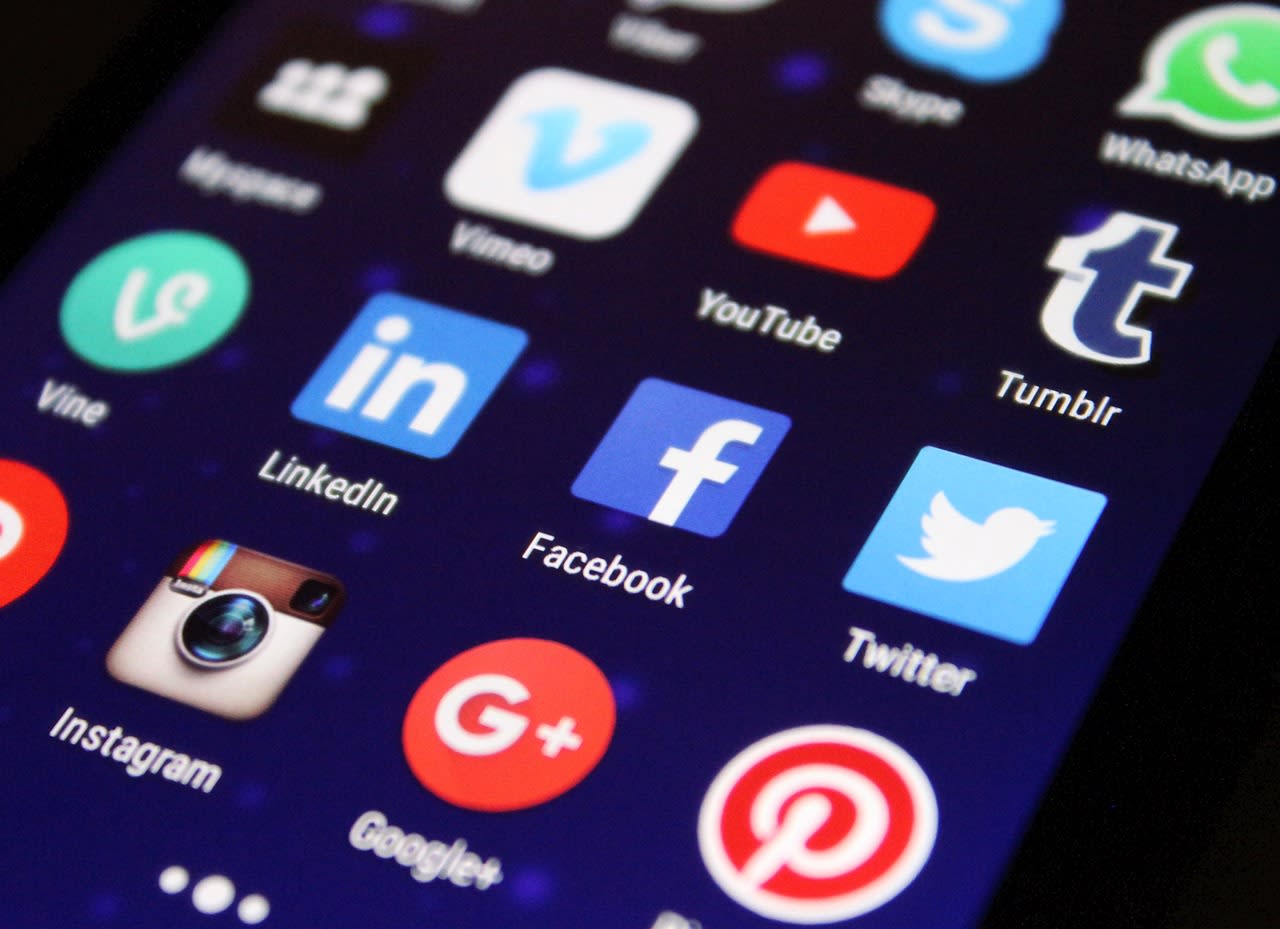
First things first—let's get specific about what Slovenia's government is actually proposing. According to the Reuters report that sparked the discussion, the legislation would prohibit social media platforms from providing access to users under 15 years old. That's a pretty broad net that would catch everything from TikTok and Instagram to gaming platforms with social features and even some messaging apps.
But here's where it gets interesting: the enforcement mechanism. The proposal suggests using age verification systems that would require users to prove their age through government-issued identification or other official documents. And that's the part that has privacy advocates reaching for their encrypted messaging apps.
One Reddit commenter put it bluntly: "This isn't about protecting kids—it's about creating a precedent for mandatory digital ID verification for everyone." Another pointed out the irony: "So to protect children from data collection, we're going to... collect everyone's data?"
The Slovenian government's stated rationale focuses on mental health protection, citing studies about social media's impact on adolescent development. They're not alone in this concern—several European countries have been flirting with similar ideas. But Slovenia appears to be taking the most aggressive stance so far, positioning itself as a test case for whether such bans can actually work in practice.
The Privacy Paradox: Protection vs. Surveillance
This is where the conversation gets really messy. Everyone wants to protect children online—that's not controversial. The question is how you do it without creating systems that undermine privacy for everyone.
Age verification systems typically work in one of a few ways: they might require uploading government ID, use facial age estimation algorithms, or rely on third-party verification services. Each approach comes with significant privacy implications. Government ID verification creates centralized databases of who's accessing what content. Facial analysis requires biometric data processing. Third-party services become new honeypots for personal information.
On r/privacy, users raised specific concerns about function creep. "Today it's social media for under-15s," one comment noted. "Tomorrow it's news sites for under-18s. Then it's political content for everyone." It's a valid concern—once you establish the infrastructure for age-gating content, what prevents expanding its use?
There's also the data security question. We've seen time and again that even well-intentioned systems get breached. Do we really want to create new databases linking children's identities to their online activities? As one particularly cynical commenter observed: "Because nothing says 'protecting children' like creating a target-rich environment for identity thieves."
The Technical Reality: Can You Actually Enforce This?

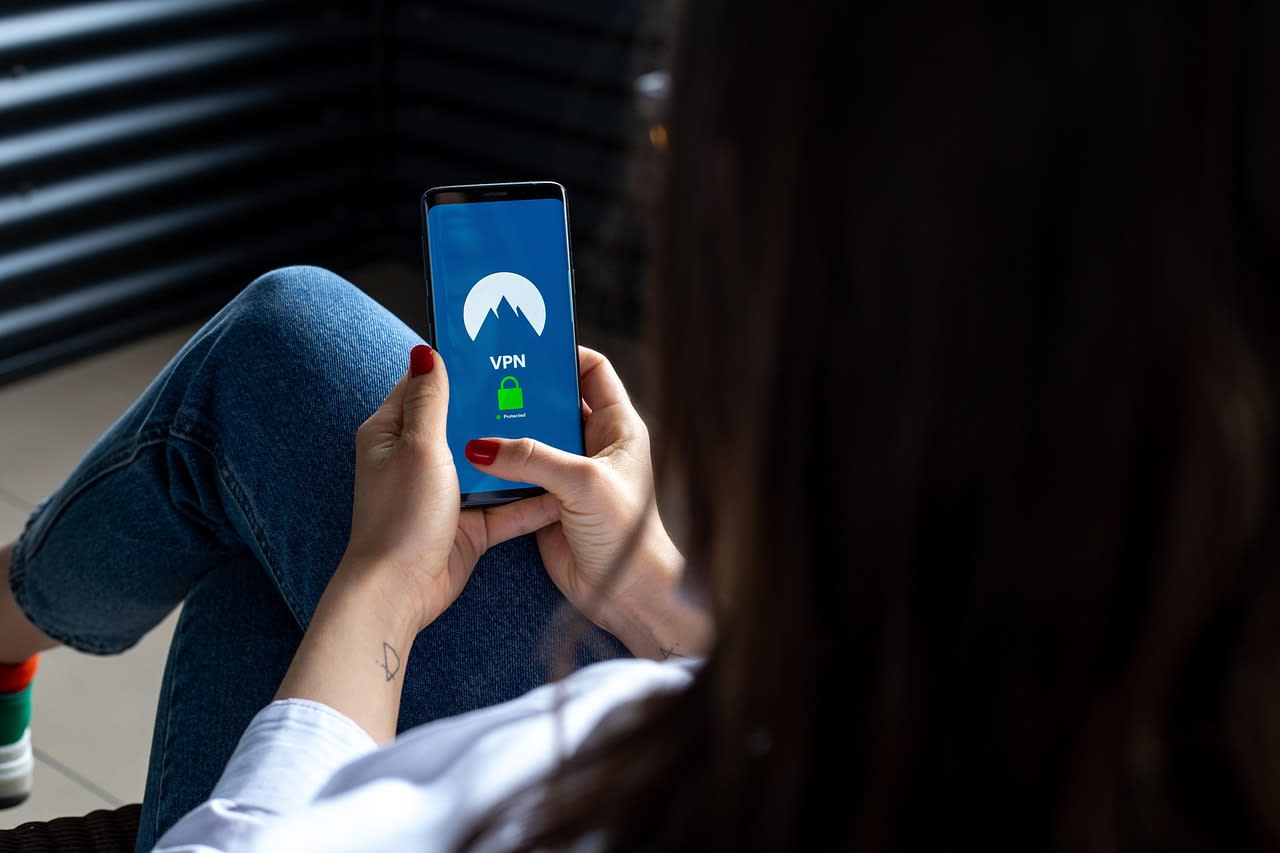
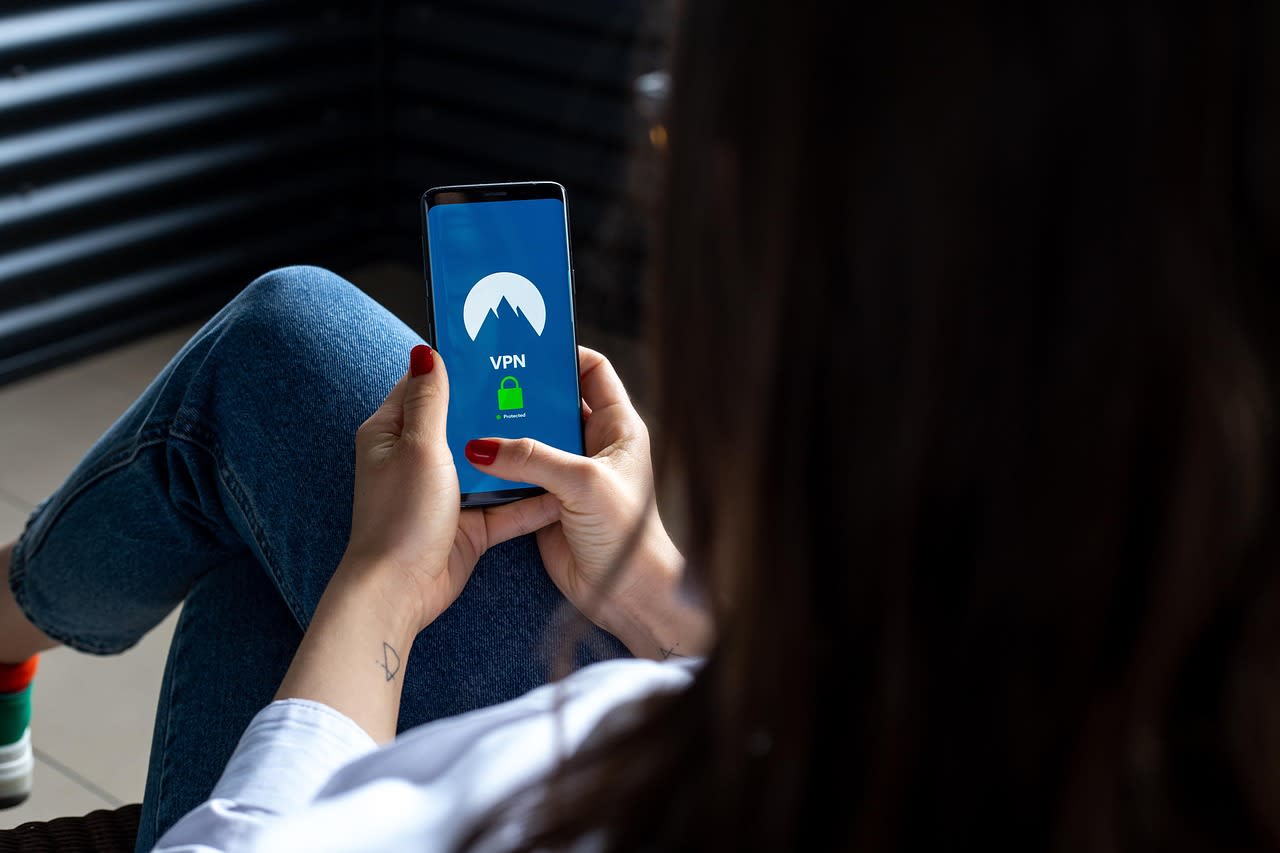
Here's the thing about internet restrictions: they're notoriously difficult to enforce consistently. The Reddit discussion was full of people pointing out the obvious workarounds. VPNs, obviously. But also borrowed accounts, alternative platforms, and the simple reality that determined teenagers have been circumventing online restrictions since the dial-up era.
One user shared their experience from when similar restrictions were attempted elsewhere: "My nephew in [another country with restrictions] just uses his older cousin's account. The platforms can't tell, and the parents pretend not to notice."
This creates what I call the "compliance asymmetry" problem. Law-abiding families and mainstream platforms will follow the rules, creating a two-tier system where some kids have restricted access while others bypass it entirely. The kids who need protection most—those without tech-savvy parents to guide them—might be the only ones actually restricted.
There's also the platform enforcement question. Will Meta, ByteDance, and other social media companies actually implement robust age verification for one country of two million people? Or will they do the minimum required while focusing their efforts on markets without such restrictions?
The VPN Question: Privacy Tool or Ban Evasion?
This is where our discussion naturally turns to VPNs—and the ethical questions surrounding their use by minors. In the r/privacy thread, several users immediately suggested VPNs as the obvious solution for Slovenian families who disagree with the ban. But is that responsible advice?
From a pure privacy perspective, VPNs offer legitimate benefits for everyone, including children. They encrypt traffic, hide IP addresses, and provide some protection from tracking. But when used specifically to circumvent age-based restrictions, they enter a moral gray area.
I've tested dozens of VPN services over the years, and here's what I've found: the best ones for family use offer granular controls. You can set them up to always be on for privacy protection, but still allow for parental oversight. Services like ProtonVPN and Mullvad have gotten particularly good at balancing these needs.
But—and this is important—using a VPN to bypass age restrictions might violate platform terms of service. It could also create a false sense of security. A VPN protects your traffic from your ISP and some trackers, but it doesn't make social media platforms suddenly safe for young children. The content and algorithms remain the same.
Alternative Approaches: What Actually Works?
If top-down bans create privacy problems and enforcement nightmares, what alternatives exist? The Reddit discussion surfaced several interesting ideas that deserve more attention.
First, there's the education approach. Several commenters pointed out that digital literacy education—teaching kids how to navigate social media critically—might be more effective than outright bans. One teacher shared: "I've seen 14-year-olds who can spot misinformation better than their parents. It's about education, not restriction."
Then there's the platform design approach. Instead of keeping kids off platforms entirely, could we mandate safer designs for younger users? Think chronological feeds instead of algorithmic ones, limited data collection for under-18 accounts, and default privacy settings that actually protect users.
Some European countries are experimenting with "verify but don't store" systems where age is confirmed without retaining identifying information. These aren't perfect, but they represent a middle ground that might address both protection and privacy concerns.
Practical Steps for Parents (That Don't Require Government ID)
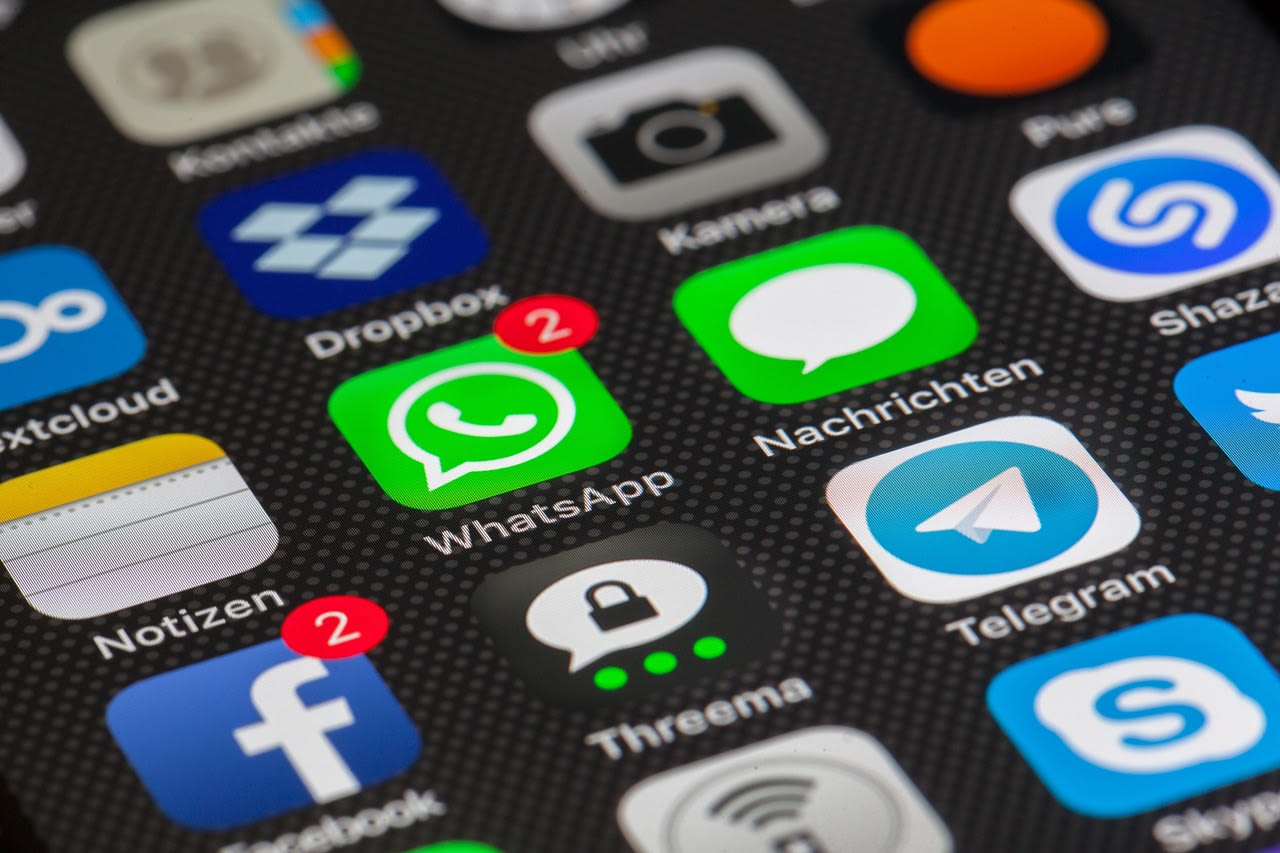
Let's get practical. If you're a parent concerned about social media but wary of surveillance solutions, what can you actually do? Based on both the Reddit discussion and my own experience working in privacy tech, here are some approaches that don't involve handing over your child's passport to a verification service.
First, consider device-level controls rather than platform-level restrictions. Apple's Screen Time and Android's Digital Wellbeing let you set reasonable limits without invasive verification. They're not perfect—determined kids can sometimes bypass them—but they strike a better balance between oversight and privacy.
Second, have the actual conversations. I know, I know—every parenting article says this. But in the privacy context, it's particularly important. Explain why you're concerned about data collection. Discuss how algorithms work. Make it about empowerment rather than restriction.
Third, explore alternative platforms together. There are social networks designed with privacy in mind from the ground up. They might not have the same network effects as Instagram, but they often foster healthier interactions. It's like choosing a local farmers market over a massive supermarket—the experience is different, and sometimes better.
The Global Implications: Is This Coming to Your Country?
Slovenia's proposal isn't happening in a vacuum. Several countries are watching closely, and the outcome could influence policy far beyond Slovenia's borders. The Reddit discussion included users from the US, Canada, Australia, and across Europe all wondering: "Could this happen here?"
The answer depends on your country's approach to digital rights. In the EU, there's already tension between the Digital Services Act's age verification provisions and the GDPR's privacy protections. Slovenia's experiment might force a resolution to that tension one way or another.
In the US, the situation is even more complicated. First Amendment concerns make outright bans unlikely, but age verification laws are spreading at the state level. The difference is that these typically focus on adult content rather than social media broadly.
What's clear is that 2026 is shaping up to be a pivotal year for these debates. Court challenges, technical implementations, and public pushback will all shape what comes next. As one particularly prescient Reddit comment noted: "This isn't the end of the conversation. It's the messy, complicated beginning."
Common Questions and Concerns (From the Actual Discussion)
Let's address some of the specific questions that came up repeatedly in the Reddit thread, because these are probably your questions too.
"Won't this just push kids to sketchier platforms?" Probably, yes. When mainstream platforms are restricted, users migrate to alternatives with fewer safeguards. We've seen this pattern with content moderation generally.
"What about kids who need social media for school or community?" This was a particularly insightful point. Some teenagers use social media for legitimate educational purposes, club coordination, or connecting with support communities. Blanket bans don't account for these nuanced uses.
"How will this affect LGBTQ+ youth in conservative households?" Several commenters raised this crucial point. For some teenagers, online communities provide vital support they can't access at home. Restricting that access could have real harm.
"Can't parents just decide this themselves?" That's the fundamental philosophical question, isn't it? Different families have different values, risk tolerances, and circumstances. One-size-fits-all solutions rarely account for this diversity.
Looking Ahead: The Future of Age Verification
Regardless of what happens with Slovenia's specific proposal, age verification technology is advancing rapidly. The question is what form it will take—and who will control it.
There are emerging approaches that might address some privacy concerns. Zero-knowledge proofs, for instance, could theoretically verify age without revealing exact birthdates or identities. Decentralized systems might avoid creating centralized databases. But these are early days, and the implementation details matter enormously.
What worries me—and many in the r/privacy community—is the rush to implement before the technology is ready. We're seeing vendors pushing solutions that collect far more data than necessary, with vague promises about future improvements. In the privacy world, we have a saying: "Data you collect today is data that will leak tomorrow."
The most likely outcome? A messy patchwork of approaches that satisfies nobody completely. Some platforms will implement robust verification. Others will do the bare minimum. Some countries will mandate specific solutions. Others will leave it to parents. And through it all, teenagers will continue being teenagers, finding gaps in whatever systems adults create.
Conclusion: Finding Balance in an Unbalanced World
Here's where I land on this, after reading through hundreds of comments and thinking about it from both privacy and parenting perspectives: The problem Slovenia is trying to solve is real. Social media can be harmful for young people. But the proposed solution creates new problems that might be worse.
What we need—what we've always needed—is nuance. Not blanket bans, but better tools for parents. Not surveillance systems, but educational resources. Not one-size-fits-all restrictions, but flexible approaches that account for different children's maturity levels and circumstances.
The conversation happening on r/privacy and elsewhere is actually encouraging. People are thinking critically about these issues, weighing trade-offs, and proposing alternatives. That engagement matters more than any single piece of legislation.
So whatever happens with Slovenia's proposal, keep asking questions. Keep pushing for solutions that protect both children and privacy. And maybe—just maybe—we can find a way through that doesn't require choosing between safety and freedom.
Because in the end, that's what this is really about: Can we build a digital world that's safe for young people without making it a monitored panopticon for everyone? I don't have the complete answer, but I know the conversation matters. And I'm glad we're having it.