


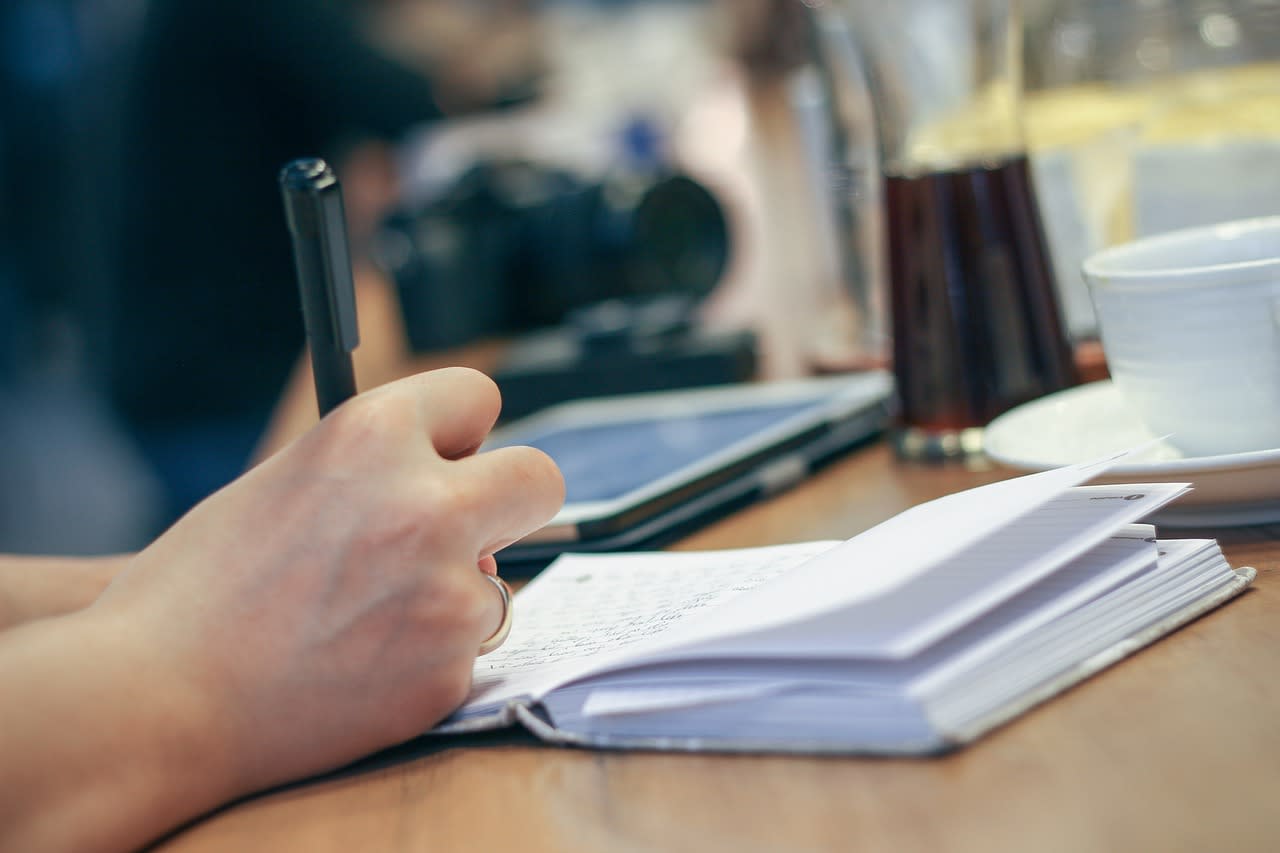
The 5 PM Energy Crash: Why Your Brain Feels Like Mush
You know the feeling all too well. The clock hits 5 PM, you've been sitting at your desk for eight hours, and yet you feel more exhausted than if you'd run a marathon. Your brain feels like mush, your willpower is completely depleted, and the only thing you can manage is collapsing on the couch with your phone. Sound familiar?
Here's the brutal truth: mental work is physically exhausting. When you're solving problems, making decisions, and processing information all day, you're burning through glucose—your brain's primary fuel source—at an alarming rate. By 2 PM, you've already hit your first energy wall. By 5 PM, you're running on fumes.
What makes this particularly frustrating is that you're not physically tired in the traditional sense. Your body hasn't moved much, but your mind feels completely spent. This creates a weird disconnect where you know you should have energy for hobbies, learning, or exercise, but you simply can't muster the mental resources to do anything meaningful.
The original Reddit poster captured this perfectly: "Physically, I'm not doing anything demanding, but mentally I feel completely drained." That's the core issue we're tackling here. And in 2026, with remote work more common than ever, this problem has only intensified.
Understanding Decision Fatigue: Your Willpower's Worst Enemy
Let's talk about willpower for a moment. You mentioned having "zero willpower" by the time you get home. That's not a character flaw—it's a physiological reality called decision fatigue.
Throughout your workday, you're making hundreds of micro-decisions. What email to answer first, how to phrase that message, which task to prioritize, whether to have another coffee. Each decision, no matter how small, depletes your cognitive resources. By the end of the day, your brain's decision-making capacity is essentially bankrupt.
This explains why you default to the path of least resistance: scrolling through your phone. It requires no decisions, no active engagement, just passive consumption. Your brain, in its depleted state, chooses the option that requires the least energy expenditure.
The 2 PM slump you mentioned? That's when your morning glucose stores are typically depleted. Your brain is literally running out of fuel. Without intervention, you're setting yourself up for that 5 PM crash every single day.
Rethinking Your Workstation: More Than Just Ergonomics
Most desk job advice focuses on ergonomics—and that's important—but we need to think bigger. Your workstation isn't just where you sit; it's where you spend a third of your life. How it's set up directly impacts your energy levels hours later.
First, let's talk about lighting. Artificial office lighting, especially blue-heavy LED lights, can mess with your circadian rhythm more than you realize. In 2026, we have better options. Consider a daylight-simulating lamp that adjusts throughout the day. The Daylight Simulation Lamp can make a noticeable difference in maintaining energy levels.
Then there's the chair. Yes, ergonomics matter for your back, but they also matter for your energy. A chair that encourages micro-movements—subtle shifts in position—keeps blood flowing better than a static position. I've tested dozens of chairs, and the ones that allow for gentle movement throughout the day consistently help with afternoon energy.
But here's what most people miss: your digital environment. Constant notifications, multiple tabs open, Slack pings every five minutes—this creates what psychologists call "attention residue." Your brain never fully disengages from one task before being pulled to another. By the end of the day, you've accumulated massive cognitive debt.
The Strategic Break: Beating the 2 PM Slump

You mentioned hitting a wall around 2 PM. That's not random—it's predictable. And because it's predictable, you can plan for it.
The traditional advice says "take breaks," but that's too vague. You need strategic breaks. Not just getting up to get coffee (though that helps), but breaks that actually replenish your cognitive resources.
Here's what works: the 5-5-5 break. Every hour, take five minutes to do something completely different from your work. At 2 PM specifically—when you typically crash—take a 15-minute break that includes:
- 5 minutes of movement (walking, stretching, even just standing)
- 5 minutes of hydration (water, not more caffeine)
- 5 minutes of looking at something distant (out a window, ideally at greenery)
This combination addresses the three main causes of the afternoon slump: physical stagnation, dehydration (which your brain interprets as fatigue), and eye strain from constant near-focus.
I know what you're thinking: "I don't have time for breaks." But here's the counterintuitive truth: these breaks don't cost time—they create time. You'll work more efficiently in the remaining 45 minutes than you would in 60 minutes of continuous, fatigued work.
Nutrition for Mental Energy: It's Not Just About Eating "Better"
You mentioned knowing you need to eat better. But "eating better" for physical health isn't the same as eating for sustained mental energy.
The typical desk job lunch—heavy carbs, maybe something from the office cafeteria or delivered—creates that post-lunch crash for a reason. Your body diverts blood flow to digestion, and simple carbs cause a blood sugar spike followed by a crash.
What you need are meals that provide steady glucose release. Think protein + healthy fats + complex carbs. A salad with chicken, avocado, and quinoa. Greek yogurt with nuts and berries. These combinations prevent the blood sugar rollercoaster that leaves you feeling drained.
But here's the pro tip most people miss: timing matters as much as content. Eating smaller amounts more frequently keeps your brain fueled without overwhelming your digestive system. I keep Healthy Snack Packs at my desk—almonds, pumpkin seeds, dried fruit without added sugar. A small handful at 10:30 AM and again at 3:30 PM makes a massive difference in maintaining energy.
And about that afternoon coffee... If you're going to have caffeine, have it before 2 PM. Caffeine has a half-life of 5-6 hours, meaning that 3 PM coffee is still affecting your system at 9 PM, interfering with your sleep and setting you up for tomorrow's fatigue.
The Evening Transition Ritual: Creating a Buffer Zone
This might be the most important strategy of all. You can't go directly from eight hours of cognitive work to personal projects. You need a transition ritual—a buffer zone that signals to your brain that work is over and personal time has begun.
Your current transition is probably: work → commute → couch. That's not a transition; that's a collapse. We need to insert intentional activity between work and personal time.
Here's what I recommend: the 20-minute rule. For 20 minutes after work, you do something that's neither work nor your intended evening activity. This could be:
- A brisk walk (no phone, just walking)
- Light stretching or yoga
- Listening to music while preparing a snack
- Journaling for five minutes about your day
The key is that it's active but not demanding. It's engaging enough to pull you out of work mode but not so engaging that it feels like another task.
If you work from home, this is even more critical. You need physical and psychological separation from your workspace. Change your clothes. Leave your home office and don't return. Create boundaries that your brain can recognize.
Energy-Boosting Movement (That Doesn't Feel Like Exercise)
You know you need to exercise. But when you're already exhausted, the thought of a grueling workout feels impossible. So let's reframe this: we're not talking about exercise for fitness; we're talking about movement for energy.
The goal here is to increase blood flow to your brain, not to train for a marathon. And the beautiful thing is that light movement can be more effective for mental energy than intense exercise when you're already fatigued.
Try this: instead of "I need to work out after work," think "I need to move my body in ways that feel good." That could mean:
- A 10-minute dance session to your favorite music
- Following a gentle yoga video on YouTube
- Taking your dog for a longer walk than usual
- Doing some gardening if you have outdoor space
The research is clear: movement increases BDNF (brain-derived neurotrophic factor), which is like fertilizer for your brain cells. It also helps clear out the metabolic waste products that accumulate during mental work.
And here's the secret: once you start moving, you often find you have more energy for more movement. That 10-minute dance might turn into 20. That gentle yoga might make you want to do some strength exercises. But you have to start with what feels manageable, not what feels optimal.
Digital Decluttering: Why Your Phone Is Stealing Your Energy
Let's address the elephant in the room: the phone scrolling. You mentioned it as your default evening activity, and you're not alone. But passive scrolling isn't rest—it's cognitive junk food.
Social media, news feeds, endless videos—they're designed to keep you engaged by constantly providing novel stimuli. Your brain, already depleted from decision-making, gets hooked on this passive consumption because it requires no effort but provides constant dopamine hits.
The problem is that this doesn't actually recharge you. It just switches your brain from active depletion to passive depletion.
Here's my challenge to you: for one week, implement a "phone sunset." One hour before you want to start your evening activities, put your phone on Do Not Disturb and place it in another room. Use a physical alarm clock if you need morning alarms.
The first few days will be uncomfortable. You'll feel urges to check it. But by day four or five, you'll notice something remarkable: without the constant pull of your phone, your brain starts to naturally seek more engaging activities. You might pick up that book you've been meaning to read. You might start that hobby project. You might even just sit and think—which is actually a form of mental restoration.
If you need help managing digital distractions during work hours too, consider automation tools that can handle repetitive digital tasks, freeing up your mental energy for more important work.
Building Your Evening Energy Toolkit
Now let's get practical. You need a toolkit—specific strategies you can deploy based on how you're feeling. Not every evening will be the same, and not every strategy will work every time.
Create a menu of options. On your best evenings, you might tackle that online course you've been wanting to take. On your medium evenings, you might work on a hobby that doesn't require intense focus. On your worst evenings, you might just need genuine rest—and that's okay.
Here are some tools for your toolkit:
- The 10-minute rule: Commit to your evening activity for just 10 minutes. Often, starting is the hardest part, and once you begin, you'll want to continue.
- Energy-matched activities: Have low-energy hobbies for when you're truly drained. Audiobooks while doing a puzzle. Podcasts while organizing something. Activities that engage your hands but not your decision-making capacity.
- The preparation advantage: Set up for your evening activity before you start work in the morning. Lay out your painting supplies. Bookmark the tutorial video. Remove the friction of starting.
Remember what the original poster wanted: "to use my evenings for hobbies and learning." That's the goal. But you can't go from zero to full engagement. You need to build up your evening energy capacity gradually.
Common Mistakes (And How to Avoid Them)
I've seen people make the same mistakes over and over when trying to fix their post-work energy. Let me save you some frustration.
Mistake #1: All or nothing thinking. "If I can't do my full workout, I won't do anything." This is perfectionism in disguise. Five minutes of movement is better than zero. Ten minutes of reading is better than scrolling. Progress, not perfection.
Mistake #2: Adding more to your plate. You're already drained, and your solution is to add more productivity hacks, more apps, more systems. Sometimes the solution is subtraction, not addition. What can you remove from your day that's draining you?
Mistake #3: Ignoring sleep quality. Your evening energy is directly connected to your previous night's sleep. And your ability to sleep well is connected to your daytime habits. It's a cycle. If you're struggling with evening energy, look at your morning routine and sleep hygiene too.
Mistake #4: Comparing to others. Your colleague who goes to the gym after work every day might have a different job, different responsibilities, different biology. Your energy journey is yours alone.
One more thing: if you're really struggling with implementing these changes, sometimes getting outside help makes sense. You could hire a wellness coach on Fiverr to create a personalized plan. There's no shame in getting expert support.
Reclaiming Your Evenings, One Small Change at a Time
Here's the honest truth: you won't fix this overnight. That mental exhaustion you've been experiencing? It didn't develop in a day, and it won't disappear in one either.
But you can start today. Pick one thing from this article—just one. Maybe it's the strategic 2 PM break. Maybe it's the phone sunset. Maybe it's just drinking more water throughout the day. Implement that one thing consistently for a week.
What you'll likely discover is that these strategies compound. Better breaks lead to more energy at 5 PM. More energy at 5 PM makes the transition ritual easier. The transition ritual makes evening activities more appealing. It's a positive feedback loop.
The original Reddit poster said their brain feels "like mush" by evening. I've been there. Most desk workers have. But that mush feeling isn't a permanent state—it's a signal. Your brain is telling you it needs different fuel, different rhythms, different care.
In 2026, we understand more than ever about cognitive energy management. We know that the eight-hour workday wasn't designed for knowledge work. We know that mental fatigue is real and measurable. And we know that with intentional strategies, you can reclaim your evenings.
Start small. Be consistent. And remember that the goal isn't to become a productivity machine—it's to have energy for the things that matter to you outside of work. That's a goal worth pursuing.
