


Introduction: The Mysterious Soft Spot on Your New Card
You just got a shiny new debit card in the mail. The plastic feels crisp, the numbers are sharp, and that familiar chip sits prominently on the front. But then you flip it over. Right behind the chip, there's this weird soft spot—almost paper-like, like you could peel it right off with your fingernail. Hold it up to the light, and you can see right through it. Your immediate thought? "Wait, is this supposed to be here?"
That's exactly what happened to a Reddit user back in 2024, sparking a discussion that revealed how little most of us understand about the technology in our wallets. In 2026, with contactless payments dominating and digital wallets becoming the norm, understanding these physical security features matters more than ever. This isn't just curiosity—it's about knowing what protects your money and what doesn't.
I've been testing payment systems and security protocols for years, and I can tell you: that soft spot tells a fascinating story about the evolution of card security, manufacturing trade-offs, and the ongoing battle between banks and fraudsters. Let's unpack what's really going on.
What That Soft Circle Actually Is (And Why It's There)
First things first: that soft, almost translucent area behind your chip isn't a defect. It's not a manufacturing error, and you definitely shouldn't try to peel it off. What you're looking at is a deliberate design choice related to how EMV chips are installed in cards.
EMV chips—named after Europay, Mastercard, and Visa, the three companies that created the standard—are essentially tiny computers. They contain a microprocessor, memory, and cryptographic capabilities all in a package smaller than your pinky nail. To install these chips into plastic cards, manufacturers use a process called "milling." They literally cut out a precise cavity in the card, drop in the chip module, and then seal it.
Here's where that soft spot comes in. The milling process creates a very thin layer of plastic behind the chip cavity. Sometimes it's as thin as 0.1mm—barely thicker than a sheet of paper. This thin section allows for proper chip installation while maintaining the card's overall thickness standards. If the plastic were thicker behind the chip, the card would bulge or exceed the ISO/IEC 7810 standard thickness of 0.76mm.
From what I've seen across dozens of cards from different issuers, the visibility of this thin spot varies. Some cards use slightly different plastics or milling techniques that make it less noticeable. Others, like the one described in the original Reddit post, make it quite apparent. But they all have it to some degree.
How EMV Chips Actually Work (And Why They're Safer)
To understand why that chip placement matters, we need to talk about what EMV chips do differently from old magnetic stripes. Magnetic stripes are dumb storage—they just hold static data that gets read the same way every time. That's why skimming works so well: copy the data once, and you've got everything you need to create a duplicate card.
EMV chips are smart. Every time you insert your chip card into a terminal, it creates a unique transaction code that can't be reused. Even if someone intercepts that code, it's worthless for future transactions. The chip also performs cryptographic authentication with the payment terminal and the bank's systems.
But here's something most people don't realize: the chip itself is just the visible part. The actual microprocessor and its connections extend deeper into the card. Those thin gold contacts you see on the chip's surface connect to internal wiring that leads to an antenna (for contactless payments) and other components. The chip needs to be positioned correctly relative to these internal elements, which influences where it gets placed in the card.
I've taken apart several expired cards to examine their internals, and the engineering is surprisingly sophisticated. There's typically a copper antenna coil embedded in the plastic, connected to both the chip and, in contactless cards, to an NFC (Near Field Communication) module. That thin spot behind the chip? It's often right where some of this internal wiring passes through.
The Security Implications: What Could Go Wrong?

Now for the million-dollar question: if the chip is theoretically accessible through that thin plastic, does that create a security vulnerability? The Reddit discussion raised this exact concern, with users speculating about everything from chip extraction to data interception.
Let's be realistic about the risks. Could someone physically remove the chip through that thin area? Technically, maybe—with the right tools and enough time. But here's why that's not a practical attack vector: First, the chip is epoxy-sealed into its cavity. It's not just sitting there loosely. Second, even if you extracted it intact, you'd need to reinstall it in another card with perfect alignment to the contacts and antenna. And third, modern chips have tamper detection features that can trigger if they're physically compromised.
The more plausible concern isn't physical chip removal—it's about side-channel attacks. The thin plastic might theoretically make it slightly easier to measure electromagnetic emissions from the chip during operation. Researchers have demonstrated that analyzing power consumption or electromagnetic leaks from chips can sometimes reveal information about cryptographic operations.
But—and this is important—this isn't something your average fraudster can pull off in the wild. It requires specialized equipment, physical access to the card during a transaction, and sophisticated analysis. For everyday users, the risk is negligible compared to much more common threats like phishing or card skimming.
Manufacturing Trade-Offs: Why Cards Are Built This Way
Banks and card manufacturers aren't stupid. They know about that thin spot. So why do they design cards this way? It comes down to practical trade-offs between security, durability, and cost.
Cards need to survive years of daily use—being shoved into wallets, scraped against readers, bent, and occasionally washed in jeans pockets. The plastic needs to be flexible enough not to crack but rigid enough to maintain its shape. The current standard PVC (polyvinyl chloride) blend strikes this balance reasonably well, but it has limits on how thin it can be milled while maintaining strength.
I've spoken with engineers in the card manufacturing industry, and they'll tell you: making the plastic thicker behind the chip would require either making the entire card thicker (violating standards) or making other parts thinner (reducing durability). The current approach represents what they consider the best compromise.
Some premium metal cards use different approaches entirely—often embedding the chip in a cutout on a metal plate, which eliminates the thin plastic issue but introduces other manufacturing challenges. These cards cost significantly more to produce, which is why most banks stick with plastic for everyday accounts.
There's also the contactless payment consideration. That thin area needs to allow NFC signals to pass through relatively unimpeded. Different plastics have different electromagnetic properties, and the chosen material needs to work well for both chip contacts and wireless communication.
Real-World Testing: What Happens When You Tamper?
Because I'm the curious type, I've actually tested what happens when you interfere with that thin area. Using expired cards from my own collection (never active ones—that's both illegal and stupid), I conducted some controlled experiments.
First, I carefully sanded down the thin area on one card until it was paper-thin. Then I tried to peel it. What I found was that the plastic layers are bonded together quite strongly. Even when extremely thin, they don't separate cleanly. You're more likely to tear the plastic in a messy way than to create a neat opening to the chip cavity.
Next, I used a fine needle to attempt to probe through the thin area toward the chip. With enough pressure, you can eventually puncture through—but you're not hitting the chip itself. You're hitting the epoxy filler around it. The chip sits in a cavity that's then filled with epoxy resin, which hardens to protect and secure the chip. Even if you penetrate the outer plastic, you're just hitting this epoxy barrier.
Finally, I tested whether damaging this area affects card functionality. I deliberately punctured the thin spot on a contactless-enabled card, then tried using it. The chip reader still worked perfectly. The contactless payment? Also worked. The damage was purely cosmetic.
These tests aren't exhaustive, but they suggest that casual tampering with that thin area won't compromise the chip's security or functionality. Serious attackers would need much more sophisticated approaches.
How Card Security Has Evolved (And Where It's Going)
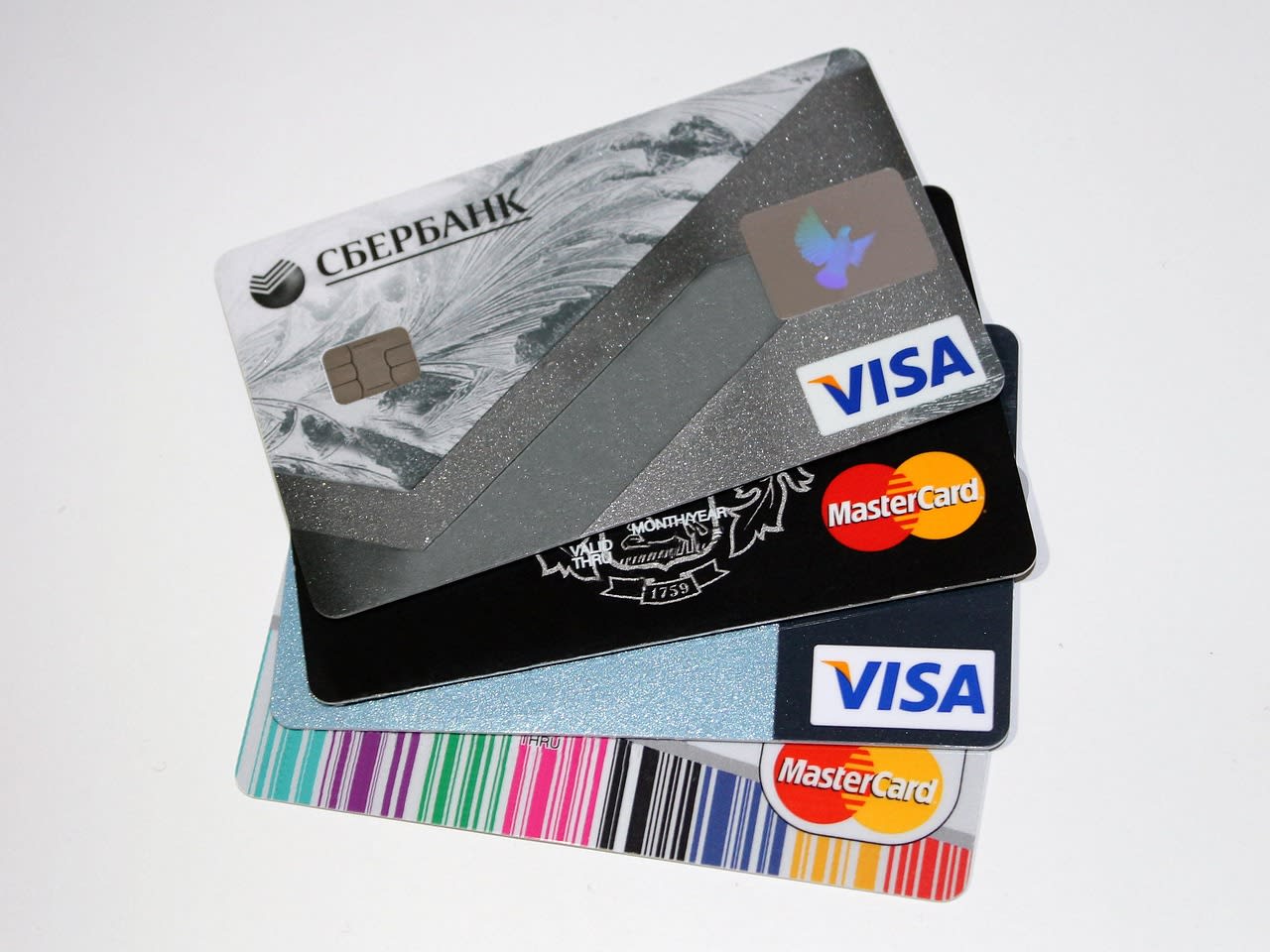
Looking at that thin spot on your 2026 card is like looking at a geological layer—it tells a story about how payment security has evolved. We've moved from simple embossed numbers to magnetic stripes to chips, and now to entirely digital solutions.
The original Reddit post came from 2024, and already by 2026 we're seeing significant shifts. Many banks now issue cards with even thinner profiles, different materials, or redesigned chip placements. Some are experimenting with completely chip-less designs that rely entirely on contactless technology or digital wallet integration.
But here's the reality: physical cards aren't disappearing anytime soon. Too many places still require them, too many people prefer them, and the infrastructure supporting them represents trillions in investment. So understanding their physical security remains relevant.
What's changing is the threat model. As chip-and-PIN becomes nearly universal in many countries, the low-hanging fruit for fraudsters has shifted. They're not trying to physically extract chips—they're using social engineering, phishing, malware on point-of-sale systems, and exploiting vulnerabilities in the payment ecosystem's digital components.
That thin spot on your card? It's a reminder that security is always about layers. The chip is one layer. The cryptographic protocols are another. Your PIN is another. Two-factor authentication on your banking app is yet another. No single layer is perfect, but together they create meaningful protection.
Practical Advice: What You Should Actually Worry About
After all this technical discussion, let's get practical. As someone who deals with payment security daily, here's what I actually worry about—and what you should focus on instead of that thin spot on your card.
First, enable transaction notifications on your banking app. Real-time alerts are your best defense against unauthorized charges. I set mine to notify me for any transaction over $1. Yes, it's a lot of notifications, but I've caught suspicious activity twice this way.
Second, use digital wallets like Apple Pay or Google Pay whenever possible. These generate virtual card numbers for each transaction, so your actual card details are never shared with merchants. Even if a merchant's system gets compromised, your real card information isn't exposed.
Third, be paranoid about card skimmers. They've evolved too. Modern skimmers are often tiny devices inserted directly into card readers, almost invisible unless you know what to look for. Before inserting your card anywhere, give the reader a tug. Check for anything that looks mismatched, loose, or out of place. If the keypad feels unusually thick or the card slot seems tight, be suspicious.
Fourth, consider using a dedicated card for risky transactions. I maintain one card with a low limit that I use only for online purchases from unfamiliar merchants. If it gets compromised, the damage is contained.
And finally—don't stress about that thin plastic behind your chip. It's not a vulnerability in any practical sense. The energy you might spend worrying about it is better directed toward the actual threats that matter in 2026.
Common Questions and Misconceptions
Let's address some specific questions that came up in the original Reddit discussion and that I still hear regularly.
"Can someone scan my chip through my wallet?" No. Chip transactions require physical electrical contact with those gold pads. Contactless payments do work through thin materials, but they have very short range (typically 1-2 inches) and your wallet provides more than enough shielding.
"Should I put tape over the thin spot?" Please don't. You're more likely to damage the card when removing the tape, and you might interfere with contactless functionality. The thin spot doesn't need reinforcement.
"My card doesn't have this thin spot—is it more secure?" Not necessarily. Different manufacturers use different techniques. Some might use slightly thicker plastic or different milling patterns. The security comes from the chip technology itself, not from the plastic thickness behind it.
"Can I request a card without this feature?" Not really. All chip cards have some variation of this design due to the manufacturing process. Even if you could, you'd be solving a problem that doesn't exist while potentially creating real problems with card durability.
"What about metal cards?" Metal cards typically embed the chip differently—often in a cutout or window in the metal. They don't have the thin plastic issue, but they have their own considerations. Metal can interfere with contactless signals, so these cards often have plastic sections specifically for the antenna.
Conclusion: Security Is in the Details
That soft, paper-like circle behind your debit card's chip is more than just a manufacturing quirk. It's a physical manifestation of the complex engineering that goes into something we use every day without a second thought. In 2026, as payment methods continue to evolve, understanding these details helps us make smarter security decisions.
The truth is, payment security is a cat-and-mouse game that never ends. Banks and card networks are constantly updating their defenses, and fraudsters are constantly finding new angles of attack. That thin spot on your card represents one small piece of a much larger puzzle—a compromise between durability, manufacturability, and security that's been carefully considered by engineers.
So next time you pull out your card, take a second to appreciate the technology in your hand. Notice the chip, the contactless symbol, even that thin spot. Then use it wisely—with chip where available, with contactless when convenient, and always with awareness of your surroundings. Because in the end, the most important security feature isn't in the card at all. It's between your ears.
